

We may earn a commission when you buy through links on this page, at no extra cost to you. Learn more.
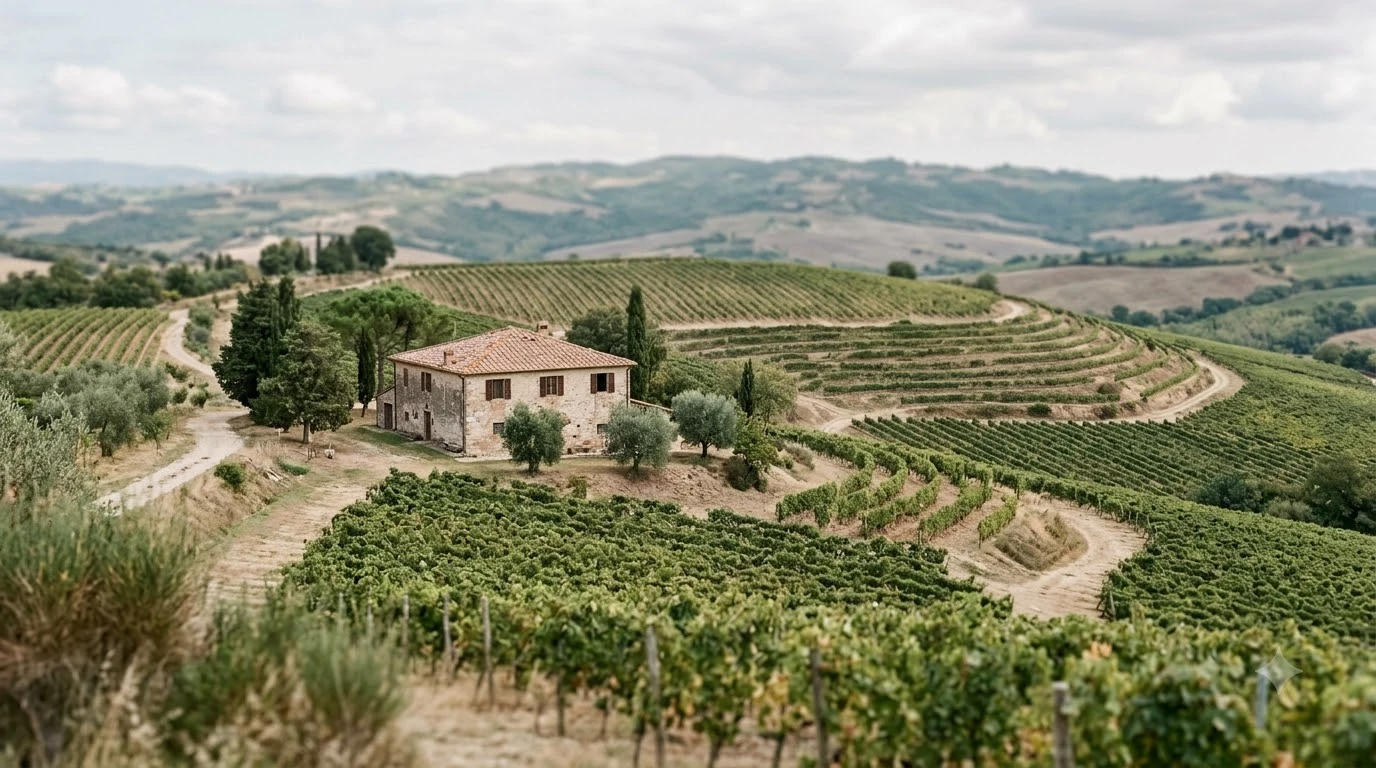
The Yadkin Valley wine region is a federally recognized American Viticultural Area in northwestern North Carolina, known for its European grape varieties, French-American hybrids, rolling foothills, and diverse dry and sweet wines. Established in 2003, it was North Carolina’s first AVA and covers approximately 1.4 million acres across seven counties. Its vineyards produce wines from Cabernet Franc, Merlot, Chardonnay, Viognier, Riesling, Chambourcin, and other varieties. Visitors can explore established wineries, scenic vineyard properties, and the smaller Swan Creek AVA within the larger appellation.
North Carolina’s wine identity extends well beyond the state’s native Muscadine grapes. In the Yadkin Valley, winemakers work with European varieties and hybrids to create wines influenced by the Piedmont’s changing elevations, warm growing season, rainfall, and varied soils. The result is a regional wine scene with its own character rather than a straightforward imitation of California or European wine styles. Understanding its geography, grapes, and winery communities makes it easier to appreciate what belongs in a glass from this part of the Southeast.
Where the Yadkin Valley Wine Region Is Located
The Yadkin Valley sits in northwestern North Carolina, where the western Piedmont meets the foothills of the Blue Ridge Mountains. Its vineyards occupy a broad landscape of rolling hills, agricultural valleys, and river-influenced terrain, with Pilot Mountain serving as one of the area’s most recognizable landmarks.
The federally recognized Yadkin Valley AVA encompasses approximately 1.4 million acres, or about 2,188 square miles. According to the North Carolina Winegrowers Association, the appellation includes all of Wilkes, Surry, and Yadkin counties, along with portions of Davie, Davidson, Forsyth, and Stokes counties. This makes it a geographically substantial wine-growing designation rather than a small cluster of neighboring vineyards.
The Yadkin River is an important geographical feature. It flows through the central portion of the region, helping define the valley’s landscape and agricultural setting. The AVA extends through communities where farming has long been part of local life, and vineyards now share the countryside with traditional agricultural properties.
Several towns provide useful starting points for exploring the area:
- Dobson: Located in Surry County, Dobson is an important base for visiting established wineries, including Shelton Vineyards.
- Elkin: This small town offers access to nearby vineyard properties and serves as a convenient starting point for exploring the southern and western parts of the region.
- Mount Airy: Located toward the northern part of the wine-country area, Mount Airy offers restaurants, accommodations, and access to wineries around Surry County.
- Pilot Mountain: The community is known for its distinctive mountain landmark and nearby wineries, including JOLO Winery and Vineyards.
- Yadkinville: This town provides access to vineyards in Yadkin County and the broader Piedmont countryside.
The AVA’s boundaries are important because they distinguish the official wine-growing designation from the larger tourism area. A winery promoted as part of a Yadkin Valley wine-country itinerary is not automatically located inside every individual appellation boundary. Travelers interested in appellation-specific wines should consider the vineyard’s actual location.
The landscape also helps explain why the region offers different vineyard experiences within relatively short driving distances. Some properties emphasize expansive estate vineyards, while others operate smaller tasting rooms surrounded by wooded hills and working farmland. For a broader introduction to the destination, the overview of Yadkin Valley wine country provides useful context beyond the formal AVA boundaries.
Climate, Elevation, and Vineyard Soils
The Yadkin Valley combines a warm continental growing climate with moderate elevations and diverse geological formations. These conditions allow growers to cultivate several European grape varieties and hybrids, although rainfall, humidity, and seasonal frost create important vineyard-management challenges.
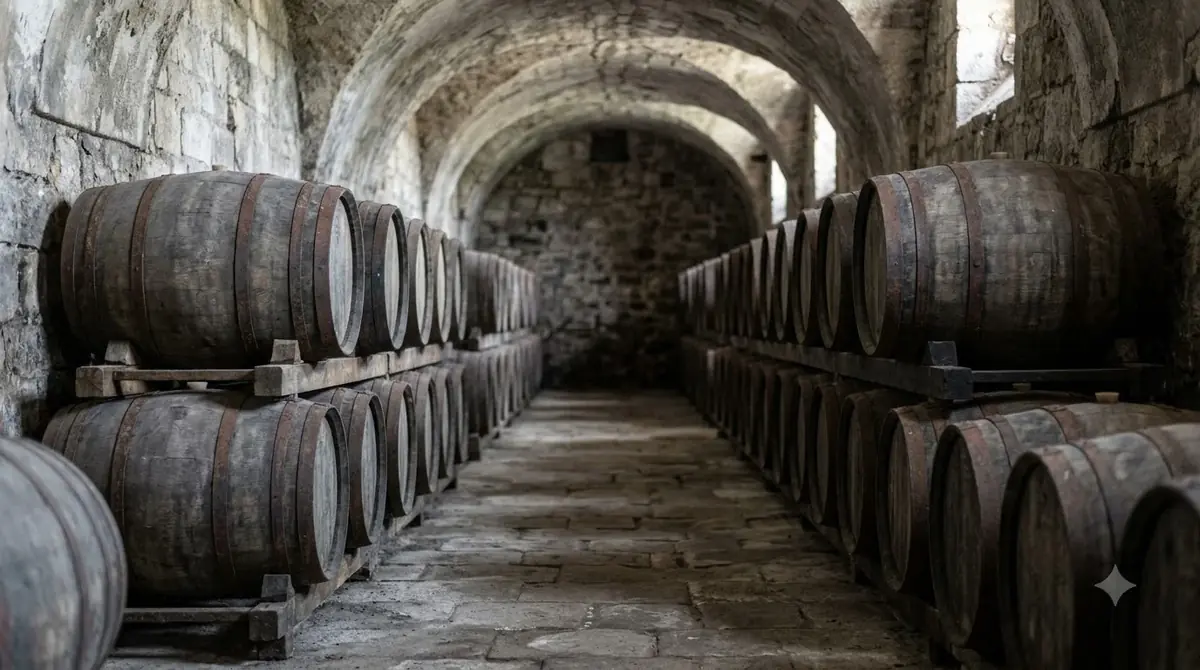
According to Wine Enthusiast’s Yadkin Valley AVA regional profile, the appellation’s elevations range from approximately 800 to 1,600 feet. Elevation influences vineyard exposure, temperature patterns, and the length of the growing season. Differences between vineyard sites can affect grape development even when the properties are relatively close together.
The climate provides considerable sunshine and a growing season suitable for grapes that need time to develop ripeness. However, North Carolina’s humidity and rainfall require careful vineyard management. Excess moisture can encourage fungal diseases, while frost can damage vulnerable vines and reduce potential harvest quantities.
Wine Enthusiast identifies rainfall, frost, Pierce’s Disease, and mildew among the region’s viticultural challenges. These conditions help explain why selecting suitable varieties is particularly important. A grape that performs consistently in a dry Mediterranean climate may require a different approach in a humid southeastern growing environment.
Soils also vary throughout the appellation. Clay, fine loam, schist, and mica are among the identified soil types. These geological materials create different drainage characteristics and growing conditions across the valley. Well-drained sites can be especially valuable in a region where rainfall is an important consideration.
Schist and mica are particularly relevant in discussions of the nearby Brushy Mountain foothills and Swan Creek. Weathered geological material contributes to the area’s distinctive soil profiles, while individual vineyard locations determine how those characteristics influence vine growth.
The region’s natural conditions should not be reduced to a single claim that one soil or elevation produces a particular flavor. Grape variety, rootstock, vineyard management, harvest timing, fermentation, and aging all influence the finished wine. Two Chardonnay wines from different Yadkin Valley vineyards may therefore have noticeably different textures and aromas.
Tip: When comparing wines from different Yadkin Valley wineries, look at the grape variety, vineyard location, and production method together. A mountain-influenced vineyard, a clay-rich site, and a lower-elevation property can produce different expressions even when the same grape is used.
Grape Varieties That Define Local Wine Production
The Yadkin Valley grows an unusually broad selection of grapes for a southeastern American wine region. European Vitis vinifera varieties are important, but French-American hybrids and native Muscadine grapes also contribute to the region’s identity.
Among the most recognizable red grapes are Cabernet Sauvignon, Merlot, Cabernet Franc, Syrah, Petit Verdot, and Tannat. These varieties give wineries opportunities to produce structured reds, lighter blends, and wines with different levels of tannin and acidity.
Cabernet Sauvignon is particularly useful for visitors who enjoy full-bodied red wine. Its relatively high tannin levels and firm structure can support richer dishes, grilled meats, and aged cheeses. Merlot generally offers softer tannins and a rounder profile, while Cabernet Franc can provide a different balance of fruit, herbal character, and acidity.
Syrah and Tannat offer additional possibilities. Syrah can produce medium-plus to highly tannic wines with substantial structure. Tannat is also known for its substantial tannin, making it an interesting option for people who prefer concentrated red wines rather than lighter, delicate styles.
White grapes are equally important. Chardonnay, Viognier, Sauvignon Blanc, Riesling, and Pinot Grigio are among the varieties grown in the valley. Their different characteristics give winemakers flexibility across dry, aromatic, crisp, and fuller-bodied white wines.
Chardonnay generally has medium acidity and can be made in stainless steel or oak-influenced styles. Sauvignon Blanc and Riesling typically provide higher acidity, which can make them particularly useful with fresh vegetables, seafood, and dishes containing citrus or vinegar. Viognier is valued for its aromatic character and fuller texture.
Hybrid varieties add another dimension. Chambourcin, Traminette, Vidal Blanc, and Cynthiana appear in regional wine production. Chambourcin is especially versatile because it can be used for red wines, rosé, blends, and other styles. Traminette is known for its aromatic qualities, while Vidal Blanc can be used in dry, off-dry, and sweeter expressions.
Muscadine deserves separate attention. Native to the southeastern United States, it is an important part of North Carolina’s broader wine heritage. Muscadine wines can range from dry to sweet, depending on the grape and production choices. They offer an alternative to the European varieties that dominate many conventional wine lists.
The following table summarizes representative grape varieties and their typical wine characteristics. These are general grape characteristics, not guaranteed tasting notes for every bottle produced in the valley.
| Grape | Wine category | Typical characteristics | Common food pairing |
|---|---|---|---|
| Cabernet Sauvignon | Red | High tannin, firm structure | Grilled beef and aged cheese |
| Merlot | Red | Medium tannin, softer texture | Roast chicken and pork |
| Cabernet Franc | Red | Moderate structure, fresh acidity | Herb-roasted vegetables |
| Syrah | Red | Medium-plus to high tannin | Barbecue and grilled lamb |
| Chambourcin | Red or rosé | Versatile hybrid variety | Pizza and grilled vegetables |
| Chardonnay | White | Medium acidity, varied texture | Roast chicken and creamy pasta |
| Sauvignon Blanc | White | High acidity, fresh profile | Goat cheese and seafood |
| Riesling | White | High acidity, dry to sweet | Spicy dishes and pork |
| Viognier | White | Aromatic, fuller-bodied | Roast poultry and mild curries |
| Muscadine | White, rosé, or red | Distinctive native grape character | Southern barbecue and fruit desserts |
One useful characteristic of the Yadkin Valley is that visitors do not have to choose between traditional European varieties and distinctly Southern grapes. A tasting can include a Cabernet Franc, a Viognier, a Chambourcin, and a Muscadine wine, providing a practical introduction to the region’s range.
Wine Styles and What to Expect in the Glass
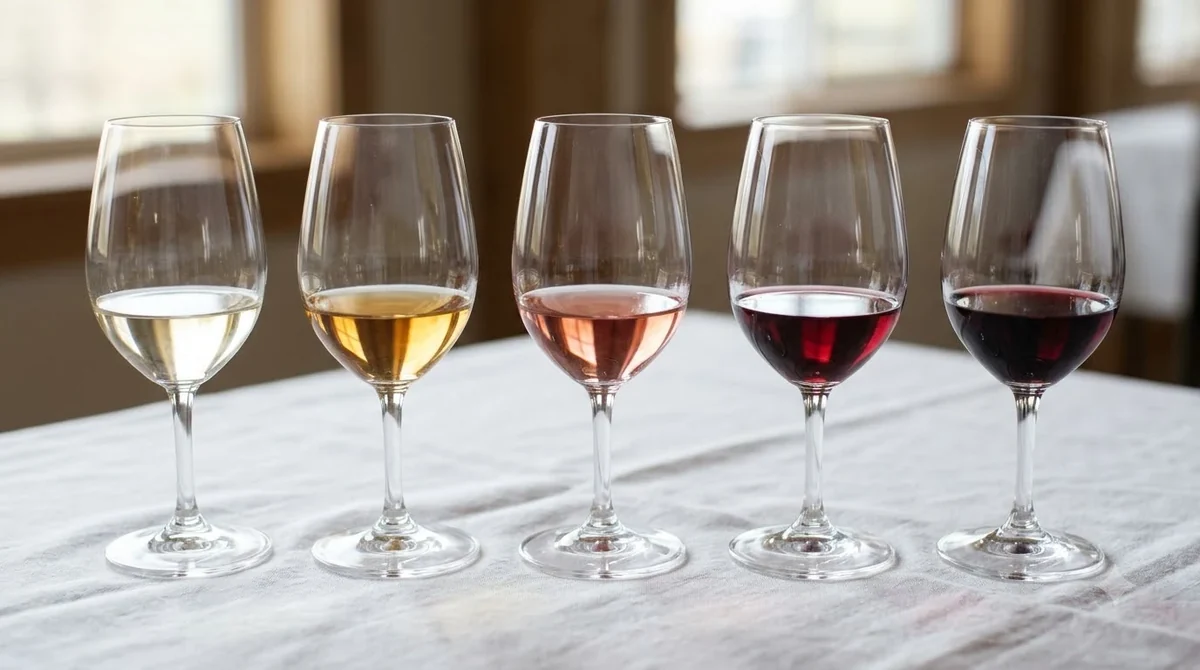
Yadkin Valley wineries produce dry reds, aromatic whites, rosés, off-dry wines, and sweeter selections. The region’s diversity means that a tasting experience can appeal to someone who prefers structured Cabernet Sauvignon as readily as someone who enjoys a fruit-forward white wine.
Dry red wines are an important part of the area’s modern identity. Cabernet Sauvignon, Merlot, Cabernet Franc, and Syrah provide familiar reference points for visitors accustomed to international wine varieties. Depending on production choices, these wines can show fresh fruit, firm tannins, oak influence, or a softer, more approachable structure.
Some producers also explore Italian-inspired winemaking techniques. Raffaldini Vineyards, for example, is associated with the appassimento method. This process involves drying harvested grapes on mats or racks to reduce their water content and concentrate sugars, acids, and flavors before fermentation.
White wines offer a different perspective on the local climate. Chardonnay provides flexibility for producers interested in texture and oak influence, while Sauvignon Blanc and Riesling are natural choices for fresher, higher-acidity styles. Viognier can offer a more aromatic and fuller-bodied alternative.
Rosé is another useful category to explore. Chambourcin can be harvested relatively early and used in rosé blends, demonstrating the versatility of hybrid grapes. Rosé wines can range from crisp and dry to fruitier and slightly off-dry, depending on the producer’s choices.
Sweet and off-dry wines remain relevant because the region’s agricultural heritage includes native Muscadine grapes. Visitors who are unfamiliar with Muscadine should approach it as a distinct grape variety rather than expecting it to taste like Chardonnay or Sauvignon Blanc.
When comparing sweetness, remember that wine labels and tasting-room descriptions may use terms differently across categories. A dry Riesling can taste very different from a sweeter Riesling, even though both are made from the same grape. Asking whether a wine is dry, off-dry, or sweet is a simple way to identify a preferred style.
Blending is also part of the region’s flexibility. Winemakers can combine varieties to balance acidity, tannin, color, and aromatic character. A red blend may combine Cabernet Sauvignon with Merlot or Cabernet Franc, while white blends can combine aromatic and structural components.
For food pairing, match the wine’s structure to the dish. High-tannin Cabernet Sauvignon generally works well with protein-rich foods, while softer Merlot can suit roast poultry or pork. High-acidity Sauvignon Blanc can complement dishes with citrus, tomatoes, or fresh goat cheese. Avoid pairing strongly tannic reds with oily fish, because the combination can produce an unpleasant metallic impression.
For a more detailed look at regional styles and destinations, the Wine Regions collection provides additional background on how geography and grape selection shape American wine.
Important Wineries and the Swan Creek AVA
The Yadkin Valley’s winery community includes established estate producers, smaller family-run properties, and wineries experimenting with different grape varieties and production methods. Swan Creek adds a more geographically specific identity within the larger appellation.
One of the best-known producers is Shelton Vineyards in Dobson. Brothers Charlie and Ed Shelton helped lead the campaign that secured the Yadkin Valley’s federal AVA designation. The winery is identified by the regional tourism organization as North Carolina’s largest family-owned estate winery.
Its property offers a useful introduction to the scale and development of the local wine industry. Visitors interested in estate-grown European varieties can use Shelton as a starting point for understanding how the region has developed beyond its traditional agricultural roots.
JOLO Winery and Vineyards, near Pilot Mountain, offers another perspective. Its location connects wine tourism with one of the area’s most recognizable geographical landmarks. The winery has also attracted attention for its work with varieties such as Chambourcin, Merlot, and Cabernet Franc.
Raffaldini Vineyards is another notable name. Its association with Italian grape-growing and winemaking influences makes it a useful stop for visitors interested in how international techniques can be adapted to North Carolina conditions.
Other properties provide different tasting experiences:
- Grassy Creek Vineyard and Winery: Known for its historic Red Barn tasting setting and vineyard walking opportunities.
- Elkin Creek Vineyard: Combines wine tourism with a food offering that includes brick-oven pizza on Sundays.
- Round Peak Vineyards: Located near Mount Airy, it has explored wines made from hybrid varieties, including skin-contact Vidal Blanc.
- Carolina Heritage Vineyards: Identified by the local tourism organization as North Carolina’s first certified organic winery and first solar-powered winery.
- Golden Road Vineyards: Offers an estate setting in the Surry County wine area.
- Stony Knoll Vineyards: Has a family farming history extending to 1896.
The Swan Creek AVA is especially important for understanding the region’s internal geography. Established on May 27, 2008, it is a sub-appellation of the Yadkin Valley AVA. Its identity is associated with the Brushy Mountains and soils containing clay, mica, and schist.
Wine Enthusiast describes Swan Creek as having a slightly cooler climate and less rainfall than some surrounding parts of the larger appellation. These conditions provide opportunities for aromatic white varieties and a range of other grapes, including Petit Verdot, Riesling, Traminette, Petit Manseng, and Vermentino. The North Carolina Winegrowers Association’s regional overview also identifies Swan Creek as a sub-appellation distinguished by its loamy schist- and mica-rich soils.
Rather than viewing Swan Creek as a separate competitor, it makes more sense to understand it as a smaller wine-growing area with its own local conditions. Its wines form part of the broader Yadkin Valley story while offering a more focused geographical identity.
Travelers can use the Yadkin Valley wine trail as a starting point for organizing winery visits. The Surry County Wine Trail alone features 17 wineries, giving visitors plenty of opportunities to compare producers without attempting to cover the entire AVA in one trip.
Planning a Yadkin Valley Wine Country Visit
A successful Yadkin Valley trip is easier to organize around a small geographical area than around the entire appellation. Choosing two or three wineries in the same general corridor leaves time for tasting, food, scenery, and conversations with winery staff.
Surry County is a practical starting point because it has a concentrated selection of wineries. Dobson, Elkin, Mount Airy, and Pilot Mountain provide useful bases for building a short itinerary. Visitors staying in the Winston-Salem area can also approach the eastern side of the wine country as a day trip.
For a first visit, consider the following sample structure:
- Morning: Begin with a winery visit in the Dobson area. Choose a tasting that includes at least one white and one red wine to establish a regional reference point.
- Lunch: Allow time for a proper meal. If visiting Elkin Creek on a Sunday, its brick-oven pizza offering can provide a convenient food stop.
- Afternoon: Visit a second producer with a different focus, such as a winery specializing in Italian varieties, hybrid grapes, or estate-grown Bordeaux varieties.
- Late afternoon: Leave time for a relaxed drive through the countryside or a visit to a nearby town before returning to your accommodation.
It is generally better to visit fewer wineries and spend more time at each one than to rush through a long list. Tastings may involve several wines, discussions about vineyard conditions, and opportunities to learn how the producer approaches fermentation and aging.
Seasonality can influence the experience. Spring brings fresh vineyard growth, while summer offers lush landscapes and outdoor tasting opportunities. Harvest season is particularly interesting for visitors who want to see the agricultural side of wine production, although actual picking dates vary with grape variety, weather, and vineyard conditions.
Fall is a popular time for scenic countryside visits, especially when surrounding foliage changes color. Winter can offer a quieter tasting-room experience, although individual winery schedules and outdoor facilities may be more limited.
Before leaving, confirm tasting-room hours, reservation requirements, food availability, and policies for groups. Some wineries offer guided experiences, while others focus on walk-in tastings. Designated drivers and responsible transportation arrangements are also important when visiting multiple tasting rooms.
Temperature matters when enjoying the wines purchased during a visit. Serve sparkling wines at approximately 40–50 degrees Fahrenheit, light whites and rosés at 45–50 degrees, and fuller-bodied whites at 50–55 degrees. Light reds generally benefit from 55–60 degrees, while fuller reds are best served around 60–65 degrees.
Opened still wines generally remain enjoyable for about three to five days when refrigerated and properly resealed. Store unopened bottles away from direct sunlight and temperature fluctuations, ideally near 55 degrees Fahrenheit. These basic practices help preserve the character of wines brought home from the valley.
How Yadkin Valley Compares With Other American Wine Regions
The Yadkin Valley is best understood as a distinct southeastern wine region rather than a direct replacement for Napa Valley, Sonoma County, or other established American appellations. Its combination of humid growing conditions, varied soils, hybrid grapes, and European varieties creates a different set of opportunities and challenges.
One comparison often made is with Napa Valley. Both regions include vineyards at different elevations and produce familiar international grape varieties, including Cabernet Sauvignon and Chardonnay. However, similar grape names do not mean that the wines will have identical structures or flavors.
Napa Valley is associated with a broad range of Mediterranean-influenced growing conditions, while Yadkin Valley growers must account for more substantial rainfall and humidity. These differences influence canopy management, disease prevention, harvest decisions, and grape selection.
The Yadkin Valley also has a stronger connection to French-American hybrid grapes than many internationally recognized California wine areas. Chambourcin, Traminette, and Vidal Blanc help producers work with local conditions and broaden the range of wines available to visitors.
Compared with some other Southern wine destinations, the valley has a substantial focus on dry wines made from European varieties. The regional tourism organization reports that roughly 70 percent of the grapes in its Surry County discussion are dry-wine vinifera and hybrid varieties, with Muscadine accounting for much of the remainder.
This balance is useful for wine drinkers who associate Southern wine mainly with sweet Muscadine selections. Although those wines remain part of the region’s identity, visitors can also find Cabernet Sauvignon, Merlot, Chardonnay, Riesling, Syrah, and Sauvignon Blanc.
The area’s development is also relatively recent compared with some historic American wine regions. Federal AVA recognition in 2003 provided an important framework for the industry’s growth and helped distinguish the valley as a geographically defined wine destination.
Education has played a role in this development. Surry Community College’s viticulture and enology programs help provide training in vineyard management and winemaking. Such educational resources are important in a region where growers must continually adapt to humidity, rainfall, disease pressure, and the needs of different grape varieties.
The best way to judge Yadkin Valley wines is to evaluate them on their own terms. A well-made Cabernet Franc from North Carolina does not need to imitate Bordeaux, and a Chambourcin rosé does not need to resemble a traditional Provence rosé. The region’s appeal lies in how its producers use their local conditions and available varieties to make wines with a recognizable regional identity.
For readers exploring other American appellations, the Alexander Valley wine region provides an interesting comparison with a well-established California wine-growing area. Comparing the two can help illustrate how climate, geography, and grape selection shape wines in different parts of the United States.
Frequently Asked Questions
What does AVA mean on a Yadkin Valley wine label?
AVA stands for American Viticultural Area, a federally recognized geographical designation for a wine-growing region. The designation establishes boundaries based on distinguishing geographical characteristics, rather than guaranteeing a particular wine quality or production method. The Yadkin Valley became North Carolina’s first federally recognized AVA in 2003.
Is Yadkin Valley wine available outside North Carolina?
Some Yadkin Valley producers distribute their wines beyond the state through wholesale and retail channels, although availability varies by winery and individual wine. Certain bottles may be easier to find at the producer’s tasting room or through its own sales channels. Travelers interested in a particular wine should ask the winery about shipping eligibility and destination-state regulations.
Can visitors purchase wine directly from Yadkin Valley wineries?
Many wineries operate public tasting rooms where visitors can purchase bottles directly. Some also offer wine clubs, special releases, and winery events. Membership benefits and shipping arrangements differ by producer, so visitors should ask about these options before joining or placing an order.
What does appassimento mean in Yadkin Valley winemaking?
Appassimento is an Italian technique in which harvested grapes are dried before fermentation. Reducing the grapes’ water content concentrates their sugars, acids, and flavor components. Raffaldini Vineyards is a regional example of a producer associated with this traditional approach.
Are there educational opportunities for people interested in North Carolina winemaking?
Yes. Surry Community College offers viticulture and enology education connected to the regional wine industry. These subjects cover vineyard cultivation, grape production, fermentation, and other practical aspects of wine production. The college’s programs contribute to the development of skilled workers and winemakers in the Yadkin Valley area.
The Yadkin Valley offers a distinctive introduction to North Carolina wine, combining familiar European grapes with regional hybrids and native varieties. Its varied vineyard landscapes, growing winery community, and smaller appellations such as Swan Creek make it an appealing destination for wine enthusiasts interested in American wine beyond the better-known West Coast regions. Whether exploring a structured Cabernet Sauvignon, an aromatic Viognier, or a locally produced Muscadine wine, visitors will find plenty of reasons to discover what this southeastern wine region has to offer.
More in Wine Regions
 Willcox Wine Trail: Discover Arizona’s High-Elevation Wine CountryUpdated Nov 20, 2026
 Yakima Valley Wine Region: Find the Best Styles to TryUpdated Nov 20, 2026
 Vosne Romanee Wine Tasting: Identify Aromas and Choose Better PairingsUpdated Nov 20, 2026
 Yakima Valley Wine Festival: Find the Best Seasonal Wine EventsUpdated Nov 20, 2026
 Wales Vineyards: Discover Cool-Climate Wines and Where to VisitUpdated Nov 20, 2026
 Yountville Wine Festival: Discover Napa Wines and Local FoodUpdated Nov 20, 2026