

We may earn a commission when you buy through links on this page, at no extra cost to you. Learn more.
Yadkin Valley wine is a North Carolina style built on three families: European vinifera, American hybrids such as Norton, and the native muscadine grape, which together give the region a range from dry reds to sweet fruity bottles. The wines are shaped by a humid, wet climate and clay soils, so they often show bold fruit and a fresh edge rather than the lighter profile of some cooler regions. Knowing which grape is in the glass helps you choose the right bottle and serve it well.
This guide explains what Yadkin Valley wine tastes like, the grapes that define it, how to serve and pair each style, and how to read a label before you buy.
What Yadkin Valley Wine Tastes Like
There is no single Yadkin Valley house style, because the region grows many different grapes. Vinifera wines from Cabernet Sauvignon, Merlot, Chardonnay and Pinot Noir follow the patterns familiar from other wine regions, while hybrids and muscadines produce flavors that are distinctly American. That mix is part of what makes a visit interesting, since one winery can pour a dry European-style red next to a fruit-forward wine made from a native grape.
Across the region, the best way to learn the style is to taste by grape rather than by winery name. Start with one vinifera red, one hybrid red and one sweet muscadine, and note how the sugar, acidity and tannin change between them.
Norton: The Region’s Bold Red
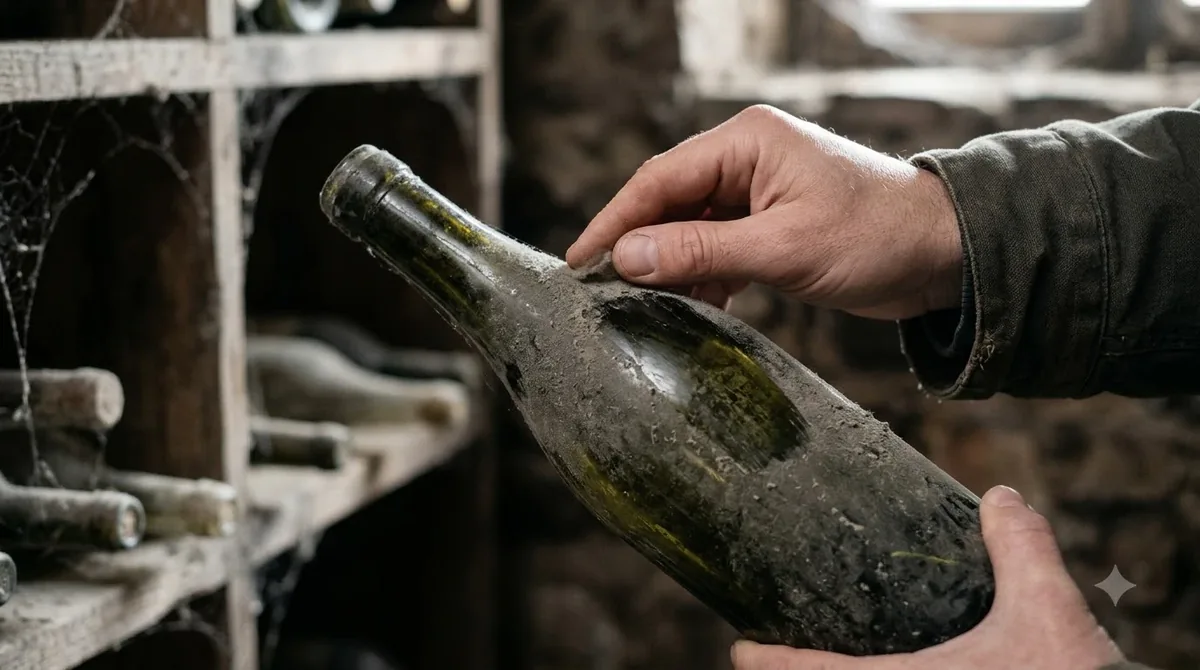
Norton is an American hybrid of Vitis vinifera and Vitis aestivalis, and it is one of the grapes that gives the Yadkin Valley a distinct voice. Wine writers describe it as a red grape with medium acidity and medium-high tannins, which gives the wine enough structure to age and enough freshness to drink young.
The flavors often include black currant, black cherry, dill, black pepper and a touch of chocolate. Those savory notes make Norton more complex than a simple fruit-forward red. Reference material recommends decanting it for about 30 minutes before serving, which lets the aromas open and softens the grip of the tannins.
The grape was developed for American growing conditions. Wine Folly notes that it shows excellent promise for winemaking in the American Midwest, which illustrates why hybrids like Norton are useful in places where European vines can struggle with heat, humidity or winter cold. In the Yadkin Valley, that practical fit is a large part of the appeal.
Norton is also a good wine for a visitor who likes big reds but wants something different from Cabernet Sauvignon. Its bright acidity and fuller body make it a practical stand-in for many Cabernet-style meals.
Muscadine and the Sweeter Styles
Muscadine is the native grape of the Southeast, and it is the historic heart of the region’s wine tradition. Scuppernong, a muscadine variety, was central to the pre-Prohibition industry in the valley. Muscadine wines are usually off-dry, with ripe banana, yellow apple, lime peel and cranberry notes.
Making good wine from muscadine is considered difficult, which is why the number of producers working with it is small and why a well-made bottle stands out. The wines typically sit around 10 to 11.5 percent alcohol. Visitors who prefer sweeter styles will find muscadine a natural choice, and a sweet pour can sit well alongside drier wines when you compare styles in one tasting.
Tip: Ask the tasting room staff whether a wine is dry, off-dry or sweet before you taste. In the Yadkin Valley, the same winery can pour styles across that whole range, and the label alone does not always tell you the sweetness.
Serving and Pairing Yadkin Valley Wines
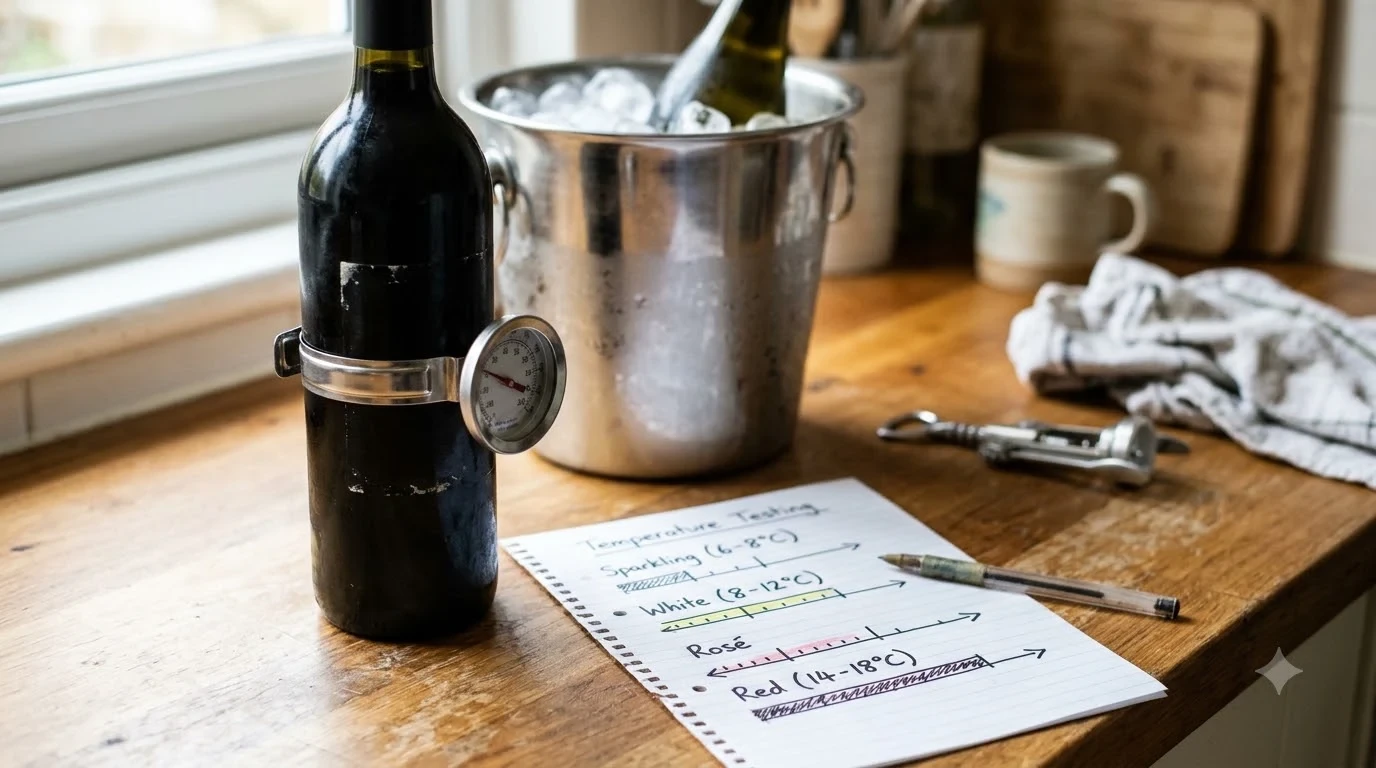
Serving temperature changes how each style tastes. Norton tastes best a little warmer than many reds, while muscadine works well slightly cooler. The table below summarizes the main points for the grapes you are most likely to meet.
| Grape and style | Typical flavors | Serving note | Pairing idea |
|---|---|---|---|
| Norton (dry red) | Black currant, black cherry, dill, black pepper | 60–68°F in a universal glass, decanted for about 30 minutes | Venison, beef or blackened fish |
| Muscadine (off-dry) | Ripe banana, yellow apple, lime peel, cranberry | 55–60°F in a universal glass | Fruit desserts, custard or brandy trifle |
| Vinifera reds (Cabernet, Merlot, Pinot Noir) | Varies with site and producer | Cool slightly from room temperature | Roast meats and mushroom dishes |
Wine Folly’s Norton grape guide suggests “all American fare” for Norton, with dishes such as venison, beef or blackened fish. For muscadine, the same type of reference suggests sweeter versions as a partner for a rich dessert rather than a light course.
How to Choose a Yadkin Valley Bottle
Start with the grape on the label. A bottle labeled Norton or muscadine tells you what to expect, while a vinifera bottle such as Chardonnay or Pinot Noir may be more familiar but less distinctive. If you want the regional character, a hybrid or muscadine is often the better choice.
Next, check the sweetness. Many tasting rooms offer wines from dry to sweet, and a sweet bottle is not a lesser wine. Read the back label or ask the staff, and taste a small pour before buying a full bottle. Finally, look for the Yadkin Valley or Swan Creek designation, since the sub-AVA can tell you where the grapes were grown.

Tasting notes are useful, but they are only a guide. Two wines with the same grape can taste different depending on the year, the winery’s approach and how the wine was aged. Use the notes to choose a direction, then let your own palate decide. Keep a short record of the wines you enjoy, including the grape, the sweetness and the food you paired them with, so the next visit is easier to plan.
Storing and Enjoying Your Bottles
Many everyday Yadkin Valley wines are best enjoyed within a few years, while a sturdy red such as Norton may repay some time in the cellar. Store bottles in a cool, dark place and keep them on their side if they have corks. Bring an open bottle back to a cool place after pouring, and finish it within a few days for the best flavor.
When you are sharing a bottle, pour a small amount for each guest and let the wine warm slightly in the glass. The flavors of Norton, in particular, open as the wine breathes, so it rewards a few minutes of patience at the table.
Frequently Asked Questions
What is Norton wine?
Norton is a red wine made from an American hybrid grape, a cross of Vitis vinifera and Vitis aestivalis. It has medium acidity, medium-high tannins and flavors such as black currant, black cherry and black pepper.
Is muscadine wine sweet?
Muscadine wine is usually off-dry, with fruity notes such as ripe banana, yellow apple and cranberry. Sweetness varies by producer, so check the label or ask the tasting room before you buy.
What food goes with Yadkin Valley red wine?
Norton pairs well with venison, beef and blackened fish, while vinifera reds suit roast meats and mushroom dishes. Muscadine works with fruit desserts, custard and brandy-based sweets.
Should I try the vinifera or the hybrid wines first?
Try both. A vinifera wine shows the European style that many visitors already know, while a Norton or muscadine shows what makes the Yadkin Valley distinct. Comparing the two in one tasting makes the differences easy to notice.
To see how the vineyards and grapes fit together across the region, read the Yadkin Valley vineyards guide. For a wider view of wine regions, the Wine Regions guide places North Carolina alongside other growing areas.
More in Wine Regions
 Willcox Wine Trail: Discover Arizona’s High-Elevation Wine CountryUpdated Nov 20, 2026
 Yakima Valley Wine Region: Find the Best Styles to TryUpdated Nov 20, 2026
 Vosne Romanee Wine Tasting: Identify Aromas and Choose Better PairingsUpdated Nov 20, 2026
 Yakima Valley Wine Festival: Find the Best Seasonal Wine EventsUpdated Nov 20, 2026
 Wales Vineyards: Discover Cool-Climate Wines and Where to VisitUpdated Nov 20, 2026
 Yountville Wine Festival: Discover Napa Wines and Local FoodUpdated Nov 20, 2026