

We may earn a commission when you buy through links on this page, at no extra cost to you. Learn more.
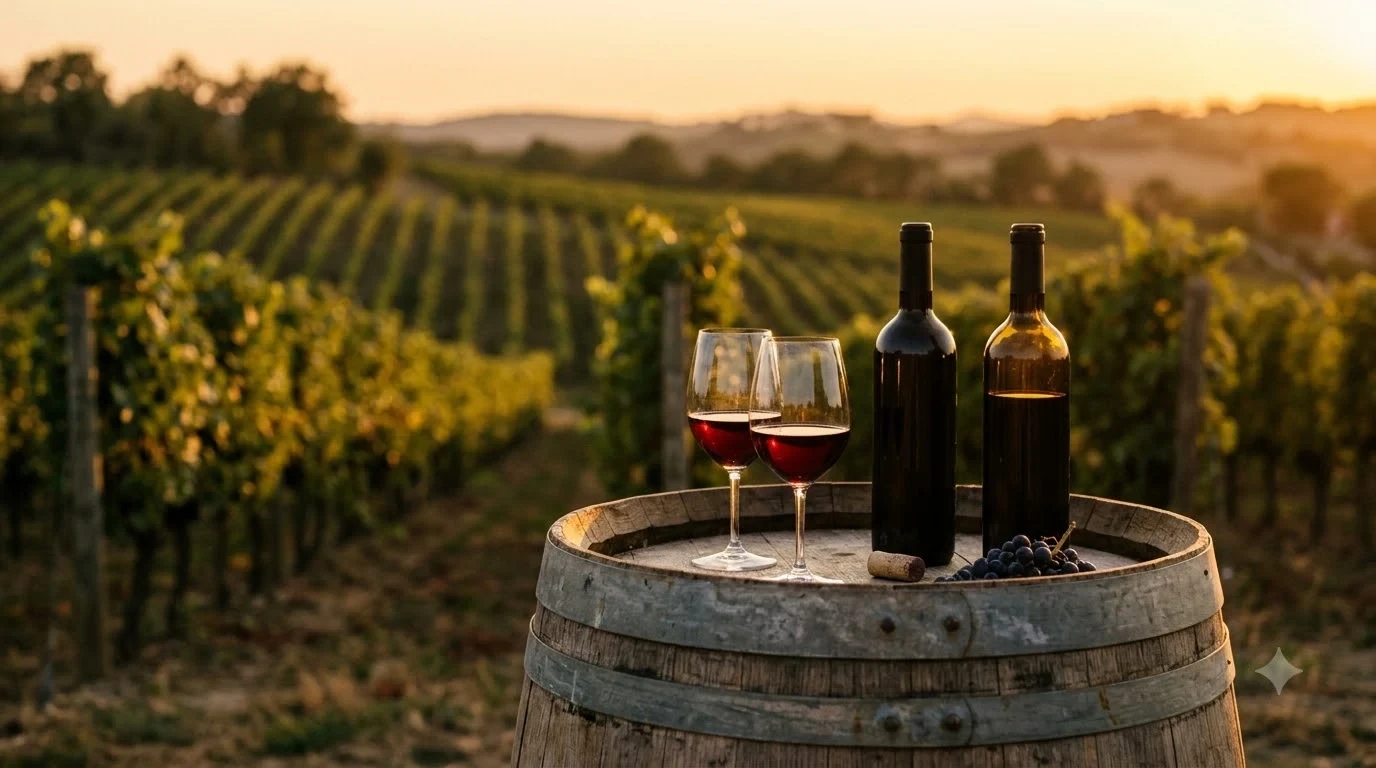
Istria vineyards are found across Croatia’s northern Adriatic peninsula, producing distinctive wines from indigenous Malvazija Istarska and Teran grapes. The region combines Mediterranean sunshine, cooling sea breezes, limestone-rich soils and iron-rich red earth to create a varied wine landscape. Visitors can explore family wineries around Momjan, Buje, Brtonigla and Motovun, discovering fresh aromatic whites, structured reds, sweet Muscat wines and distinctive skin-contact expressions.
Istria offers an interesting alternative to better-known European wine destinations. Its combination of coastal scenery, rolling inland hills, traditional villages and indigenous grape varieties gives the peninsula a recognizable wine identity. Understanding its geography and major grapes makes it easier to choose bottles, plan winery visits and appreciate the differences between individual vineyard areas.
Where Istria’s Vineyards Are Located
Istria is Croatia’s largest Adriatic peninsula, situated in the country’s northwest, close to Slovenia and Italy. Its vineyards stretch from the western coastal areas toward the cooler central interior, with many wineries concentrated around picturesque hilltop villages.
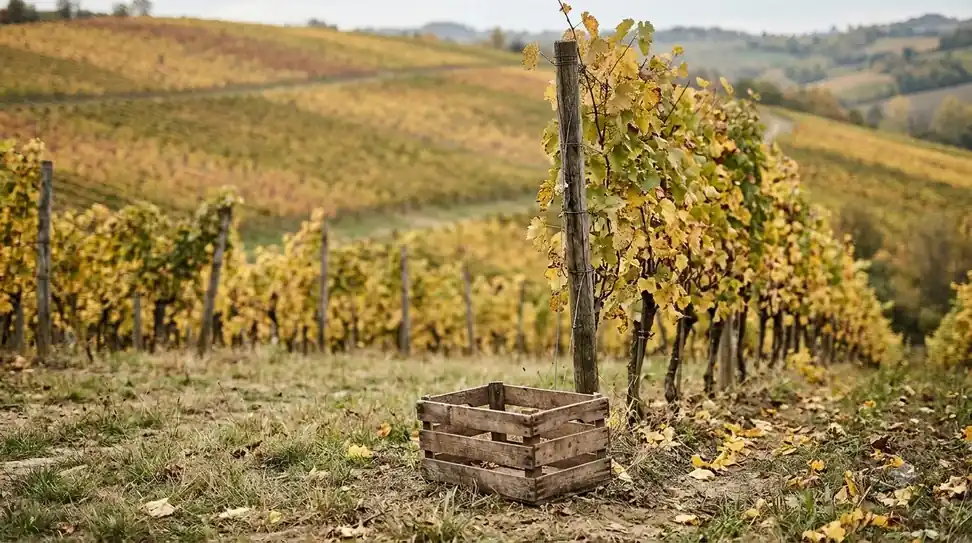
Western Istria is particularly associated with white Malvazija Istarska. Areas around Buje, Brtonigla, Umag and Poreč provide an important concentration of wine-growing activity. The proximity of the Adriatic Sea influences vineyard temperatures, while gentle slopes and changing elevations provide different growing conditions. Coastal locations are especially interesting for visitors who want to combine wine tasting with seaside restaurants and regional seafood.
Central Istria offers a different landscape. The hills around Motovun, Grožnjan, Oprtalj and Pazin experience stronger continental influences, including cooler evenings and more noticeable temperature changes. These conditions help retain freshness in grapes and support the production of aromatic white wines and structured reds. Teran is particularly important in this part of the peninsula.
Momjan, in northwestern Istria, deserves special attention. The area is strongly associated with Malvazija Istarska and Momjan Muscat, making it an appealing destination for visitors interested in aromatic white wines. Its surrounding hills contain vineyards, family cellars and traditional settlements that illustrate the close connection between local agriculture and winemaking.
The wider Istria and Kvarner wine region also includes the Croatian Littoral and islands such as Krk, Cres and Rab. However, Istrian vineyards have their own recognizable identity, particularly through Malvazija and Teran. Krk, for example, is better known for Žlahtina, a separate indigenous white grape.
According to Vinistra, the Istrian peninsula covers approximately 2,820 square kilometers. This relatively compact geographical area contains considerable differences in elevation, soil composition and maritime influence. Those variations explain why wines from two nearby villages can have noticeably different aromas, textures and structures.
Climate and Soils Shape Istrian Wine
Istria’s Mediterranean climate provides warm summers and favorable conditions for ripening grapes, while cooler continental air and Adriatic breezes help preserve freshness. Its three principal soil zones, known as Red, Grey and White Istria, contribute additional differences between vineyard sites.
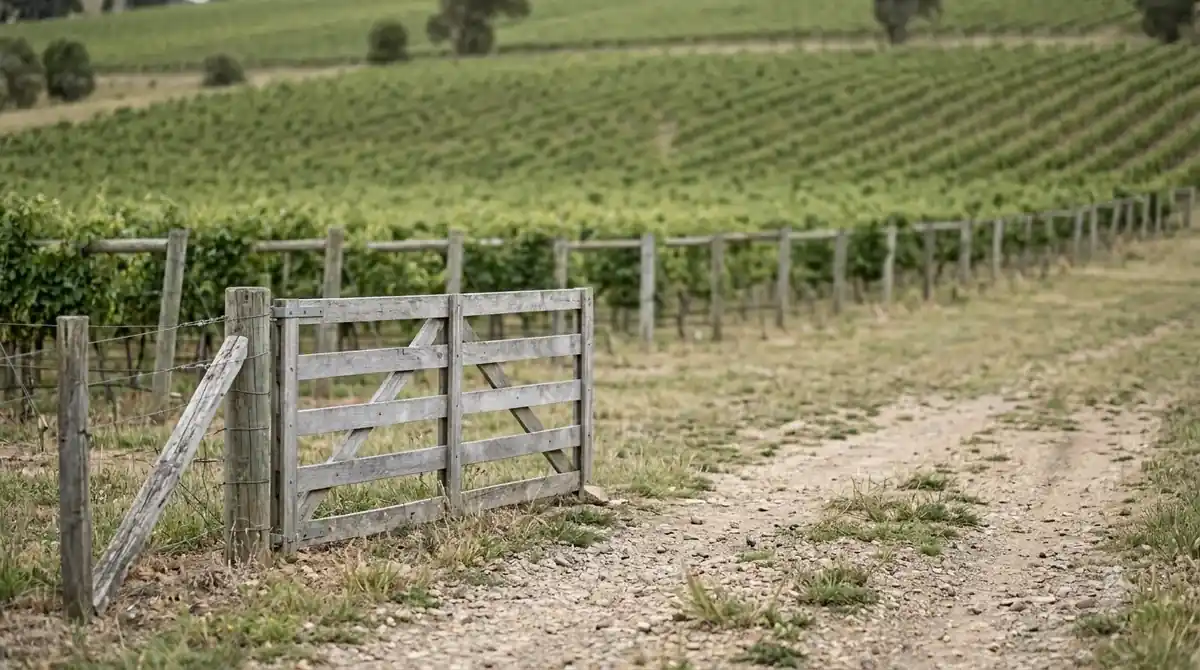
The sea has a particularly important influence on western vineyards. Adriatic breezes moderate daytime temperatures and help maintain airflow through the vines. Cooler air from the Alps also affects nighttime conditions, extending the growing season and helping grapes retain natural acidity. According to the Wine & Spirit Education Trust, annual rainfall reaches approximately 800 millimeters, with much of it falling during winter, spring and late autumn.
Summer drought is an important viticultural consideration. Warm, relatively dry growing conditions can support healthy grapes, but vineyards must manage water availability carefully. Elevation, soil depth, exposure and vineyard management influence how vines cope with these conditions.
Red Istria
Red Istria takes its name from terra rossa, a distinctive reddish soil rich in iron. This soil is particularly associated with areas closer to the coast. Its composition and water-retention characteristics can support red varieties such as Teran and Merlot, although white grapes are also grown successfully here.
Wines from red-soil vineyards can show substantial structure and concentration. The influence of the particular vineyard, grape variety and winemaking approach remains important, so terra rossa should not be treated as a guarantee of a particular flavor.
Grey Istria
Grey Istria is associated with flysch, a geological formation containing layers of sedimentary rock, clay and limestone. This soil is particularly important in central parts of the peninsula. White grape varieties thrive in suitable locations, producing wines with aromatic intensity, lively acidity and balanced body.
Grey Istria is an especially interesting area for Malvazija Istarska. The wines can show floral aromas, citrus character and a refreshing finish, although individual producers may create richer versions through different harvesting and cellar techniques.
White Istria
White Istria contains rockier soils with a higher limestone presence, particularly in elevated inland locations. These conditions can contribute to wines with pronounced acidity, elegant aromatic profiles and a more restrained impression of fruit.
These three soil categories provide a useful starting point for understanding Istrian wine. However, vineyard altitude, grape maturity, crop management and fermentation decisions also matter. Two Malvazija wines from different producers can therefore have substantially different personalities even when they originate from nearby locations.
Malvazija Istarska, Teran and Momjan Muscat
Three indigenous grapes are particularly important when exploring Istrian wines: Malvazija Istarska, Teran and Momjan Muscat. They represent different sides of the region, from aromatic white wines to structured reds and fragrant dessert styles.
Malvazija Istarska is the peninsula’s signature white grape. Also known as Istrian Malvasia, it should not be confused with every other grape carrying the Malvasia name. Decanter describes it as a variety probably originating in Istria and reports approximately 1,509 hectares of plantings. Its importance extends beyond Croatia into neighboring Slovenia and Italy.
Typical young Malvazija wines are dry, aromatic and refreshing, with floral notes and flavors that can suggest lemon peel, pear, honey and almond. Vinistra describes the variety as having a relatively full body, luxurious fruit character and a slightly bitter, nutty finish. Its combination of freshness and texture makes it particularly versatile with food.
Teran is the principal indigenous red grape. It naturally produces wines with pronounced acidity, substantial tannin and dark color. Depending on the vineyard and winemaking style, aromas can include sour cherry, blackberry, raspberry, wild herbs and earthy notes.
Decanter reports approximately 227 hectares of Teran vineyards. Although the grape has a long history, it experienced a decline in importance during the twentieth century as Malvazija expanded. Producers have increasingly worked to establish Teran as a distinctive regional red, particularly in suitable central Istrian locations around Motovun.
Teran can produce wines with considerable aging potential when vineyard conditions, grape maturity and winemaking are carefully managed. Its natural acidity provides freshness, while its tannins contribute structure. Younger examples are often lively and fruit-driven, whereas more ambitious bottlings can develop deeper savory and earthy characteristics.
Momjan Muscat offers another perspective. This aromatic variety comes from a special biotype of white Muscat cultivated around Momjan for centuries. It is associated with fragrant floral aromas and can be made in dry or sweet styles. The European Union recognized Momjan Muscat as a protected designation of origin in August 2021.
The following figures help illustrate the relative importance of the two leading varieties. They refer to vineyard area and production share, which are different measurements.
| Grape | Reported vineyard figure | Regional significance |
|---|---|---|
| Malvazija Istarska | Approximately 1,509 hectares | One of Croatia’s most important white grapes and Istria’s signature variety. |
| Teran | Approximately 227 hectares | Indigenous red grape associated with high acidity and firm tannins. |
| Malvazija Istarska | Almost 70% of Istrian wine production, according to Vinistra | The leading grape in the region’s wine identity. |
International varieties also contribute to Istrian wine production. Chardonnay, Sauvignon Blanc, Pinot Blanc, Pinot Gris, Merlot and Cabernet Sauvignon are among the grapes cultivated on the peninsula. They offer useful comparisons with the local varieties and demonstrate that Istrian producers are not limited to traditional styles.
Wine Styles and Notable Istrian Producers
Istrian wineries produce considerably more than straightforward young white and red wines. Malvazija can be fresh and crisp, barrel-aged and textured, sparkling, sweet or made with extended skin contact. Teran ranges from approachable fruit-driven bottles to concentrated reds intended for longer cellaring.
Young Malvazija is a particularly useful introduction. Fermented primarily in stainless steel, these wines typically emphasize fresh fruit and floral aromas. They can be served as aperitifs or alongside seafood, vegetable dishes and light Mediterranean meals. Some producers use oak or acacia wood to create additional texture and complexity.
Skin-contact Malvazija offers a different experience. Rather than separating the juice from the grape skins immediately, winemakers allow the two to remain in contact for an extended period. This can produce deeper color, more noticeable tannin, herbal aromas and a broader mouthfeel. These wines are sometimes described as orange wines and may appeal to drinkers who enjoy textured whites.
Teran is generally a dry red with pronounced freshness. Its acidity makes it particularly useful alongside rich regional foods. Depending on the style, it can be served relatively young or given additional bottle age to develop more complex aromas and softer tannins.
Several producers are frequently associated with Istria’s wine reputation. Kozlović is a recognized name in the Momjan area, particularly for Malvazija. Kabola is another established Momjan producer associated with traditional and contemporary winemaking approaches. Both offer useful reference points for understanding the area’s white wines.
Coronica and Cattunar are important names to investigate when exploring Teran and other regional varieties. Coronica is particularly associated with ambitious Teran bottlings, while Cattunar has a recognized presence in the northwestern Istrian wine landscape.
Roxanich, near Motovun, is known for its distinctive natural and skin-contact wine approach. Its wines provide an alternative to more conventional interpretations of Istrian varieties. Veralda, in the Buje-Brtonigla area, is another producer associated with Teran and indigenous grape varieties.
These wineries demonstrate that Istrian wine does not have one uniform style. Some focus on precision and fresh fruit, others on extended maturation, skin contact or traditional techniques. Exploring wines from different producers is often more revealing than selecting bottles based on grape variety alone.
Visiting Istria Vineyards and Planning a Wine Tour
The most rewarding way to explore Istrian wine country is to organize visits around a few neighboring villages rather than trying to cover the entire peninsula in one day. Momjan, Buje, Brtonigla, Grožnjan and Motovun provide excellent starting points for discovering different vineyard landscapes and wine styles.
Momjan is a strong choice for visitors interested in aromatic whites and Muscat wines. The area is associated with producers such as Kozlović and Kabola. A visit can provide insight into Malvazija production and the importance of Momjan Muscat to the local wine identity.
Buje and Brtonigla offer another useful concentration of wineries. This northwestern area is associated with Malvazija, Teran and several international varieties. It is also convenient for visitors staying near Umag or the western coastline.
Central Istria deserves a separate excursion. Motovun combines historic hilltop architecture with surrounding vineyards and is particularly interesting for visitors seeking Teran. Grožnjan and Oprtalj provide additional opportunities to explore the inland wine landscape and nearby family cellars.
For a first visit, planning two or three winery appointments in a single day is generally more practical than scheduling a long series of tastings. This allows sufficient time for conversations with producers, vineyard views and meals between visits. Smaller family wineries often operate by appointment, so contacting them in advance is advisable.
Choosing the best visiting season
Late spring through autumn is a convenient period for wine tourism. May and June generally offer attractive green landscapes and comfortable conditions for exploring vineyards. July and August are warmer and busier along the Adriatic coast, so visitors may prefer morning appointments for inland winery visits.
September and October are especially interesting because they overlap with the grape harvest. The exact harvest period varies according to grape variety, weather and vineyard location. Visits during this time can provide a closer look at grape selection, fermentation preparation and the work involved in producing a new vintage.
Autumn also offers an opportunity to combine wine tasting with the regional truffle season. The area around Motovun, Livade and Buzet is particularly associated with truffle hunting and seasonal dishes. October and November are especially attractive months for visitors interested in combining wine and local gastronomy.
Before setting out, confirm tasting availability, opening hours, appointment requirements and the number of wines included in a visit. Some wineries provide structured tasting experiences, while others may offer a more informal introduction to their wines. Transportation should also be planned in advance if several tastings are included in the itinerary.
Tip: Arrange appointments with smaller wineries before traveling, particularly during harvest season. Two or three carefully selected visits around Momjan, Buje or Motovun will generally provide a more useful introduction to Istrian wines than rushing between numerous cellars.
Food Pairings and Serving Istrian Wines
Istrian cuisine is closely connected to its wine culture. Seafood, fresh pasta, truffles, olive oil, cured meats and local cheeses all provide opportunities to explore the relationship between indigenous grapes and regional cooking.
Malvazija Istarska is one of the most versatile choices for traditional coastal food. Its aromatic freshness works particularly well with grilled fish, shellfish, shrimp, seafood risotto and lighter pasta dishes. Wines with more body or oak influence can also complement richer seafood preparations and roasted poultry.
Fresh oysters and other shellfish are especially suitable for crisp, high-acidity Malvazija. The wine’s citrus and floral character can provide a refreshing contrast to the natural salinity of the seafood. For dishes containing lemon, vinegar or other pronounced acidic ingredients, choose a wine with equal or greater acidity so that the food does not make the wine seem flat.
Teran is a natural companion for richer meat dishes. Its acidity and tannin can balance grilled beef, lamb, roasted pork, game and traditional cured meats. The grape’s dark berry flavors and herbal character also make it a good option for dishes featuring mushrooms or earthy sauces.
Istrian truffles deserve special attention. They are commonly served with handmade pasta, eggs, cheese and meat dishes. A textured Malvazija can complement delicate white-truffle preparations, while Teran can work particularly well with richer meat-based dishes that include black truffles.
Local olive oil and cheese provide additional pairing possibilities. A fresh Malvazija can accompany young cheeses and vegetable dishes, while a more mature white wine may suit aged cheeses and richer preparations. Teran can handle more substantial cheese dishes, especially when the food contains enough fat to soften the wine’s tannic impression.
Serving temperature makes a meaningful difference. Fresh Malvazija is generally best served around 45–50 F, while richer or fuller-bodied whites benefit from approximately 50–55 F. Teran can be served at 60–65 F for fuller-bodied expressions, although lighter versions may show better at 55–60 F.
Young, structured Teran can benefit from approximately 30–60 minutes of decanting when its tannins seem particularly firm. This can help open its aromas and make the wine more approachable. Older bottles should be handled more carefully because extended aeration may diminish delicate developed aromas.
Sweet Momjan Muscat deserves a different pairing approach. Its floral character and sweetness make it suitable for fruit-based desserts, pastries and traditional sweets. The wine should be at least as sweet as the dessert to prevent the fruit or sugar in the food from making it taste overly acidic or thin.
These pairings are starting points rather than strict rules. Preparation, sauces, seasoning and the wine’s individual structure all influence the final combination. For example, a lightly chilled Teran may suit a grilled meat dish, while a more concentrated bottle could work better with slow-cooked beef or game.
Frequently Asked Questions
Are Istrian wines available outside Croatia?
Yes, Istrian wines are exported to international markets, including the United States, although availability varies by producer and importer. Malvazija Istarska is generally the easiest regional specialty to search for, while smaller-production Teran and Momjan Muscat bottlings can be harder to find. Specialist wine retailers and Croatian wine importers are useful places to investigate.
Is Malvazija Istarska related to Italian Malvasia?
Malvazija Istarska is a distinct grape variety rather than simply another name for every Mediterranean grape called Malvasia. Decanter describes it as probably originating in Istria and notes that it is not related to other Malvasia varieties. Its identity is particularly associated with Croatian Istria, neighboring Slovenia and northeastern Italy.
Is Teran the same grape as Refošk?
Teran and Refošk are closely associated names in the northern Adriatic wine landscape, but they should not automatically be treated as interchangeable. Teran is the established name in Croatian Istria, while Refošk is commonly used in Slovenia. The precise relationship between these grapes has been a subject of ampelographic discussion.
Can Istrian vineyards produce sparkling wine?
Yes. Malvazija Istarska is used for sparkling wine as well as still white expressions. Producers can use different fermentation and maturation approaches to create sparkling styles with varying levels of freshness and complexity. These wines provide an interesting alternative to the region’s better-known still whites.
What is the difference between Momjan Muscat and ordinary Muscat?
Momjan Muscat is associated with a particular white Muscat biotype traditionally cultivated around Momjan. Its protected designation of origin identifies a specific geographical and production connection rather than referring to every wine made from Muscat grapes. The style can range from aromatic dry wines to sweeter dessert expressions.
Istria offers a rewarding combination of indigenous grapes, distinctive vineyard soils and Mediterranean food culture. Start with Malvazija Istarska and Teran, then explore Momjan Muscat and the region’s more experimental styles to understand the peninsula’s diversity. Whether choosing bottles at home or planning a Croatian wine trip, Istria provides a distinctive perspective on northern Adriatic winemaking.
For further exploration, compare Istria with Tasmania vineyards, where cool-climate conditions create a different style of wine, or discover Uruguay vineyards and their distinctive Atlantic-influenced wine regions. You can also explore Chianti Classico vineyards and browse our broader collection of Wine Regions.
For additional technical information about Istrian grapes and vineyard conditions, consult the Wine & Spirit Education Trust’s overview of Croatian Istria and the regional information published by Vinistra.
More in Wine Regions
 Willcox Wine Trail: Discover Arizona’s High-Elevation Wine CountryUpdated Nov 20, 2026
 Yakima Valley Wine Region: Find the Best Styles to TryUpdated Nov 20, 2026
 Vosne Romanee Wine Tasting: Identify Aromas and Choose Better PairingsUpdated Nov 20, 2026
 Yakima Valley Wine Festival: Find the Best Seasonal Wine EventsUpdated Nov 20, 2026
 Wales Vineyards: Discover Cool-Climate Wines and Where to VisitUpdated Nov 20, 2026
 Yountville Wine Festival: Discover Napa Wines and Local FoodUpdated Nov 20, 2026