

We may earn a commission when you buy through links on this page, at no extra cost to you. Learn more.
Istria wine is best known for fresh, aromatic Malvazija Istarska and deeply colored, high-acid Teran from Croatia’s Istrian peninsula. The region also produces Momjan Muscat, sparkling wines, skin-contact whites, and bottlings from international grapes such as Merlot and Chardonnay. Its mix of coastal influence, inland hills, and varied soils gives the same grape different expressions from one part of Istria to another.
Istria sits across the northern Adriatic, where Croatian wine culture meets Italian and Slovenian influences. A useful first tasting flight is simple: begin with a young Malvazija, compare it with an oak-aged or skin-contact version, then finish with Teran. That sequence introduces the region’s freshness, texture, and savory side without requiring specialist knowledge.
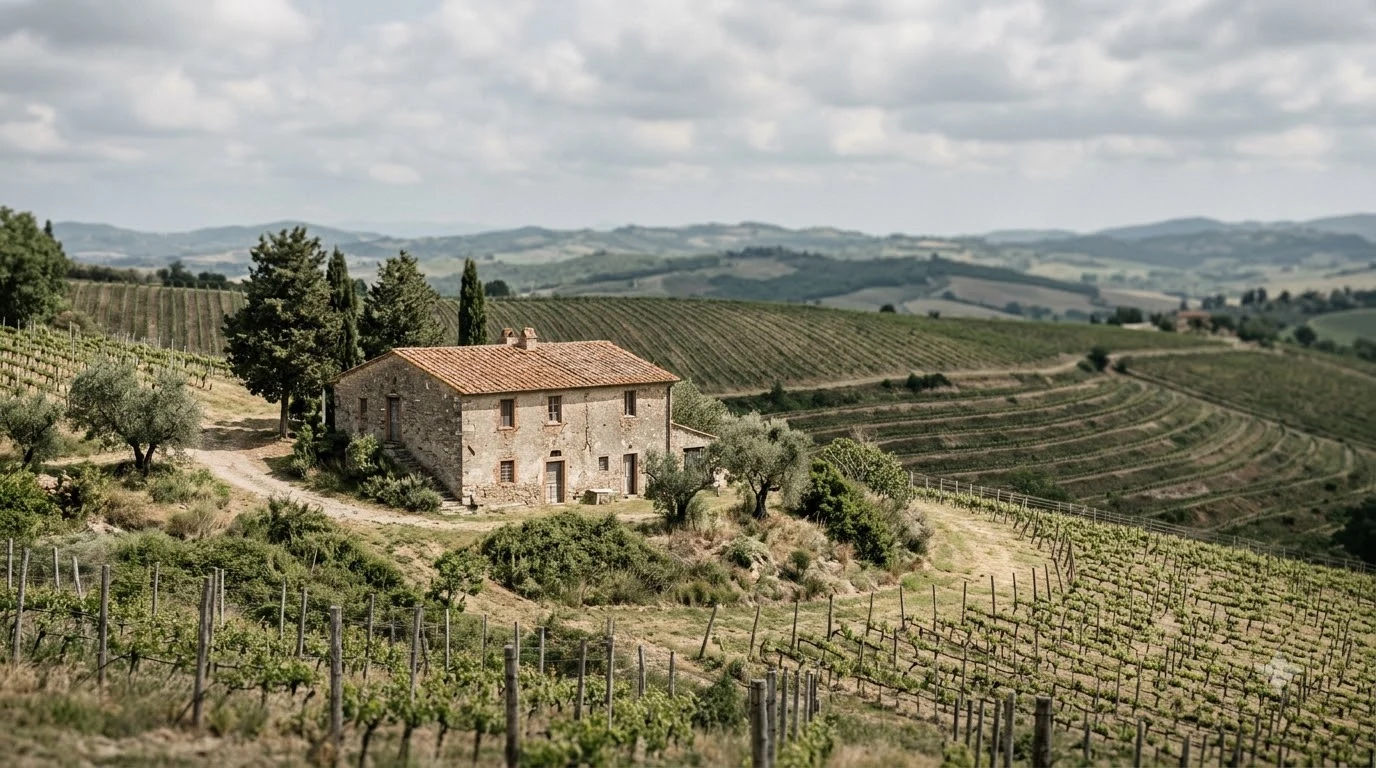
Istria’s Sea-Influenced Hills and Four Soil Types
Istria’s wines reflect a combination of Mediterranean weather, inland continental influence, the nearby Adriatic, and the higher ground of central Istria. Four major soil types—white marl or karst, red terra rossa, black sandstone, and gray sandstone over limestone—help explain why vineyards in different parts of the peninsula can produce noticeably different styles.

The coast tends to yield wines with generous fruit aromas, while inland vineyards are associated with livelier acidity, mineral character, and floral notes. This is a broad regional pattern rather than a fixed rule for every bottle: grape variety, vineyard exposure, harvest decisions, fermentation, and aging all shape the finished wine. Vinistra, Istria’s winegrowers’ and winemakers’ association, describes the contrast between coastal fruit and inland freshness in its overview of Istrian terroir.
Northwestern areas around Buje, Momjan, and Brtonigla are important places to look for Malvazija Istarska, as are vineyards near Poreč, Višnjan, and Vižinada. The interior around Motovun is especially associated with Teran. These place names are useful on a wine label or tasting list because they give you a starting point for comparing climate and soil rather than treating all Istrian wines as one uniform style.
Red terra rossa is a recognizable feature, but pale marl and limestone-based ground are also important. Compare Malvazija from Buje and Poreč: northern examples are often tighter and more mineral, while Poreština wines tend to feel rounder and more fruit-driven.
Malvazija Istarska: Fresh Whites and Aged Expressions
Malvazija Istarska is Istria’s signature white grape and the most useful bottle to seek out first. Its classic expression is dry, fresh, and moderately full, with green-apple fruit, acacia blossom, and a slightly bitter almond finish rather than pronounced oak sweetness.
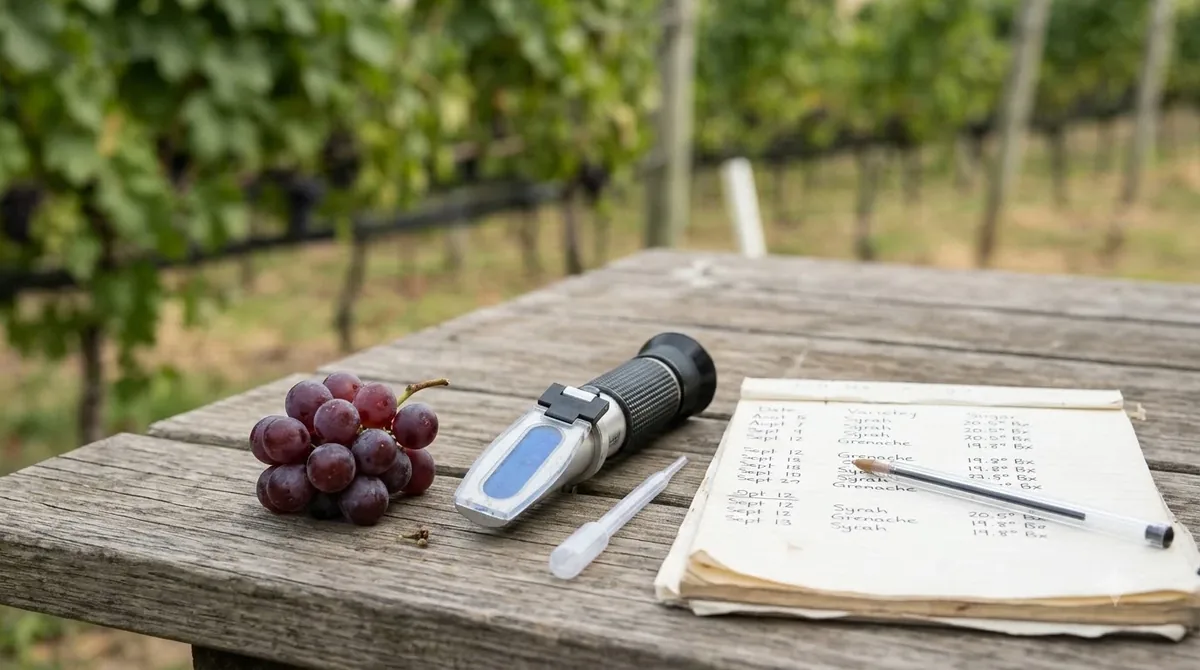
The name can be confusing because many Mediterranean grapes are called Malvasia. Malvazija Istarska is a distinct variety, not simply a generic version of every grape carrying the Malvasia name. Its identity is closely tied to the peninsula, although the grape is also grown in the Italian and Slovenian parts of Istria. For a concise overview of its aromas, regional names, and main styles, see Decanter’s profile of Istria’s signature grapes.
Most visitors first encounter the youthful style: the wine is fermented in stainless steel, bottled without lengthy oak aging, and released to preserve its direct fruit and floral character. Expect a clean, lively white with enough body for grilled fish, shellfish, or pasta, but not so much weight that it overwhelms delicate seafood. It is a natural order with scampi, mussels, and the local pasta fuži.
There is more to the grape than a fresh restaurant pour. Some producers ferment or mature Malvazija in oak or acacia, while others use skin contact to make amber-colored orange wine. These approaches add texture and savory notes, making them good choices for richer dishes or drinkers who prefer fuller whites. Sweet passito versions made from dried grapes are another expression, though dry wine is the usual style. Compare the winemaking method and place as well as the grape name: a stainless-steel Malvazija is a useful reference for an oak-aged or skin-contact bottling.
Teran: Istria’s High-Acid Red Grape
Teran is the red counterpart to Malvazija Istarska and one of the region’s most distinctive local varieties. It is known for deep color, brisk acidity, firm tannins, and dark berry flavors, with particularly notable examples coming from the hills around Motovun.
Decanter notes references to Teran from the 14th century and documentation in Istria in 1641. The grape once occupied a much larger share of local vineyards, but lost ground as Malvazija became more prominent. Regional growers have since worked to re-establish it as a flagship red.
In the glass, Teran commonly combines blackberry or bramble fruit with raspberry, fresh acidity, and a firm, sometimes rustic tannic edge. That structure makes it more vivid than a soft, plush red. The grape can produce generous crops, so careful vineyard management and suitable sites matter; the best-known examples from the Motovun area can balance concentrated fruit with enough freshness to work at the table.
Teran’s acidity is an asset with food: it cuts through roast pork, lamb, game, and cured meats, while tannins work well with protein and fat. Try it with Istrian pršut or grilled sausages rather than delicate white fish. Bottle age can soften firm edges and bring out savory notes. Merlot, Cabernet Sauvignon, and Refošk are also grown locally, but Teran gives the clearest sense of the peninsula’s indigenous red-wine identity.
Momjan Muscat and Other Grapes to Explore
Momjan Muscat adds a fragrant, often sweet dimension to Istrian wine. It is traditionally associated with dessert wines from the hills around Momjan, but local growers have also explored dry versions, giving visitors an alternative to Malvazija when they want an aromatic white with a different profile.
Vinistra identifies Momjan Muscat as a local selection of Muscat à Petits Grains and describes its traditional role in sweet dessert wine. In a sweet bottling, expect a pronounced floral and grapey aroma that suits fruit desserts, almond pastries, or blue cheese. The dry style can work as an aperitif or with dishes that welcome aromatic lift, though the sweetness level should always guide the pairing.
International varieties broaden the region’s choices. Merlot, Cabernet Sauvignon, Chardonnay, Sauvignon Blanc, and Pinot varieties appear alongside the local grapes. They can be useful reference points for people who already know Bordeaux-style reds or familiar white-wine profiles, but Istrian examples still reflect local growing conditions and the producer’s decisions in the cellar.
For a broader tasting, add a sparkling Malvazija, a skin-contact white, or a blend to the flight. Istrian winemakers work with fermentation, maceration, barrel aging, and blends to create a range of styles. That experimentation means the region should not be reduced to one crisp white and one rustic red: the signature grapes are the starting point, not the entire list.
Istrian Wine Labels, Quality Marks, and Producers
A helpful label-reading strategy is to start with the grape, then check the village or subregion, and finally look for a quality designation. Istria’s local quality system includes the IQ mark, short for Istrian Quality, and approved regional denominations for Western, Central, and Eastern Istria.
The IQ mark is a useful clue that a wine has entered a regional quality framework, but it does not tell you whether the bottle is light, full-bodied, fresh, oaked, or sweet. Use the grape and producer information to predict the style. For example, a young Malvazija will usually be more direct and crisp than a skin-contact Malvazija, while Teran is generally the more structured red choice.
Vinistra is the regional association for winegrowers and winemakers and organizes a prominent annual wine exhibition in Poreč. Its awards and tastings put local and international varieties side by side, offering a way to see how producers interpret the same grape. Results can point curious drinkers toward producers to explore, but personal preference still matters more than a medal when choosing a bottle for dinner.
The region includes small family cellars and larger wineries, from northwestern wine villages to the coast and central hills. Focus on a cluster of villages rather than trying to cover the peninsula in one day. The pages on the Istria wine region and Istria vineyards can help organize a route before comparing producers.
Food Pairings, Serving Temperatures, and Buying Tips
Istrian wines are especially practical at the table because the main grapes offer clear pairing cues. Fresh Malvazija suits seafood and lighter dishes, Teran’s acidity and tannin complement rich meat, and sweet Momjan Muscat belongs with desserts or salty cheeses.
For young Malvazija, think grilled sea bass, prawns, mussels, or pasta with seafood. Its freshness also works with fuži and truffles when the sauce is not too rich. A fuller oak-aged Malvazija can handle roast chicken or creamy pasta, while skin-contact versions suit mushrooms, aged cheeses, and herb-forward plates. Teran is best matched with pršut, grilled pork, lamb, game, or slow-cooked local beef: salt and fat soften its tannin, while acidity refreshes the palate. Avoid pairing a strongly tannic Teran with oily fish, where the combination can taste harsh.
Momjan Muscat is an easy match for fruit tarts, almond cakes, dried fruit, and blue cheese. Keep the basic dessert rule in mind: the wine should be at least as sweet as the food. A dry Muscat is better treated as an aromatic white than as a dessert wine, so pair it with savory dishes or serve it before the meal.
Temperature changes how a wine feels. Serve light whites and rosé around 45–50°F, fuller whites around 50–55°F, light reds around 55–60°F, full reds around 60–65°F, and sweet whites around 43–50°F. Young Malvazija benefits from a chill; oak-aged versions can be served a little warmer. Teran should not be served warm simply because it is red.
| Style | Serving temperature | Food match | What to expect |
|---|---|---|---|
| Young Malvazija | 45–50°F | Sea bass, prawns, mussels | Fresh apple, floral notes, crisp finish |
| Oak-aged Malvazija | 50–55°F | Roast chicken, creamy pasta | Broader texture and deeper savory notes |
| Teran | 60–65°F | Pršut, lamb, grilled pork | Dark berry fruit, high acidity, firm tannin |
| Momjan Muscat, sweet | 43–50°F | Almond cake, fruit tart, blue cheese | Fragrant aromatics and dessert-level sweetness |
When buying, choose a style for the occasion rather than assuming every bottle from Istria tastes alike. A simple steel-fermented Malvazija is a strong introduction; an aged or skin-contact version makes a more distinctive comparison; and Teran is the bottle to seek for a regional red. If a retailer or restaurant can describe the wine’s production method, that information is often more useful than broad tasting adjectives.
Tip: For a first Istrian tasting, pour three small samples in this order: young Malvazija, aged or skin-contact Malvazija, then Teran. Use a 5-ounce pour for a full glass, and keep the reds slightly cool rather than serving them at a warm room temperature.
For a visit, choose a few wineries in one area and allow time between appointments. Smaller cellars may receive guests by arrangement, and a planned tasting is more useful than arriving at several estates without checking their visiting hours. A visit focused on Buje and Momjan emphasizes Malvazija and Muscat; one around Motovun gives more context for Teran. More planning ideas are available in this overview of Istria wine tasting.
Frequently Asked Questions
These answers explain regional terms and travel details, including the relationship with Kvarner, the timing of May’s Vinistra fair, and the autumn overlap between wine harvest and truffle season.
Is Istria a separate wine region from Kvarner?
Croatia’s national wine map groups Istria and Kvarner as one of the country’s four broad wine regions. The wider area extends beyond the peninsula to the Rijeka area and islands including Krk, Cres, Rab, Lošinj, and Pag. Žlahtina, especially from Vrbnik on Krk, is the best-known Kvarner grape.
Should you book winery tastings in advance?
Smaller family wineries generally recommend booking ahead, while larger producers such as Kozlović, Trapan, and Vina Laguna often welcome walk-in visitors. Availability can change with the season, so a walk-in is not guaranteed. Contacting a cellar before setting out is the safest way to protect a planned tasting stop.
How far back does winemaking in Istria go?
Wine production in Istria and the neighboring Kvarner area dates back to antiquity, according to Croatia’s national tourism authority. The region’s history is therefore much older than its modern reputation for boutique cellars and quality-marked wines. No single founding date is given for the start of local viticulture.
When is the Vinistra wine fair held?
The annual Vinistra wine fair is traditionally held in Poreč in May. It brings together regional producers and offers visitors a way to compare a broad selection of Istrian wines in one location. Check the organizer’s calendar for the exact dates before planning a trip.
Can a wine trip in Istria overlap with truffle season?
Yes. The wine harvest is especially active in September and October, while the truffle season generally runs from September to December and peaks in October and November. The area around Motovun, Livade, and Buzet is known as Istria’s truffle triangle, making it practical to combine cellar visits with a truffle-focused outing.
Istria is a rewarding region to explore through contrast: fresh Malvazija beside an aged version, or a savory Teran beside a fragrant Momjan Muscat. Start with the local grapes, use village names and winemaking details to narrow your choice, and pair the bottle with the region’s seafood, cured meats, and seasonal dishes.
More in Wine Regions
 Willcox Wine Trail: Discover Arizona’s High-Elevation Wine CountryUpdated Nov 20, 2026
 Yakima Valley Wine Region: Find the Best Styles to TryUpdated Nov 20, 2026
 Vosne Romanee Wine Tasting: Identify Aromas and Choose Better PairingsUpdated Nov 20, 2026
 Yakima Valley Wine Festival: Find the Best Seasonal Wine EventsUpdated Nov 20, 2026
 Wales Vineyards: Discover Cool-Climate Wines and Where to VisitUpdated Nov 20, 2026
 Yountville Wine Festival: Discover Napa Wines and Local FoodUpdated Nov 20, 2026