

We may earn a commission when you buy through links on this page, at no extra cost to you. Learn more.
Sauternes food pairing works best with rich, salty, or gently spiced dishes, as well as fruit-forward desserts that let the wine’s sweetness and acidity stay in balance. The classic partners are foie gras and blue cheese, but chilled Sauternes can also accompany roast poultry, shellfish, aromatic Asian dishes, and tarts made with apricots or apples. The key is to match the wine’s intensity while using salt, freshness, and texture to keep each bite lively.
Sauternes comes from a small area south of Bordeaux and is known for its golden color, honeyed fruit, and bright balancing acidity. Its reputation as a dessert wine is deserved, but treating it only as a final-course pour misses some of its most appealing food matches. From a salty starter to a cheese course, the right dish can make the wine feel fresher and more layered.
What Makes Sauternes Work at the Table
Sauternes is a sweet white wine with enough acidity and aromatic concentration to meet food with strong flavors. Its sweetness softens salty and savory ingredients, while its freshness keeps rich dishes from feeling too heavy.
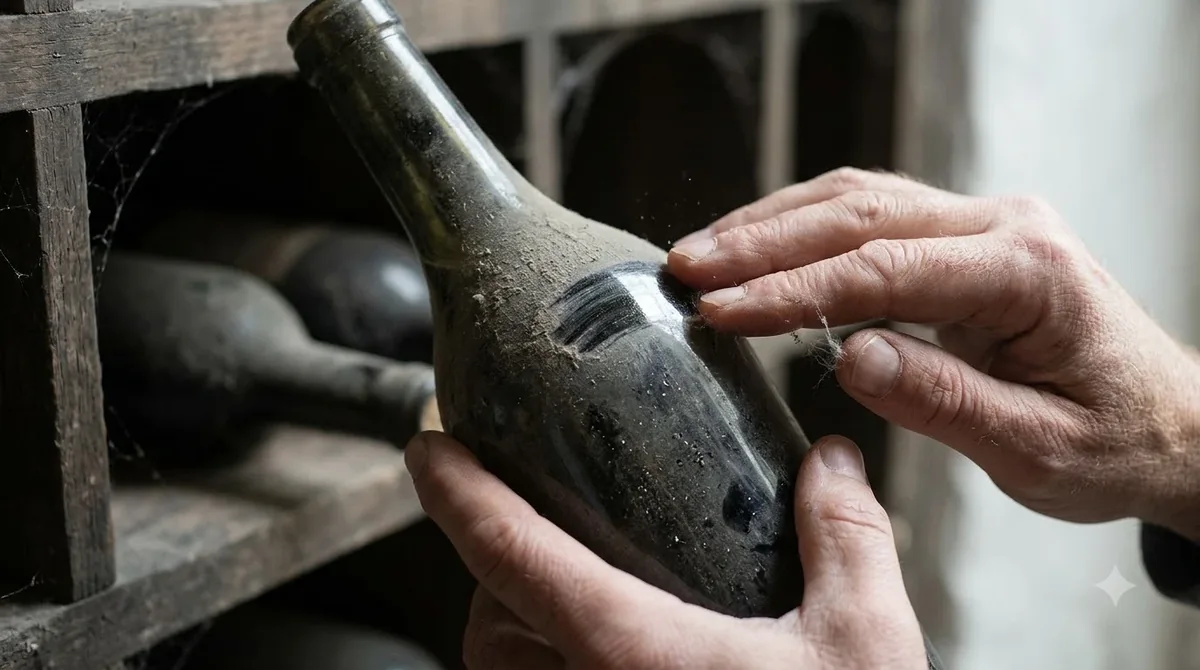
The appellation lies about 25 miles southeast of Bordeaux, across five communes: Sauternes, Barsac, Bommes, Fargues, and Preignac. France’s INAO appellation profile explains how cool, humid nights around the Ciron River alternate with warmer autumn days. These conditions encourage Botrytis cinerea, or noble rot, which shrivels grapes and concentrates sugar and flavor. Harvesters select the affected fruit by hand in successive passes.
Sémillon is the traditional backbone, joined by Sauvignon Blanc and Muscadelle. Younger examples often show flowers and fresh fruit; with age, aromas can shift toward candied citrus, honey, dried fruit, and spice. Château Suduiraut’s tasting and pairing notes describe pineapple, mango, apricot, candied lemon, bitter orange, saffron, beeswax, and cinnamon. That range helps explain the wine’s affinity with stone fruit, warm spices, salty cheese, and cured meat.
Build the menu around sweetness, acidity, richness, and intensity. Wine should be at least as sweet as dessert; acidic dishes need equal or greater acidity, while salt and fat can soften richness. Strong vinegar, sharp lemon, bitter char, and very hot chili can overwhelm a delicate bottle. The principles in this Wine Pairing overview explain how contrast and flavor affinity work together: Sauternes can offset salt or echo peach, apricot, orange, and apple without making every dish taste sweet.
Foie Gras, Pâté, and Salty Starters
Foie gras is the famous Sauternes match because the wine’s sweetness and acidity meet the dish’s rich texture and savory depth. Other salty starters, including pâté, duck rillettes, and cured ham, can deliver much of the same balance with less ceremony.
Serve foie gras chilled or lightly seared, with restrained accompaniments. A small portion with toasted brioche, a few grapes, or thin slices of apple gives the wine enough richness to meet without turning the first course into a contest of sweetness. Avoid piling on fruit chutney or a very sweet glaze; the wine already supplies substantial sugar. A touch of salt and a clean, slightly bitter green garnish can sharpen the contrast.
Pâté, duck rillettes, and cured ham are useful alternatives for a casual board. Their savory seasoning and fat soften the wine’s sweetness; crisp toast supplies a dry counterpoint. Pair ham with melon or a little fresh fruit rather than a thick, sugary preserve. A 2- to 3-ounce pour is usually enough beside a rich starter, and a 375-milliliter half bottle provides four to six modest servings.
Tip: With foie gras or pâté, keep the garnish less sweet than the wine. Fresh apple, lightly toasted brioche, or a few grapes are usually more balanced than a thick layer of fruit jam.
Blue Cheese and Other Cheese Pairings
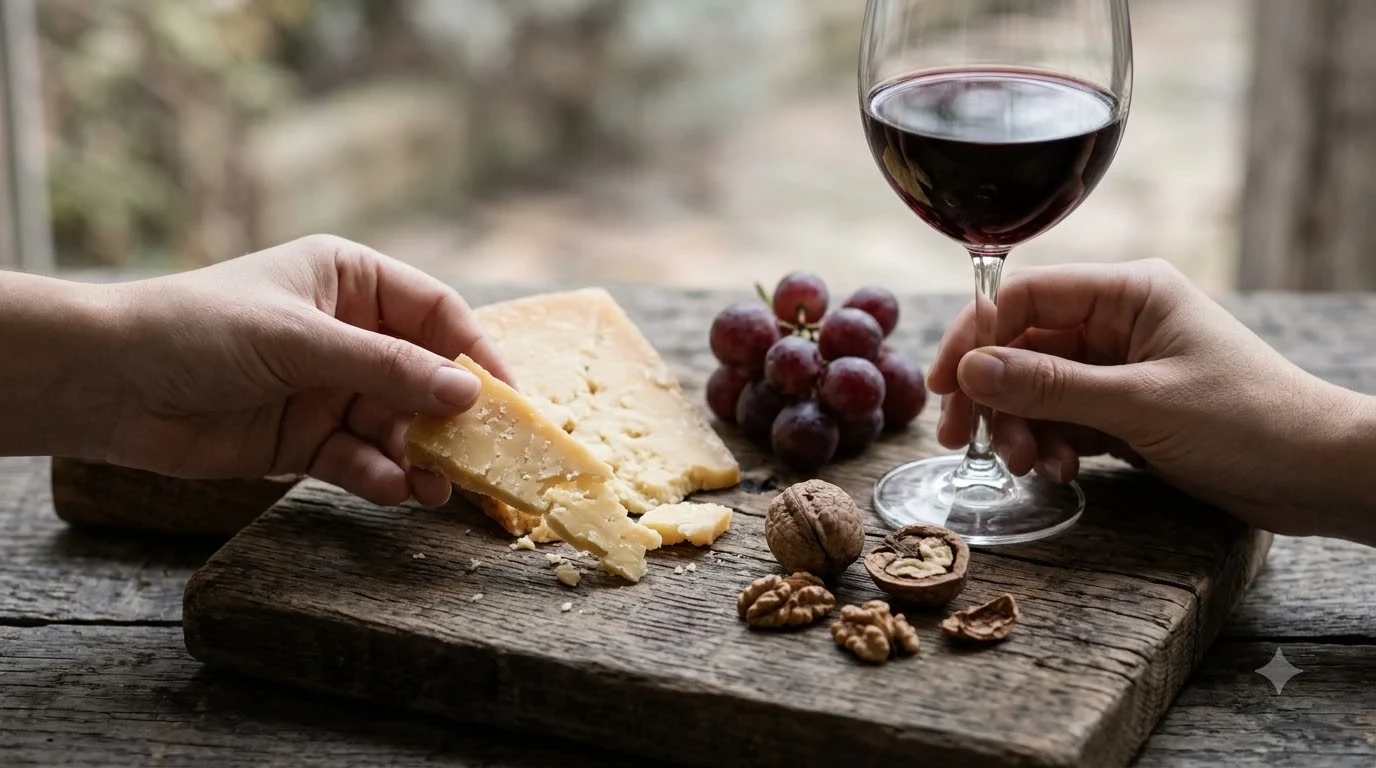
Blue cheese is one of the most reliable partners for Sauternes because salt, fat, and intense flavor balance the wine’s sweetness. Start with Roquefort or Stilton, then explore creamy, washed-rind, and aged cheeses in smaller portions.
Roquefort is a classic French choice: its salty, piquant character gives the honeyed wine something savory to answer. English Stilton offers a similarly assertive profile, while other blue cheeses can work if they have enough salt and flavor to stand up to the wine. Set out small wedges rather than thick slabs, and serve plain crackers or a neutral baguette so the cheese remains the focus.
Soft, rich cheeses can also be successful, although the details matter. A ripe triple-cream cheese or a buttery Brie has the fat to meet Sauternes, but a very mild version may be overwhelmed by a concentrated, older bottle. Choose a cheese with a developed rind and good savory character, then pair it with a modest amount of wine. Fourme d’Ambert is another option, with a gentler blue profile than Roquefort.
Harder cheeses broaden the choices. Comté, Beaufort, and Ossau-Iraty offer nutty, savory flavors that can connect with mature wine aromas, while a little salt reinforces the sweet-salty contrast. For a mixed board, include blue cheese, one ripe soft cheese, and a firmer cheese with plain bread. Skip honeycomb and candied nuts, which can make the combination excessively sweet. Taste each cheese first without a sweet condiment, then with the wine. If a mild Brie seems overwhelmed, move to a saltier blue cheese rather than adding jam; the added salt can make the wine’s sweetness feel more balanced.
Seafood, Poultry, and Main Courses
Sauternes can accompany main courses when the recipe has richness, gentle sweetness, or aromatic seasoning rather than sharp acidity. Roast turkey, duck with fruit, lobster with ginger, and prawns in a mild Thai-style sauce are practical starting points.
For poultry, browned skin and savory pan juices give the wine enough flavor to meet. Roast turkey with morel mushrooms adds earthy depth; duck with peach or orange echoes its fruit, and roast chicken works with a restrained glaze. Shellfish needs more care because delicate fish can disappear beside a concentrated sweet wine. Lobster with ginger and prawns in a mild Thai-style sauce have enough texture and aromatic seasoning to hold their own. The sauce matters as much as the seafood: ginger butter or a restrained coconut sauce can bridge the wine’s richness, while a heavy squeeze of lemon may make it seem too sweet.
For oysters, plain steamed fish, or ceviche, a dry, high-acid white is usually more natural. An Albariño food pairing is a better direction for saline seafood and citrus-driven preparations. Tomato-heavy sauces and sharp marinades also tend to make sweet wine feel clumsy; for tomato-rich meals, the bright acidity discussed in this Barbera food pairing guide may be more useful.
Spicy, Salty, and Unexpected Matches
Salt-forward foods can make Sauternes feel surprisingly refreshing, and gentle spice can connect with its ginger, saffron, and citrus notes. The best experiments use savory seasoning and moderate heat; very hot chili can make the wine’s alcohol and sweetness feel heavier.
For an informal tasting, try Sauternes with salted potato chips, French fries, popcorn, or pretzels. Their salt and crisp texture keep the combination lively. The International Wine & Food Society has also suggested pulled pork, Peking duck, pizza, and a ham sandwich. Choose savory or gently smoky pulled pork, duck with crisp skin, or pizza topped with ham and roasted onion; avoid very sweet barbecue sauce and hot peppers.
Indian and Southeast Asian dishes are possible matches when the heat is controlled. Mild curry with chicken, ginger-seasoned prawns, and dishes scented with saffron or aromatic spices can mirror the wine’s warm fragrance. Keep chile levels moderate and avoid a heavily salted, very hot sauce. Chili heat is amplified by alcohol and tannin; although Sauternes is a white wine with no red-wine tannin structure, its alcohol can still make very spicy food feel hotter.
Test an unfamiliar match with a sip of wine followed by a small bite. If the finish turns harsh or hot, reduce the chili, add a salty or creamy element, or choose a less concentrated wine. Broad labels such as “Asian food” and “barbecue” are less useful than the recipe’s actual levels of sugar, acidity, smoke, and spice.
Desserts, Fruit, and Sweet Finishes
Fruit desserts are usually the easiest sweet matches for Sauternes because their flavors echo the wine without adding excessive sugar. Choose apricot, peach, apple, citrus, or pineapple desserts, and make sure the wine is at least as sweet as the finished dish.
Apricot tart is a natural choice: the fruit echoes common Sauternes aromas, while pastry adds richness and texture. Apple pie and tarte Tatin work when cinnamon and caramel are restrained; peach tart, poached pear, and fresh apricots are simpler options. Lemon tart needs more care because a very sour filling can overwhelm a softer bottle. Candied orange, marinated oranges, or caramelized pineapple keep the citrus aroma without relying on severe acidity.
Crème brûlée and cheesecake work when their sweetness is controlled: choose plain cheesecake with berries or custard with a thin caramelized top. Almond and walnut pastries can echo the wine’s nutty aromas. Chocolate is less dependable; milk chocolate may overwhelm Sauternes, while bitter dark chocolate can make its finish seem harsh.
| Dish | Why It Works | Serving Approach |
|---|---|---|
| Foie gras or pâté | Fat and savory depth balance sweetness | 2–3 oz pour; serve with apple or plain toast |
| Roquefort or Stilton | Salt and strong flavor meet honeyed fruit | Small wedge; neutral bread |
| Lobster with ginger | Rich shellfish and aromatic spice match the wine’s texture | Use a light sauce; avoid heavy chili |
| Roast duck with peach | Browned meat and stone fruit echo the wine | Keep the fruit glaze restrained |
| Apricot tart | Fruit flavors mirror common Sauternes aromas | Wine should be at least as sweet as tart |
| Serving temperature | Chilling preserves freshness without muting aroma | 45–50°F (7–10°C) |
| Apple pie or tarte Tatin | Apple, pastry, and caramel complement the wine | Serve modest slices, not extra-sweet toppings |
Serving Temperature, Glassware, and Menu Planning
Serve Sauternes chilled but not ice-cold so its floral, fruit, and spice aromas remain clear. A practical starting point is 45–50°F, with a smaller pour than a dry table wine when the wine accompanies a rich starter or dessert.
Château Suduiraut recommends serving Sauternes around 10°C, or 50°F, and older examples up to 14°C. For a typical bottle, 45–50°F keeps the wine fresh while allowing aromas to open in the glass. Use a small white-wine or tulip-shaped glass, and pour 2–3 ounces rather than a full 5-ounce serving; a smaller pour suits the wine’s concentration and leaves room for food.
Plan by weight: a lighter, younger bottle suits salty ham, poultry, or ginger-seasoned shellfish, while a richer or older example can meet Roquefort, duck, or almond cake. There is no need to serve Sauternes with every course. Re-cork an opened bottle and refrigerate it; a half bottle is convenient for a cheese course, while a 750-milliliter bottle can supply several small pours across a meal.
Frequently Asked Questions
These quick answers cover the appellation, service, and storage details that help put Sauternes pairings into context.
When was the Sauternes appellation recognized?
The Sauternes appellation was recognized in 1936. Its production area is legally delimited, and the INAO states that grape harvesting, winemaking, and aging all take place within that defined territory. This protection ties the name to a specific place and production framework rather than to sweetness alone.
Can a wine from Barsac be labeled Sauternes?
Yes. Barsac is its own appellation, but producers in the commune can choose the Barsac or Sauternes designation. The two appellations share production rules, although Barsac has its own local terroir and wine identity.
Can Sauternes be served as an aperitif?
Yes. France’s INAO includes aperitif service among the traditional ways to enjoy Sauternes, not only dessert or foie gras. A small pour before dinner is best with a savory bite rather than a sweet appetizer.
How should an unopened bottle be stored?
Store a cork-sealed bottle on its side in a dark place with a stable temperature near 55°F. Avoid heat, direct light, and repeated temperature swings, all of which can hasten unwanted changes during storage. Bring the bottle to serving temperature shortly before opening.
Why can Sauternes be relatively rare?
The noble-rot conditions needed for Sauternes are weather-dependent, and the affected grapes do not ripen or shrivel uniformly. Growers may need several selective passes through the vineyard, leaving some fruit unpicked when it does not reach the desired condition. The 1855 Grands Crus Council describes the region’s yields as exceptionally low because of this demanding microclimate and harvest process.
Sauternes is more flexible at the table than its dessert-wine reputation suggests. Begin with foie gras or blue cheese, explore poultry and ginger-seasoned shellfish, and finish with fruit or nut desserts that do not exceed the wine’s sweetness. With a chilled serving temperature and measured pours, its balance of sweetness, freshness, and layered aromas can carry a meal well beyond the cheese course.
More in Food & Wine Pairing
 Risotto With White Wine Recipe: Make a Creamy Dinner at HomeUpdated Nov 20, 2026
 Wassail With Wine Recipe for a Festive Spiced Holiday DrinkUpdated Nov 20, 2026
 Spritz Veneziano Recipe: Make a Classic Venetian Aperitivo at HomeUpdated Nov 20, 2026
 Summer Wine Punch Recipe for Easy Homemade EntertainingUpdated Nov 20, 2026
 Bishop Recipe: How to Make a Bright, Citrus-Forward Red Wine CocktailUpdated Nov 20, 2026
 Wine Cupcakes Recipe: Bake Rich Chocolate Cupcakes at HomeUpdated Nov 20, 2026