

We may earn a commission when you buy through links on this page, at no extra cost to you. Learn more.
The best answer to what wine goes with coq au vin is a red Burgundy Pinot Noir, with Cru Beaujolais or a balanced Rhône red as strong alternatives. The dish’s red-wine sauce, mushrooms, bacon, and slow-braised chicken call for a dry red with lively acidity, moderate body, and restrained tannin. Choose a bottle with enough savory character to echo the sauce without overwhelming the chicken.
Coq au vin is often described as a rustic French chicken stew, but its long-cooked sauce gives it the depth of a meat braise. That is why a light, structured red usually works better than either a simple white wine or a heavily oaked, high-tannin red. The best bottle depends on the recipe, the sauce’s intensity, and whether you want to echo Burgundy tradition or take a slightly different regional route. Think of the sauce as the main pairing partner; the chicken itself is comparatively mild.
What Wine Goes With Coq Au Vin? Red Burgundy Is the Classic Match
Red Burgundy made from Pinot Noir is the traditional first choice for classic coq au vin. Its bright acidity refreshes the palate after bacon and butter, while its red-fruit and earthy notes connect naturally with mushrooms, herbs, and the wine-based sauce.
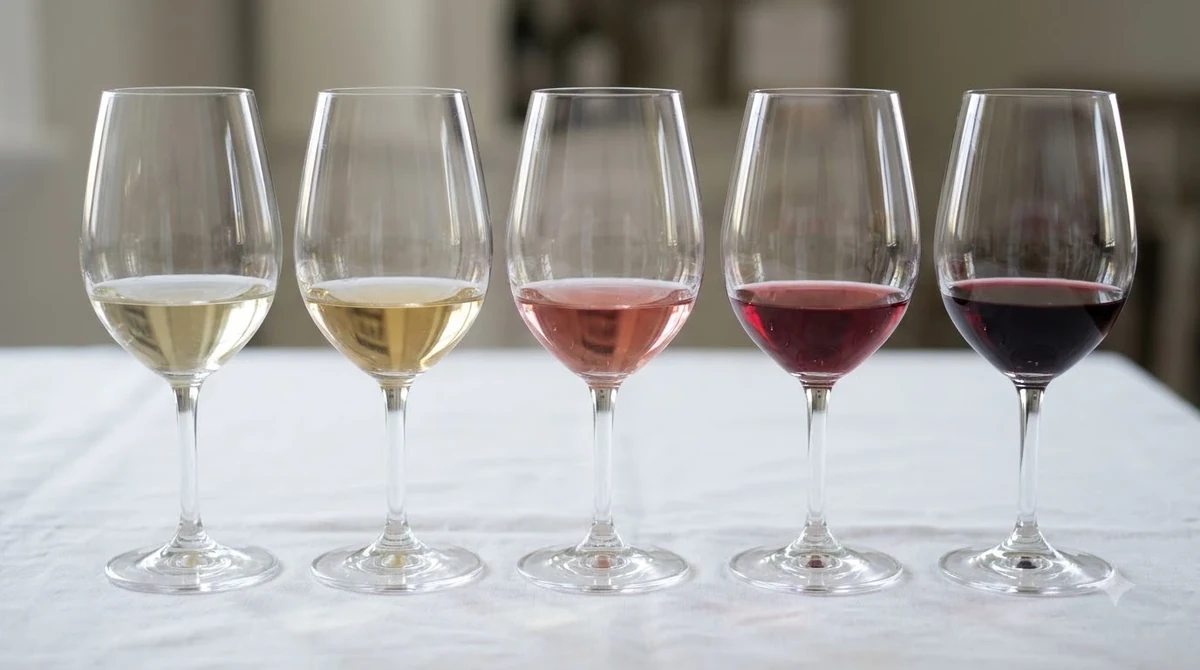
For a specific style, look for village-level Burgundy from the Côte de Nuits, including Gevrey-Chambertin or Nuits-Saint-Georges. These are Pinot Noir wines with enough structure for a slow braise, but they generally avoid the forceful tannins and dense extraction that can make a pairing feel heavy. A Côte de Beaune Pinot Noir can also work, especially if the recipe has a little less bacon or a lighter sauce. The goal is balance, not the most powerful bottle on the shelf. A wine with brisk acidity also helps the sauce taste lively after reduction, while moderate tannin keeps the pairing from feeling drying as the meal progresses.
Coq au vin is closely associated with Burgundy, where Pinot Noir is the defining red grape. The Trésors de Côte d’Or guide to coq au vin identifies village appellations such as Gevrey-Chambertin and Nuits-Saint-Georges as suitable choices, while advising cooks to keep highly prized grand cru bottles for the glass rather than the pot. Long cooking can strip away the subtle detail that makes a rare wine special.
At the table, serve the same general style you used in the braise. A similar dry Pinot Noir keeps the flavors continuous from sauce to glass. The Wine Enthusiast coq au vin recipe follows the classic route with red Burgundy, while allowing another dry red as a workable alternative. The recipe combines chicken, bacon, mushrooms, pearl onions, carrots, and a day-long wine marinade.
Why Pinot Noir Works With the Sauce, Chicken, and Mushrooms
Pinot Noir suits coq au vin because it balances acidity, savory flavor, and gentle tannin instead of relying on sheer weight. Its high acidity is especially useful beside a sauce that contains reduced red wine, and its low-to-medium tannin is less likely to fight with the chicken or make the bacon taste harsher.
Chicken is relatively delicate, but it is not the only flavor on the plate: bacon adds smoke and salt, mushrooms bring earthy depth, pearl onions contribute sweetness, and the sauce concentrates wine, stock, and aromatics. A very light red can disappear next to that combination, while a forceful Cabernet Sauvignon can dominate it. Pinot Noir sits between those extremes, with enough freshness to keep each bite lively. Red cherry, cranberry, forest floor, and sometimes mushroom notes can echo the browned vegetables and herbs in the stew. The wine’s acidity also refreshes the palate after spoonfuls of glossy sauce, particularly when the dish is served with buttered noodles or potatoes. Mushrooms add savory depth, so a heavily extracted wine with firm tannin can taste more severe beside them; Pinot Noir’s gentler structure keeps the flavors in proportion.
Tannin deserves attention because recipes often include bacon. Salt and fat soften tannin, but an excessively firm red can still feel drying beside tender poultry and a savory sauce. Pinot Noir’s gentler grip gives the pairing structure without turning every sip into a contest with the food. For the same reason, choose a Burgundy with freshness and moderate oak rather than a very extracted style with obvious new-oak flavor.
Pinot Noir varies by climate. Burgundy, Oregon, and Sonoma Coast examples often emphasize acidity and red fruit, while warmer-climate wines can taste riper and fuller. Favor freshness over jammy fruit or pronounced alcohol.
Best Red Wine Alternatives: Beaujolais, Rhône, and Cabernet Franc
Several dry reds can stand in for Burgundy when they have good acidity, moderate tannin, and enough flavor to meet the braise. Cru Beaujolais is the closest change of pace, while a restrained Côtes du Rhône or Loire Cabernet Franc can suit richer or more herb-driven versions.
Use the serving temperatures below as a practical starting point; light reds are generally served at 55–60°F and fuller reds at 60–65°F.
| Wine style | Typical profile | Serving temperature | Best use |
|---|---|---|---|
| Burgundy Pinot Noir | High acidity; low-medium tannin | 55–60°F | Classic red-wine braise |
| Cru Beaujolais Gamay | Fresh acidity; lighter tannin | 55–60°F | Juicy, less-heavy pairing |
| Fuller Côtes du Rhône | Riper fruit; more body | 60–65°F | Concentrated sauce with bacon |
Cru Beaujolais: Beaujolais is made primarily from Gamay, which produces bright, juicy reds with lively acidity and relatively modest tannin. Look for Morgon, Moulin-à-Vent, Fleurie, or Brouilly. Morgon and Moulin-à-Vent often have more structure for a deeply reduced sauce, while Fleurie suits a lighter chicken-based version. Cabernet Franc: Loire Valley Cabernet Franc is useful when the recipe leans toward herbs, carrots, and a lighter sauce. Its savory herbal character can mirror thyme and parsley; avoid very green examples that might exaggerate bitter notes.
Côtes du Rhône: A young, fruit-forward red from the southern Rhône can work with generous bacon, deeply browned mushrooms, or a concentrated sauce. Grenache-led blends bring ripe red and black fruit with savory spice; Syrah adds pepper and darker fruit, but may carry medium-plus to high tannin, so choose a balanced blend. Merlot, with softer tannin, suits guests who find Pinot Noir too delicate. Wine Spectator’s Daniel Boulud coq au vin recipe recommends an old-school Châteauneuf-du-Pape as a pairing and a similar Côtes du Rhône for cooking. These alternatives are not interchangeable: a Rhône red has more weight for a glossy, reduced sauce, while Cru Beaujolais suits a version where the chicken remains central. Consider the finished sauce, not just the poultry.
Match the Bottle to the Recipe and Its Side Dishes
The right pairing shifts with the recipe’s wine, cooking time, and garnishes. A classic red-wine braise usually favors Pinot Noir or Gamay, while creamy white-wine coq au vin blanc calls for a dry white with enough acidity to balance its sauce.

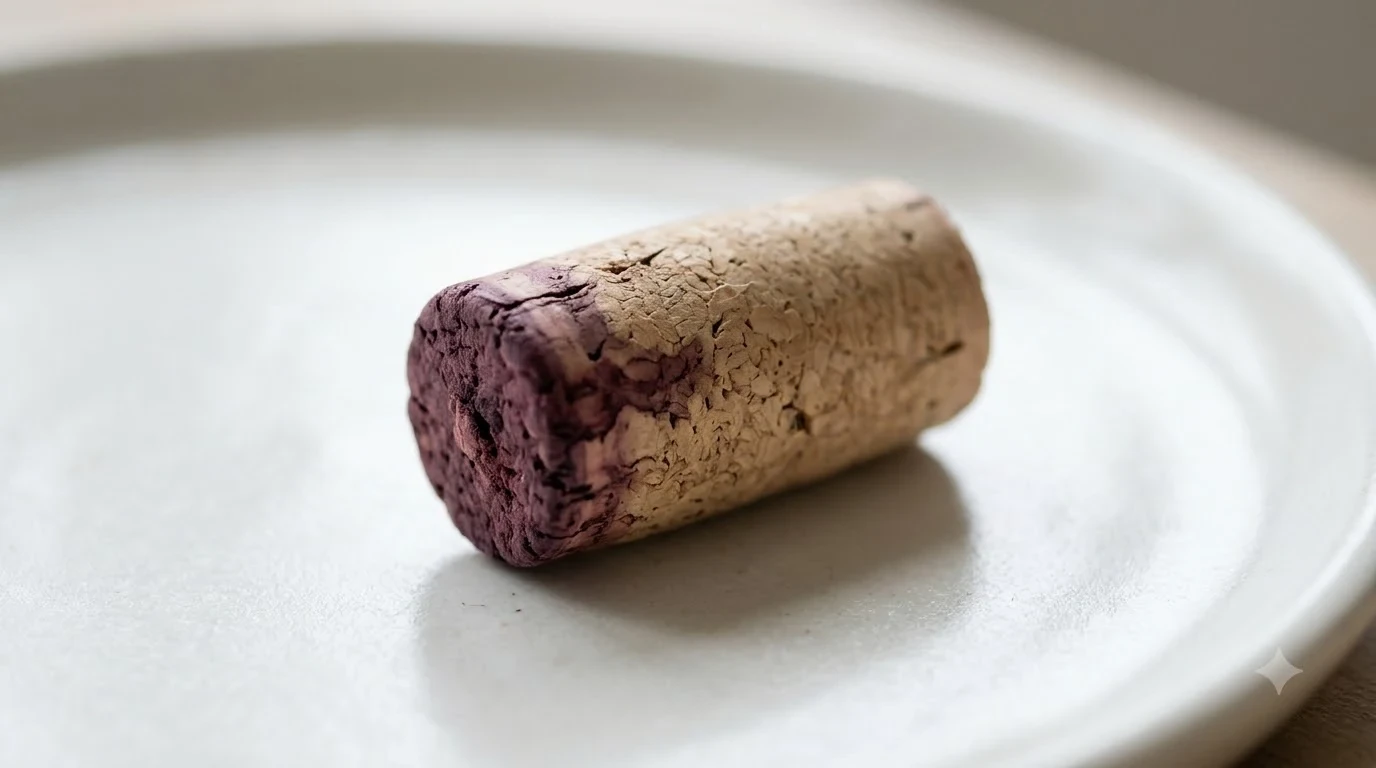
For a Burgundy-style recipe, start with red Burgundy or another dry Pinot Noir. Some cooks marinate chicken for 12 to 24 hours; others add wine only during braising. Either way, the wine becomes part of the sauce, so choose a sound, dry bottle that tastes pleasant before cooking. A flawed wine will not improve after hours on the stove.
For coq au vin blanc, move away from the red-wine logic. A dry Riesling from Alsace is a natural match for a white-wine version with cream, tarragon, or more delicate herbs. Dry Chardonnay can work with a richer, cream-based sauce, especially when it has moderate oak rather than a strong buttery or vanilla profile. Chardonnay’s medium acidity makes it rounder than Riesling, so keep it for a dish with a fuller sauce. Sauvignon Blanc is another option for a brighter recipe, but its high acidity and pronounced herbal character can be sharp if the sauce is already very tart.
Side dishes change the meal’s weight. Buttered tagliatelle, mashed potatoes, or roasted potatoes add richness, making Pinot Noir’s acidity welcome. A sharply dressed salad adds more acidity, so keep it as a small side rather than allowing vinegar to dominate. For a multi-course table, match the wine to the strongest flavor: a coq au vin served with a rich beef dish needs enough structure for both, and what wine goes with beef brisket offers a comparison for deeper sauces. If you finish with pungent cheese, choose that wine separately; the pairing principles for what wine goes with blue cheese differ from those for chicken in wine sauce.
Serving Temperature, Glassware, and Pour Size
Serve Pinot Noir and Beaujolais at 55–60°F, while fuller Rhône reds are better around 60–65°F. These ranges keep the fruit fresh without making the wine’s acidity seem sharp or its alcohol too prominent.
Tip: Set Pinot Noir on the table at 55–60°F rather than serving it warm. A bottle kept at room temperature may need a brief chill; let it warm gradually in the glass and avoid serving it ice-cold.
Use a medium or large bowl-shaped red-wine glass for Pinot Noir; one versatile red-wine glass also works for Burgundy, Beaujolais, and most Rhône blends. Pour about 5 ounces per serving, leaving room to swirl. A 750 ml bottle provides about five 5-ounce glasses, so one bottle covers a moderate pour for four diners and leaves a little extra.
Decanting is optional for young Pinot Noir and Beaujolais. A young, fuller-bodied red can benefit from 30–60 minutes in a decanter. Older, delicate Pinot Noir needs more care because extended air exposure can fade its aromas.
Choosing the Cooking Wine and Keeping the Pairing Practical
The cooking bottle should be dry, sound, and reasonably balanced, because a long braise concentrates its flavor and acidity. Choose a drinkable Pinot Noir, Beaujolais, or Rhône red, then serve a similar style at the table.
Avoid bottles labeled only for cooking; they can contain added salt or seasonings. A regular dry red lets you taste the wine before adding it to the pan and gives you control over seasoning. How much wine you need depends on the chicken and recipe: Wine Enthusiast uses one bottle of red Burgundy for a 5- to 6-pound chicken cut into eight pieces, while Wine Spectator’s larger Daniel Boulud recipe uses two bottles for two chickens weighing 3½ pounds each and reduces the wine by half before marinating.
Reduction concentrates flavor and acidity, so an aggressively tart or bitter wine can become less balanced. Brown the chicken and bacon, simmer the wine gently, and taste the sauce after reduction. A Burgundy-style pot may use a 12- to 24-hour refrigerated marinade, with butter-glazed mushrooms and pearl onions added during the final 30 minutes so they retain their shape. Finish the sauce until it lightly coats a spoon, and adjust salt only at the end.
Make-ahead cooking can help: a braise that rests overnight often tastes more integrated after gentle reheating. For more on balancing acidity, body, tannin, and sauce flavors, the site’s Wine Pairing overview explains the basic choices.
Frequently Asked Questions
A Burgundy Pinot Noir served at 55–60°F is the clearest starting point, with Cru Beaujolais and a fuller Rhône red as alternatives.
Can I use frozen pearl onions in coq au vin?
Yes. The Wine Enthusiast recipe calls for 16 frozen pearl onions, thawed before they go into the pot. Thawing them first helps avoid adding excess ice to the braising liquid.
Can coq au vin be served with croutons?
Yes. One Wine Enthusiast version finishes the dish with 1 cup of toasted sourdough croutons, plus minced parsley and chives. The crunchy bread gives the soft chicken and glossy sauce a contrasting texture.
Do recipes use flour to thicken coq au vin sauce?
Many do. Wine Enthusiast’s recipe uses 1½ tablespoons of flour, while Daniel Boulud’s larger Wine Spectator version uses 4 tablespoons. The amount varies with the number of chicken pieces and the volume of braising liquid.
How long does coq au vin take with an older rooster?
A traditional Burgundy method can braise an older rooster for 2½ to 3 hours after browning. Younger chicken generally needs less time, so use tenderness rather than a fixed clock as the final guide.
How long can an opened red wine be kept for cooking?
An opened still wine generally keeps for 3 to 5 days in the refrigerator. Use it only if the aroma remains clean and the wine has not developed vinegar-like or stale notes.
For classic coq au vin, red Burgundy Pinot Noir is the clearest choice, with Cru Beaujolais and balanced Rhône reds offering satisfying alternatives. Match the wine’s weight to the sauce, serve it at a lightly cool red-wine temperature, and choose a cooking bottle that is pleasant enough to pour at the table.
More in Food & Wine Pairing
 Risotto With White Wine Recipe: Make a Creamy Dinner at HomeUpdated Nov 20, 2026
 Wassail With Wine Recipe for a Festive Spiced Holiday DrinkUpdated Nov 20, 2026
 Spritz Veneziano Recipe: Make a Classic Venetian Aperitivo at HomeUpdated Nov 20, 2026
 Summer Wine Punch Recipe for Easy Homemade EntertainingUpdated Nov 20, 2026
 Bishop Recipe: How to Make a Bright, Citrus-Forward Red Wine CocktailUpdated Nov 20, 2026
 Wine Cupcakes Recipe: Bake Rich Chocolate Cupcakes at HomeUpdated Nov 20, 2026