

We may earn a commission when you buy through links on this page, at no extra cost to you. Learn more.
The best nero d avola food pairing is grilled or roasted meat, rich Sicilian pasta, charcuterie, and aged cheese. This Sicilian red has ripe cherry and plum fruit, savory spice, and enough acidity to handle tomato-based dishes. Its tannins also make it a natural match for dishes with fat, browned edges, and concentrated savory flavors.
Nero d’Avola is a flexible dinner wine, but it is not one fixed style. Some bottles are juicy and medium-bodied; others are darker, fuller, and more structured. Match the weight and tannin of the wine to the richness of the food, and the pairing becomes much easier.
Why Nero d’Avola Works With Savory Food
Nero d’Avola generally brings dark or red cherry, plum, blackberry, and sometimes rose, licorice, cocoa, or tobacco notes. Its body can range from medium to full, with acidity that keeps ripe fruit from seeming heavy and tannins that give the wine a firm, mouth-drying finish.
That combination explains its broad food range. Acidity helps the wine stand beside tomato sauces and other ingredients with a bright edge, while ripe fruit works with char, herbs, and gentle sweetness from roasted vegetables. Tannin is most comfortable beside protein and fat: a juicy lamb chop, a well-browned burger, or a slow-cooked beef dish can soften the wine’s drying sensation.
There is meaningful variation across Sicily. The Wines of Sicily grape profile describes Nero d’Avola from limestone-rich hills as having marked acidity and pleasant tannins, while grapes from deeper clay soils can produce more intense wines with ripe cherry, rose, sweet spice, licorice, cocoa, and silkier tannins. Oak can add depth and make the tannins feel more integrated, so a barrel-aged bottle may suit richer food than a fresh, unoaked example.
Think of the grape as a bridge between fruit and savory flavors rather than as a wine reserved only for steak. That is why it can move from antipasti to pasta and then to a main course without feeling out of place. For a broader look at the logic behind matching weight, acidity, salt, and tannin, use this Wine Pairing guide as a companion.
Grilled Meat, Roast Lamb, and Slow-Cooked Beef
Grilled or roasted red meat is the most dependable match for a structured Nero d’Avola. Browning, rendered fat, and savory juices meet the wine’s dark fruit and tannins, while rosemary, black pepper, garlic, and smoke echo its herbal and spicy notes.
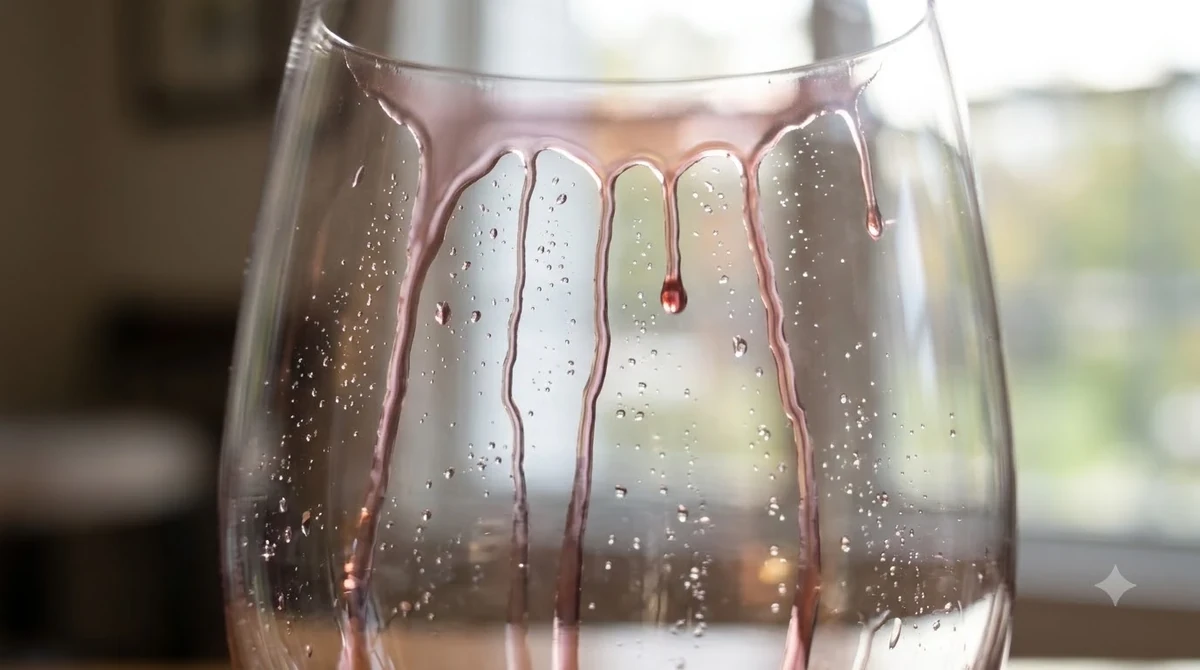
Start with grilled lamb chops, roast leg of lamb, or lamb kebabs seasoned with rosemary, oregano, garlic, and olive oil. The meat’s fat helps soften tannin, and the wine’s acidity keeps each bite from feeling too rich. A fuller bottle with black cherry, plum, and a noticeable tannic grip can handle lamb with a crisp char; a lighter, fresher version is better with simply roasted lamb and a restrained seasoning.
Beef is equally reliable. Pair a medium-rare steak, grilled tri-tip, short ribs, or beef stew with a medium- to full-bodied Nero d’Avola. For braised short ribs, the long-cooked meat and reduced sauce provide the depth that a more concentrated wine needs. For burgers, add grilled onions, aged cheese, or mushrooms rather than a very sweet glaze, which can make a dry red seem more bitter.
Pork also works, especially when it has a browned crust or a savory filling. Try fennel-scented sausage, pork shoulder roasted with garlic, or grilled pork chops with charred peppers. The wine’s fruit can complement the mild sweetness of pork, while its tannin has enough substance for sausage and other fattier cuts. Avoid very hot chili sauces: alcohol and tannin can make chili heat feel sharper.
Sicilian Pasta, Tomato Sauce, and Baked Dishes
Tomato-rich pasta is one of the most natural directions for Nero d’Avola, particularly when the sauce includes roasted vegetables, meat, or cheese. The wine’s acidity helps it stay lively beside tomatoes, and its cherry and spice flavors complement the savory depth of a long-simmered sauce.
Pasta alla Norma is a classic choice: tomato sauce, fried or roasted eggplant, basil, and ricotta salata give the dish acidity, sweetness, earthiness, and salt. A medium-bodied Nero d’Avola with fresh cherry fruit can meet those layers without overwhelming the eggplant. A richer example also works, especially when the eggplant is browned and the dish includes a generous grating of salty cheese.
For meat sauces, choose beef ragù, pork ragù, sausage sauce, or a baked pasta layered with tomato, meat, and cheese. Slow cooking concentrates the sauce and adds savory notes that complement the wine’s structure. Lasagna, baked ziti, and pasta al forno are practical matches because the pasta, sauce, and cheese create enough richness to balance tannin. Keep the sauce savory rather than sugary; a sweet tomato sauce can make dry wine taste lean and sharp.
Pizza is another easy option. Choose toppings such as sausage, mushrooms, roasted peppers, olives, or cured meat. A simple margherita can work with a lighter style, but a heavily topped pie benefits from a fuller wine. If tomato acidity is the main feature of the meal, Barbera is another Italian red worth comparing; this Barbera food pairing guide explains why its brighter profile is especially comfortable with tomato-based recipes.
Seafood, Tuna, Poultry, and Rabbit
Nero d’Avola can accompany seafood and white meat, but preparation and wine style matter. Choose firm, grilled fish or roasted poultry with enough seasoning and texture to meet the red wine; delicate seafood and strongly tannic bottlings are less dependable partners.
Grilled tuna is a notable match because its dense, meaty texture can stand up to red wine better than a flaky white fish. Keep the preparation simple: sear or grill the tuna, brush it with olive oil, and finish with lemon, herbs, or a caper-and-olive relish. A fruit-forward, moderate-tannin Nero d’Avola is the safer choice. Avoid serving a highly tannic, heavily oaked bottle with very lean tuna, because the wine can dominate the fish.
Roast chicken and grilled chicken are also good options, especially with garlic, oregano, rosemary, paprika, olives, or roasted peppers. A lighter Nero d’Avola can work with simply roasted chicken, while a fuller version is more convincing beside chicken thighs, browned skin, or a dish with mushrooms and tomatoes. Roasted turkey with herbs can fit the same pattern, particularly when the sides include savory stuffing or mushroom gravy.
For a distinctly Sicilian direction, consider rabbit cooked agrodolce, or sweet and sour. A sauce combining vinegar, modest sweetness, herbs, and browned onions echoes the contrast found in the wine’s ripe fruit and acidity. Keep the sweet element balanced rather than syrupy. The Nero d’Avola grape’s own pairing resources also name grilled white meat, grilled tuna, and sweet-and-sour rabbit among its traditional companions; see the Nero d’Avola food-pairing suggestions for that regional list.
Vegetables, Mushrooms, Cheese, and Meat-Free Meals
Vegetarian dishes can be excellent with Nero d’Avola when they include roasted or grilled flavors, earthy ingredients, or enough richness to balance tannin. Eggplant, mushrooms, lentils, chickpeas, peppers, and aged cheese are more dependable than raw greens or lightly steamed vegetables.
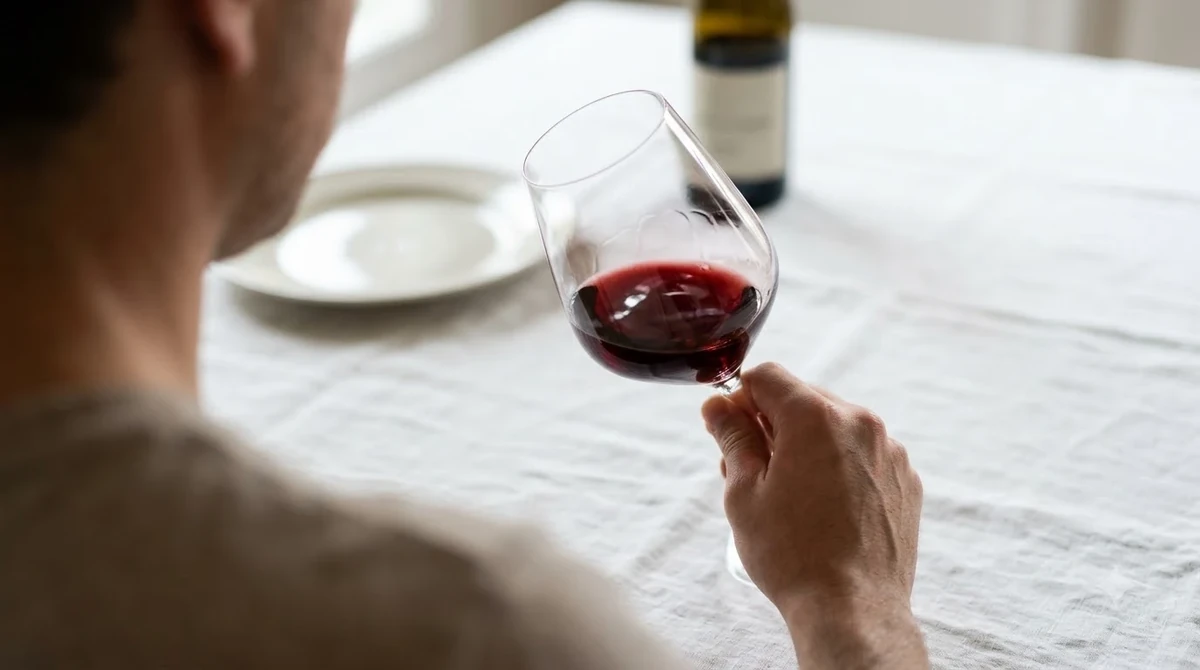
Grilled eggplant, roasted red peppers, mushrooms, and zucchini develop browned, slightly sweet flavors that suit the wine’s fruit and spice. Eggplant parmigiana is a strong option because tomato, fried eggplant, and cheese bring both acidity and richness. For a simpler meal, serve charred vegetables with olive oil, oregano, garlic, and a few olives; a medium-bodied Nero d’Avola with lively fruit will complement the smoky edges without making the vegetables seem heavy.
Mushroom risotto is especially useful with a more structured bottle. Mushrooms add earthy, savory depth, while the creamy rice softens the perception of tannin. A risotto finished with Parmigiano-Reggiano, aged pecorino, or a little browned butter gives the wine enough richness to feel balanced. Lentil stew or chickpeas simmered with tomato, fennel, bay leaf, and smoked paprika can work in the same way, especially with a fresher, less oaky wine.
For cheese, look for firm, salty, or medium-aged choices such as pecorino, aged caciocavallo, or smoked ricotta. Salt and fat can soften tannin, so a few bites of cheese can make a firm red feel rounder. A cheese board with cured olives, roasted nuts, grilled bread, and savory spreads makes a useful antipasto course. Very delicate fresh cheeses may be overshadowed by a powerful bottle, so choose a lighter wine or serve the cheese alongside more substantial accompaniments.
Choose the Right Style and Serve It Well
Let the wine’s body and tannin determine the final match. A fresh, fruit-led Nero d’Avola can accompany chicken, tuna, bean dishes, and vegetable pasta, while a darker, more structured bottle calls for lamb, beef, sausage, braised dishes, or aged cheese.
Regional character can help with that decision. Wine Folly describes western Sicilian examples as tending toward softer tannins and red-berry aromas, while southeastern wines can show stronger tannins, deeper dark fruit, and acidity suited to aging. Across the island, the grape’s range of soils and microclimates means that two bottles can behave differently at the table even when both are labeled Nero d’Avola. A wine with fresh cherry fruit and restrained tannin is the better choice for grilled tuna or roast chicken; one with concentrated plum, licorice, and firm structure is more convincing with short ribs or lamb.
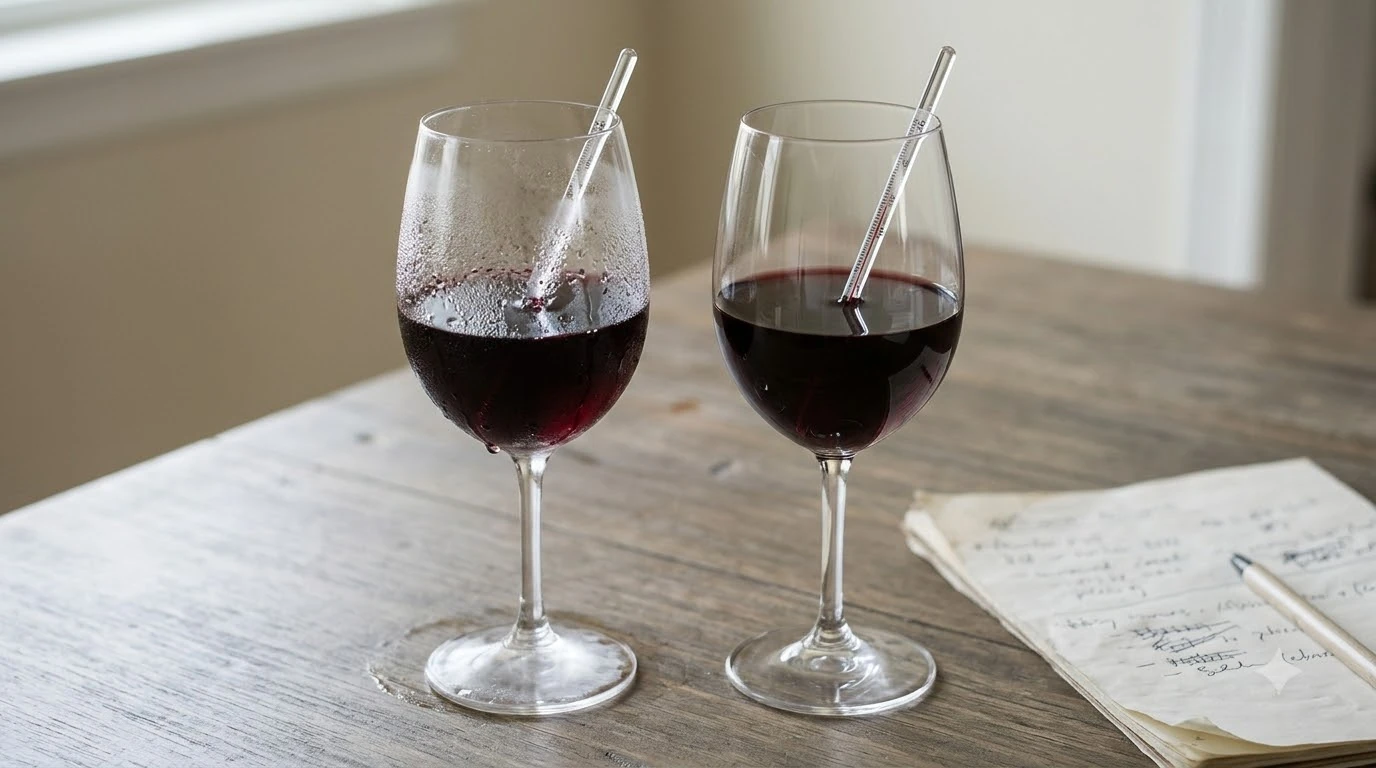
Serve a full-bodied bottle at 60–65°F so the fruit and savory notes show without making the alcohol seem hot. A lighter red can be served slightly cooler, around 55–60°F. Young, full reds often benefit from 30–60 minutes in a decanter, particularly when the wine feels tightly wound on opening. Use a standard 5-ounce pour; a 750-milliliter bottle provides about five glasses.
| Wine style | Food matches | Serving approach |
|---|---|---|
| Fresh, fruit-forward; lighter tannin | Grilled tuna, roast chicken, bean salad | 55–60°F; serve without a long decant |
| Medium-bodied, lively acidity | Pasta alla Norma, pizza, mushroom risotto | 55–60°F; pour with the meal |
| Full-bodied, firm tannin | Lamb chops, steak, short ribs, aged pecorino | 60–65°F; decant 30–60 minutes when young |
| Oak-aged, concentrated fruit | Beef ragù, pork shoulder, grilled eggplant | 60–65°F; give the wine time to open |
Tip: If the wine feels too firm beside the food, add a little fat or salt to the plate rather than extra sweetness. Olive oil, browned meat, aged cheese, and salted eggplant can make tannins feel softer; sugary sauces can make a dry red seem harder.
Keep the seasoning in proportion. Herbs such as rosemary, oregano, thyme, and sage tend to support the wine, as do garlic, black pepper, fennel seed, and grilled onions. Strongly sweet glazes can make the wine seem austere, while very hot chili can exaggerate the warmth of alcohol and the grip of tannin. If the meal leans toward fried seafood, delicate white fish, or lemon-heavy shellfish, an acidic white such as Albariño is usually more comfortable; see this Albariño food pairing guide for those lighter seafood combinations.
Frequently Asked Questions
These quick answers cover a few points that help identify the grape and understand how it appears in Sicilian wine styles. They also explain why the name can show up on labels in different ways.
What does Nero d’Avola mean?
The name is commonly translated as “black of Avola,” referring to the grape’s dark berries and the town of Avola in southeastern Sicily. The grape is now grown across Sicily, not only around Avola.
Is Nero d’Avola used in Cerasuolo di Vittoria?
Yes. In Cerasuolo di Vittoria DOCG, Nero d’Avola is blended with Frappato, and Wine Folly describes the Nero d’Avola share as usually 50–70 percent. The appellation is associated with southeastern Sicily around Siracusa.
Can Nero d’Avola be blended with other grapes?
Yes. It is bottled on its own and also used in blends with Frappato and international varieties. Blending can change the final wine’s body, tannin, aroma, and balance, so the grape name alone does not guarantee one exact style.
When did Nero d’Avola become widely popular?
Wine Folly notes that the grape gained wider popularity in the 1990s as dry wines from Sicily became more widely available. Increased plantings followed, helping it spread through major wine areas across the island.
Does every Nero d’Avola taste bold and tannic?
No. Wine Folly describes styles ranging from smooth, low-tannin reds to rich, full-bodied examples with noticeable tannin and acidity. Growing area, soil, winemaking, and maturation all contribute to that variation.
For the most reliable result, pair Nero d’Avola with food that matches its weight: savory meat, tomato-based pasta, roasted vegetables, mushrooms, and aged cheese are strong starting points. Choose a fresher bottle for lighter dishes and a more structured one for braises, grilled meat, and richer Sicilian cooking.
More in Food & Wine Pairing
 Risotto With White Wine Recipe: Make a Creamy Dinner at HomeUpdated Nov 20, 2026
 Wassail With Wine Recipe for a Festive Spiced Holiday DrinkUpdated Nov 20, 2026
 Spritz Veneziano Recipe: Make a Classic Venetian Aperitivo at HomeUpdated Nov 20, 2026
 Summer Wine Punch Recipe for Easy Homemade EntertainingUpdated Nov 20, 2026
 Bishop Recipe: How to Make a Bright, Citrus-Forward Red Wine CocktailUpdated Nov 20, 2026
 Wine Cupcakes Recipe: Bake Rich Chocolate Cupcakes at HomeUpdated Nov 20, 2026