

We may earn a commission when you buy through links on this page, at no extra cost to you. Learn more.
The nero d’avola grape is a red variety from Sicily, where it is the most important red, and it produces wines with black cherry, plum, licorice, and a peppery finish. Its tannins are medium-high and its acidity is medium, so the wine feels full and warm rather than light. It is one of Italy’s most important indigenous grapes.
Nero d’Avola is one of the grapes people encounter when they start exploring Italian reds beyond the big names. It is often compared with New World Shiraz and with Cabernet Sauvignon, because it combines dark fruit and firm structure in a warm, generous style. This guide covers where the grape comes from, how it grows, what it tastes like, and how to match it with food. For more background on red grape families, the wine by type guide is a useful starting point. Readers who enjoy structured reds from other regions may also find the notes on cotes du rhone grape helpful for comparison.
Where Nero d’Avola Comes From
The grape takes its name from Avola, a small town in southeast Sicily. Growers near Avola selected it several hundred years ago, and it was first confined to the island’s southern tip before spreading across Sicily. According to Wikipedia’s Nero d’Avola entry, it is now the most important red wine grape on the island and one of Italy’s most significant indigenous varieties.
That origin matters for the style. Sicily is a warm island, and the grape is well suited to hot, relatively dry growing conditions. The districts around Noto and Pachino, in the south of Siracusa province, are cited as known for quality examples. Knowing the origin helps explain why Nero d’Avola often tastes riper and more generous than cooler-climate reds.
Growing Conditions and Where the Grape Is Planted
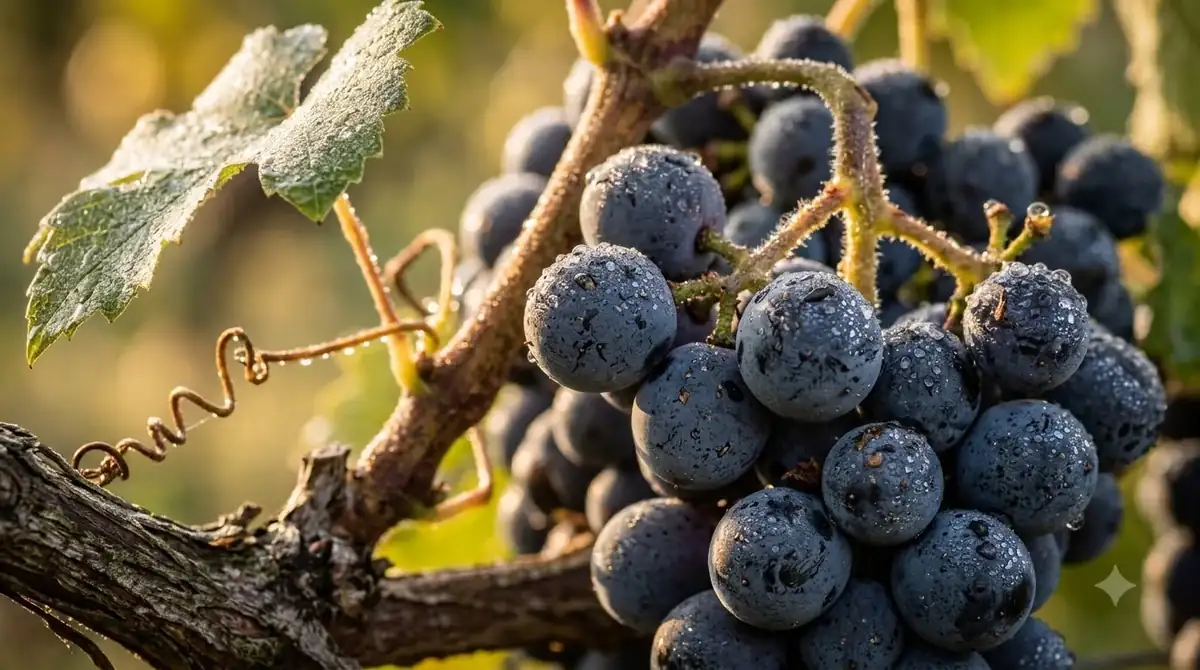
Nero d’Avola likes heat and relatively dry weather. Those conditions let the fruit ripen fully, which is why the wines are typically deep in color and full in body. The grape is planted widely across Sicily, but it is also grown outside Italy. Wikipedia lists California, Australia’s Riverland and Sunraysia regions, Malta, Turkey, and South Africa among the places where it appears.
Because the grape is also planted outside Italy, the same variety can taste different from one site to another. Tasting a Sicilian bottle next to one from another region is a practical way to see how the grape responds to its site.
| Trait | Typical Nero d’Avola |
|---|---|
| Home region | Sicily, Italy |
| Core fruit | Black cherry, black plum |
| Secondary notes | Licorice, tobacco, chili pepper |
| Tannin | Medium-high |
| Acidity | Medium |
| Body | Medium-full |
| Alcohol | 13.5 to 15 percent ABV |
What Nero d’Avola Tastes Like
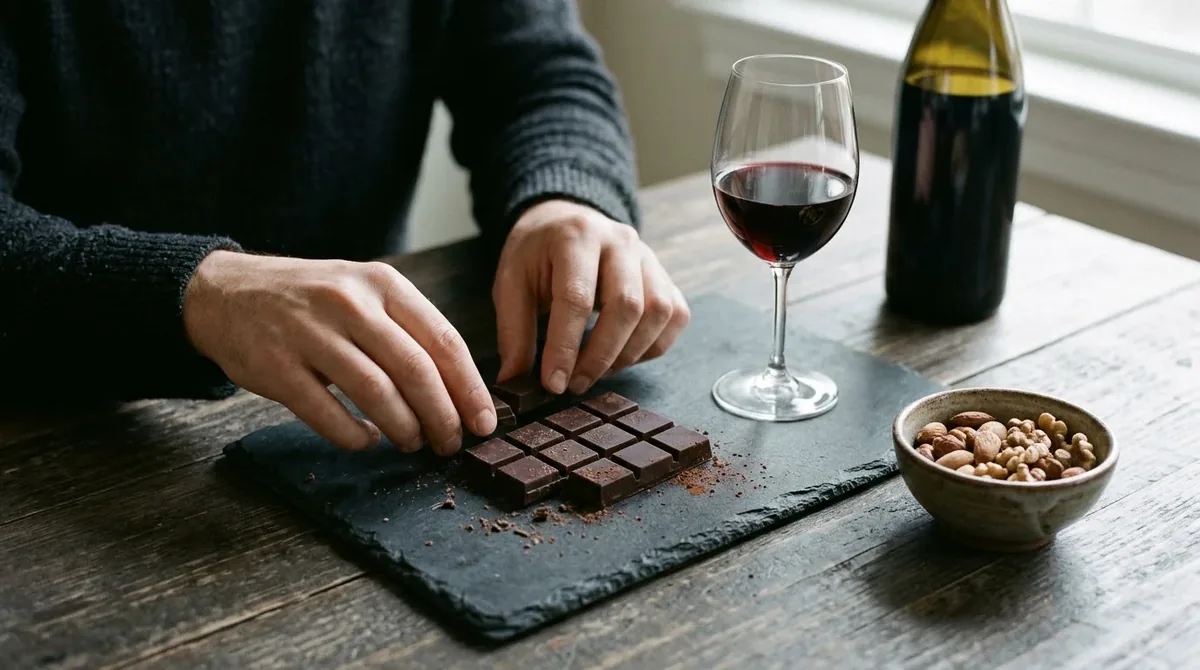
The fruit is the first thing most people notice. Wine Folly’s Nero d’Avola grape profile lists black cherry and black plum as the main flavors, with licorice, tobacco, and chili pepper adding depth. Those savory layers are what separate the grape from a simple fruit-forward red.
Wikipedia describes Nero d’Avola as dry, slightly acidic, rounded, warm, and full-bodied, with a distinctive fruit impression on the retro-nasal pass. Wikipedia compares its style with New World Shiraz, mainly through the plum and peppery notes. The result is a wine that is generous on the palate and still structured enough for a hearty meal.
When you taste for licorice or tobacco, pay attention to the finish. Those notes often appear after the fruit fades, which is one reason the grape rewards a second sip.
Tannin, Acidity, and Body
Nero d’Avola’s structure is firm enough to give it presence. Wine Folly describes its tannins as medium-high and its acidity as medium. The body is medium-full, and the grape is often compared with Cabernet Sauvignon for its weight. Wikipedia also mentions sweet tannins, which means the grip is usually more rounded than harsh.
The combination of medium-high tannin and medium acidity gives the wine a long, warm finish. It is not as lean as a Pinot Noir, and it is usually more structured than a basic Merlot. Those qualities make it a good fit for food that has some fat or richness.
Alcohol typically falls between 13.5 and 15 percent ABV, based on the Wine Folly profile. That places the wine in the same range as many full-bodied reds, so it can feel warm after a long pour.
How to Serve Nero d’Avola
Serving temperature helps the wine show its structure. A slightly cool room temperature keeps the alcohol from dominating while letting the fruit and spice come through. Pouring into a medium-to-large glass gives the aromas space to open, which is useful for a grape with savory and herbal layers.
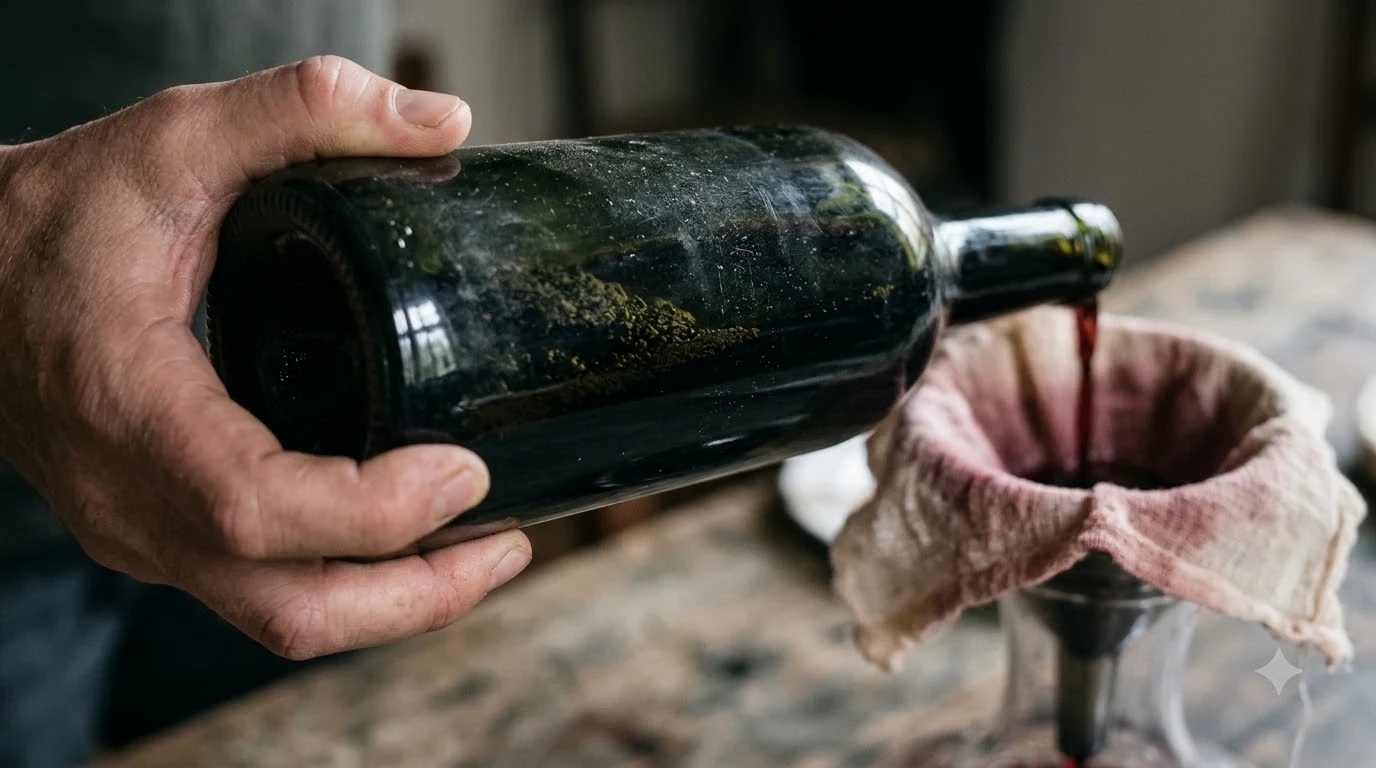
Decanting is optional for most bottles. Younger examples can benefit from a short rest in the glass or about 30 minutes in a decanter if the tannins feel firm.
Food Pairings That Suit the Grape
Nero d’Avola’s medium-high tannin and rich fruit make it a natural match for slow-cooked dishes. Wine Folly suggests pairing it with rich braised meats, such as oxtail soup and beef stew. The same weight works with lamb ragù, grilled sausages, and roasted vegetables with olive oil and herbs.
Italian-style tomato dishes also suit the grape. A tomato sauce with garlic, oregano, and a little chili pepper echoes the wine’s spice without overpowering it. Sicilian dishes that use olives, capers, or citrus can be a good match as well, because the acidity in the wine helps balance the salt and brightness.
Sicilian cooking offers a useful test for the grape. Dishes built on eggplant, olive oil, and tomato show how the wine’s dark fruit and spice can sit alongside vegetables without overwhelming them. A plate of caponata or a simple pasta with roasted peppers gives you a chance to taste the wine against lighter flavors.
For a lighter meal, try the wine with grilled vegetables or aged cheese. The wine’s body is substantial, so keep the food simple and let the grape do the work.
Tip: If a Nero d’Avola tastes heavy, serve it a little cooler and pair it with food that has some acidity, such as tomato or citrus.
How to Choose a Bottle
Look for the Sicily designation on the label to confirm the grape’s home region. Wikipedia names the districts around Noto and Pachino as known for quality, so those place names are useful to look for on a label.
Blends are another option. Wikipedia notes that the grape contributes to Marsala Rubino, a blend that shows how it can work outside a single-varietal bottle. Trying a blend and a single-grape wine side by side is an easy way to learn the grape’s range.
Frequently Asked Questions
Where does Nero d’Avola come from?
It comes from Sicily, Italy. The grape is named after Avola, a town in the southeast of the island, and it is now the most important red variety on Sicily.
Is Nero d’Avola similar to Shiraz?
The two share plum and peppery notes, and Wikipedia compares the grape’s style with New World Shiraz. Nero d’Avola often feels a little more restrained, with medium-high tannin and medium acidity.
Is Nero d’Avola a full-bodied wine?
Yes. Wine Folly describes its body as medium-full, and Wikipedia calls it full-bodied. It usually works best with food that has some richness or weight.
What food pairs well with Nero d’Avola?
Braised meats, beef stew, lamb ragù, and tomato-based dishes are strong choices. The wine’s spice and firm structure suit hearty, slow-cooked meals.
Nero d’Avola rewards curiosity. Start with one Sicilian bottle and one version from a warmer region outside Italy, then compare the fruit, spice, and tannin. The contrast shows how a single grape can express its site, and it gives you a clear reference for future bottles.
More in Wine Types & Grapes
 Zinfandel Sugar Content: Dry Red vs. White Zinfandel GramsUpdated Nov 21, 2026
 Best Zinfandel Substitute Options for Sipping and CookingUpdated Nov 21, 2026
 Zweigelt Food Pairing: Best Dishes, Cheeses, and Serving TipsUpdated Nov 21, 2026
 Zinfandel Tannins Explained: How Structure Shapes Every BottleUpdated Nov 21, 2026
 Zinfandel Sweetness Level: Dry Red vs. Sweet White Zin ExplainedUpdated Nov 21, 2026
 Xinomavro Food Pairing: Best Dishes, Styles, and Serving TipsUpdated Nov 21, 2026