

We may earn a commission when you buy through links on this page, at no extra cost to you. Learn more.
Orange Wine Food Pairing works best with dishes that can meet the wine’s savory flavor, brisk freshness, and gentle-to-firm tannin, including aged cheese, spiced vegetables, mushrooms, and richly seasoned poultry. Because skin-contact whites range from delicate and floral to deep and grippy, the right match depends on the grape and the length of skin contact. Think of orange wine as a bridge between white-wine freshness and some of the texture usually associated with reds. That middle ground makes it particularly useful with meals that are too savory, earthy, or spice-rich for a simple, crisp white.
Orange wine is not made from oranges. It is white wine fermented with some or all of its grape skins, a choice that can add color, aroma, phenolic texture, and tannin. The guide below connects those traits to specific foods, explains where common pairings succeed or fail, and gives a practical way to choose a bottle for the meal in front of you.
Why Skin Contact Changes the Pairing
Orange wine is white wine made with grape skins during maceration or fermentation, which gives it more texture than many conventional whites. That added structure is the reason it can work with roasted, cured, spiced, and umami-rich dishes that might overwhelm a lean Sauvignon Blanc or an unoaked Pinot Grigio.
In most white winemaking, the grapes are pressed and the juice ferments without the skins. With orange wine, the juice stays in contact with the skins for part or all of fermentation, much as red wine does. The skins can contribute tannin, deeper aromas, and color. The wine may suggest apricot, bruised apple, dried citrus peel, tea, nuts, or herbs. It is not flavored with oranges.
Time on skins is a clue, not a quality scale. Wine Enthusiast describes 12 to 24 hours of maceration that can add aroma without a visibly orange color, and profiles a J. Brix Pinot Gris fermented on skins for 16 days and a Riesling made with seven days of contact. A pale wine can therefore feel fresh and light, while a deeper amber example may grip the palate like a light red.
Georgian amber wines may use Rkatsiteli or Tsolikouri in qvevri, while Friuli in northeastern Italy is associated with ramato, often made from Pinot Grigio, Ribolla Gialla, or Tocai Friulano. Clay is not required, and skin contact alone does not mean a wine is organic, natural, cloudy, or free of added sulfites. The Wine Enthusiast introduction to skin-contact whites illustrates this range.
Balance Acidity, Tannin, Body, and Sweetness
Start by matching the wine’s weight and structure to the dish, then adjust for acidity, salt, fat, and heat. Orange wine can carry white-wine freshness and red-wine-like tannin at the same time, but the balance changes substantially from one bottle to another.
Acidity is the first check for dishes with vinegar, citrus, tomatoes, or bright pickles. A highly acidic dish needs a wine with equal or higher acidity or the wine can seem flat. Lively skin-contact whites suit lemony lentils, tomato-based vegetables, and sumac-dressed salad; softer examples work with roasted squash or creamy beans. Acidity varies with grape and winemaking. Another useful distinction is bitterness. A bitter endive salad or charred radicchio can make a dry, tannic wine seem even more astringent, but sweet roasted squash, browned onions, and a creamy dressing can soften the contrast. When bitter greens are central to the dish, choose a fresher, less extracted bottle and include enough salt, oil, or cheese to round out the plate.
Tannin is the second check. Salt and fat soften tannin, making textured orange wine a better fit for aged cheese, duck-fat potatoes, pork belly, or grilled lamb than delicate fish. Lean, lightly seasoned food can make tannin feel rough. Match body too: floral Muscat may disappear beside smoked brisket, while a structured amber wine can overpower steamed sole.
Sweetness matters too: if the dish is sweet, the wine should be at least as sweet or it can taste thin. Many orange wines are dry, so save them for savory fruit notes, toasted nuts, or mildly sweet vegetables rather than sugary glazes. Alcohol and tannin can amplify chili heat, so choose aromatic, fresher examples for spicy food. For a reusable method, see this Wine Pairing overview.
Cheese, Charcuterie, and Savory Snacks
Cheese and cured meats are among the most dependable partners for orange wine because salt and fat soften tannin while concentrated flavors meet the wine’s savory edge. Choose the intensity of the bottle to match the age and strength of the food rather than putting every cheese on one board.
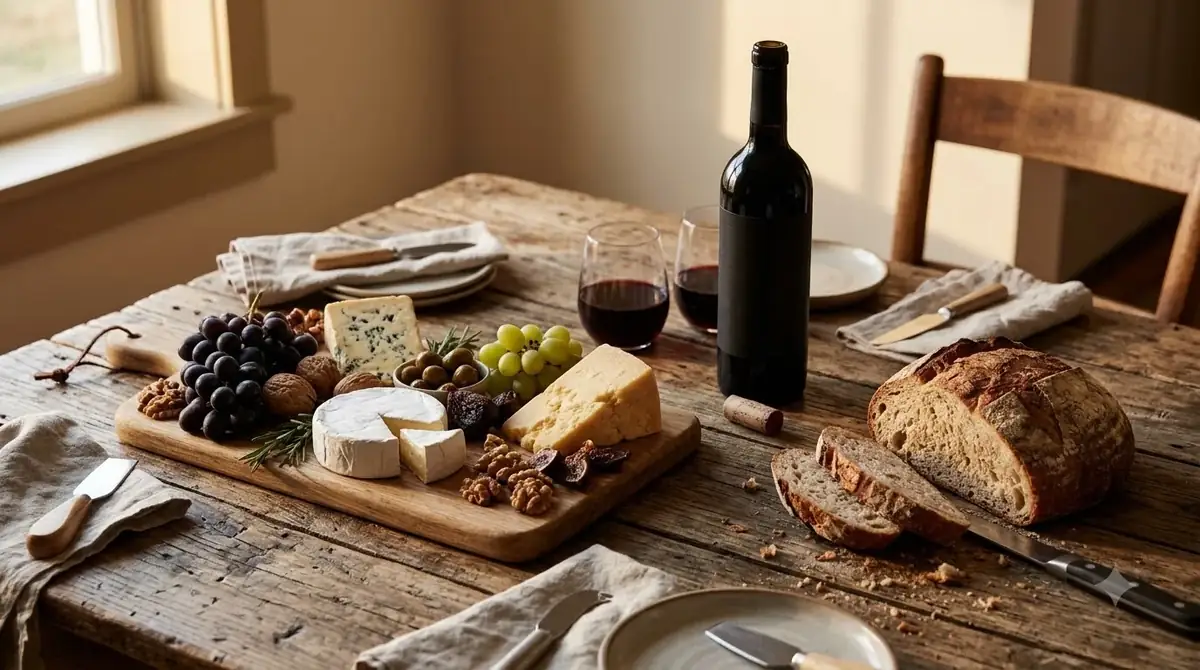
For a lighter skin-contact white, try fresh goat cheese, young sheep’s-milk cheese, ricotta salata, or a mild semi-firm cheese with herbs. Their salt and creamy texture bring out fruit and floral aromas without overwhelming a wine that still has a white-wine frame. A brighter, more citrus-driven bottle also works with feta, olives, roasted peppers, and marinated artichokes, especially when the plate includes oregano, parsley, or lemon zest.
For a more structured amber wine, move toward aged Gouda, Comté, Manchego, or a firm mountain cheese. The wine’s grip can stand up to nutty, crystalline, or savory flavors, while its freshness cuts through fat. Prosciutto, salami, pâté, and smoked sausage make good additions because their salt and richness balance the wine’s texture. Avoid pairing a very tannic bottle with a delicate, barely salted cheese; the wine can dominate the food and leave a drying sensation.
For a mixed board, choose a medium-bodied orange wine with moderate tannin and enough acidity to refresh the palate. Include mild and aged cheeses, olives, almonds, and cured meat; keep sweet chutney or honey restrained. Compare the choice with Albariño food pairing when you want to weigh citrus freshness against broader skin-contact texture.
Spice-Forward Food: Curry, Herbs, and Pepper
Aromatic orange wines can be excellent with food built around spice, herbs, and layered seasoning. Their deeper fruit and gentle tannin often hold up better than a delicate white, while fresh acidity can keep rich sauces from feeling heavy.
Try a lighter orange wine with coconut curry, turmeric rice, chickpeas, or chicken seasoned with ginger, coriander, cumin, and lemongrass. Apricot and herbal notes echo the aromatics, while a fresh skin-contact Riesling or Muscat refreshes the palate without heavy tannin. Wine Enthusiast also names coconut curry and jerk chicken as good partners.
For North African or Middle Eastern food, pair a substantial bottle with couscous, roasted eggplant, cumin lamb, or chicken with preserved lemon. Cumin, coriander, paprika, cinnamon, and saffron complement tea-like, nutty, and dried-fruit notes. A firm Georgian amber can suit tagine or kebabs, especially with olive oil or meat fat to soften tannin.
Hot chili is harder than aromatic spice: alcohol and tannin can intensify the burn of jalapeño, bird’s-eye chili, or hot sauce. Choose a fruit-forward wine with lively acidity and modest tannin, or cool the dish with yogurt, coconut, or cucumber. For Szechuan food with chile oil and peppercorn, avoid an intensely extracted, drying amber. Decanter also recommends aromatic orange wines with Thai and Szechuan cooking in its orange wine explainer.
Seafood, Poultry, and Grilled Meats
Orange wine is most useful with seafood that has smoke, spice, oil, or firm texture. Tannin and savory character meet grilled flavors, while acidity balances rich sauces.
Start with grilled prawns, charred octopus, smoked trout, sardines, or shellfish with garlic and parsley. A lighter wine suits grilled shrimp or mussels; a fuller one can match smoked fish or paprika prawns. Plain poached white fish is less reliable because tannin may overwhelm it. A salty shellfish dish with fennel, tomato, or saffron can also suit a medium-bodied bottle because briny flavor and aromatic seasoning offer more presence than plain steamed fish. For seafood pasta, use the sauce as your guide: lemon, herbs, and olive oil call for freshness, while smoked paprika, tomato, or browned garlic can take more texture.
Oily fish needs more thought. A high-acid skin-contact white can work with grilled salmon, mackerel, or sardines when citrus, herbs, or smoke are present. Avoid heavily tannic wine with plain oily fish; a salty crust or assertive sauce makes the match easier.
Roast chicken with lemon, thyme, and garlic suits a bright, medium-bodied wine; duck with mushrooms can take a structured amber. Jerk chicken works with aromatic, fruit-forward styles, while turkey with sage stuffing suits nutty or dried-herb notes. For grilled pork or lamb, look for tannin to meet the browned exterior and acidity to balance fat. Compare with a Barbera food pairing for a red with more direct acidity.
Vegetables, Mushrooms, Beans, and Grain Dishes
Roasted and earthy foods make natural partners for orange wine. Skin-contact texture meets caramelized edges, mushrooms, legumes, and umami seasoning without relying on meat for structure.
Roasted cauliflower, squash, carrots, eggplant, and onions work well with olive oil, garlic, thyme, cumin, or lemon. Their browned flavors connect with dried fruit, tea, and nuts. Choose medium body for mixed vegetables and more tannin for grilled portobello or eggplant with tahini.
Mushrooms echo the herbal and umami notes in skin-contact whites. Try mushroom risotto, miso-glazed mushrooms, lentil shepherd’s pie, or barley with roasted mushrooms. Freshness suits creamy risotto; more structure meets soy, miso, or browned mushroom crust. Keep sugary glazes restrained.
Beans, grains, and vegetarian pies also work: try cumin lentils, spinach-and-feta spanakopita, chickpea tagine, mushroom polenta, or farro with roasted vegetables. Add lemon if the dish feels rich, but do not let vinegar dominate a delicate wine. A grain bowl with chickpeas, squash, herbs, toasted seeds, and yogurt brings together fat, salt, and freshness.
Serving Temperature and Building a Menu
Serve most orange wines a little warmer than refrigerator-cold white wine, adjusting for body and tannin. Moderate chill lets aromas show without emphasizing alcohol or grip.
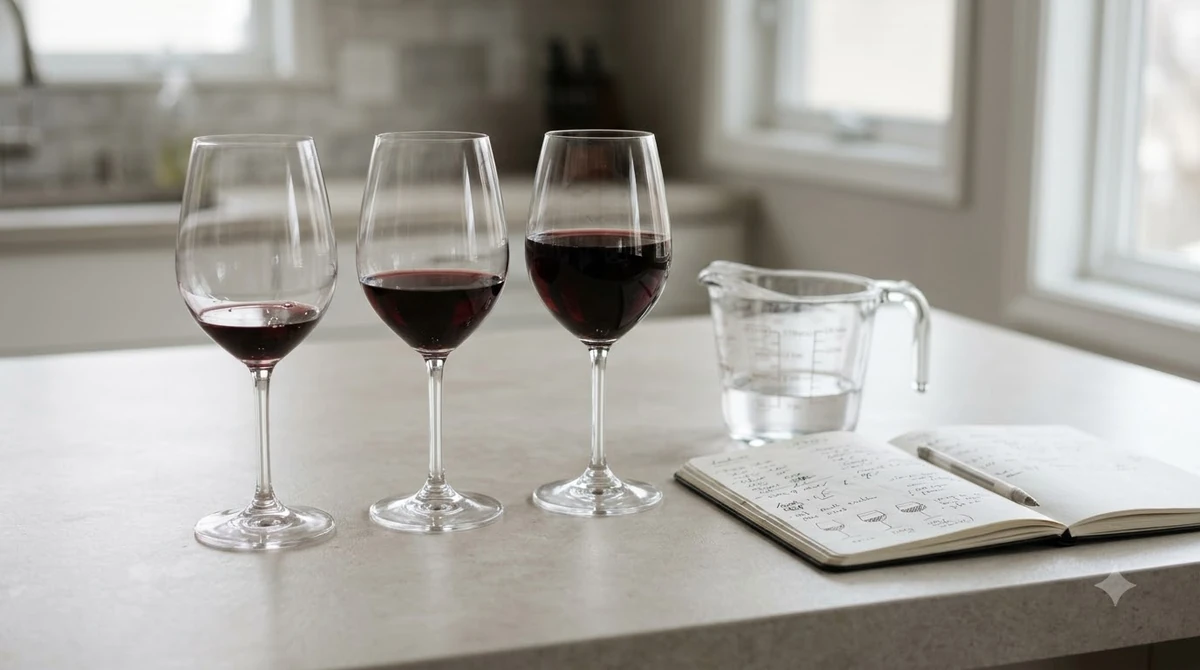
Decanter recommends starting most orange wines, except the lightest examples, around 12–14°C (54–57°F). Lighter bottles suit the cooler end; fuller Georgian ambers and structured wines from Friuli or western Slovenia benefit from a warmer pour and larger glass. Give a closed, tannic wine brief aeration.
| Reported skin-contact example | Duration | What it illustrates |
|---|---|---|
| Short maceration described by Wine Enthusiast | 12–24 hours | Can add aroma without a visibly orange color |
| J. Brix Riesling example | 7 days | Skin contact was evaluated day by day |
| J. Brix Pinot Gris example | 16 days | Full skin fermentation can build spice and texture |
| Aromatic Muscat blends described by Decanter | 1–2 weeks | Shorter skin time can retain soft tannins and lively acidity |
These are reported examples, not a formula for predicting quality or body. Wine Enthusiast notes that skin-contact duration is only one of several choices affecting the result. Decanter recommends serving most orange wines, apart from the lightest styles, around 12–14°C (54–57°F); fuller, tannic bottles can be served slightly warmer, while delicate styles should stay cooler. Ice-cold service can mute aroma and emphasize drying tannin.
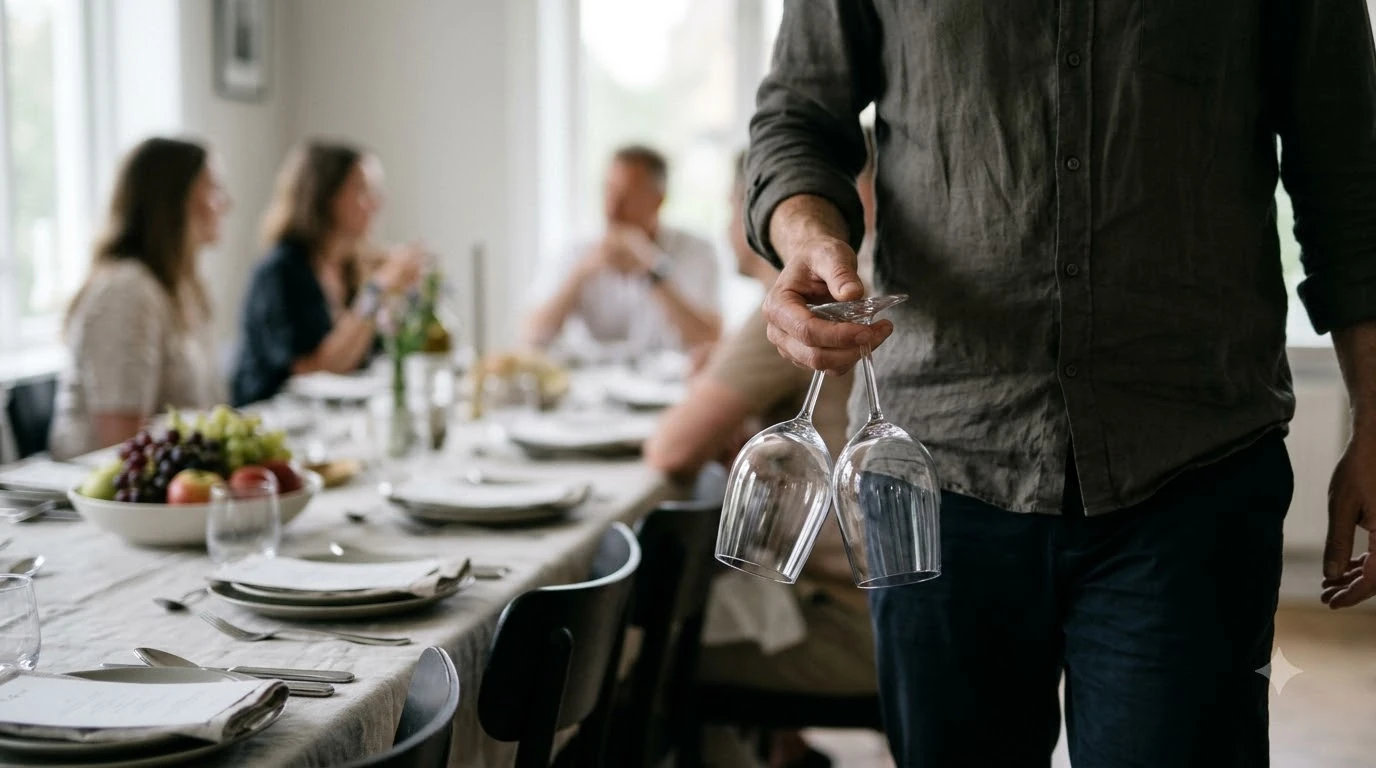
For a multi-course dinner, decide whether the wine is the main thread or one pairing among several. A lighter bottle can move from olives and goat cheese to herb-roasted chicken; a deeper amber fits mushrooms, lamb, or aged cheese. Use a second wine for very spicy food, sweet dessert, or delicate fish.
Tip: Taste the wine with one plain bite of the main ingredient before adding sauce. Then try the full dish. If the wine turns bitter or drying, add salt or fat, reduce intense chili or vinegar, or choose a lighter, fresher bottle.
Choose by the dish’s strongest feature: fat, salt, acid, smoke, earth, sweetness, or chili. Match fat and salt with tannin, acidity with acidity, and sweetness with equal or greater wine sweetness. Then compare body rather than relying on color.
Frequently Asked Questions
How is orange wine different from rosé?
Orange wine is made by fermenting white grapes with their skins, while rosé commonly gets its color from brief contact between red-grape skins and juice. Wine Enthusiast says rosé maceration is usually less than 12 hours, although some examples remain on skins for up to a week. The two styles therefore use skin contact differently, even when their colors look similar.
Can orange wine be cloudy?
Yes. Some skin-contact whites are bottled with visible sediment and may appear cloudy, particularly when they receive little filtration. Cloudiness is not a requirement of orange wine, so a clear bottle can still be made with extended skin contact.
Can orange wine be sweet?
Yes, because skin contact does not dictate how much grape sugar remains after fermentation. A producer can make a dry or sweet wine from white grapes using skin contact, and the sweetness should still match or exceed a dessert. Sweetness is a separate choice from color and tannin extraction.
How long does an opened orange wine keep?
Treat it like other opened still wine: reseal it, refrigerate it, and aim to finish it within 3–5 days. Fuller, more oxidative styles may change differently from fresh, floral examples, so preserve the bottle carefully and judge its aroma before pouring another glass.
Do orange wines always ferment with stems?
No. Some traditional Georgian qvevri wines ferment white grapes with skins, stems, seeds, and juice together, but stem inclusion is a separate cellar decision rather than a requirement of skin contact. Other producers ferment the juice with skins but remove stems.
Orange wine is most convincing when the food has enough flavor, salt, fat, or savory depth to meet its texture. Begin with cheese, roasted vegetables, mushrooms, poultry, or aromatic spice, then adjust for the particular bottle’s acidity and tannin. Once you match the wine’s weight to the dish, orange wine becomes a practical choice for meals that sit between classic white- and red-wine territory.
More in Food & Wine Pairing
 Risotto With White Wine Recipe: Make a Creamy Dinner at HomeUpdated Nov 20, 2026
 Wassail With Wine Recipe for a Festive Spiced Holiday DrinkUpdated Nov 20, 2026
 Spritz Veneziano Recipe: Make a Classic Venetian Aperitivo at HomeUpdated Nov 20, 2026
 Summer Wine Punch Recipe for Easy Homemade EntertainingUpdated Nov 20, 2026
 Bishop Recipe: How to Make a Bright, Citrus-Forward Red Wine CocktailUpdated Nov 20, 2026
 Wine Cupcakes Recipe: Bake Rich Chocolate Cupcakes at HomeUpdated Nov 20, 2026