

We may earn a commission when you buy through links on this page, at no extra cost to you. Learn more.
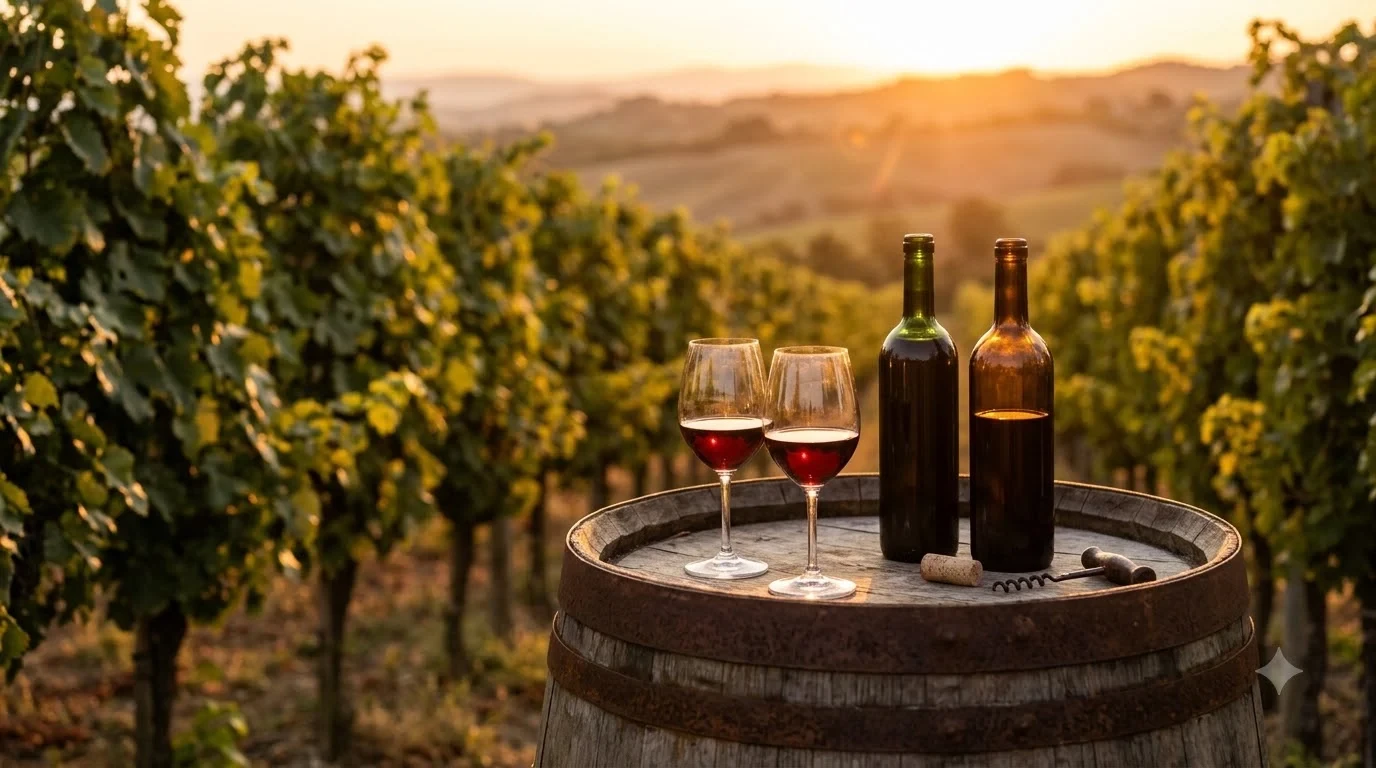
Sonoita Vineyards wine is Arizona wine made from southeastern Arizona grapes at a high-elevation estate in the Sonoita AVA. The winery’s range spans dry reds and whites, rosé-style wines, semi-sweet blends, and dessert bottlings. Its vineyard setting, grape varieties, and labeled styles can help you choose a bottle and serve it well.
Sonoita Vineyards is an established name in southern Arizona wine, but its appeal is more specific than the broad label “Arizona wine” suggests. Its vineyards sit in open grassland at about 5,000 feet, where mountain surroundings, seasonal freezes, and varied soils influence what growers can plant. The winery is also a useful starting point for learning about the Sonoita AVA, Arizona’s first federally recognized winegrowing region.
Sonoita Vineyards’ Arizona Roots and Winery Identity
Sonoita Vineyards began in 1974 and opened its winery in 1983, making it an early commercial pioneer in Arizona wine. The estate now has more than 30 acres of vines, and its wines are produced by a small team closely connected to the property.
The winery identifies Dr. Gordon Dutt as its founder and says winemaker Lori Reynolds is his granddaughter. Vineyard manager Robi Reynolds oversees the vines. This family connection matters because the site is not simply a tasting room selling a regional label: it is a working vineyard and winery, with grape growing and production tied to the same operation. The producer says most wines are made from estate fruit and that all grapes come from southeastern Arizona rather than California.
That local sourcing gives the name a clear geographic meaning. A bottle from Sonoita Vineyards is not just wine made in Arizona from fruit shipped in from another state. For readers comparing producers, it helps to ask where grapes are grown, where the wine is made, and whether the winery farms its own vineyard. Our Wine Brands section explains how to read producer and place names without assuming that every regional label has the same sourcing model.
The winery’s vineyard overview describes the hillside planting and stewardship practices behind this family-run estate.
The Sonoita AVA’s Elevation, Climate, and Soils
Sonoita Vineyards stands at roughly 5,000 feet, within an AVA where much of the land sits between 4,500 and 5,500 feet. Established in October 1984, the Sonoita AVA covers about 319 square miles across parts of Cochise, Pima, and Santa Cruz counties.
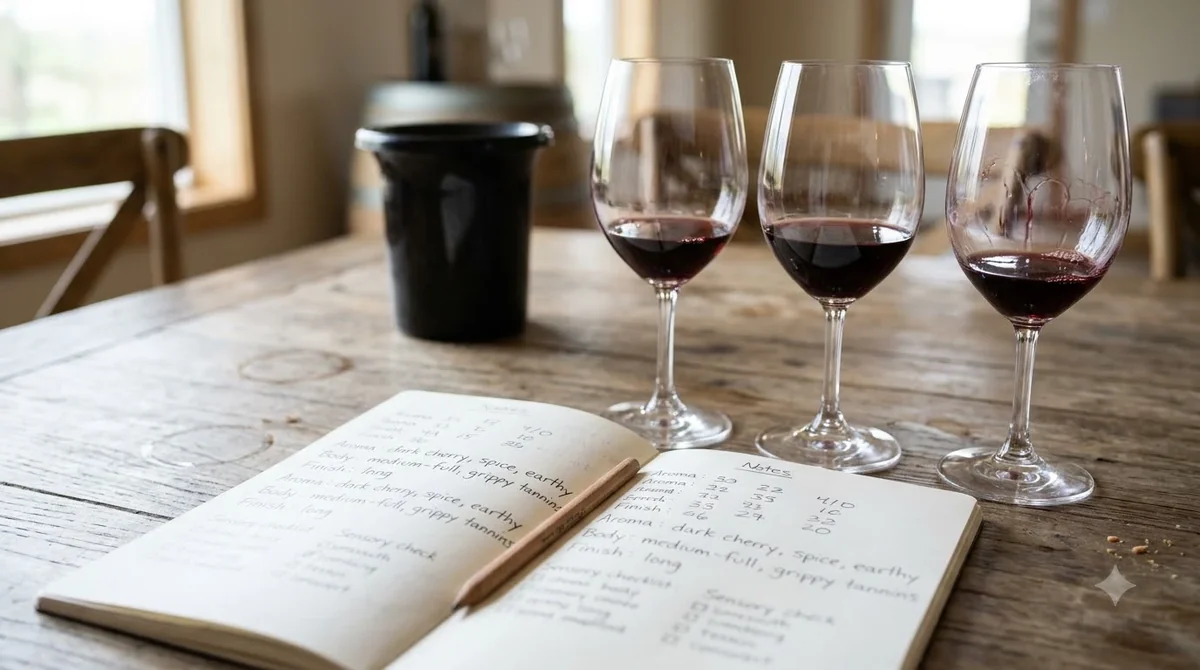
Elevation is central to the region’s identity, but it does not mean every vineyard experiences identical conditions. The University of Arizona Cooperative Extension reports that much of the AVA has an average growing-season temperature of 66°F to 70°F for the April 1 through October 31 period. Farther west and east, some areas average 70°F to 75°F. The central part of the AVA has a Winkler Index range of 1,944 to 2,222, while many western and eastern areas fall between 2,222 and 2,700. These figures describe heat accumulation during the growing season, not tasting scores or a guarantee of a particular flavor.
The growing season must also fit between seasonal freezes. University of Arizona data place the average last spring freeze in the central and northern parts of the AVA in the second half of April; much of the central area sees its first fall freeze in the first half of November. Spring growth and late-season ripening are therefore important vineyard decisions, and slope, exposure, and cold-air drainage can influence frost risk.
Soils add another layer of variation. The University of Arizona describes loam across the AVA, with sandy loam and silt loam near water features, and identifies limestone, sandstone, conglomerate, and granite in different areas. Much of the AVA is well drained. Soil texture, water storage, slope, and exposure affect irrigation and vine growth, so Sonoita is better understood as a collection of related sites than as one uniform patch of ground. The University of Arizona’s Sonoita AVA profile details the region’s climate, soils, and topography.
Grape Varieties and Wine Styles at Sonoita Vineyards
The winery lists Chardonnay, Mission, Merlot, Cabernet Sauvignon, Syrah, Petite Sirah, Sangiovese, Sauvignon Blanc, and Pinot Noir among its grapes. Its vineyard history also records Malbec plantings in 2013 and Tannat in April 2017.
That mix gives the producer several ways to express the site. Chardonnay and Sauvignon Blanc offer familiar white-wine reference points, while Pinot Noir, Merlot, Cabernet Sauvignon, Syrah, Petite Sirah, Sangiovese, Malbec, and Tannat cover a broad range of red-wine traditions. Mission adds a historic grape from the Americas. The list describes grapes the winery grows; it does not promise that every variety appears in every vintage or is currently available as a single-variety bottling.
The published wine list groups examples into “Sweet & Light,” “Dry & Bold,” and “Specialty Wines.” Names shown include Arizona Sunset, a semi-sweet blend; Angel Wings, a semi-sweet blush; Sonora Blanca, a sweet white; and Desert Nectar, a sweet red. The dry and bold group has included Petite Sirah, Fumé Blanc, Pinot Noir, and the MeCaSah red blend. Specialty examples include a Mission wine and Tiger’s Treat, described as a port-style dessert wine. These descriptions tell shoppers more about sweetness and broad style than a grape name alone.
A varietal name identifies the principal grape, while a blend combines multiple grapes and may be described by sweetness, color, or style instead. “Semi-sweet blush,” for example, tells you about color and sweetness but does not identify the grape composition. A dry red blend can also vary from one bottling to another. Use the producer’s published categories as a guide, then read the description for the particular bottle you are considering.
How to Choose a Bottle for Your Taste
Start with sweetness and body, then narrow the choice by grape or color. Sonoita Vineyards’ published range includes semi-sweet and sweet wines, dry reds and whites, rosé-style bottlings, and a port-style dessert wine.
For someone who prefers a softer or slightly sweet pour, the Sweet & Light category is the natural starting point. Arizona Sunset is listed as a semi-sweet blend, Angel Wings as a semi-sweet blush, and Sonora Blanca as a sweet white. A blush can suit someone looking for a refreshing, pink wine, while a sweet white may work as an aperitif for a drinker who dislikes dry wines. Desert Nectar is listed as a sweet red, offering another option for people who prefer red wine with noticeable sweetness.
For a drier style, consider the structure commonly associated with the grape. Cabernet Sauvignon generally has high tannin and can feel firm alongside lean food; Merlot is usually softer, with medium tannin. Pinot Noir typically has lower-to-medium tannin and higher acidity, making it adaptable with lighter dishes. Syrah and Petite Sirah are commonly associated with more substantial structure, although site, ripeness, and winemaking affect the finished wine. These are broad grape tendencies, not tasting guarantees for an individual Sonoita bottling.
White-wine drinkers can begin with Sauvignon Blanc or Chardonnay. Sauvignon Blanc is generally high in acidity and suits dishes with citrus, herbs, or vinaigrette; Chardonnay usually has medium acidity and can work with roast chicken and pan sauce. Fumé Blanc is a traditional name often used for dry Sauvignon Blanc. Readers comparing Cabernet can consult our article on Alexander Valley vineyards wine for a California point of reference. Think about the occasion too: a semi-sweet wine can suit a mixed group, a dry red a grilled-meat dinner, and a dessert-style bottle the end of a meal. For a gift, sweetness and food use can be more reliable guides than an unfamiliar grape name.
Serving Temperatures and Food Pairings
Serve Sonoita Vineyards wines according to their style rather than treating every red as a room-temperature wine or every white as ice-cold. Excessive chill can mute aroma, while warm red wine can make alcohol and tannin seem more pronounced.
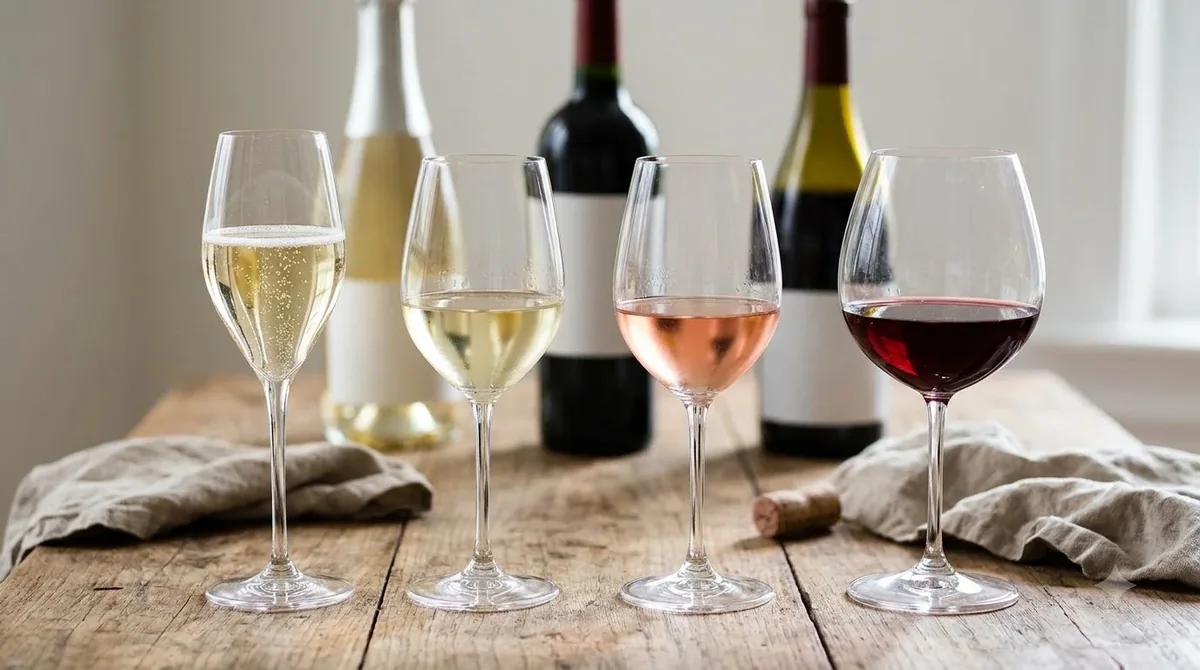
Light whites and rosé are generally best at 45°F to 50°F; fuller whites such as Chardonnay are better around 50°F to 55°F. Light reds, including many Pinot Noir styles, suit 55°F to 60°F, while fuller reds such as Cabernet Sauvignon or Syrah are commonly served at 60°F to 65°F. Sweet whites are usually most refreshing at 43°F to 50°F. If a bottle has been in a very cold refrigerator, let it warm briefly before pouring; a red stored in a warm room may benefit from a short chill.
| Wine style | Serving temperature | Food pairing idea | Why it works |
|---|---|---|---|
| Dry Sauvignon Blanc or Fumé Blanc | 45°F–50°F | Goat cheese, grilled shrimp, herb salad | Fresh acidity matches citrus and tangy flavors. |
| Chardonnay | 50°F–55°F | Roast chicken, creamy pasta, grilled corn | Medium acidity can balance richer textures. |
| Pinot Noir | 55°F–60°F | Roast turkey, mushrooms, salmon | Lower-to-medium tannin is less likely to overpower delicate flavors. |
| Cabernet Sauvignon or Syrah | 60°F–65°F | Grilled beef, lamb, aged hard cheese | Protein and fat soften the impression of tannin. |
| Sweet white or sweet red | 43°F–50°F for sweet white; cool cellar temperature for sweet red | Fruit tart, blue cheese, sweet desserts | The wine should be at least as sweet as the dessert. |
Pair by matching intensity and flavor. A lighter white can be overwhelmed by heavily charred steak, while a structured Cabernet or Syrah can make delicate white fish seem thin. Acidic dishes need a wine with equal or higher acidity, so Sauvignon Blanc can suit tomato, lemon, or vinegar-based sauces. Salt and fat soften tannin, helping a firm red work with fatty beef or hard cheese. A dessert wine should be at least as sweet as the dish; sweet whites can suit fruit desserts, while a port-style wine can work with chocolate or blue cheese. Avoid tannic reds with oily fish, and be cautious with spicy food because alcohol and tannin can intensify chili heat.
Tip: Pour a small first taste before filling glasses. If a white seems muted, let it warm slightly; if a red feels hot or alcoholic, give it a brief chill rather than serving it warmer.
Use a 5-ounce pour: a 750-milliliter bottle yields about five glasses. Refrigerate opened still wine for 3 to 5 days, and store unopened bottles on their sides near 55°F, away from sunlight and temperature swings.
Visiting the Vineyard and Understanding Its Stewardship
The winery’s more than 30 acres of vines sit on the south side of a hillside at about 5,000 feet, with rolling grasslands and mountain ranges around the property. The winery says the hillside location protects vines from harsh winds and frost, while its farming practices reflect the demands of a dry, high-elevation site.
Water management is part of the property’s history. In 1976, founder Dr. Gordon Dutt developed a water-harvesting system that used the hillside and berms to reduce erosion and the amount of water needed for irrigation. The winery also says it recycles bottles and cardboard and returns grape skins, stems, and seeds to the vineyard as compost. Those practices address water use and the reuse of winemaking byproducts rather than relying on a general sustainability claim.
A visit is best approached as a stop at a working winery rather than a formal restaurant. The tasting room is attached to the production room, and the winery notes that visitors may hear equipment, notice production aromas, or encounter wildlife. Visitors who want more conversation with wine consultants may prefer a weekday outside holiday periods; Saturday and Sunday afternoons are identified as the busiest times.
Season changes the landscape: July through early September is monsoon season, when golden grassland can look greener, while colder weather can even bring snow. The winery lists November through early May as its busiest period. Confirm visiting details before a long drive, especially if your schedule depends on a particular tasting or event.
Frequently Asked Questions
These answers cover practical details about the winery, from its vineyard operations and best-selling wine to visitor arrangements and shipping destinations.
What wine does Sonoita Vineyards identify as its bestseller?
The winery’s FAQ names Colombard as its bestseller. Colombard is a white grape variety, but it does not appear in the same list of vineyard varieties on the winery’s About page as Chardonnay, Sauvignon Blanc, and the red grapes. That makes the producer’s direct bestseller statement more useful than assuming every grape it grows is represented in the same way.
How much land does Sonoita Vineyards own?
The winery’s FAQ says it owns 100 acres in total, with about 30 acres planted to vines. The full property is therefore larger than the vineyard footprint. The remaining acreage should not be described as additional planted vineyard without further detail from the winery.
Does Sonoita Vineyards press its own grapes?
Yes. The winery says it processes its grapes itself and does not buy grape juice from another producer. Its stated process includes pressing the fruit rather than purchasing finished juice for fermentation. That is separate from whether every grape comes from its own estate blocks.
Can visitors bring a dog to Sonoita Vineyards?
The winery says pets are allowed if they are leashed and supervised. Animals are not allowed inside the tasting room unless they are service animals. Visitors with pets should plan to keep them outside the tasting room and confirm any event-specific restrictions before arriving.
Does Sonoita Vineyards ship wine outside Arizona?
The winery’s wine page lists direct shipping to a limited group of destinations, including Alaska, Arizona, Florida, Minnesota, and Washington, DC. It also directs customers outside those destinations to ask about a third-party retailer’s shipping coverage. Shipping eligibility depends on state rules and carrier arrangements, so confirm the current destination list before ordering.
Sonoita Vineyards offers a grounded introduction to Arizona wine: southeastern Arizona fruit, a high-altitude vineyard, and a range that reaches from dry varietal wines to sweet and specialty styles. Start with the sweetness and grape profile you enjoy, serve the bottle at the right temperature, and let the Sonoita setting add context to what is in the glass.
More in Wine Brands
 Louis Latour Wine Price: Compare Bottles by Style and TierUpdated Nov 20, 2026
 Yellow Tail Moscato Price: What to Expect Before You BuyUpdated Nov 20, 2026
 Sutter Home Sweet Red Review: Find the Right Food PairingsUpdated Nov 20, 2026
 Franzia Chillable Red Review: Find the Right Serving StyleUpdated Nov 20, 2026
 Veuve Clicquot Rose Review: Flavor, Food Pairings and Buying AdviceUpdated Nov 20, 2026
 Rombauer Wine Price: Compare Bottles Before You BuyUpdated Nov 20, 2026