

We may earn a commission when you buy through links on this page, at no extra cost to you. Learn more.
clos du bois white wine is a California-made range of approachable whites led by several Chardonnay styles, with Pinot Grigio and Sauvignon Blanc offering fresher alternatives. The range covers creamy, oak-influenced flavors as well as brighter citrus and orchard-fruit profiles. The best bottle depends on whether you prefer texture and vanilla-like notes or a crisp finish built around peach, melon, and lime. Food, serving temperature, and the particular bottling all help narrow the choice.
Clos du Bois is a California wine brand with roots in Sonoma and a winemaking philosophy shaped by a meeting of California fruit and French influence. Its white portfolio is not a single flavor profile: it includes classic California Chardonnay, richer and fruit-forward Chardonnay variations, a Reserve Chardonnay, Pinot Grigio, and Sauvignon Blanc. This guide explains the differences, gives practical pairing ideas, and shows how to serve each style.
What the White-Wine Range Includes
The Clos du Bois white lineup spans three grape varieties and several distinct expressions, so the label name alone does not tell you exactly how rich or crisp the wine will taste. The brand’s white-wine portfolio lists California Chardonnay, Buttery Chardonnay, Tropical Chardonnay, Reserve Chardonnay, Pinot Grigio, and Sauvignon Blanc.
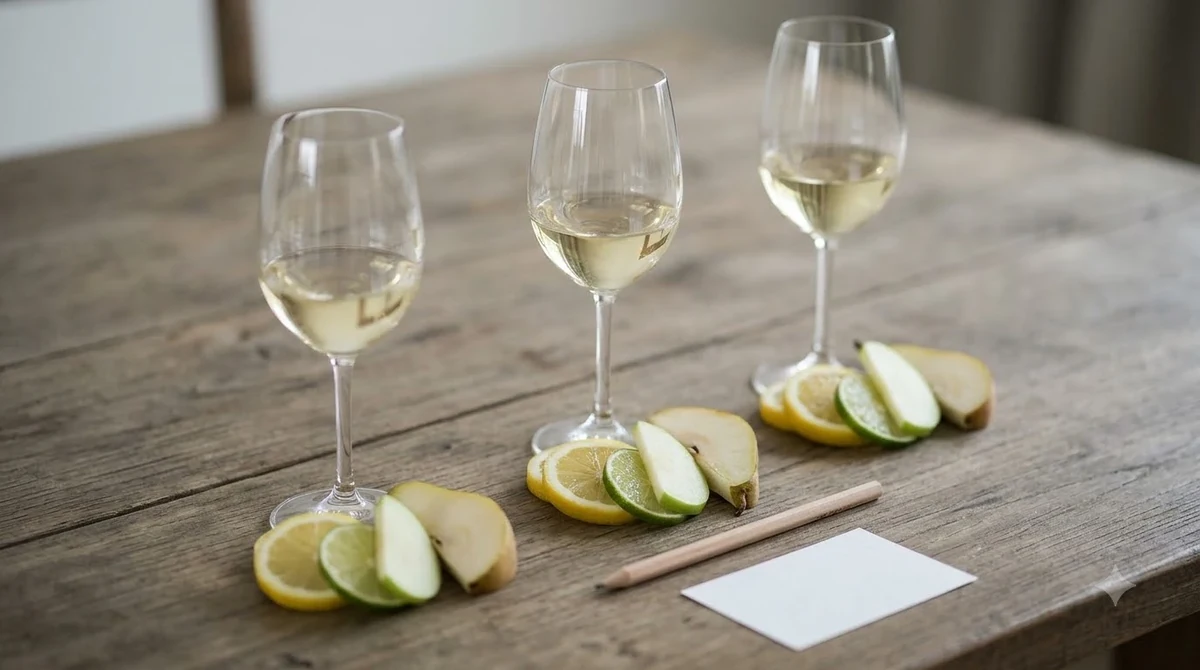
Chardonnay is the center of the range. California Chardonnay combines ripe pear, citrus, creamy butter, and toasted oak; Buttery emphasizes spiced pear, vanilla bean, caramelized pineapple, and oak. Tropical brings pineapple, ripe mango, and Meyer lemon, while Reserve adds lemon crème, Anjou pear, apple, oak, and cinnamon. The main difference is the balance of fruit, oak, and texture.
The two non-Chardonnay choices have their own roles. Pinot Grigio features white peach, ripe melon, pink grapefruit, and a crisp finish; Sauvignon Blanc leads with lemongrass and lime zest, followed by melon and white peach. The brand lists 2024 Chardonnay bottlings alongside 2025 Pinot Grigio and Sauvignon Blanc. Retail availability can vary, so the portfolio is a guide to the range rather than a guarantee of local stock.
Chardonnay offers the broadest range of textures, while Pinot Grigio and Sauvignon Blanc are lighter, more citrus-driven choices. A separate look at clos du bois red wine can help when comparing the brand’s whites and reds for the same meal.
Chardonnay Styles: Classic, Buttery, Tropical, and Reserve
Clos du Bois Chardonnay ranges from fruit-and-oak balance to a more pronounced buttery character, with Tropical and Reserve bottlings providing further variations. The most useful distinction is the style described on the front label: California, Buttery, Tropical, or Reserve.
The California Chardonnay is a good starting point for a rounded white that is not exclusively oak-driven. The producer describes the 2024 bottling with ripe pear and citrus beneath creamy butter and toasty oak, and suggests creamy chicken and rice or buttered popcorn. Buttery Chardonnay is the choice for drinkers who like oak and a creamy impression: the 2024 version is described as heavily oaked, with spiced pear, vanilla bean, caramelized pineapple, and toast. Suggested matches include Brie, shrimp with pineapple salsa, and creamy risotto; their soft or buttery textures echo the wine’s richness.
Tropical Chardonnay is described with pineapple, ripe mango, and Meyer lemon. Its fruit emphasis differs from the Buttery bottling’s vanilla and toasted-oak cues, making it a choice for drinkers who prefer a tropical register. The portfolio description does not specify its barrel treatment, so do not assume it is made like the Buttery version. The Reserve Chardonnay has a Sonoma Reserve designation and Russian River Valley sourcing. The 2022 wine is described with orange-flower and Tahitian-vanilla aromas, lemon crème, Anjou pear, apple, toasted oak, and cinnamon. French oak, malolactic fermentation, and lees contact contribute to its richer feel.
Choose California Chardonnay for pear, citrus, butter, and toast; Buttery for more oak and vanilla; Tropical for pineapple and mango; and Reserve for an oak-aged profile tied to Russian River Valley fruit. For bottle-specific alcohol information, see clos du bois chardonnay alcohol content, since figures can differ by wine and vintage.
Pinot Grigio and Sauvignon Blanc: Brighter White Options
Clos du Bois Pinot Grigio and Sauvignon Blanc are the fresher, more citrus-leaning alternatives to the Chardonnay styles. Pinot Grigio leans toward peach, melon, and grapefruit, while Sauvignon Blanc puts lemongrass and lime zest closer to the front.
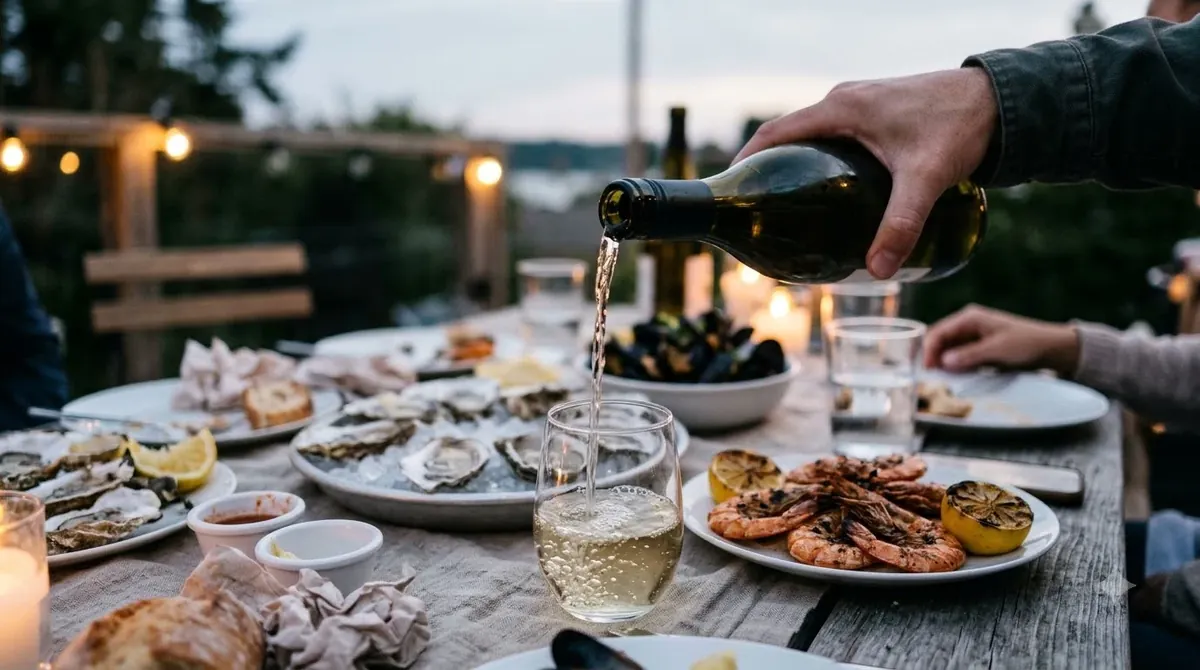
The brand describes its 2025 Pinot Grigio with white peach, ripe melon, and pink grapefruit, followed by a crisp finish. Suggested pairings include Pad Thai and grilled shrimp salad. Peach and melon suit lightly seasoned seafood, while grapefruit-like freshness works beside herbs and citrus dressings. The producer’s 2025 Sauvignon Blanc description names lemongrass, lime zest, melon, and white peach, and suggests shrimp scampi with vegetables or grilled shrimp salad. Its citrus and herbal cues suit lemon, fresh herbs, and crisp vegetables; Sauvignon Blanc’s high acidity can also balance some richness in olive oil, butter, or seafood preparations.
Choose Pinot Grigio for mild, lightly spiced dishes or salads with fruit and citrus; choose Sauvignon Blanc when herbs, lemon, or green vegetables are prominent. Both can also work with vegetable tart, goat cheese, chicken salad, and simply prepared poultry, as long as the seasoning does not overwhelm the wine. They are useful alternatives for guests who find strongly oaked Chardonnay too rich. For a fuller description of the Chardonnay profile, compare these styles with clos du bois chardonnay tasting notes.
California Fruit, Russian River Valley, and Winemaking Choices
The range combines California-grown fruit with several winemaking approaches. The Reserve Chardonnay provides the clearest published detail about oak, fermentation, and lees aging, while the parent company traces the brand to Sonoma and its first Chardonnay and Pinot Noir vintage to 1974.
The California Chardonnay page describes vineyards with dry summers, cool winters, and fertile soils. The Pinot Grigio and Sauvignon Blanc pages likewise refer to California vineyards without naming a narrower appellation or single-vineyard source. These broad descriptions should not be mistaken for specific vineyard designations. Gallo says founder Frank Woods was influenced by Burgundy winemakers after a trip to France in the late 1970s, then returned to combine a French-inspired approach with California fruit. That history helps explain the brand’s stated style, but it does not mean the California wines are made in the same way as Burgundy wines.
The Reserve Chardonnay is more geographically specific: the producer says most of its grapes came from the Russian River Valley in Sonoma County, which it associates with cool-climate Chardonnay. For the 2022 vintage, it reports warmer-than-normal conditions, average yields, an August harvest, and smaller, concentrated berries. Those details apply to that season, not every Reserve release.
Most of the Reserve juice fermented in French oak barrels, while a portion fermented in cool stainless-steel tanks to preserve fruit brightness. After alcoholic fermentation, the wine underwent malolactic fermentation and aged sur lie in French barrels for about 10 months, with bâtonnage contributing texture. Oak is a stylistic choice, not a universal measure of quality: barrel fermentation and aging can bring spice, vanilla-like aromas, and fuller texture, while stainless steel is often used to preserve a cleaner fruit impression. Malolactic fermentation can soften sharper malic acidity and add a creamier impression. The Reserve’s detailed notes should not be taken as proof that every Clos du Bois Chardonnay receives the same treatment.
Food Pairings That Bring Out the Wine
The easiest pairings match the wine’s weight and flavor intensity to the food, then use acidity to refresh the palate. Clos du Bois suggests creamy chicken and rice, buttered popcorn, Brie, shrimp with pineapple salsa, creamy risotto, Pad Thai, and grilled shrimp salad.
For California Chardonnay, start with roast chicken, chicken in cream sauce, baked pasta, or risotto. Pear and citrus suit poultry and mild herbs, while butter and toasted oak echo browned edges and creamy texture. Buttered popcorn is an informal match because salt and fat soften the wine’s creamy impression. Buttery Chardonnay suits Brie, lobster, creamy risotto, or shrimp with pineapple salsa: Brie echoes its vanilla and oak character, while pineapple connects with the wine’s fruit. Keep salsa chili moderate, because alcohol can amplify the sensation of heat and make the wine seem hotter.
Tropical Chardonnay can suit grilled shrimp, chicken with mango salsa, or dishes with pineapple and mild spices. Shared fruit creates a bridge, while lemon or lime keeps the match from feeling too sweet. Pinot Grigio works with grilled shrimp salad, vegetable spring rolls, mild noodles, and herb-forward chicken. With Pad Thai, keep chili moderate and let lime and herbs lead. Sauvignon Blanc works with shrimp scampi, grilled shrimp salad, green vegetables, goat cheese, and lemon-seasoned poultry. Citrus and lemongrass suit fresh herbs and lemon. A useful rule is to match acidic food with a wine of equal or higher acidity; lemon-heavy seafood is more likely to suit Sauvignon Blanc than a softer, low-acid white.
Sweetness and heat need attention. A wine should be at least as sweet as a dessert, so these dry whites are better with savory food than very sweet pastries. Alcohol can amplify chili heat, while salt and fat soften the impression of texture and can make a rounder Chardonnay feel more integrated.
Tip: Choose the food first, then select the bottle: Sauvignon Blanc for lemon and herbs, Pinot Grigio for lighter salads and mild spices, and a richer Chardonnay for cream, butter, and browned flavors. If a dish is very spicy or sweet, adjust the recipe rather than expecting a dry white wine to hide the intensity.
Serving Temperature, Glasses, and Storage
Serve lighter Clos du Bois whites cold but not icy, and give fuller Chardonnay a little more warmth so its aromas and texture can show. A practical range is 45–50°F for lighter whites and 50–55°F for fuller-bodied whites.
| Wine or serving detail | Practical guideline |
|---|---|
| Pinot Grigio and Sauvignon Blanc | 45–50°F |
| California, Buttery, Tropical, and Reserve Chardonnay | 50–55°F |
| Standard pour | 5 ounces |
| 750-milliliter bottle | About 5 pours |
| Opened still wine, refrigerated | 3–5 days |
| Unopened bottle storage | Near 55°F |
Pinot Grigio and Sauvignon Blanc generally benefit from 45–50°F, which keeps their crisp fruit and citrus refreshing without muting them. California, Buttery, and Reserve Chardonnay are better around 50–55°F, where pear, vanilla, butter, toast, and oak-derived texture are easier to notice. Use a white-wine glass with a bowl wide enough to gather aromas. A typical serving is 5 ounces, and a 750-milliliter bottle yields about five pours. For a tasting of several whites, start with small samples so you can compare citrus-led wines with rounder Chardonnay options.
Store unopened bottles on their sides in a cool, dark place near 55°F when the closure benefits from contact with the wine. Avoid warm kitchens, sunlight, and repeated temperature swings. Most everyday California whites are best enjoyed while their fruit is lively; the Reserve’s oak and lees aging does not establish a universal cellaring window for every vintage. After opening, reseal and refrigerate the bottle. A practical guideline for still wine is 3–5 days, although freshness often fades after the first day. Before serving again, let fuller Chardonnay warm briefly toward 50–55°F; Pinot Grigio and Sauvignon Blanc can be poured colder.
For a simple buying decision, start with the dish and the style you enjoy: Pinot Grigio or Sauvignon Blanc for crisp whites, California Chardonnay for fruit and oak balance, Buttery for a richer profile, Tropical for ripe fruit, and Reserve for a layered wine with Russian River Valley sourcing and French-oak aging.
Frequently Asked Questions
These quick answers cover the brand’s background and a few details that are not obvious from the flavor descriptions alone. They can help put a particular bottle into context before you choose it.
What does the name Clos du Bois mean?
Gallo explains that Clos du Bois translates from French as “vineyard of the woods.” The name is a wordplay on the founder’s surname, Frank Woods, rather than a claim that the winery is a walled vineyard in France.
Who founded Clos du Bois?
Frank Woods founded the brand and released its first Chardonnay and Pinot Noir vintage in 1974. Gallo’s company history says he worked with wine communities in Sonoma and Napa to help build awareness of California wine.
What rating did Wine Enthusiast give the 2023 Chardonnay?
Wine Enthusiast rated the 2023 Clos du Bois Chardonnay 88 points. The publication’s score guide places 87–89 in its “Very Good” category, which it describes as often good value and well recommended.
Does Clos du Bois make red wines too?
Yes. The brand’s wine portfolio also lists red wines including 2024 Pinot Noir, 2022 Merlot, and 2023 Cabernet Sauvignon. That broader lineup means a host can offer different colors from the same producer across a meal.
What does bâtonnage mean in the Reserve Chardonnay notes?
Bâtonnage is the practice of stirring the lees, the spent yeast cells and other fine particles that settle after fermentation. In barrel-aged white wine, this contact can contribute texture and a more rounded impression, which is why the producer mentions it alongside the Reserve’s roughly 10 months of sur lie aging.
Clos du Bois offers more than one kind of white wine, from bright Pinot Grigio and Sauvignon Blanc to Chardonnay with varying degrees of richness, fruit, and oak. Choose the style that fits your palate and the meal, serve it at the right temperature, and you will get a clearer sense of what each bottling brings to the table. Use the style and temperature guide above to match a bottle to your next menu.
More in Wine Brands
 Underwood Wine Price: Compare Bottles, Cans, and Pack SizesUpdated Nov 21, 2026
 Zenato Wine Price: Compare Styles and Choose the Right BottleUpdated Nov 21, 2026
 Zuccardi Wine Price: Compare Bottles and Find the Right RangeUpdated Nov 21, 2026
 Yellow Tail Moscato Review: Taste, Sweetness and Serving TipsUpdated Nov 21, 2026
 Wolf Blass Yellow Label Review: Choose Your Best StyleUpdated Nov 21, 2026
 Wolffer Estate Rose Review: Choose the Right Bottle for Your TableUpdated Nov 21, 2026