

We may earn a commission when you buy through links on this page, at no extra cost to you. Learn more.
Clos du Bois Chardonnay alcohol content is typically around 13.5% to 13.9% ABV, depending on the vintage and bottling. Wine Enthusiast lists the 2023 California Chardonnay at 13.9% alcohol, while the producer’s technical sheet for the 2015 vintage reports 13.5%. This places the wine in the moderate-to-fuller alcohol range for American Chardonnay, making it useful to understand both the percentage on the label and the amount of wine in your glass.
Clos du Bois Chardonnay is a familiar California white wine with ripe fruit characteristics, oak influences, and a rounded texture. Its alcohol percentage helps explain its weight and overall impression, but it is only one part of the wine’s character. Understanding how ABV varies between vintages, how much alcohol is in a standard serving, and how to serve the wine can make choosing a bottle easier. Here is what to know about its strength, composition, and place among other Chardonnay wines.
Typical Alcohol Percentage in Clos du Bois Chardonnay
Clos du Bois Chardonnay generally falls between 13.5% and 13.9% alcohol by volume in the documented vintages discussed here. The 2023 bottle reviewed by Wine Enthusiast contains 13.9% ABV, while the producer’s 2015 technical sheet gives 13.5%. These figures provide a useful reference for understanding the wine’s typical strength.
Alcohol by volume, usually abbreviated as ABV, expresses the volume of pure alcohol in a beverage as a percentage of its total volume. A wine marked 13.9% ABV contains approximately 13.9 ml of pure alcohol for every 100 ml of wine. The measurement does not describe sweetness, calories, or flavor intensity. Instead, it provides a straightforward way to compare the alcohol concentration of different bottles.
The difference between 13.5% and 13.9% may look small, but it is meaningful when calculating the alcohol in a full bottle or comparing two wines. For example, a 750 ml bottle at 13.9% ABV contains approximately 104.25 ml of pure alcohol. A bottle at 13.5% contains approximately 101.25 ml. The difference is 3 ml of pure alcohol across the entire bottle.
These figures should be treated as vintage-specific examples rather than a permanent specification for every bottle carrying the Clos du Bois name. Grapes do not produce identical wine every year. Growing conditions, ripeness at harvest, fermentation decisions, and final blending can influence the finished alcohol percentage. Bottles from different production periods may therefore show different ABV figures.
For a current purchase, the percentage printed on the actual bottle is the most useful reference. A retailer’s listing may describe a different vintage or retain information from an earlier product listing. This is particularly important when comparing the 13.5% figure from an older technical sheet with the 13.9% figure recorded for a more recent reviewed vintage.
How Vintage and Winemaking Affect Alcohol Levels
Vintage variation is one reason Clos du Bois Chardonnay does not have a single universal alcohol percentage. The producer’s 2015 technical sheet records 13.5% ABV, while Wine Enthusiast reports 13.9% for the 2023 vintage. Both figures describe documented examples of the wine rather than an error or contradiction.
Alcohol develops during fermentation as yeast converts grape sugars into ethanol and carbon dioxide. Grapes harvested with higher sugar concentrations generally have the potential to produce more alcohol if fermentation converts those sugars. Weather, vineyard conditions, harvest timing, and winemaking choices all influence the final result.
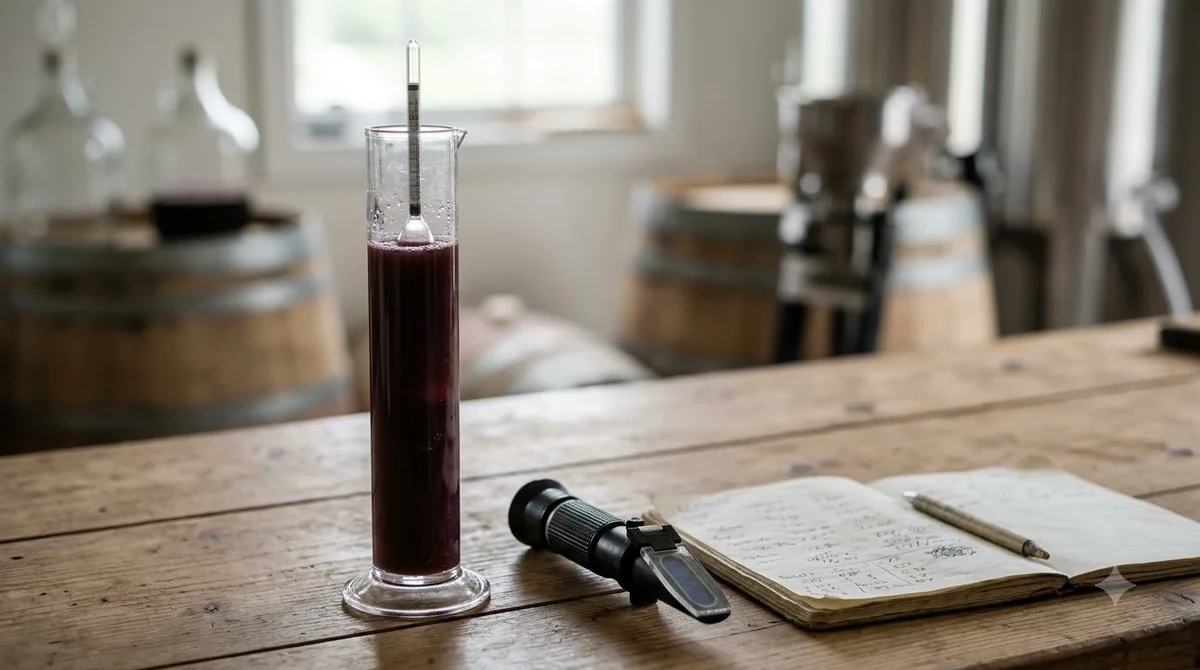
The producer’s 2015 technical sheet provides an example of how closely the production process is connected to the finished wine. It records an average grape maturity of 24.5 Brix and harvest dates running from August 11 through September 24. Brix measures the concentration of soluble solids in grape juice, with sugar representing the principal component relevant to fermentation.
However, Brix alone does not establish the final ABV. Fermentation conditions, yeast performance, residual sugar, and blending decisions also matter. Two Chardonnay wines made from grapes with similar initial sugar measurements can finish with somewhat different alcohol levels.
Oak fermentation and texture
The producer’s 2015 technical sheet describes a combination of barrel and stainless-steel fermentation. Some of the Chardonnay juice fermented in French and American oak, while the remaining portion fermented in stainless steel. This approach allowed the wine to combine oak-derived characteristics with a fresher expression of Chardonnay fruit.
The same technical sheet reports six months of barrel aging on the lees, with monthly stirring. Lees are the spent yeast cells and other particles left after fermentation. Contact with lees can contribute a fuller texture and additional complexity. Malolactic fermentation was also used to soften acidity and create a smoother mouthfeel.
These choices help explain why Clos du Bois Chardonnay can feel rounded and creamy rather than sharply lean. However, oak aging and malolactic fermentation should not be confused with increasing alcohol. They influence texture, aroma, and flavor, whereas ABV is determined primarily by the amount of ethanol remaining in the finished wine.
Alcohol in a 750 ml Bottle and a Typical Glass
A standard 750 ml bottle of Clos du Bois Chardonnay contains approximately 101 to 104 ml of pure alcohol when its ABV falls between 13.5% and 13.9%. A conventional 5-ounce pour contains approximately 20 to 21 ml of pure alcohol. These calculations make it easier to compare a glass with an entire bottle.
To calculate pure alcohol, multiply the wine’s volume by its ABV expressed as a decimal. For example, a 750 ml bottle at 13.9% ABV contains 750 multiplied by 0.139, or 104.25 ml of pure alcohol. The same calculation works for a smaller glass or a different bottle size.
| Wine amount | Volume | At 13.5% ABV | At 13.9% ABV |
|---|---|---|---|
| Small pour | 3 oz | 12.0 ml alcohol | 12.3 ml alcohol |
| Standard pour | 5 oz | 19.9 ml alcohol | 20.5 ml alcohol |
| Larger pour | 6 oz | 23.9 ml alcohol | 24.6 ml alcohol |
| Half bottle | 375 ml | 50.6 ml alcohol | 52.1 ml alcohol |
| Full bottle | 750 ml | 101.3 ml alcohol | 104.3 ml alcohol |
The table uses US fluid ounces for the serving measurements and milliliters for the pure alcohol calculations. The figures are approximate and illustrate how the same wine produces different alcohol quantities depending on the amount poured.
A 750 ml bottle holds approximately five standard 5-ounce glasses. However, five glasses is a serving calculation, not a statement that every home pour will be exactly 5 ounces. Wine glasses vary considerably in shape and capacity, and a generously filled glass can contain substantially more wine than a measured serving.
For additional context, the National Institute on Alcohol Abuse and Alcoholism’s standard drink explanation defines a US standard drink as containing approximately 14 grams, or 0.6 fluid ounces, of pure alcohol. Its familiar wine example is a 5-ounce serving at 12% ABV. Since Clos du Bois Chardonnay is around 13.5% to 13.9% in the documented examples, a 5-ounce serving contains more alcohol than that 12% reference glass.
Tip: Use a measuring cup or wine measure to establish what a 5-ounce serving looks like in your glass. A large wine glass can hold considerably more than one standard serving without appearing particularly full.
How Clos du Bois Compares With Other Chardonnay Wines
At approximately 13.5% to 13.9% ABV, Clos du Bois Chardonnay sits toward the fuller-alcohol side of many familiar white wines. It is not unusually strong for a California Chardonnay, but its alcohol concentration is higher than that of many lighter-bodied whites. The comparison is useful when choosing between a crisp, lighter wine and a richer style.
Chardonnay is a flexible grape variety. Its final style depends on climate, grape ripeness, fermentation, aging, and the decisions made by the winemaker. Cooler growing conditions can produce wines with fresher acidity and relatively restrained alcohol, while warmer conditions and riper fruit can contribute a fuller profile and higher potential alcohol.
For example, a Chardonnay at 12% ABV contains 90 ml of pure alcohol in a 750 ml bottle. A Clos du Bois bottle at 13.9% contains approximately 104.25 ml. That is a difference of 14.25 ml of pure alcohol across the two bottles, even though both are the same grape variety.
Other popular white varieties offer useful comparisons. Sauvignon Blanc often emphasizes higher acidity and citrus or herbal flavors. Riesling can range from very dry to sweet, with acidity that frequently provides a fresh impression. Moscato generally has a lighter alcohol profile, although its actual strength depends on the particular bottling.
Chardonnay, by contrast, can develop a broader texture through oak fermentation, lees contact, and malolactic fermentation. Clos du Bois uses these techniques in its documented 2015 production example. Its reported combination of apple, pear, oak, and cream characteristics helps explain why the wine can feel richer than a simple comparison of ABV percentages might suggest.
For another branded Chardonnay comparison, see our article about Black Box Chardonnay alcohol content. Looking at both wines’ bottle percentages provides a more useful comparison than relying on brand names or grape varieties alone. Different brands can use the same grape while producing wines with noticeably different alcohol levels and textures.
Flavor, Body, and the Effect of Alcohol
Clos du Bois Chardonnay combines ripe fruit characteristics with oak influences and a rounded texture. Its documented alcohol range contributes to the impression of body and warmth, but it does not explain every flavor in the glass. The wine’s fruit ripeness, acidity, fermentation methods, and oak treatment also shape its overall character.
Wine Enthusiast’s review of the 2023 vintage identifies melon, yellow apple, apricot, and toasted oak aromas. Its description of the palate includes melon, peach, orange, and vanilla cream. These characteristics fit a familiar California Chardonnay profile with generous fruit and a noticeable creamy component.
The older 2015 producer technical sheet describes apple blossom, ripe pear, sweet lemon, toasty oak, spice, and cream. It also identifies a silky texture and a fresh finish. The overlap between the fruit and oak descriptions helps illustrate the style associated with this bottling, although individual vintages can express those characteristics differently.
Understanding alcohol warmth
Alcohol can contribute a warming sensation, particularly when a wine is served too warm. A Chardonnay at 13.9% ABV may feel fuller and warmer than a lighter white at 11.5% ABV, even if both wines have similar fruit aromas. This does not mean that the higher-alcohol wine necessarily tastes sweeter.
Sweetness and alcohol are separate characteristics. A wine can have a dry finish and still contain a relatively high percentage of alcohol. The producer’s 2015 technical sheet, for example, reports 3.6 grams per liter of residual sugar alongside 13.5% ABV. Residual sugar measures the sugar remaining after fermentation, while ABV measures the concentration of ethanol.
Acidity also influences the impression of balance. The 2015 technical sheet lists acidity at 5.7 grams per liter and a pH of 3.3. These measurements describe different aspects of acidity and should not be confused with alcohol content. Together with fruit concentration and oak influence, they help shape the overall impression of the wine.
Readers interested in the actual aroma and flavor profile can explore our Clos du Bois Chardonnay tasting notes. The tasting profile provides useful context because two wines with identical ABV figures can still have very different fruit intensity, acidity, oak character, and texture.
Best Serving Temperature and Food Pairings
Clos du Bois Chardonnay is best served chilled at approximately 50 to 55 degrees Fahrenheit, a suitable range for fuller-bodied white wines. This temperature allows the fruit and oak characteristics to remain expressive without making the wine seem excessively warm or heavy. Serving it directly from a very cold refrigerator can initially mute some of its aromas.
A bottle taken from a refrigerator can be allowed to warm slightly before pouring. If the wine becomes too warm in the glass, a short period in an ice bucket can help bring it back into the preferred range. Avoid serving the wine close to room temperature simply because it is a white wine with a relatively full body.
The wine’s fruit-forward profile and rounded texture make it a natural companion for several familiar dishes. The producer’s 2015 technical sheet specifically recommends fish prepared with lemon butter sauce, pasta in cream sauce, and herb-roasted chicken. These combinations work because the wine’s acidity can refresh the palate while its body complements richer ingredients.
Seafood and fish
Clos du Bois Chardonnay pairs particularly well with salmon, halibut, cod, shrimp, and other moderately rich seafood dishes. Lemon-butter fish is a documented pairing from the producer, and its combination of acidity and creamy sauce complements the wine’s apple, pear, and oak characteristics.
Grilled shrimp with garlic butter or baked cod with herbs can also work well. For more delicate seafood, keep the seasoning relatively restrained so that strong spices do not overwhelm the wine’s fruit and texture. Light citrus sauces, fresh herbs, and moderate butter are useful ingredients.
Chicken and creamy pasta
Herb-roasted chicken is another producer-recommended pairing. Roasted poultry has enough flavor and texture to complement a fuller Chardonnay without overwhelming its fruit. Rosemary, thyme, lemon, and moderate amounts of butter can help connect the food and wine.
Creamy pasta dishes are equally suitable. Fettuccine Alfredo, mushroom cream pasta, and chicken pasta with a light Parmesan sauce provide richness that works with the wine’s rounded texture. The wine’s acidity helps prevent the combination from feeling excessively heavy.
Cheese can also make a good accompaniment. Brie, mild Gouda, and young Gruyere offer creamy or nutty flavors without introducing the strong tannins found in many red wines. These softer cheeses can complement Chardonnay’s vanilla and toasted-oak characteristics.
Spicy food requires a little more care. Chili heat can become more noticeable alongside alcohol, so heavily spiced dishes may make a 13.5% to 13.9% Chardonnay seem warmer than expected. If serving spicy food, consider mild seasoning and dishes with enough richness to balance the overall combination.
How to Read the Clos du Bois Chardonnay Label
The easiest way to establish the alcohol percentage of a specific Clos du Bois bottle is to look for the alcohol statement printed on its label. In the United States, this is generally expressed as a percentage by volume, such as 13.5% or 13.9%. The number refers to the concentration of alcohol, not the amount of wine in the bottle.
Look for wording such as Alcohol, Alc. by Vol., or Alc/Vol. The statement may appear near the bottom of the front or back label, depending on the bottling and label design. A percentage followed by ABV or alcohol by volume represents the same measurement.
It is also helpful to distinguish the vintage from the bottling information. The vintage identifies the year the grapes were harvested, while the bottle size identifies the amount of wine inside. A 750 ml bottle can contain 13.5% alcohol in one documented vintage and 13.9% in another.
Online product descriptions can be useful starting points, but they sometimes combine information from different vintages. A retailer may list a general product without identifying the exact harvest year. Another listing may display an older technical specification even when the available stock is newer.
When comparing two bottles, use three pieces of information: the wine name, the vintage, and the alcohol percentage. This avoids confusing the classic Chardonnay with other Clos du Bois wines. The brand also produces red wines, which have different grape varieties and alcohol profiles. Our overview of Clos du Bois red wine provides a separate reference for those bottles.
For broader information about wine producers and their different bottlings, visit our Wine Brands section. It provides a starting point for comparing familiar labels, grape varieties, and regional styles.
Remember that ABV is not a measure of quality. A 13.5% Chardonnay is not automatically better or worse than a 13.9% Chardonnay. The best comparison considers the vintage, flavor profile, balance, texture, and the kind of wine you enjoy.
Frequently Asked Questions
Does Clos du Bois Chardonnay have more alcohol than Pinot Grigio?
It depends on the particular Pinot Grigio bottling. Many Pinot Grigio wines fall around 11.5% to 13% ABV, while the documented Clos du Bois Chardonnay examples range from 13.5% to 13.9%. A bottle-specific comparison is more reliable than assuming every wine made from either grape has the same strength.
Does Clos du Bois Chardonnay contain sulfites?
Clos du Bois Chardonnay, like many conventional wines, contains sulfites. The producer’s 2015 technical sheet includes a sulfite statement. Sulfites can occur naturally during fermentation and may also be used in winemaking to help protect wine from oxidation and unwanted microbial activity.
Can Clos du Bois Chardonnay be used in cooking?
Yes. Chardonnay can be used in recipes for seafood sauces, chicken dishes, risotto, and cream-based pasta. Its fruit and oak characteristics can contribute flavor to pan sauces and reductions. The producer specifically identifies lemon-butter fish and cream-sauce pasta as suitable food matches for its 2015 Chardonnay.
How long can an opened bottle of Clos du Bois Chardonnay be kept?
An opened still white wine is generally best used within 3 to 5 days when properly resealed and refrigerated. Exposure to oxygen gradually changes its aroma and flavor. A tight-fitting wine stopper can help limit air exposure, although it cannot completely prevent the wine from evolving after opening.
Is Clos du Bois Chardonnay made entirely from Chardonnay grapes?
The producer’s 2015 technical sheet identifies the wine as Chardonnay, and its grape sourcing description discusses Chardonnay fruit from California vineyards. The variety is named for the principal grape used to make the wine. For the precise composition of a particular commercial bottling, the relevant vintage’s technical documentation provides the most specific information.
Clos du Bois Chardonnay typically sits around 13.5% to 13.9% ABV in the documented examples, making it a relatively full-bodied California white wine. Its combination of ripe fruit, oak influence, and creamy texture makes it particularly suitable for seafood, roasted chicken, and rich pasta dishes. Comparing the vintage and alcohol statement on the bottle is the simplest way to identify the exact strength of the Chardonnay you are considering.
More in Wine Brands
 Louis Latour Wine Price: Compare Bottles by Style and TierUpdated Nov 20, 2026
 Yellow Tail Moscato Price: What to Expect Before You BuyUpdated Nov 20, 2026
 Sutter Home Sweet Red Review: Find the Right Food PairingsUpdated Nov 20, 2026
 Franzia Chillable Red Review: Find the Right Serving StyleUpdated Nov 20, 2026
 Veuve Clicquot Rose Review: Flavor, Food Pairings and Buying AdviceUpdated Nov 20, 2026
 Rombauer Wine Price: Compare Bottles Before You BuyUpdated Nov 20, 2026