

We may earn a commission when you buy through links on this page, at no extra cost to you. Learn more.
Sauvignon Blanc with salmon is an excellent match when the fish is prepared with lemon, fresh herbs, or a light, citrus-based sauce. The wine’s high acidity refreshes the palate between bites, while its green, citrus, and mineral flavors complement salmon without covering up its flavor. Choose a crisp, unoaked bottle for simply prepared fillets, and consider a fuller style when the dish has stronger seasoning or a richer sauce.
Salmon is rich enough to work with a range of wines, but its preparation makes a big difference. A squeeze of lemon creates a different pairing from a maple glaze, a smoky crust, or a butter sauce. The most reliable approach is to match the weight and seasoning of the finished dish rather than choosing a wine for the fish alone.
Why Sauvignon Blanc Works With Salmon
Sauvignon Blanc brings the acidity and aromatic freshness that help balance salmon’s naturally rich flesh. The combination is especially successful when the fish is served with citrus, dill, parsley, chives, or other fresh herbs.
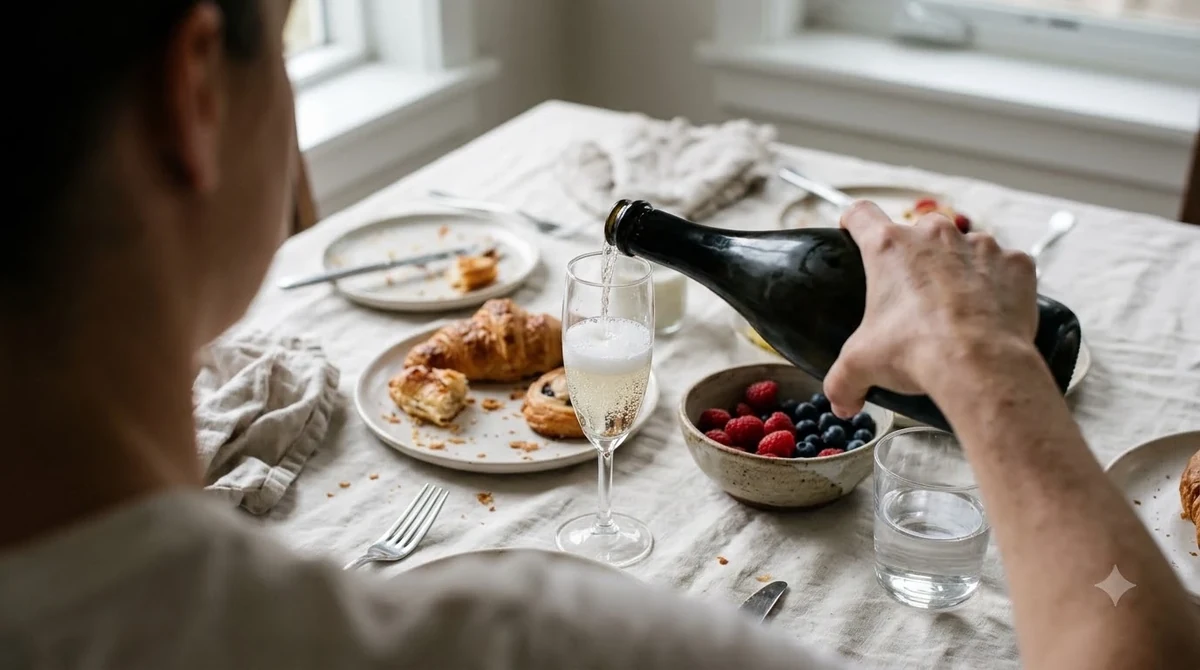
Salmon has more oil and a firmer texture than many white fish, so a very delicate wine can seem faint beside it. Sauvignon Blanc usually has enough acidity to refresh the palate after a buttery or oily bite, while its light-to-medium body keeps the pairing from feeling heavy. Its acidity also works naturally with lemon juice, vinaigrette, and other tart elements that often appear in salmon recipes. The wine should complement the fish, not make the plate taste sharper or more sour.
The grape’s aromatic profile helps explain the match. Depending on its origin and winemaking, Sauvignon Blanc can suggest grapefruit, lime, gooseberry, green apple, passion fruit, cut grass, or fresh herbs. Those flavors can echo a lemon-and-dill garnish, a green salad, or a salsa made with cucumber and parsley. Its generally dry character also gives savory ingredients room to show through instead of adding sweetness to a simple fish preparation.
Texture is the other part of the equation. Salmon cooked gently with a little olive oil or a quick pan sear has enough richness to stand up to a bright white wine, but it does not need the weight of a strongly oaked, full-bodied bottle. The best match is often a clean, refreshing Sauvignon Blanc whose acidity contrasts with the fish’s fat and whose herbal notes connect with the seasoning. For a broader framework, the Grape x Food pairing guide explains how acidity, body, salt, and sauce affect wine choices across different meals.
Loire Valley, Marlborough, and Napa Sauvignon Blanc Styles
Region is a useful shortcut because climate and cellar choices shape Sauvignon Blanc’s flavor and body. Loire Valley bottles tend to emphasize citrus, green fruit, and mineral notes; Marlborough often adds vivid fruit and herbal character; Napa examples can be broader, riper, and sometimes oak-influenced.
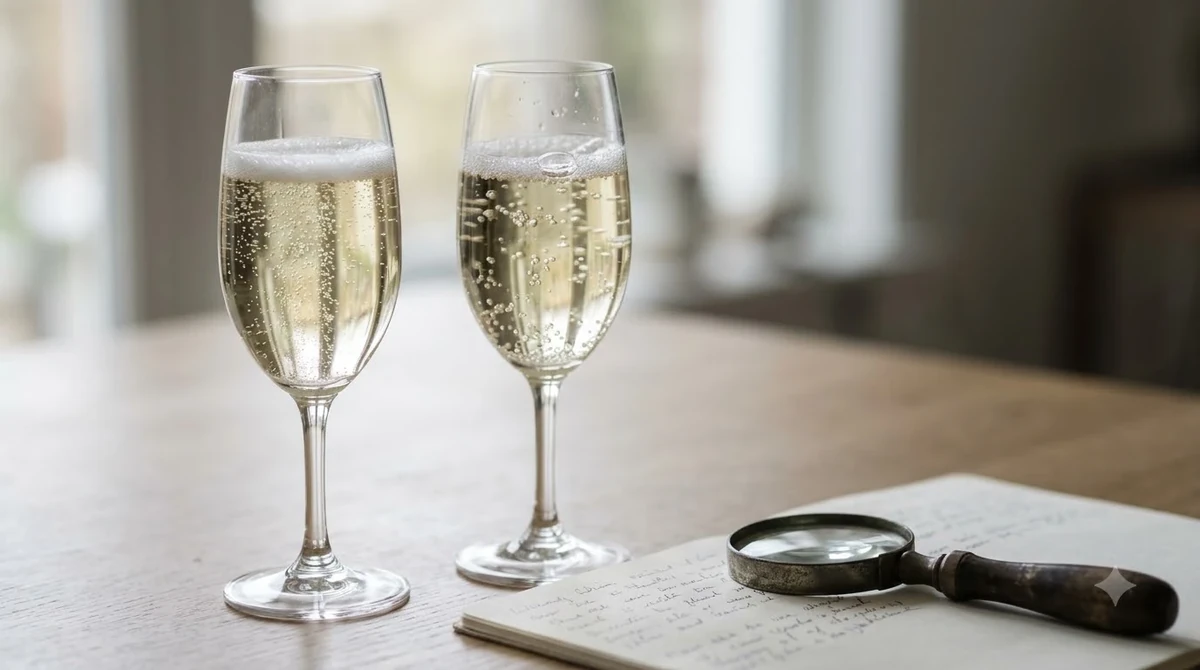
For salmon with lemon, capers, or fresh herbs, look first to Sancerre or Pouilly-Fumé in France’s Loire Valley. These appellations produce dry Sauvignon Blanc with high acidity and aromas that can include grass, asparagus, and green apple. That crisp profile works especially well with poached salmon, simply grilled fillets, and dishes finished with parsley, tarragon, or dill. Touraine is another Loire option when a fruitier, straightforward style is preferred.
Marlborough, on New Zealand’s South Island, is a strong choice when the plate includes lime, cilantro, cucumber, or a fresh herb sauce. The region’s Sauvignon Blanc can combine gooseberry and asparagus notes with tropical fruit such as passion fruit. This aromatic intensity stands up to a generous squeeze of lime or a salsa with mango, provided the salmon itself is not overwhelmed by sweet glaze. A bright Marlborough bottle can also work with salmon tacos that use fresh cabbage and a restrained amount of heat.
Napa Valley Sauvignon Blanc can be a different proposition. Some examples are ripe, fuller in body, or matured in oak, with notes that move toward vanilla, smoke, honey, or nuts rather than only grass and citrus. Those bottles can be useful with salmon that has a browned surface, roasted vegetables, or a modestly rich sauce. They are not automatically the best choice for delicate poached fish, though: a subtle preparation usually benefits from a leaner, fresher wine. The WSET overview of Sauvignon Blanc describes how growing conditions and cellar decisions contribute to these regional differences.
Pairing Sauvignon Blanc With Each Salmon Cooking Method
Cooking changes salmon’s texture, flavor intensity, and surface character, so the ideal Sauvignon Blanc changes with it. A crisp Loire or New Zealand style is most dependable with poached, steamed, or citrus-finished fish, while char, smoke, and sweet glazes call for more careful choices.
Poached, steamed, or baked salmon: Gentle cooking keeps the fish moist and mild, making it one of the easiest matches for a lean, unoaked Sauvignon Blanc. Add lemon, dill, parsley, or a light cucumber relish and the wine’s acidity and herbal aromas will connect with the plate. Oven-roasted salmon with garlic, rosemary, tomatoes, olives, or capers also suits a citrus-driven style. Keep sauces light rather than using heavy cream, which can make a very lean wine seem angular.
Grilled or pan-seared salmon: A crisp Sauvignon Blanc works when the fish has a moderate char and is served with lemon, herbs, or grilled zucchini. Choose a wine with ripe citrus or stone-fruit character if the fillet has a deeply browned surface, since very austere wines can seem thin beside stronger grill flavors. When the fillet is particularly rich or the crust is heavily caramelized, a fuller white or a light red may be more harmonious. Decanter’s salmon pairing recommendations distinguish herb-and-citrus preparations from grilled, smoked, and spiced dishes rather than treating every salmon plate alike.
Smoked salmon: Delicate cold-smoked salmon can work with a particularly crisp Sauvignon Blanc, especially when served with lemon, cucumber, or herbs. But smoke and salt can dominate a highly aromatic white, so sparkling wine or dry Riesling is often more reliable for heavily smoked fish, bagels with cream cheese, or platters with onion and capers. Choose Sauvignon Blanc here for a light, garnish-led preparation rather than assuming it is the best match for every smoked version.
Herbs, Citrus, Sauces, and Side Dishes
The ingredients around the salmon can make the pairing feel precise. Lemon, lime, dill, parsley, cucumber, and green vegetables tend to support Sauvignon Blanc, while heavy cream, pronounced sweetness, and strong chile heat may call for a different balance.
Lemon, herbs, and green vegetables: This is the clearest route to a successful match. Lemon juice mirrors the wine’s citrus character, and dill, chives, parsley, tarragon, and cilantro connect with its green aromas. Asparagus, peas, green beans, zucchini, cucumber, and leafy greens also make natural companions. A cucumber, fennel, and dill salad provides a cool contrast to warm salmon, while roasted asparagus gives the meal a savory edge. Goat cheese can add a salty, tangy element that often sits comfortably beside Sauvignon Blanc. Keep the acid in dressings measured: a sharply vinegary salad needs a wine with equally lively acidity.
Butter, cream, and yogurt sauces: A small amount of butter can be fine with a rounded Sauvignon Blanc, but a thick cream sauce changes the balance. The richness can make a very lean, high-acid wine seem narrow, especially if the sauce includes Parmesan or a large amount of butter. For a creamy dill sauce, use a wine with more body or some lees or oak influence, or consider Chardonnay instead. A yogurt sauce with cucumber, lemon, and herbs is lighter and more likely to suit a classic unoaked Sauvignon Blanc.
Sweet glazes and spicy toppings: Honey, maple, brown sugar, and teriyaki make salmon taste sweeter and more intensely savory. A bone-dry Sauvignon Blanc may seem sharper next to a sweet glaze, so keep the sweet element restrained or select a fruitier, fuller white. Chile, jalapeño, wasabi, and hot sauce also change the equation because alcohol and tannin can amplify the sensation of heat. Sauvignon Blanc can handle a fresh, zesty salsa, but a dish with substantial chile heat may be better with an off-dry Riesling or Pinot Gris.
When Another Wine Is a Better Match
Sauvignon Blanc is a strong option for salmon with fresh herbs and citrus, but it is not a universal solution. The fish’s richness, smoke, sauce, sweetness, and heat can point toward Chardonnay, Riesling, sparkling wine, rosé, or a light red instead.
For salmon with a generous butter or cream sauce, Chardonnay is often the more natural partner. Its fuller texture can match the sauce without feeling thin, and gentle oak notes can echo browned butter or a roasted surface. An unoaked Chardonnay such as Chablis offers more restraint, while a modestly oaked style can work with salmon baked in a cream sauce or served with mushrooms. Sauvignon Blanc remains possible when the sauce is light and sharply herbaceous, but it should have enough body to avoid disappearing beside the dish.
For strong smoke, cured salmon, or a salty smoked-fish platter, sparkling wine is a dependable alternative. Champagne, Cava, and other traditional-method sparkling wines bring high acidity and bubbles that refresh the palate after oily, salty bites. Dry Riesling can also work with smoked salmon, particularly when the plate includes onion, capers, and lemon. These alternatives are often more forgiving than a very grassy Sauvignon Blanc when smoke is the dominant flavor.
For deeply seared salmon, a light-bodied Pinot Noir can be more satisfying than a white wine. Its red-fruit flavors and acidity can meet the caramelized surface while its relatively low-to-medium tannin avoids overpowering the fish. Beaujolais is another option for a grilled or seared fillet. Avoid pairing oily salmon with a heavily tannic Cabernet Sauvignon or a powerful Syrah; tannin can clash with the fish’s oils and make the combination seem harsh. For a different poultry pairing, Sauvignon Blanc with chicken shows how the same wine can work with fresh herbs and lighter sauces, while the food’s texture still guides the choice.
Serving Temperature, Pour Size, and Storage
Temperature affects how Sauvignon Blanc tastes with salmon: too warm can make the wine seem soft and alcoholic, while excessive chilling can mute its aromas. Serve most light, unoaked examples at 45–50°F, and allow fuller, oak-influenced bottles a little more warmth.
Use a standard white-wine glass with enough room to swirl the wine gently. A 5-ounce pour gives space in the glass and leaves room for the wine’s citrus and herbal aromas to develop. A standard 750-milliliter bottle provides about five such glasses, which is a practical amount for a meal shared by several people. Pour a little less at first if the salmon has a complex sauce or if guests may want to compare a second style with the same dish.
| Wine or serving detail | Recommended amount or temperature | Best use |
|---|---|---|
| Light, unoaked Sauvignon Blanc | 45–50°F | Poached, steamed, or lemon-herb salmon |
| Fuller, oak-influenced Sauvignon Blanc | 50–55°F | Roasted salmon or richer sides |
| Individual wine pour | 5 oz | Standard dinner serving |
| Standard bottle | 750 ml; about 5 pours | Approximately five standard glasses |
| Opened still Sauvignon Blanc | 3–5 days refrigerated | Reseal promptly and keep chilled |
Tip: Chill the bottle before serving, then pour a small first glass while the salmon is being plated. If the wine seems muted, let it warm slightly in the glass rather than leaving the entire bottle at room temperature. This is especially useful for a fragrant Marlborough Sauvignon Blanc, where a little warmth can help its fruit and herbal aromas show clearly.
For unopened bottles, store Sauvignon Blanc away from direct light and temperature swings. A cool storage area near 55°F is suitable, and bottles with natural corks are generally stored on their sides. After opening, reseal the bottle and place it in the refrigerator; most still whites remain enjoyable for about 3–5 days, although their freshest aromas are usually most apparent earlier. Bring the remaining wine back to serving temperature before pouring it with another meal.
Frequently Asked Questions
These answers explain Sauvignon Blanc’s sweetness, structure, winemaking options, and regional differences, including details that can help when choosing a bottle.
Is Sauvignon Blanc a dry wine?
Most Sauvignon Blanc is made in a dry style, meaning it has little perceptible residual sugar. The grape can still taste fruity because aromas such as passion fruit, grapefruit, and peach create an impression of ripe fruit without making the wine sweet.
Does Sauvignon Blanc contain tannins?
White Sauvignon Blanc has no meaningful tannin structure compared with red wines because the juice is generally fermented without extended contact with grape skins. This makes it a useful choice for delicate fish dishes where firm red-wine tannins could distract from the food.
Can Sauvignon Blanc be made with oak?
Yes. Although many examples are fermented and stored in stainless steel, some producers use oak barrels or blend Sauvignon Blanc with Sémillon. In Bordeaux, that combination can produce a broader white wine with more texture than a crisp, unoaked varietal bottling.
Does Sauvignon Blanc pair with salmon sushi?
It can, particularly a dry, citrus-driven style served with simple salmon nigiri or sashimi. The rice seasoning, soy sauce, wasabi, and accompaniments all affect the match, so a clean mineral white such as Sancerre is usually a better starting point than a strongly oaked bottle.
What is the difference between Sancerre and Pouilly-Fumé?
Both are Loire Valley appellations known for dry Sauvignon Blanc, but they are separate wine-growing areas on opposite banks of the Loire River. Pouilly-Fumé is often associated with a flinty or smoky impression, while Sancerre can show a range of citrus, green-fruit, and mineral expressions depending on its site and producer.
Sauvignon Blanc is an especially rewarding partner for salmon when lemon, fresh herbs, and clean flavors lead the recipe. Start with a crisp Loire Valley or Marlborough bottle, then adjust the wine’s body and intensity to suit the sauce, smoke, or char on the plate. Matching the finished dish rather than the fish alone is the simplest way to make the pairing work.
More in Food & Wine Pairing
 Risotto With White Wine Recipe: Make a Creamy Dinner at HomeUpdated Nov 20, 2026
 Wassail With Wine Recipe for a Festive Spiced Holiday DrinkUpdated Nov 20, 2026
 Spritz Veneziano Recipe: Make a Classic Venetian Aperitivo at HomeUpdated Nov 20, 2026
 Summer Wine Punch Recipe for Easy Homemade EntertainingUpdated Nov 20, 2026
 Bishop Recipe: How to Make a Bright, Citrus-Forward Red Wine CocktailUpdated Nov 20, 2026
 Wine Cupcakes Recipe: Bake Rich Chocolate Cupcakes at HomeUpdated Nov 20, 2026