

We may earn a commission when you buy through links on this page, at no extra cost to you. Learn more.
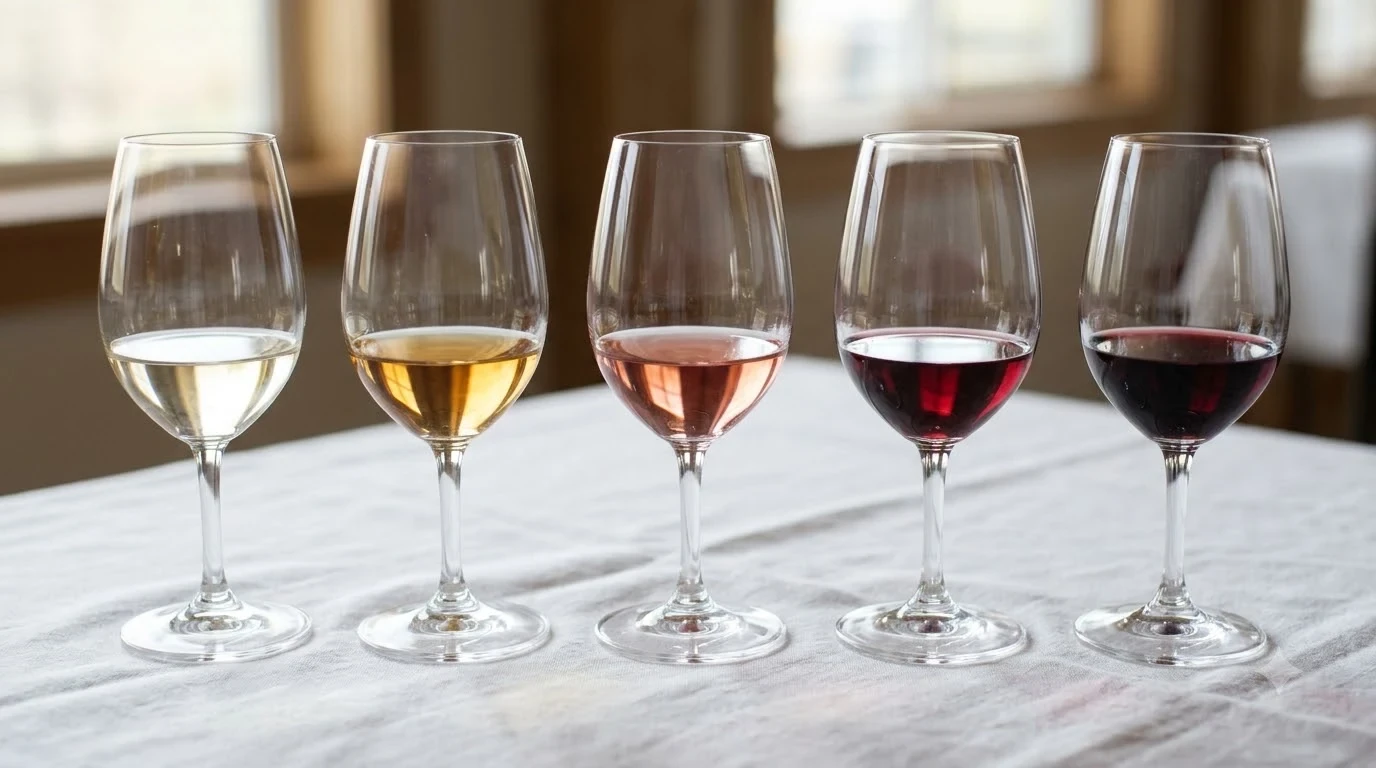
rose vs sauvignon blanc is not a comparison between two grape varieties: rosé is a wine style, while Sauvignon Blanc is a white grape and the dry white wine made from it. Rosé can be made from many red grapes, so its flavor and body vary widely. Sauvignon Blanc has a more consistent signature of bright acidity and aromatic fruit, although climate and winemaking create meaningful differences. The better choice depends on the bottle’s style, the food, and whether you prefer red-fruit or citrus-and-herb flavors.
Both wines can be crisp, refreshing, and easy to serve with food, but they arrive at that freshness by different routes. Use the grape, region, production method, and sweetness level—not color alone—to decide which bottle will suit the meal.
What the Names Actually Mean
Rosé describes the wine’s pink color and production style; Sauvignon Blanc names a grape variety. That difference matters because a rosé made from Grenache in Provence can taste quite unlike a rosé made from Pinot Noir in Oregon, while Sauvignon Blanc remains a wine made primarily from one recognizable white grape.
Most rosé gets its color from dark grape skins; the pulp and juice are usually pale. Winemakers control the shade through skin contact, and common grapes include Grenache, Cinsault, Syrah, Mourvèdre, Pinot Noir, Sangiovese, and Cabernet Franc. Climate, picking date, and extraction help determine whether the wine tastes delicate and citrusy or deeper and more savory.
Sauvignon Blanc is a green-skinned white grape grown in Sancerre, Marlborough, Casablanca Valley, and Napa Valley. Its usual signature is high acidity, with aromas ranging from cut grass, herbs, and green pepper to grapefruit, passion fruit, and guava. Cool-climate versions often feel lean and mineral; warmer sites can produce riper, more tropical fruit.
Neither name guarantees sweetness. Many rosés are dry, especially in Provence, but off-dry and sweet versions exist; Sauvignon Blanc is usually dry, though a little residual sugar may remain. Color comes from grape pigments, while sweetness depends on the sugar left after fermentation.
Flavor, Acidity, Body, and Sweetness
Rosé typically emphasizes fresh red fruit and a light-to-medium feel, while Sauvignon Blanc is known for pronounced acidity and vivid citrus or herbal aromas. These are broad patterns rather than guarantees: a structured Tavel rosé can be more substantial than a light Sauvignon Blanc, and an oak-aged Sauvignon Blanc can feel rounder than a pale, direct-pressed rosé.
A lighter rosé may show strawberry, watermelon, raspberry, red currant, or pink grapefruit, with a brisk palate and little obvious tannin. Deeper examples can bring cherry, blood orange, dried herbs, and more grip. Saignée rosé often gains color, concentration, and tannin from extended skin contact.
Sauvignon Blanc is more sharply defined by acidity. Cooler sites may preserve lime, grass, nettle, asparagus, and green pepper; riper fruit can shift toward grapefruit, passion fruit, guava, or melon. Loire examples can add flinty mineral notes, while oak-aged versions feel broader and may show vanilla or baking spice.
| Comparison point | Rosé | Sauvignon Blanc |
|---|---|---|
| What the name identifies | A pink wine style made from dark-skinned grapes | A white grape variety and the wine made from it |
| Common flavor cues | Strawberry, watermelon, raspberry, citrus | Lime, grapefruit, grass, herbs, passion fruit |
| Acidity | Usually medium to high; varies by grape and region | Typically high and mouthwatering |
| Typical body | Light to medium; some examples are more structured | Usually light to medium, with fuller oak-aged styles |
| Example production number | California skin contact averages 6–24 hours, according to Wine Institute | Wine Enthusiast gives a typical alcohol range of 12.5–14% ABV |
| Good starting serving temperature | 45–50°F | 45–50°F; fuller oak-aged examples can be served at 50–55°F |
The table is a starting point, not a guarantee. A ripe Grenache rosé can feel rounder than a pale Cinsault blend; Marlborough Sauvignon Blanc often emphasizes tropical fruit, while Sancerre leans toward citrus, herbs, and mineral notes. Fruit aroma can be mistaken for sugar: passion fruit in Sauvignon Blanc and strawberry in rosé can smell ripe even in dry wines. Choose a dry style rather than relying on color or fruit intensity, because a touch of residual sugar changes the pairing even when acidity keeps the finish lively.
How Winemaking Shapes Each Glass
Rosé is made by managing contact between dark grape skins and pale juice, while Sauvignon Blanc is generally made by pressing white grapes and fermenting the juice without extended skin contact. The key rosé choices are direct pressing, short maceration, and saignée; for Sauvignon Blanc, picking decisions, fermentation vessel, and any oak aging have a strong influence.
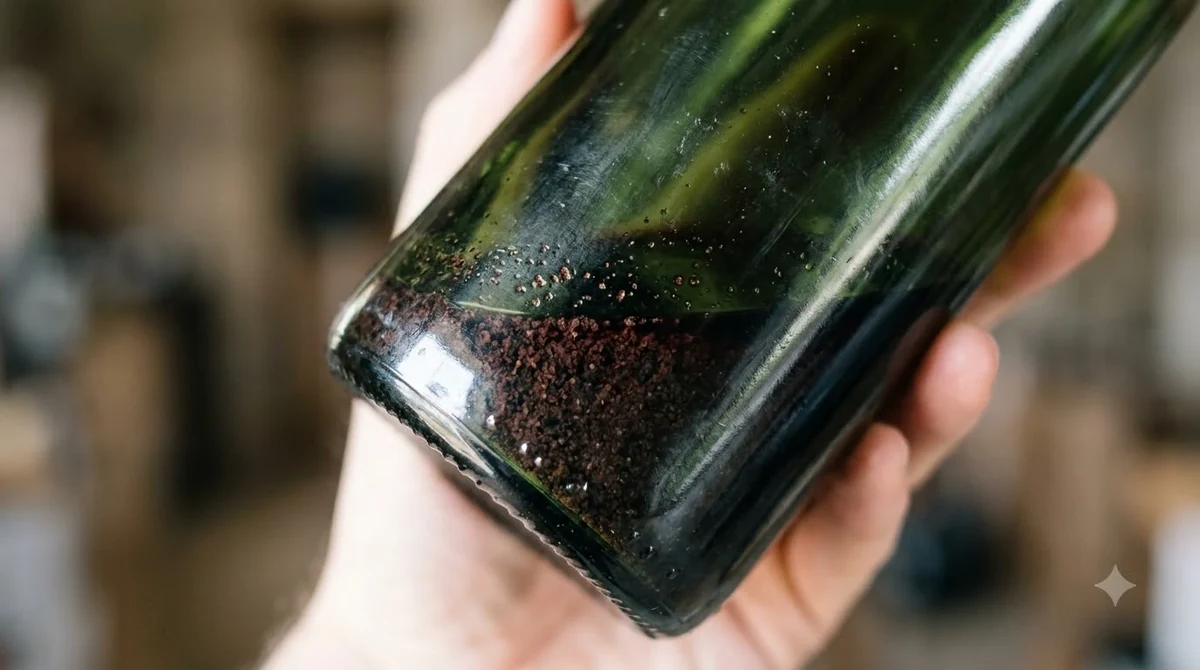
With direct pressing, Grenache or Cinsault grapes are pressed soon after arrival, giving the juice brief skin contact and a pale, delicate, citrus-leaning profile. In short maceration, crushed grapes rest with their skins before fermentation. Wine Enthusiast gives a range of a few hours to a week; shorter contact usually means less color. The California Wine Institute cites an average of 6 to 24 hours for many California rosés.
With saignée, the winemaker draws pink juice from a tank of red grapes, leaving the remaining red wine with a higher skin-to-juice ratio. The rosé is often more concentrated, colored, and tannic than a direct-press style. Rosé is not generally made by blending finished red and white wine, except in some categories such as rosé Champagne. See Wine Enthusiast’s guide to rosé winemaking for more on these methods.
Sauvignon Blanc is usually pressed and fermented without extended skin contact, then kept in stainless steel to preserve freshness and highlight lime, grapefruit, grass, and mineral notes. In Bordeaux, it may be blended with Sémillon and fermented or aged in oak, adding body and a creamier texture. Harvest timing matters too: early picking can preserve acidity in rosé, while cooler sites and earlier picking favor green notes in Sauvignon Blanc; warmer sites and later picking favor riper fruit.
Regions That Signal a Particular Style
For rosé, Provence is the familiar starting point, but Bandol, Tavel, the Loire Valley, and Spain’s Navarra and Rioja show how varied the category can be. For Sauvignon Blanc, Sancerre, Pouilly-Fumé, Marlborough, Bordeaux, and Casablanca Valley offer distinct expressions of the same grape.
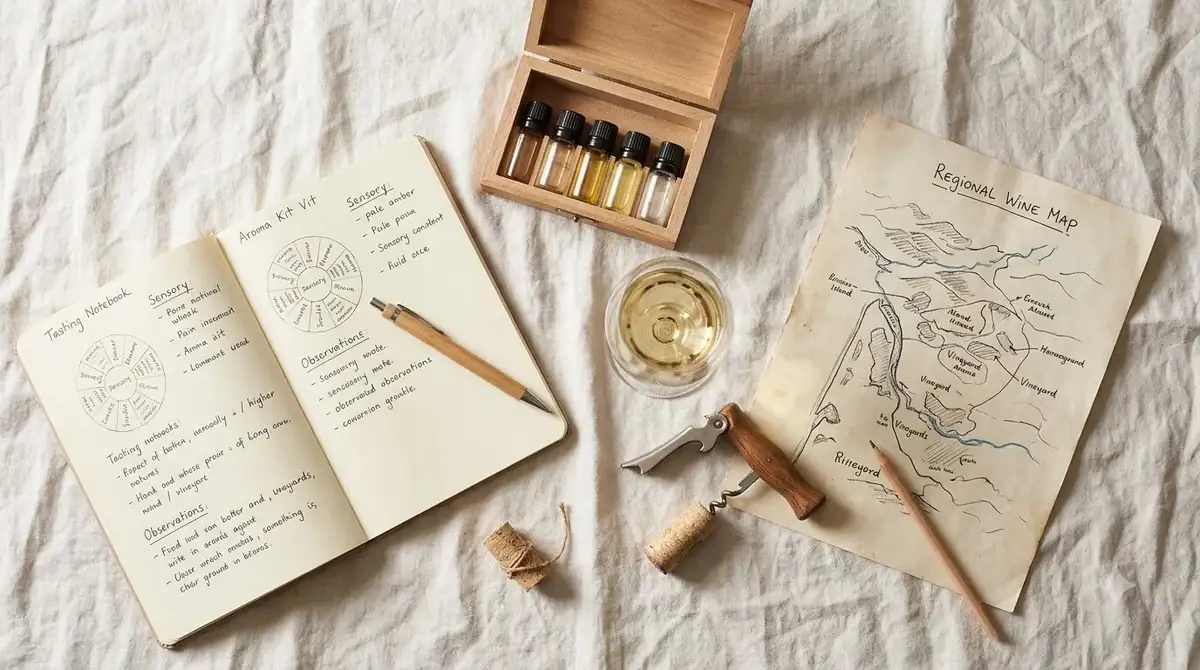
Provençal rosé is often pale, dry, and crisp, with citrus and tart red fruit. Blends commonly include Grenache, Cinsault, Mourvèdre, and Syrah, sometimes with Vermentino, locally called Rolle. Bandol offers a contrast: its Mourvèdre-led rosés can be savory, mineral, structured, age-worthy, and occasionally oak-influenced.
Tavel in the Rhône is devoted exclusively to dry rosé; its Grenache-led wines usually have more color, tannin, and red-fruit depth than pale Provence styles. Loire rosé often uses Cabernet Franc, while Sancerre rosé is made from Pinot Noir. Spanish rosado adds Navarra Garnacha and saignée styles, plus Rioja wines based on Garnacha and Tempranillo.
Sancerre and Pouilly-Fumé in the Loire often show lemon, grapefruit, herbs, firm acidity, and flinty notes. Marlborough, on New Zealand’s South Island, is known for passion fruit, grapefruit, and grassy or jalapeño-like aromas. Look to the Loire for mineral restraint and Marlborough for riper fruit. Bordeaux Blanc may blend Sauvignon Blanc with Sémillon for a rounder texture; Casablanca Valley produces fresh, high-acid examples under cool Pacific influence. California ranges from light styles to richer Fumé Blanc, while Alto Adige balances citrus and herbs. See VinePair’s overview of Sauvignon Blanc regions for further examples.
Food Pairings and Serving Temperatures
Choose rosé when a meal combines several flavors or moves from appetizers to grilled food; choose Sauvignon Blanc when acidity and herbal aromas can echo the dish. Both work with seafood, salads, and vegetables, but the rosé’s red-fruit character and the white wine’s sharper citrus-and-herb profile create different matches.
Dry, light-bodied rosé suits tomato salad, grilled shrimp, salmon, chicken skewers, vegetable tart, and Mediterranean dishes with olives or herbs. Its fruit complements charred peppers and ripe tomatoes, while its acidity refreshes the palate. A structured Tavel or Bandol can handle grilled pork, roast chicken, lamb kebabs, and smoky seasoning.
Sauvignon Blanc works especially well with goat cheese, oysters, mussels, white fish, asparagus, green salads, and parsley, cilantro, mint, or basil. Its acidity cuts through creamy sauces and complements lemon or vinaigrette. Loire examples suit tangy goat cheese; fruitier Marlborough bottles can pair with shrimp, ceviche, sushi, and mildly spicy seafood.
Use acidity as a guide: lemon dressing and pickled vegetables need a wine with equal or higher acidity. Salt and fat soften tannin, helping fuller rosé work with grilled meat or cured ham, while chili heat is amplified by alcohol and tannin, making lighter, lower-alcohol wine the gentler match. Strongly tannic reds are a poor fit for oily fish; the generally low tannin in these two choices makes them more flexible. Serve both chilled, not icy: 45–50°F suits rosé and lighter whites, while fuller oak-aged Sauvignon Blanc can show better at 50–55°F. A 750 ml bottle gives about five 5-ounce pours.
How to Choose the Right Bottle
Start with the meal and the flavor you want, then use region and production clues to narrow the choice. A dry Provence rosé is a safe pick for a broad range of summer dishes, while Sauvignon Blanc is a strong match when citrus, herbs, green vegetables, or tangy cheese lead the menu.
Choose rosé for red-fruit flavor without the weight of most red wines, or for a menu that moves from seafood to grilled meat. Look to Provence for pale, crisp wine; Tavel or Bandol for body and savory detail; and Navarra for Spanish rosado. Mourvèdre can add structure, while Grenache often contributes ripe berry fruit. Deep color does not prove sweetness.
Choose Sauvignon Blanc for a dry white with high acidity and a clear aromatic signature. Look to Sancerre for citrus and mineral notes, Marlborough for passion fruit, and Bordeaux or California Fumé Blanc for a rounder or oak-influenced style. Compare it with other crisp whites in Pinot Blanc vs Sauvignon Blanc or Grüner Veltliner vs Sauvignon Blanc to see which fruit and texture you prefer.
Read descriptions for sweetness and texture clues: dry, crisp, mineral, citrus, grassy, tropical, oaked, and off-dry each suggest a different experience. Pinot Noir rosé may be more delicate than Grenache rosé, just as cool-site Sauvignon Blanc can be leaner than a warm-climate version. Treat regional descriptions as patterns, not guarantees. For a side-by-side tasting, pour each wine at 45–50°F and compare aroma, acidity, texture, and finish; use 5-ounce pours, reseal unfinished bottles, and refrigerate them for about 3–5 days. Before opening, keep bottles away from heat and direct light, ideally near 55°F, and store cork-finished bottles on their sides. Most crisp rosé and Sauvignon Blanc are made to be enjoyed young, while structured Bandol rosé is an exception that can develop with age. Explore more comparisons in the site’s Wine vs Wine hub.
Tip: For a mixed menu, match the wine to the dish with the strongest acidity or most dominant flavor. A dry, crisp rosé can bridge grilled vegetables and chicken, while Sauvignon Blanc is often the better fit for goat cheese, lemon dressing, or herb-heavy seafood.
Frequently Asked Questions
These five details cover the second fermentation of rosé Champagne, the permitted grapes in Tavel, Rioja’s aging terms, Italian rosato, and Basque Txakoli.
Is rosé Champagne made by mixing red and white wine?
It can be made by the rosé d’assemblage method, in which still red and white wines are blended before the second fermentation. Pinot Noir or Pinot Meunier may be added to Chardonnay wine for color and flavor. Champagne producers can also make rosé through skin contact or saignée.
Which grapes may appear in Tavel rosé besides Grenache?
Permitted varieties include Cinsault, Bourboulenc, Clairette, Mourvèdre, Picpoul in its Blanc, Noir, and Gris forms, and Syrah. These grapes allow producers to shape texture and aroma around Grenache’s central role. The blend is one reason Tavel rosé can show more than simple red-fruit character.
What do crianza and reserva mean on Rioja rosado?
Rioja crianza rosado is aged for 12 months, including at least six months in barrel. Reserva rosado is aged for two years, including six months in barrel. Joven or unclassified rosado has no comparable minimum aging requirement.
What is the Italian name for rosé wine?
In Italy, rosé is called rosato, with regional names and styles such as Chiaretto in Lombardy and Veneto. Friuli’s Ramato is a copper-pink style made with extended maceration of Pinot Grigio. Cerasuolo d’Abruzzo is made from Montepulciano and is vinified more like a light red, though its freshness and lively fruit give it a rosé-like role at the table.
Can a rosé wine from Spain’s Basque Country be lightly sparkling?
Yes. Rosé Txakoli is made mainly from the local red grape Hondarrabi Beltza, and Txakoli wines are known for a dry, gently effervescent character. Producers can make the pink version by maceration or saignée, giving it a different profile from still rosé made in Provence.
For a fruit-forward, versatile pink wine, choose a dry rosé whose grape and region fit the meal; for vivid citrus, herbs, and high acidity, choose Sauvignon Blanc. Neither is automatically better—the label’s style, the food on the table, and the temperature in the glass make the final difference.
More in Wine vs Wine
 Chenin Blanc vs Pinot Gris: Acidity, Body, and Pairing DifferencesUpdated Nov 20, 2026
 Chianti vs Lambrusco: How Tuscany and Emilia-Romagna Reds CompareUpdated Nov 20, 2026
 Chianti vs Primitivo: Key Differences in Taste, Body, and PairingUpdated Nov 20, 2026
 Chianti vs Rioja: Key Differences in Taste, Aging, and PairingUpdated Nov 20, 2026
 Chianti vs Shiraz: How Acidity, Body, and Food Pairings CompareUpdated Nov 20, 2026
 Chianti vs Syrah: Key Differences in Taste, Body, and Food PairingUpdated Nov 20, 2026