

We may earn a commission when you buy through links on this page, at no extra cost to you. Learn more.
Gruner veltliner vs sauvignon blanc is a choice between a peppery, often savory Austrian white and a more overtly aromatic white known for grassy, citrus, and gooseberry notes. Both are usually dry and have high acidity, so either can refresh the palate with seafood, salads, and vegetable dishes. Choose Grüner Veltliner for white pepper, green apple, and a flexible texture; choose Sauvignon Blanc for more pronounced herbal aromas and a brisk, fruit-forward finish.
These grapes overlap enough to substitute for one another in some meals, but they do not taste identical. Their differences become easier to recognize when you compare the aromas, regional styles, mouthfeel, and the foods each wine handles best.
The Main Difference in Style
Grüner Veltliner tends to put spice and savory freshness alongside citrus, while Sauvignon Blanc usually leads with vivid herbs and green or tropical fruit. In a glass from Austria’s Weinviertel, look for a dash of white pepper; in a Sauvignon Blanc from Marlborough or Sancerre, expect a more direct impression of grass, gooseberry, or grapefruit.
That distinction is a useful starting point, not an inflexible rule. Grüner can be light and brisk or broad and concentrated, especially in selections from the Wachau, Kamptal, and Kremstal. Sauvignon Blanc also changes with place and winemaking: Loire Valley examples often lean toward green fruit and mineral notes, while warmer or riper expressions can show melon, passion fruit, and other tropical flavors.
Both wines are commonly made dry and both have the acidity to work at the table. Grüner Veltliner is the safer first choice with asparagus, artichoke, or peppery greens, while Sauvignon Blanc is a natural pick for fresh herbs, citrus dressing, goat cheese, or a more vivid aromatic profile. Think of the difference as emphasis rather than a contest over which grape is better. A simple way to decide is to ask whether you want the food and wine to echo one another (herbs with Sauvignon) or to balance one another (savory pepper with green vegetables and Grüner).
Aroma and Flavor: White Pepper Meets Green Herbs
The most recognizable cue in Grüner Veltliner is often white-pepper spice layered over green apple, lemon, lime, or grapefruit. Sauvignon Blanc more often announces itself with cut grass, gooseberry, grapefruit, green bell pepper, and fresh herbs, with tropical notes becoming more noticeable in some warmer-climate styles.

Grüner’s peppery note is usually savory rather than hot. It can resemble freshly cracked white pepper, celery leaf, radish, or a lightly bitter green vegetable, depending on the bottle. Fruit tends to stay in the orchard-and-citrus family, with apple and citrus at the center and peach or other stone fruit appearing in riper or richer examples. The result can feel layered even when the wine is light on its feet. Most everyday bottles are dry, but the variety is versatile enough to make richer and even sweet styles; acidity helps keep ripe fruit from seeming heavy.
Sauvignon Blanc’s signature green character is commonly linked to aromatic compounds that give impressions of grass, herbs, and bell pepper. The profile can be delicate and flinty in a cool Loire Valley wine or much more expressive in a New Zealand bottling. In Marlborough, ripe grapefruit, guava, passion fruit, and sometimes pungent green notes can sit together in the same glass. That intensity is one reason Sauvignon Blanc is so easy to identify blind.
Oak can blur the distinction in fuller examples. Classic Sauvignon Blanc is usually made without obvious oak, although some California and Bordeaux-influenced styles use barrels; Grüner Veltliner also often emphasizes freshness, while concentrated examples can have a broader texture and softer-seeming spice.
Acidity, Body, Alcohol, and Texture
Both grapes usually make high-acid white wines, but Grüner Veltliner has a wider range of body, while Sauvignon Blanc is generally light to medium-bodied. A crisp young Grüner can feel very light, yet a concentrated Wachau wine may have a rounded, weightier palate; Sauvignon Blanc more often stays taut and brisk, even when its aromas are intense.
Acidity is the shared structural feature. It gives both wines a mouthwatering finish and helps them refresh the palate after food with oil, butter, or a little richness. The acidity may feel more sharply pointed in Sauvignon Blanc, especially in a lean, cool-climate style. Grüner’s acidity can seem more integrated with its texture, particularly when the wine has ripe fruit or a fuller middle palate. In a tasting, compare how long the mouthwatering sensation lasts after each sip, rather than judging acidity only by the first sharp impression.
Neither grape is defined by tannin. Both generally have little of the drying grip associated with red wines such as Cabernet Sauvignon or Syrah, making them useful with delicate fish, shellfish, salads, and vegetables. Alcohol depends on climate, ripeness, and producer decisions: cooler sites and earlier harvests preserve green flavors, while riper fruit can bring more alcohol and a fuller impression.
Texture also separates the two. Sauvignon Blanc often feels linear and aromatic, moving from citrus or green fruit to a crisp finish; Grüner may feel more supple or savory, with spice and fruit lingering together. For another high-acid white-wine comparison, see our gruner veltliner vs riesling guide.
The Regions That Shape Each Grape
Austria is the central reference point for Grüner Veltliner, especially the Weinviertel, Wachau, Kamptal, Kremstal, Wagram, and Vienna. Sauvignon Blanc has a broader international identity, with classic examples from France’s Loire Valley and Bordeaux, plus highly recognizable bottlings from Marlborough in New Zealand.
In the Weinviertel, Grüner Veltliner is the signature grape behind the regional DAC designation. Austria’s largest wine-growing region identifies peppery spice and fruit as its defining markers, with styles ranging from light, lively wines to age-worthy examples; its Grüner Veltliner profile from Weinviertel DAC outlines this range. The Wachau, Kamptal, and Kremstal are also important Austrian regions. Wachau bottlings can be especially concentrated, and the terms Steinfeder, Federspiel, and Smaragd distinguish regional style categories.
For Sauvignon Blanc, Sancerre and Pouilly-Fumé in the Loire Valley are classic reference points. Their wines often show gooseberry, green apple, grass, blackcurrant leaf, or nettle, with a mineral or flinty edge. Bordeaux is another important French home, but dry white Bordeaux frequently blends Sauvignon Blanc with Sémillon, so the resulting wine can be broader and less sharply herbal than a 100-percent Sauvignon Blanc.
Marlborough, on New Zealand’s South Island, is known for a pungent, fruit-driven expression. Depending on ripeness, the wine can move from green bean, pea, asparagus, and grapefruit toward guava, kiwi, and passion fruit. For a fuller account of the climate and regional differences, see Decanter’s explanation of Sauvignon Blanc styles and regions. On a label, Weinviertel DAC points toward a dry, peppery Austrian Grüner, while Sancerre and Pouilly-Fumé signal Loire Sauvignon Blanc and Marlborough usually points to a more pungent, fruit-forward version.
Food Pairings for Vegetables, Seafood, and Spice
Grüner Veltliner is particularly good with vegetables that can be difficult for wine, including asparagus and artichokes, while Sauvignon Blanc excels with fresh herbs, goat cheese, and citrus-driven seafood. Both have enough acidity for many bright dishes, but the more savory profile of Grüner and the more aromatic profile of Sauvignon Blanc lead to different best matches.
Try Grüner with asparagus, artichoke, green beans, cucumber salads, spring vegetables, sushi, or Wiener Schnitzel. Its peppery character complements green vegetables, and its acidity cuts through fried schnitzel. A light, young bottling suits steamed fish or sashimi; a fuller version can handle roast chicken, pork, creamy sauces, and browned butter. Its freshness and subtle spice also work with ginger, herbs, Vietnamese fresh rolls, Thai dishes with coconut, and vegetable stir-fries. With substantial chili heat, choose a restrained, fruit-forward example rather than a high-alcohol, intensely ripe wine, since alcohol can make chili feel hotter. For a meat-free meal, grilled zucchini, snap peas, and a lemony herb dressing make an easy match.
Sauvignon Blanc is a strong partner for goat cheese, feta, oysters, grilled shrimp, white fish with lemon, salads, and dishes built around parsley, cilantro, dill, or basil. Its herbal notes echo green ingredients, while acidity works with vinaigrette and citrus. Loire Sauvignon Blanc suits goat cheese and simply prepared seafood; a riper Marlborough style can stand up to salsa verde and grilled vegetables. For creamy pasta or richer seafood, a fuller Sauvignon Blanc or richer Grüner can work with cream or butter, while very delicate shellfish may be overwhelmed by a pungent Sauvignon Blanc. Readers considering a gentler alternative can compare pinot blanc vs sauvignon blanc.
Acidity should meet or exceed the acidity in the dish: a sharp lemon dressing or vinegar-heavy salad can make a low-acid wine taste flat, whereas either of these high-acid whites can keep its freshness. Salt and fat soften sharpness, so salty cheese, fried food, and butter sauces can be good partners. For a broader explanation of how wine structure affects a meal, see our Wine vs Wine primer.
How to Choose, Serve, and Store a Bottle
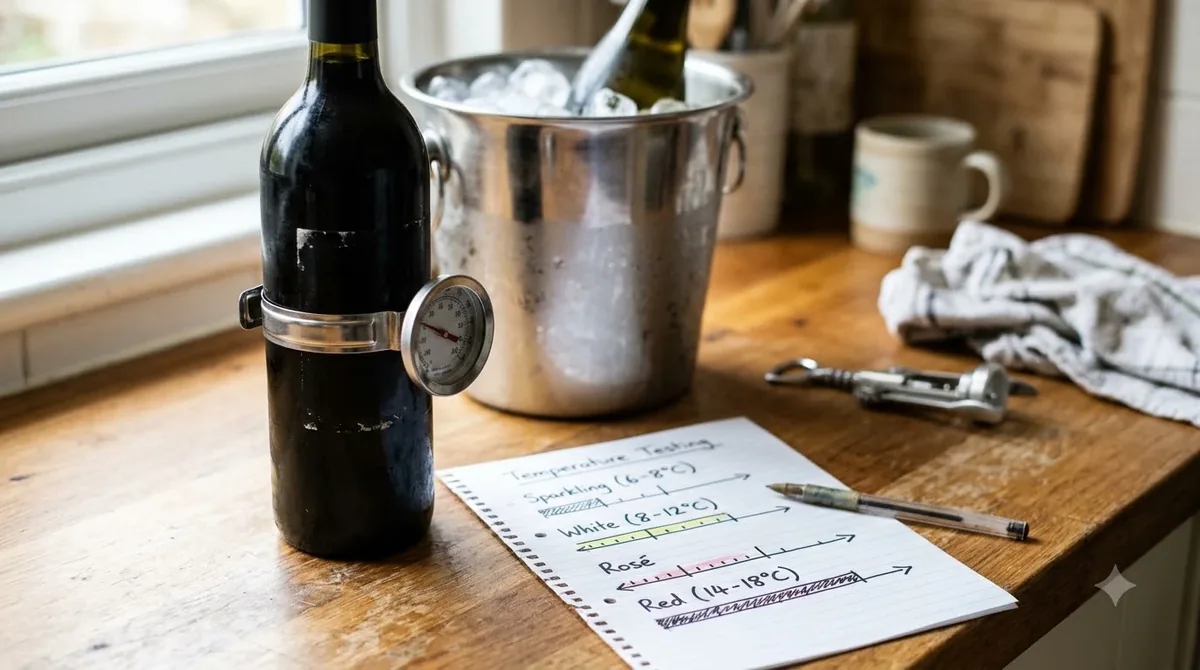
Start with the flavor you want, then use the region and style clues on the label to narrow the choice. Serve most light, crisp examples of either grape at 45–50°F, and let fuller-bodied whites warm slightly toward 50–55°F so their aromas and texture are easier to notice.
For Grüner Veltliner, start with Austria: Weinviertel suggests a peppery, fresh style, while Wachau, Kamptal, or Kremstal can offer more concentration. For Sauvignon Blanc, choose Sancerre or Pouilly-Fumé for a Loire profile and Marlborough for more assertive herbal and tropical aromas. On tasting notes, “peppery,” “savory,” and “mineral” point toward Grüner, while “grassy,” “gooseberry,” “passion fruit,” and “zesty” often signal Sauvignon Blanc; oak, vanilla, or toast suggests a broader style.
| Serving situation | Temperature | Refrigerated after opening |
|---|---|---|
| Light, crisp Grüner Veltliner | 45–50°F | 3–5 days |
| Light, crisp Sauvignon Blanc | 45–50°F | 3–5 days |
| Fuller-bodied white from either grape | 50–55°F | 3–5 days |
Serve lighter whites colder and fuller whites a little warmer. After opening, seal the bottle and refrigerate it; most still wines keep for about 3–5 days, although their aroma and freshness are usually best earlier in that window. A very cold bottle can mute aroma, so give it a few minutes in the glass if the first sip seems subdued.
Tip: Chill the bottle first, then pour a small taste and let it sit for a few minutes. If the wine seems closed or too sharp straight from the refrigerator, a slight rise in temperature can reveal more fruit, pepper, or herbal detail.
For a side-by-side comparison, use the same glass shape, serve both wines at a similar temperature, and taste with a neutral bite of bread between sips. Notice whether the first impression is pepper and orchard fruit or grass and citrus, then compare how texture changes as the wines warm. Store unopened bottles on their side in a cool, dark place near 55°F, away from sunlight and temperature swings. Everyday Sauvignon Blanc and lighter Grüner are best enjoyed while their primary fruit is lively, while concentrated Austrian Grüner can develop more complexity with bottle age; high acidity alone does not guarantee that a bottle is made for long cellaring. Once chilled, keep the bottle away from a freezer’s variable temperature and avoid leaving it in a warm kitchen after serving.
Frequently Asked Questions
These five answers cover the pronunciation, the 18th-century record in Lower Austria, naming in Hungary and California, and sweet-wine traditions in Sauternes and Barsac. They add a few details beyond the familiar dry styles of Austria and the Loire Valley.
How do you pronounce Grüner Veltliner?
Wine Enthusiast gives the pronunciation as “grooh-ner VELT-leehn-er.” In casual conversation, many wine drinkers shorten the name to “Grüner.” The shortened form is widely understood in wine shops and restaurants.
Is Grüner Veltliner related to the Veltliner grape family?
Despite the name, Grüner Veltliner is not botanically related to the Veltliner family, according to the Weinviertel regional wine body. The grape’s exact origin cannot be traced with certainty, although it was documented in Lower Austria in the 18th century.
Can Grüner Veltliner grow outside Austria?
Yes. It is also grown in Hungary, the Czech Republic, Slovakia, Slovenia, and smaller areas elsewhere, including parts of Germany and Italy. In Hungary it is known as Zöld Veltelini, while the Czech and Slovak name is Veltlinské Zelené.
Can Sauvignon Blanc make sweet wine?
Yes. In Bordeaux’s Sauternes and Barsac districts, Sauvignon Blanc can be part of sweet late-harvest wines, usually alongside Sémillon. Botrytis cinerea, often called noble rot in this setting, shrivels the berries and concentrates their juice.
Is Fumé Blanc a different grape from Sauvignon Blanc?
No. Fumé Blanc is a name used for Sauvignon Blanc in California, rather than a separate grape variety. The term is associated with Robert Mondavi’s California wines, and some producers use it for barrel-aged expressions.
For a crisp, food-friendly white with pepper and savory detail, start with Grüner Veltliner; for a more overtly herbal and aromatic glass, choose Sauvignon Blanc. Comparing bottles from Weinviertel, Sancerre, and Marlborough is a practical way to discover which style suits your palate and the food on your table.
More in Wine vs Wine
 Chenin Blanc vs Pinot Gris: Acidity, Body, and Pairing DifferencesUpdated Nov 20, 2026
 Chianti vs Lambrusco: How Tuscany and Emilia-Romagna Reds CompareUpdated Nov 20, 2026
 Chianti vs Primitivo: Key Differences in Taste, Body, and PairingUpdated Nov 20, 2026
 Chianti vs Rioja: Key Differences in Taste, Aging, and PairingUpdated Nov 20, 2026
 Chianti vs Shiraz: How Acidity, Body, and Food Pairings CompareUpdated Nov 20, 2026
 Chianti vs Syrah: Key Differences in Taste, Body, and Food PairingUpdated Nov 20, 2026