

We may earn a commission when you buy through links on this page, at no extra cost to you. Learn more.
Whether is shiraz vegan depends entirely on the winemaking process rather than the grapes themselves, because some producers clarify the wine with animal-derived fining agents while others do not. Every bottle starts with fermented black-skinned grapes and yeast, both of which are completely plant-based. However, winemakers often use egg whites, milk protein, or gelatin to soften harsh tannins and clear microscopic haze before bottling. Choosing a bottle labeled vegan, unfined, or produced with mineral and plant-based alternatives ensures your glass aligns with a plant-based lifestyle.
Because Shiraz is celebrated for its deep color, bold fruit, and structured tannins, clarifying and smoothing the liquid is a routine decision inside the cellar. Understanding what happens between fermentation and bottling helps you pick a bottle with confidence, whether you are shopping at a neighborhood wine store or ordering from a restaurant list.
Why Some Shiraz Is Not Vegan
Although wine is made from fermented grapes, traditional clarification methods called fining frequently rely on animal by-products to remove suspended particles and harsh phenolic compounds. Even though these processing aids are settled out and racked away before the wine is bottled, their use during production makes the finished wine unsuitable for vegans.
When newly fermented Shiraz rests in tank or barrel, it contains tiny suspended proteins, yeast cells, and bitter tannin chains that can make the liquid look cloudy or taste overly astringent. Left entirely alone, gravity will eventually pull most of these solids to the bottom of the vessel, yet commercial schedules rarely allow years of passive settling. Winemakers speed up stabilization by adding fining agents that carry an electrical charge opposite to the unwanted particles. Those agents bind to the floating molecules, clump together, and sink to the bottom so clear wine can be drawn off the top.
According to Wine Enthusiast, red wines with substantial tannin structure are commonly fined with egg whites, also known as albumen, because positively charged egg proteins bind selectively to negatively charged tannins. While egg-white fining leaves a wine acceptable for lacto-ovo vegetarians, it disqualifies the bottle for vegans. Other producers turn to gelatin derived from animal hides and bones to soften rough edges in bold reds, which is neither vegetarian nor vegan.
Less frequently in red winemaking, cellars may use casein from milk or isinglass from fish swim bladders, though those two agents appear far more often in white wines. Packaging details can occasionally play a minor role for strict plant-based drinkers as well, since a small number of producers seal bottle necks with beeswax or use milk-based glues in certain agglomerated corks. If you enjoy exploring different grape varieties across the wine spectrum, browsing our Wine by Type guide breaks down how red, white, and sparkling styles are constructed.
Common Fining Agents Used in Shiraz Production
Winemakers choose from both animal-derived and vegan-friendly fining agents depending on their stylistic goals, cellar traditions, and target market. Knowing which materials fall into each category makes it much easier to interpret producer notes and technical sheets.
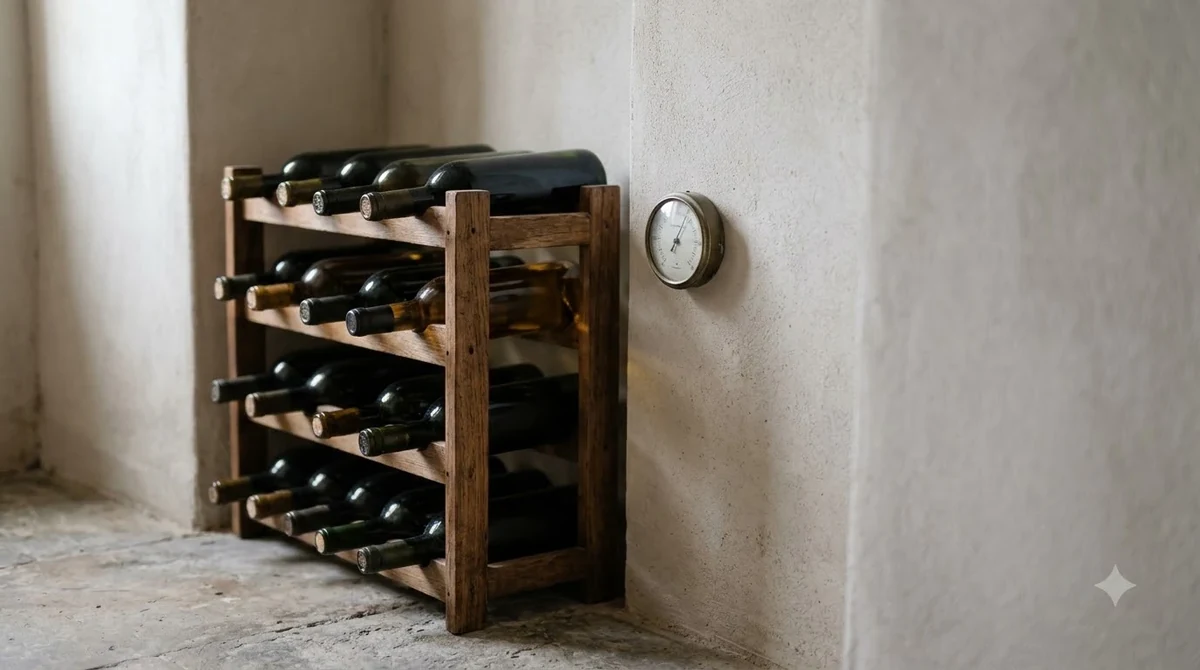
Animal-based fining agents have been used for centuries because they are effective, inexpensive, and predictable in how they shape mouthfeel. Egg whites gently trim astringent tannins without stripping away ripe berry aromas, while gelatin acts more aggressively on heavy phenolic compounds. Because these substances precipitate out with the lees, trace residues are virtually undetectable in the finished glass, which is why historical winemaking rarely treated them as ingredients.
Modern cellars, however, have broad access to mineral and plant-based substitutes that achieve clarity and balance without animal inputs. Bentonite, a negatively charged natural clay, is widely used to capture unstable proteins and promote visual brilliance. Plant proteins extracted from peas and potatoes have also gained widespread adoption for binding excess tannins in red wines like Shiraz, offering a direct functional replacement for gelatin and egg albumen. Activated charcoal and synthetic polymers such as PVPP provide additional non-animal tools when a winemaker needs to adjust color or remove off-aromas.
| Fining Agent | Origin / Source | Role in Winemaking | Vegan Status |
|---|---|---|---|
| Egg Whites (Albumen) | Chicken eggs | Softens harsh tannins and clears haze in red wines | No (Vegetarian only) |
| Gelatin | Animal hides and bones | Reduces bitterness and heavy astringency | No |
| Casein | Cow milk protein | Brightens color and removes oxidative notes | No (Vegetarian only) |
| Isinglass | Fish swim bladders | Clarifies suspended solids, mostly in white wines | No |
| Bentonite | Purified mineral clay | Binds unstable proteins and stabilizes clarity | Yes |
| Pea & Potato Protein | Legumes and tubers | Binds bitter tannins in red wine without animal inputs | Yes |
| Activated Charcoal | Carbonized plant material | Absorbs unwanted color or off-odors | Yes |
Importantly, the choice of fining agent does not dictate the sensory quality of the wine in your glass. Whether a producer uses egg whites, pea protein, or skips fining altogether, the finished bottle still delivers the ripe blackberry, plum, and black pepper notes detailed in our guide on what does shiraz taste like.
Unfined and Unfiltered Shiraz Explained
Many Shiraz producers bypass fining and filtration completely, allowing time, cool cellar temperatures, and careful racking to clarify the wine naturally. When a bottle states that it is unfined on the label, it is almost always vegan-friendly because no clarifying agents were introduced during cellar work.
Minimal-intervention winemakers often avoid fining because they believe stripping out microscopic colloids can also diminish texture, aromatic complexity, and aging potential. Instead of adding a binding agent, the winemaker lets gravity pull solid particles to the bottom of the oak barrel or stainless steel tank over several months. During racking, the clear wine is carefully siphoned off the settled sediment into a clean vessel, repeating the process until the liquid stabilizes on its own.
As Wine Folly points out, wines that are both unfined and unfiltered are naturally vegan, and cellars that rely solely on sterile ceramic or cross-flow filters without animal additives also produce vegan-compatible bottles. Keep in mind that filtration and fining are two separate steps in the cellar. A wine labeled simply as unfiltered could theoretically have been fined earlier in its life, whereas an explicit unfined statement directly addresses the step where animal proteins would otherwise be used.
Organic, Biodynamic, and Vegan Labels: What Is the Difference?
Terms like organic, biodynamic, and sustainable refer to vineyard farming practices rather than cellar clarification, meaning none of them automatically guarantee that a Shiraz is vegan. Understanding how these certifications overlap helps prevent common shopping mistakes.
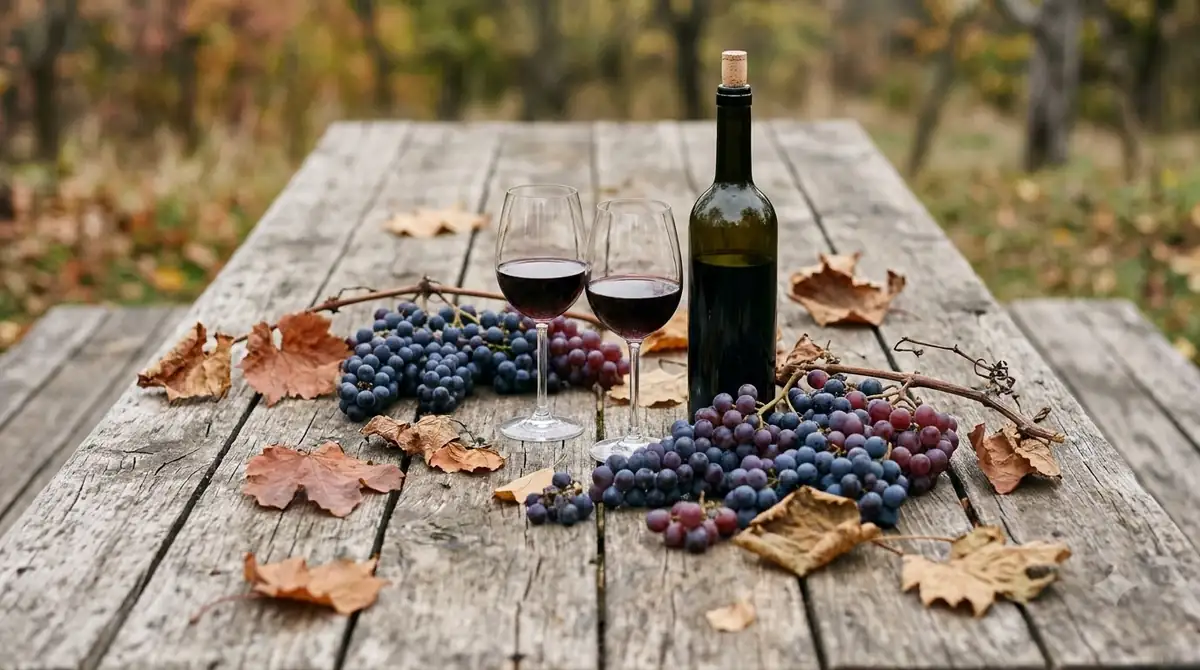
Organic viticulture prohibits synthetic pesticides, chemical fertilizers, and genetically modified organisms in the vineyard, focusing on soil health and ecological balance among the vines. Once those organically grown Shiraz grapes arrive at the winery, however, organic rules in many regions still permit traditional fining agents such as egg whites or gelatin. Consequently, a bottle carrying an organic seal can easily be non-vegan unless the producer also avoids animal processing aids.
Biodynamic wine takes vineyard farming a step further by treating the estate as a self-sustaining ecosystem guided by lunar calendars and herbal preparations. Because traditional biodynamic farming relies on field preparations packed inside animal horns or animal bladders to compost and energize the soil, strict vegans often consider certified biodynamic wines non-vegan even when no animal fining agents touch the liquid inside the cellar. Similar nuances apply across other wine categories too, which you can explore in our articles on is white wine vegan and is prosecco vegan.
By contrast, dedicated vegan certifications—such as the VegeCert seal, BevVeg logo, or the Vegetarian Society trademark—verify both the ingredients and the processing aids used throughout production. When you see a recognized vegan symbol on the back label, you do not have to guess about what happened inside the tank.
How to Check If a Bottle of Shiraz Is Vegan
Because wine labels in the United States are not required to list fining agents, verifying whether a specific Shiraz is vegan takes a quick combination of label reading and digital lookup. Following a consistent checklist saves time in the store aisle and at restaurants.
- Scan the back label for a vegan seal or statement: Many Australian, South African, and American Shiraz producers now print “Vegan Friendly” or an official certified vegan logo near the barcode or tasting notes.
- Look for “unfined” wording: Bottles explicitly marked as unfined skipped the clarification step altogether, making them a dependable choice when no vegan logo appears.
- Check allergen disclosures: In several export markets, wines fined with milk or egg proteins must carry a “Contains: Milk” or “Contains: Egg” warning on the back label, which immediately rules the bottle out.
- Search crowdsourced wine databases: Platforms like Barnivore compile direct email confirmations from thousands of wineries, letting you check specific vintages and cuvées on your phone before buying.
- Contact the winery or ask your merchant: Independent wine shops often know which estates practice vegan-friendly cellar work, and winery hospitality teams routinely answer fining questions via email or social media.
Tip: Do not assume that because a winery’s Sauvignon Blanc or Rosé is vegan, its Shiraz is automatically vegan too—producers frequently use bentonite clay on white wines while reserving egg whites or gelatin for tannic reds.
Frequently Asked Questions
Does vegan Shiraz contain animal ingredients in the finished bottle?
No, vegan Shiraz is made entirely without animal-derived ingredients or processing aids at any stage of production. Even in non-vegan wines, animal fining agents settle to the bottom and are removed before bottling, so the difference lies in whether animal products were used during cellar clarification.
Are Australian Shiraz wines usually vegan?
Many Australian Shiraz producers make vegan-friendly wines, though it is not universal across the country. Numerous major and boutique Australian wineries have switched to bentonite clay, pea protein, or unfined methods and clearly print vegan-friendly wording on their back labels, while traditional estates may still use egg whites or gelatin.
Does vegan Shiraz taste different from traditionally fined Shiraz?
No, vegan Shiraz tastes virtually identical to traditionally fined Shiraz from the same region and style. Plant-based proteins, mineral clays, and natural settling achieve the same clarity and tannin balance without imparting any flavor of their own.
Does “Contains Sulfites” mean a Shiraz is not vegan?
No, sulfites are naturally occurring compounds produced during fermentation and added in small amounts as an antioxidant preservative, making them completely vegan. The sulfite warning required on US wine labels is unrelated to animal-derived fining agents.
Finding a vegan-friendly Shiraz is straightforward once you know that cellar fining—not the grape—determines the answer. By checking back labels for vegan seals or unfined wording and verifying specific producers when in doubt, you can enjoy rich, full-bodied Shiraz with complete confidence.
More in Wine Types & Grapes
 What Does Mourvèdre Taste Like? Flavor Profile, Regions, and PairingsUpdated Nov 20, 2026
 What Does Marsanne Taste Like? Flavors, Styles, and Food PairingsUpdated Nov 20, 2026
 What Does Malvasia Taste Like? Styles, Flavors, and Food PairingsUpdated Nov 20, 2026
 What Does Grenache Blanc Taste Like? Flavor Profile, Styles, and PairingsUpdated Nov 20, 2026
 What Does Garnacha Taste Like? Key Flavors, Styles, and Pairing TipsUpdated Nov 20, 2026
 What Does Fruit Wine Taste Like? A Complete Flavor and Style BreakdownUpdated Nov 20, 2026