
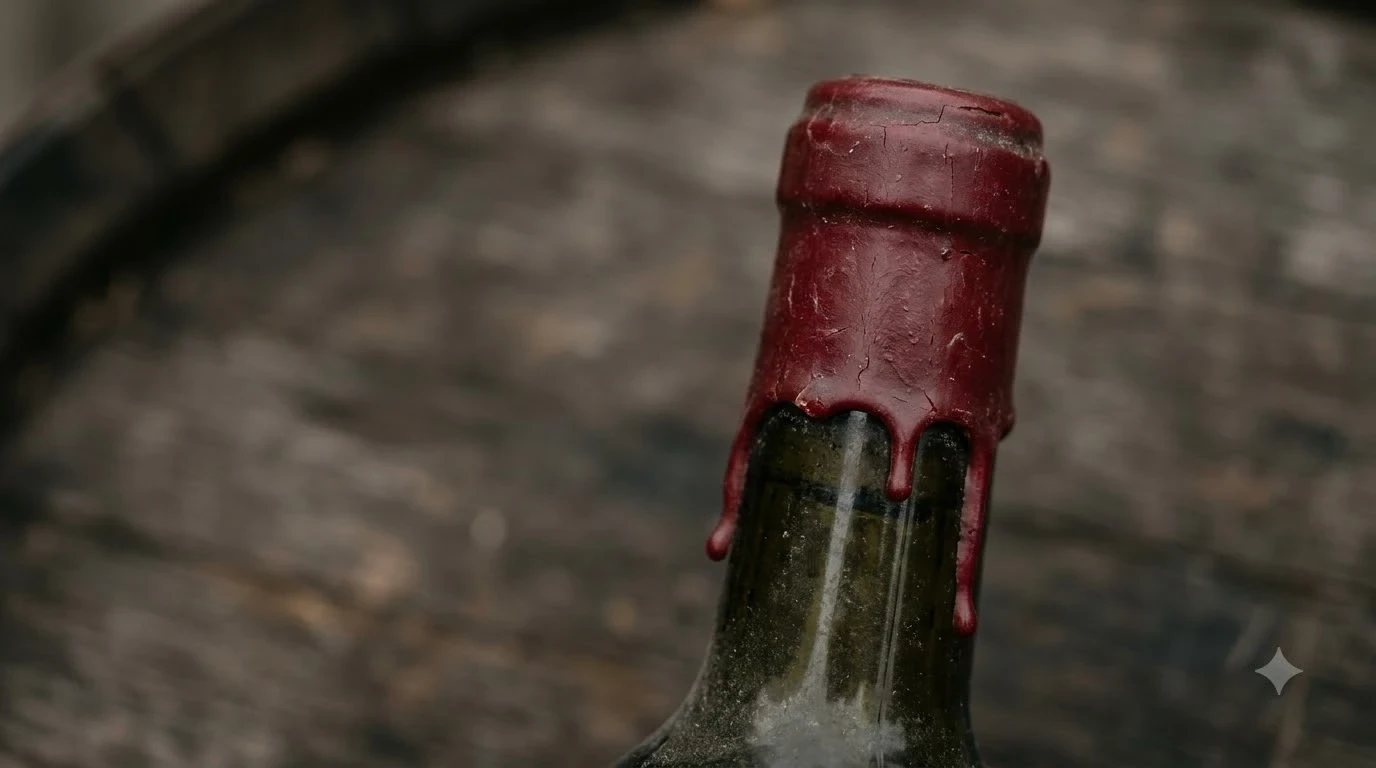

We may earn a commission when you buy through links on this page, at no extra cost to you. Learn more.
petit verdot vs petite sirah comes down to two different grapes that share deep color and firm tannins but deliver distinct origins, aromas, and wine styles. Petit Verdot is the Bordeaux-associated late-ripening grape often used to add structure and spice to blends. Petite Sirah is usually Durif, a French crossing that became a signature source of dense, dark-fruited reds in California.
Both wines suit drinkers who enjoy concentrated reds, yet the label names can create confusion: Petit Verdot and Petite Sirah are not alternate spellings, close relatives, or versions of the same grape. The most useful way to choose is to compare where each grape comes from, what it contributes in the cellar, and how its fruit and tannin work with dinner.
The Core Difference Between Petit Verdot and Petite Sirah
Petit Verdot is traditionally a blending grape from Bordeaux, while Petite Sirah is the American name most often used for Durif. Both can make inky, full-bodied wines, but Petit Verdot is often valued for its floral, herbal, and structural contribution, whereas Petite Sirah is known for dense blackberry, blueberry, and dark-chocolate flavors.
| Comparison | Petit Verdot | Petite Sirah |
|---|---|---|
| Grape identity | Distinct Bordeaux red grape | Usually Durif, a Syrah-Peloursin crossing |
| Historic home | Southwest France, especially Bordeaux | France; widely established in California |
| Traditional role | Small proportion in Bordeaux-style blends | Blending grape and standalone varietal |
| California history | Grown as a varietal in warmer New World regions | Plantings date to the 1880s; over 90 percent of labeled plantings are Durif |
| Common aromas | Black fruit, cassis, violet, dried herbs | Blueberry, blackberry, dark chocolate, pepper |
| Structure | Deep color, firm to high tannin, full body | Deep color, firm to high tannin, full body |
| Typical label clue | Often listed as Petit Verdot | May be labeled Petite Sirah or Durif |
The key distinction is grape identity, not spelling. Petit Verdot is a classic Bordeaux variety, alongside Cabernet Sauvignon, Merlot, Cabernet Franc, Malbec, and Carmenère. Petite Sirah is not a Bordeaux blending grape; it is chiefly associated with Durif, a crossing of Syrah and Peloursin. That genetic difference explains why the wines can overlap in color and tannin without tasting identical.
In everyday shopping, consider Petit Verdot when you want a wine that may show blackcurrant, violet, graphite, and a savory herbal edge. Choose Petite Sirah when the appeal is a broad, dark-fruited profile, often with blueberry, blackberry, dark chocolate, and black pepper. Neither name guarantees one exact flavor: climate, ripeness, oak, extraction, and blending can shift the finished wine considerably.
Origins, Names, and Grape Identity
The grapes come from different chapters of French viticulture: Petit Verdot is rooted in southwest France and Bordeaux, while Petite Sirah traces to Durif, developed in France in the late nineteenth century. Their names became especially confusing in California, where the Petite Sirah name was once applied to more than one dark-skinned grape.
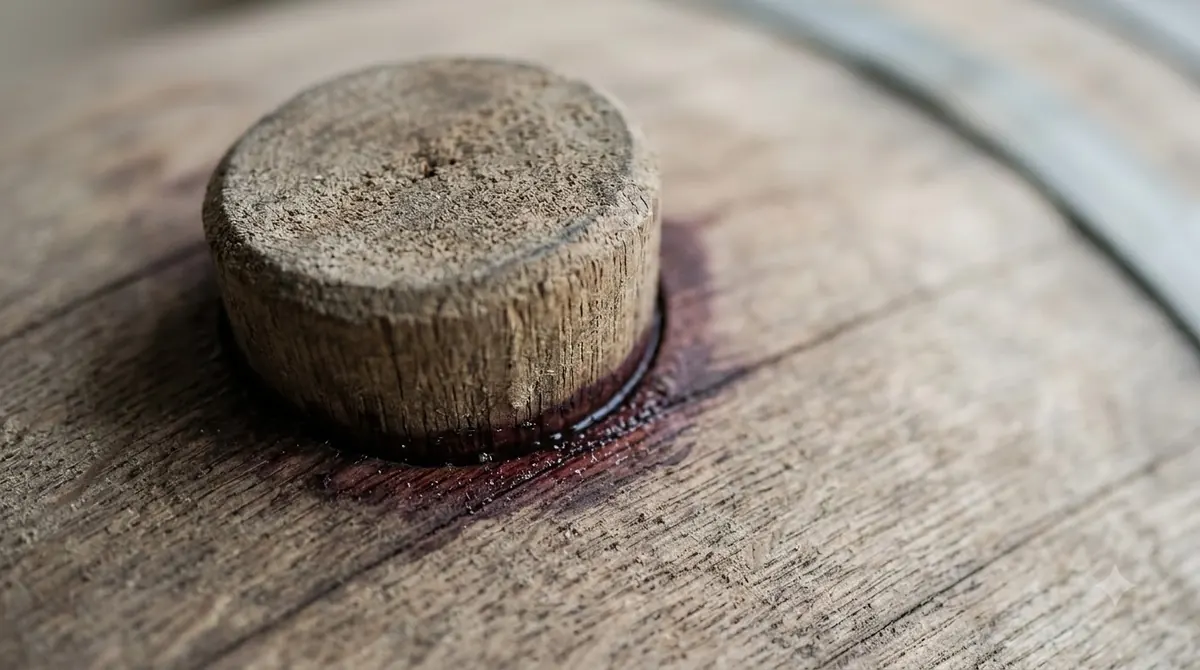
Petit Verdot is generally understood as a traditional Bordeaux grape, though Decanter traces its origins more broadly to southwest France. Its French name is commonly translated as “small green,” a reference to its tendency to remain unripe when the growing season is too short. The variety produces small, dark berries and ripens late, which helps explain why it has often played a supporting role rather than dominating Bordeaux blends. In a suitable season, its color, tannin, and aromatic intensity can add definition even when the blend contains only a modest share of the grape.
Petite Sirah has a different naming story. Wine Enthusiast describes botanist François Durif creating the grape in France in the late 1800s, initially from Peloursin seeds and pollen from an unidentified source. DNA fingerprinting at the University of California, Davis, in the 1990s confirmed that Durif resulted from Peloursin pollinated by Syrah. The cultivar is called Durif in several wine regions, while Petite Sirah became its familiar name in the United States.
California growers planted Durif in the 1880s, but early vineyard naming was not always precise. Petite Sirah was used for Durif and other dark-skinned grapes, including Syrah and Zinfandel, before genetic identification clarified plantings. The Texas Wine and Grape Growers Association reports that more than 90 percent of California plantings labeled Petite Sirah are Durif, making the name a reliable clue to the variety in modern California wine.
Vineyard Conditions and Growing Regions
Petit Verdot needs a long enough season to ripen fully, while Durif is grown across a wider range of regions and has become particularly established in California. The location on the bottle matters because heat, cool nights, soil, and harvest timing all influence how much fruit, freshness, and tannin come through.
Petit Verdot ripens later than many Bordeaux grapes, sometimes too late for reliable maturity in cooler or difficult seasons. When the berries do not reach full ripeness, the resulting wine can feel hard or sharply structured, with green or underripe impressions rather than a balanced dark-fruit profile. A long, warm autumn gives growers a better chance of bringing the grape to maturity without losing the concentration that makes it useful in a blend. This late schedule is a practical reason that producers in warmer New World locations have explored it as a standalone red.
Beyond Bordeaux, Petit Verdot appears in Australia, California, and other U.S. states, as well as Italy’s Maremma region in Tuscany and South American areas such as Chile and Peru. Local temperatures and winemaking choices produce different styles, from savory and structured to ripe and fruit-forward. A California or Australian bottling should be judged on its own merits rather than as a copy of a Bordeaux blending component.
Durif, sold as Petite Sirah in the United States, is grown in California and Australia, with smaller plantings in France, Israel, Washington’s Yakima River Valley, Maryland, Arizona, West Virginia, Chile, Mexico’s Baja California Peninsula, and Ontario’s Niagara Peninsula. In California, Mendocino, Lodi, and the Sierra Foothills have producers making varietal wines or blends. Hot days can aid ripening, while cooler nights may preserve freshness, so the vineyard site and harvest decision matter alongside the region on the label.
Flavor, Tannin, and Texture in the Glass
Petit Verdot often leads with blackcurrant, plum, violet, and savory herbal notes, while Petite Sirah commonly emphasizes blueberry, blackberry, dark chocolate, and pepper. Both can be deeply colored and tannic, so the best clue is the character of the fruit and the way the wine feels across the palate.
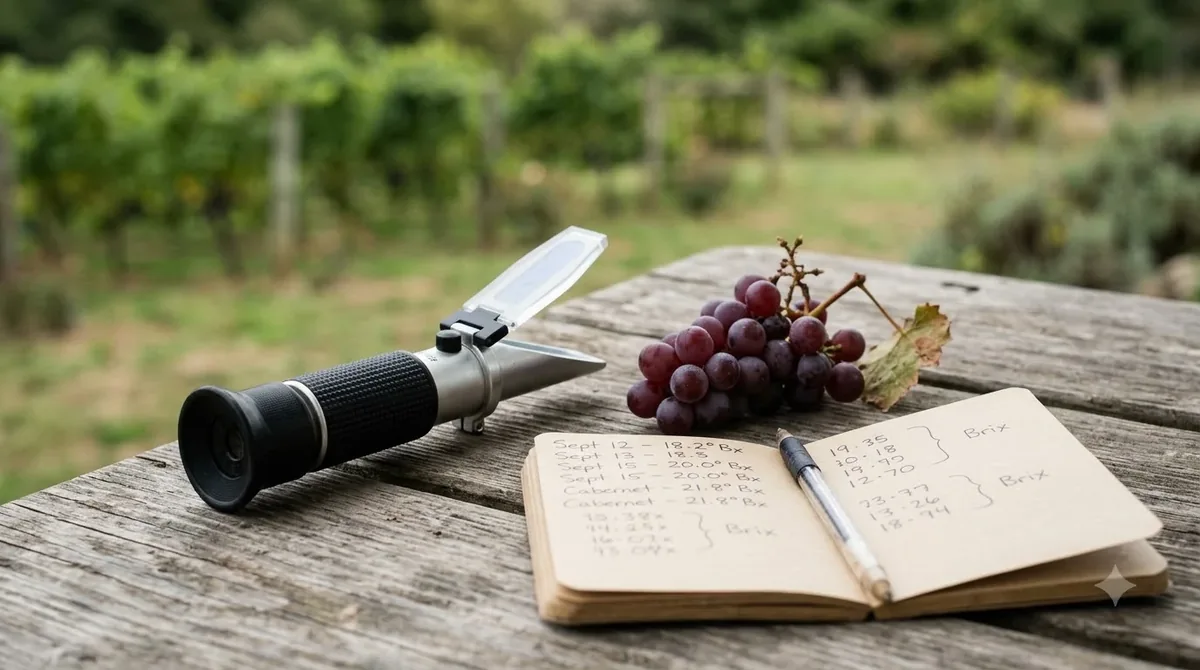
In Petit Verdot, the fruit profile often leans toward cassis, ripe black berries, and plum, with graphite or dried herbs adding a firm, savory character. Violet and other dried-flower notes may become more evident as the wine matures, sometimes joined by leather. The aromas are not always overtly perfumed; in a blend, Petit Verdot may register more as added depth, darker color, and a spicy finish than as a clearly isolated grape flavor. In a varietal bottling, those floral and herbal details have more room to stand out.
Petite Sirah is usually more immediately fruit-saturated. Blackberry, blueberry, dark plum, and dark chocolate are frequent descriptors, with black pepper, tobacco, or smoky notes appearing in some wines. Wine Enthusiast highlights the grape’s thick texture and plush blueberry and chocolate character in its California coverage, including wines from Mendocino. Not every Petite Sirah is harshly tannic: a carefully balanced example can feel dense and generous rather than coarse, even when its tannin is substantial.
Both grapes can produce strong tannin and a full-bodied impression, but the details vary by vineyard and cellar. Petit Verdot’s tannin often supplies firmness and length in a Bordeaux-style blend; Petite Sirah’s tannin can feel broad and gripping, especially after strong extraction. Acidity is not fixed by grape name: a cooler site or earlier harvest may preserve freshness, while very ripe fruit can taste rounder. Look for balance across fruit, freshness, alcohol, and tannin, and do not mistake ripe berry aromas for residual sugar.
Blending, Winemaking, and Aging Potential
Petit Verdot became important because a small addition can change the structure and color of a Bordeaux-style blend, while Petite Sirah has long served California winemakers as both a standalone wine and a source of dark fruit and tannin in blends. Their cellar roles overlap, but the reasons producers reach for each grape are not quite the same.
In Bordeaux, Petit Verdot is traditionally included in modest amounts: its thick skins and late ripening help deliver deep color, firm tannin, black-fruit flavor, and spice. Decanter notes that even a small proportion can make a perceptible difference to a finished blend. Petite Sirah is used for structure too, particularly alongside Zinfandel; Wine Enthusiast describes California winemakers using its dense tannins as a frame for Zinfandel’s rich fruit, while other producers bottle it on its own. Examples from Mendocino, the Sierra Foothills, and Lodi show how one grape can appear in both varietal wines and blending lots.
Longer skin contact and vigorous extraction can deepen color and build tannin in either wine, while gentler extraction can produce a less forceful texture. Oak may add toast, spice, vanilla, and breadth, but heavy oak can obscure floral or fresh-fruit detail. Both varieties can age when fruit and tannin are balanced, developing dried fruit, leather, tobacco, or integrated spice; lighter, fruit-forward bottlings may be best earlier. For more detail, Decanter’s Petit Verdot profile explains the grape’s late ripening and Bordeaux role, while Wine Enthusiast’s California Petite Sirah feature illustrates its range as a standalone wine and blending partner.
Food Pairing, Serving Temperature, and Choosing a Bottle
Petit Verdot and Petite Sirah both suit flavorful dishes that can meet their tannin and body, particularly beef, lamb, grilled mushrooms, and aged hard cheeses. Serve either as a full-bodied red at about 60–65°F, and give a young, tightly structured bottle 30–60 minutes in a decanter when its tannins seem especially firm.
For Petit Verdot, try grilled steak, lamb chops, pepper-crusted beef, pork shoulder, or a rich mushroom dish. Its black-fruit flavors and firm structure work with char, herbs, and savory sauces; a Bordeaux-style blend may be especially good with roast beef or lamb. For Petite Sirah, choose smoked brisket, short ribs, barbecue beef, grilled sausages, and richly seasoned burgers. Its dark fruit and peppery notes match smoke and browned meat, while fat can soften the grip of the tannins. Aged cheddar or Gouda also makes a useful casual pairing.
For service, aim for 60–65°F rather than a warm room temperature. Too much warmth can make alcohol stand out, while overchilling can make the wine feel austere. Salt and fat soften tannin, but avoid oily fish with either wine because tannic reds can clash with the fish’s oils; very hot chili can also amplify the impression of alcohol and tannin. Read the producer’s description for clues: “violet,” “cassis,” and “graphite” often point toward Petit Verdot, while “blueberry,” “dark chocolate,” “black pepper,” and “smoke” commonly appear with Petite Sirah. Note whether the bottle is varietal or blended, because the grape may contribute color or structure without dominating the aroma. For other comparisons, see petite sirah vs pinot noir, petite sirah vs shiraz, and petite sirah vs zinfandel; the broader Wine vs Wine library compares varieties by body and flavor.
Tip: For a first bottle, choose a varietal Petite Sirah from California if you want plush dark fruit, or a varietal Petit Verdot from a warm region if you want violet, cassis, and a more herbal edge. In a Bordeaux blend, treat Petit Verdot as one part of the full wine rather than expecting it to taste like a 100% Petit Verdot bottling.
Frequently Asked Questions
Is Petit Verdot related to Petite Sirah?
No. Petit Verdot is a Bordeaux red grape, whereas Petite Sirah is generally Durif, a crossing of Syrah and Peloursin. The similar-sounding names are not evidence of a close genetic relationship.
Why is Petite Sirah sometimes called Durif?
Durif is the grape’s name in several countries, honoring botanist François Durif, who developed it in France. In the United States, Petite Sirah became the more familiar commercial name after California growers adopted it in the late nineteenth century.
Can Petit Verdot be used in a white wine?
Petit Verdot is a red grape and is primarily associated with red blends and red varietal wines. A producer could experiment with a brief skin-contact or alternative winemaking technique, but that would be unusual and would not make it a conventional white-wine variety.
Does Petite Sirah have anything to do with Shiraz?
Petite Sirah has Syrah in its parentage, but it is not the same grape as Syrah or Shiraz. The distinction matters because a bottle labeled Shiraz is made from Syrah, while a U.S. bottle labeled Petite Sirah is generally made from Durif.
Which grape is more common in Bordeaux blends?
Petit Verdot is the established Bordeaux blending grape; Petite Sirah is not one of the traditional Bordeaux varieties. In Bordeaux, Petit Verdot is often a small supporting component, while in California, Petite Sirah is more often encountered as a varietal wine or in blends with Zinfandel and other local reds.
Petit Verdot and Petite Sirah are both compelling choices for fans of deep-colored, structured red wine, but they reward different expectations. Choose Petit Verdot for cassis, violet, and Bordeaux-linked structure; choose Petite Sirah for generous dark berries, chocolate, and a firm California-style frame. Either can make a satisfying dinner wine when the bottle’s weight and tannin match the food.
More in Wine vs Wine
 Chenin Blanc vs Pinot Gris: Acidity, Body, and Pairing DifferencesUpdated Nov 20, 2026
 Chianti vs Lambrusco: How Tuscany and Emilia-Romagna Reds CompareUpdated Nov 20, 2026
 Chianti vs Primitivo: Key Differences in Taste, Body, and PairingUpdated Nov 20, 2026
 Chianti vs Rioja: Key Differences in Taste, Aging, and PairingUpdated Nov 20, 2026
 Chianti vs Shiraz: How Acidity, Body, and Food Pairings CompareUpdated Nov 20, 2026
 Chianti vs Syrah: Key Differences in Taste, Body, and Food PairingUpdated Nov 20, 2026