


We may earn a commission when you buy through links on this page, at no extra cost to you. Learn more.
Chardonnay vs rose comes down to white wine richness versus pink wine freshness: Chardonnay is a dry white wine made from green-skinned grapes, while rosé is a pink wine made primarily from dark-skinned grapes with limited skin contact. Chardonnay typically offers apple, citrus, pear and sometimes buttery vanilla flavors, with medium acidity and a medium to full body. Rosé usually emphasizes fresh strawberry, raspberry, watermelon and citrus, with a refreshing character that ranges from delicate and light to fuller and more structured. Both can be dry, food-friendly wines, but they suit different preferences and occasions.
Choosing between Chardonnay and rosé is easier when you understand what creates their differences. Neither wine is automatically sweeter, better or more sophisticated than the other. Their grape varieties, production methods, regional styles and serving temperatures influence the experience in your glass. Whether you are planning seafood, grilled chicken, a summer lunch or a dinner with creamy pasta, understanding these distinctions will help you select a bottle that complements the food and your personal taste.
The Main Differences Between Chardonnay and Rosé
Chardonnay is a white wine grape variety, whereas rosé describes a category of pink wine made through particular winemaking techniques. Chardonnay generally delivers more body and a broader range of textures, while rosé commonly emphasizes fresh fruit, crispness and easy-drinking appeal.
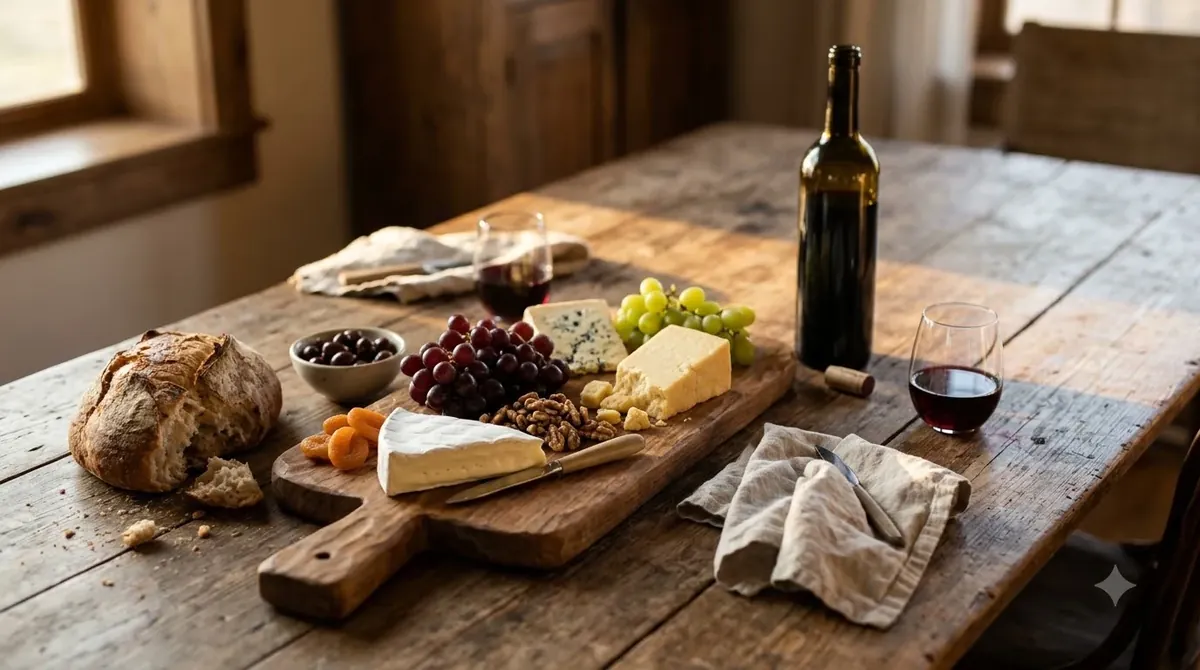
The most important distinction is that Chardonnay identifies a specific grape, while rosé identifies a wine style and color. Chardonnay can be grown in Burgundy, California, Australia and many other wine regions. Rosé can be produced from different red grape varieties, including Grenache, Cinsault, Syrah, Mourvèdre and Pinot Noir.
This difference affects almost every aspect of the finished wine. A Chardonnay from Chablis can be lean, citrus-driven and mineral, while one from a warmer California vineyard may taste like ripe peach, pineapple and vanilla. Rosé from Provence often has delicate strawberry, citrus and floral characteristics, whereas a darker Tavel rosé from the Rhône Valley can offer more concentrated fruit and a fuller palate.
Both wines are commonly made in dry styles. However, rosé is not necessarily sweeter because it is pink, and Chardonnay is not necessarily more alcoholic because it is white. Sweetness depends on the amount of residual sugar remaining after fermentation, while alcohol depends largely on grape ripeness and fermentation.
| Characteristic | Chardonnay | Rosé |
|---|---|---|
| Wine category | White wine | Pink wine |
| Primary grape material | Green-skinned Chardonnay grapes | Usually dark-skinned grapes |
| Typical sweetness | Dry | Dry, although sweeter versions exist |
| Typical acidity | Medium | Medium to high, depending on style |
| Typical body | Medium to full | Light to medium, sometimes fuller |
| Common fruit flavors | Apple, lemon, pear, peach | Strawberry, raspberry, watermelon |
| Common additional flavors | Vanilla, butter, toast | Floral notes, citrus, herbs |
| Serving temperature | 50–55°F | 45–50°F for light styles |
| Typical food matches | Chicken, seafood, creamy pasta | Salads, grilled vegetables, seafood |
| Color | Pale straw to golden yellow | Pale salmon to deep pink |
These are general characteristics rather than strict rules. A lightly oaked Chardonnay can feel considerably fresher than a rich, barrel-aged example. Similarly, a structured rosé from Bandol may have more weight and complexity than a delicate Provence rosé.
For readers comparing other wine categories, the broader Wine vs Wine comparisons provide additional context for understanding differences in grape varieties, production and flavor.
Flavor, Aroma, Acidity and Body Compared
Chardonnay generally offers a wider range of textures, from crisp and mineral to creamy and buttery. Rosé typically emphasizes red fruit, citrus and refreshing acidity, although grape variety and production technique can create substantially different styles.
Chardonnay’s flavor profile depends heavily on climate. Grapes grown in cooler conditions tend to retain more acidity and produce wines with lemon, green apple, pear and mineral characteristics. Burgundy’s Chablis region is a familiar example of a cooler-climate style. In warmer locations, such as parts of California and South Australia, Chardonnay can develop ripe peach, melon, pineapple and other tropical fruit notes.
Oak aging introduces another layer of variation. French or American oak barrels can contribute vanilla, coconut, toast and baking spices. Malolactic fermentation may add a buttery impression and create a softer perception of acidity. Some producers use both techniques, while others favor stainless steel to preserve fresh fruit and a cleaner finish. Wine Enthusiast’s overview of Chardonnay styles and winemaking explains how oak, climate and fermentation decisions influence the finished wine.
Rosé usually presents a different aromatic profile. Depending on the grapes and region, expect strawberry, raspberry, cherry, watermelon, grapefruit, citrus peel and subtle floral notes. Grenache-based rosé frequently offers red berry fruit, while Syrah can contribute darker fruit and more pronounced structure.
Color provides some clues about style but should not be treated as a direct measure of sweetness or quality. A pale pink wine can be dry and aromatic, while a deeper-colored rosé may have more concentrated fruit and body. The difference comes partly from grape variety, ripeness and the amount of time the grape skins remain in contact with the juice.
Understanding acidity and texture
Acidity is important because it influences how refreshing a wine feels and how well it works with food. Chardonnay generally has medium acidity, although cool-climate examples can feel particularly lively. Rosé often has refreshing medium to high acidity, making it a natural companion for dishes with citrus, tomatoes and vinaigrettes.
Body is another useful distinction. Unoaked Chardonnay can feel relatively lean, but oak-aged versions often develop a fuller, rounder texture. Light rosé usually feels more delicate and less weighty. More structured examples from Tavel or Bandol can be noticeably richer than the familiar pale Provence style.
Tannins are usually not a major consideration with either typical Chardonnay or rosé. Chardonnay has virtually no perceptible tannin, and rosé generally has limited tannin because skin contact is relatively short. This makes both approachable choices for people who prefer wines without the drying sensation associated with many red wines.
Sweetness should be considered separately from fruitiness. A wine that smells strongly of ripe strawberries or peaches can still be completely dry. If you prefer a genuinely sweet wine, look for an appropriate sweetness description rather than relying on the color or fruit aromas.
Tip: If you enjoy fresh citrus and green apple but dislike buttery flavors, look for unoaked Chardonnay. If you prefer strawberry, watermelon and a lighter palate, start with a dry rosé from Provence or another cool-climate region.
How Chardonnay and Rosé Are Made
Chardonnay is fermented as a white wine, generally without extended contact with grape skins. Rosé obtains its pink color through controlled contact between dark grape skins and juice, with the winemaker adjusting the process to achieve the intended color, aroma and structure.
For Chardonnay, the grapes are harvested, crushed and pressed to separate the juice from the skins. The juice then undergoes alcoholic fermentation, during which yeast converts grape sugar into alcohol. Producers can ferment the wine in stainless-steel tanks, oak barrels or other suitable vessels.
Stainless-steel fermentation helps retain fresh fruit characteristics and limits the influence of oak. Barrel fermentation and aging can contribute additional texture and flavors, while lees contact can add complexity. Lees are the spent yeast cells remaining after fermentation, and keeping wine in contact with them can create a fuller mouthfeel and subtle bread-like characteristics.
Malolactic fermentation is another important decision. This process converts sharper malic acid into softer lactic acid. It can produce a creamy impression and buttery aromas, although not every Chardonnay undergoes the process. These choices explain why two bottles made from the same grape can taste remarkably different.
Rosé production techniques
Rosé production generally starts with dark-skinned grapes. Their pulp and juice are usually relatively pale, while the skins contain the pigments responsible for the wine’s pink color. The winemaker controls the duration of skin contact to extract the desired amount of color and aromatic compounds.
Two important techniques are direct pressing and short maceration. With direct pressing, grapes are pressed relatively quickly, allowing only limited pigment extraction. The resulting juice is typically pale, producing the delicate color associated with many Provence rosés.
With short maceration, crushed grapes remain in contact with their skins before pressing. The Provence wine industry’s production handbook describes cold maceration lasting approximately 2 to 20 hours at 50–57°F. This technique generally extracts more pigment than direct pressing and can create a deeper-colored, more expressive wine.
After pressing and settling, the clear juice undergoes alcoholic fermentation. According to the Provence wine handbook, fermentation commonly takes place between 14°C and 18°C, or approximately 57–64°F, and lasts around 10 days. Malolactic fermentation is usually blocked in this production style to preserve freshness.
Blending is also important. Producers can combine wines from different grape varieties, vineyards or fermentation lots to create a balanced final style. Grenache, Cinsault, Syrah and Mourvèdre are among the important varieties associated with Provence rosé.
These methods help explain why Chardonnay and rosé are different even when both are dry, relatively light in color and intended for chilled service. Chardonnay’s style is largely shaped by grape growing and cellar decisions, while rosé’s appearance and character depend significantly on grape selection and skin-contact management.
Popular Regions and Styles to Explore
Chardonnay and rosé both express regional differences, but their most recognizable styles come from different combinations of grapes, climate and production traditions. Burgundy, California and Australia offer useful Chardonnay comparisons, while Provence, Tavel and Bandol illustrate the diversity of rosé.
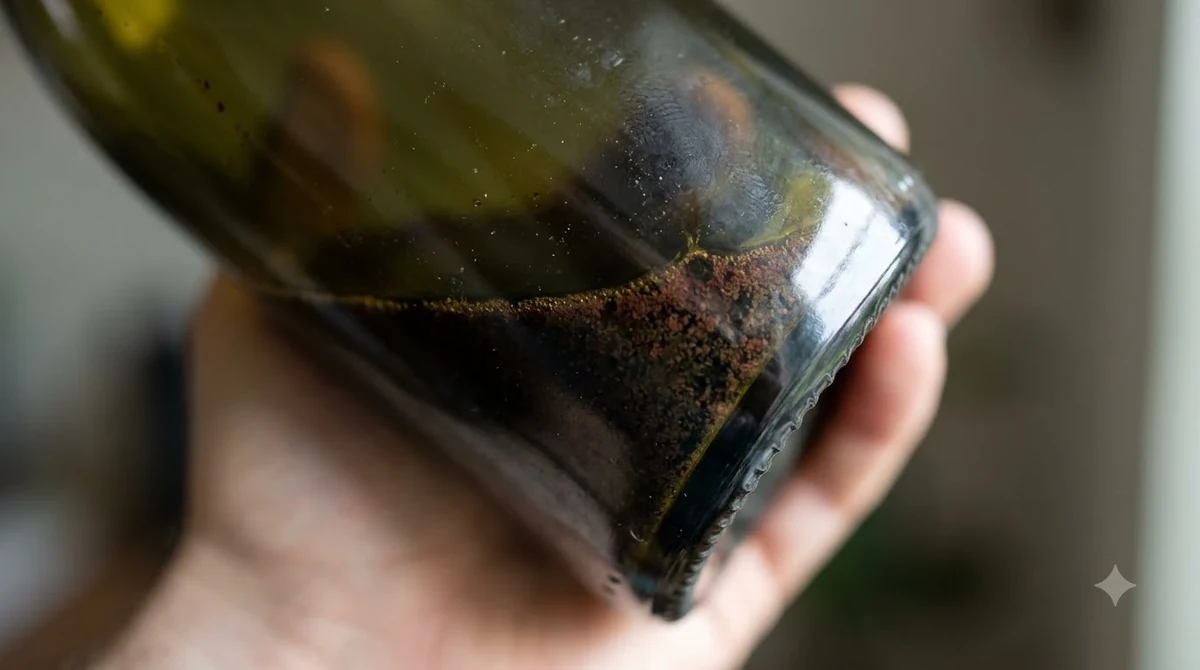
For Chardonnay, Burgundy is an important reference point. Chablis is known for a leaner, more citrus-driven expression, while other Burgundy areas produce wines that can be broader, richer and influenced by oak. The difference between these styles makes Burgundy a useful starting point for understanding how one grape can produce very different wines.
California offers another wide range of Chardonnay expressions. Cooler coastal vineyards can produce fresh wines with apple, citrus and lively acidity. Warmer locations often produce riper fruit flavors and fuller textures. Oak aging and malolactic fermentation may further emphasize vanilla, toast and buttery characteristics.
Australia also produces an extensive range of Chardonnay. Wine Australia’s regional descriptions include cool-climate expressions from Adelaide Hills and Mornington Peninsula, where natural acidity and restrained fruit characteristics are important. The country’s warmer regions can produce richer styles with peach, melon and tropical fruit notes.
For rosé, Provence is perhaps the most recognizable reference point. Its three main appellations are Côtes de Provence, Coteaux d’Aix-en-Provence and Coteaux Varois en Provence. Many wines from the region have pale salmon or pink coloring, delicate red fruit aromas and a dry finish.
However, Provence does not represent every rosé style. Tavel, in the Rhône Valley, is known for producing more substantial rosé wines. Bandol, also in Provence, produces structured examples that can have greater depth and complexity. These wines can work with richer meals and are not limited to casual summer drinking.
Other regions provide additional choices. Loire Valley rosés made from Cabernet Franc can show fresh red fruit and herbal notes. Spanish rosado may offer more pronounced fruit, while Italian rosato ranges from delicate to more structured depending on its region and grape variety.
According to the Provence wine industry’s published production figures, rosé represented 90% of the region’s wine production in 2022. That emphasis helps explain why Provence has developed such a recognizable rosé identity and specialized production expertise.
For another useful comparison, readers can explore rosé vs white zinfandel. Although both wines can have pink coloring, white Zinfandel is commonly made in a noticeably sweeter style than the dry rosés associated with Provence.
Food Pairings: Which Wine Goes Better With Dinner?
Chardonnay is generally the stronger choice for creamy sauces, roast chicken and richer seafood dishes, while rosé is particularly versatile with salads, grilled vegetables, Mediterranean food and lighter seafood. The best match depends on the wine’s acidity, body and the intensity of the dish.
Unoaked Chardonnay works especially well with oysters, shrimp, crab, delicate white fish and fresh cheeses. Its clean fruit profile and moderate acidity can complement seafood without overwhelming subtle flavors. Chablis-style Chardonnay is particularly useful for simple preparations involving lemon, herbs and shellfish.
Fuller-bodied Chardonnay is better suited to richer meals. Consider roast chicken, pork tenderloin, lobster with butter, mushroom risotto or pasta with cream sauce. Oak-derived vanilla and toast can complement browned ingredients, while the wine’s broader texture works alongside creamy sauces.
Rosé offers a different range of pairings. Light Provence rosé is a natural match for grilled shrimp, fresh salads, tomato dishes, Mediterranean vegetables and grilled fish. Its refreshing fruit character can balance the savory ingredients without making a meal feel too heavy.
More structured rosé can accompany grilled chicken, pork, lamb and dishes with stronger seasoning. A fuller Bandol rosé, for example, can stand up to more substantial food than a very delicate pale rosé. The important consideration is matching the wine’s weight to the dish.
Pairing by ingredient
Seafood requires some attention to texture and preparation. Both Chardonnay and rosé can work well with shrimp, scallops and white fish. A crisp rosé is especially appealing with grilled fish and herbs, while fuller Chardonnay can complement butter-based sauces and lobster.
Chicken is another flexible ingredient. Unoaked Chardonnay suits grilled chicken with lemon and herbs, while oaked Chardonnay can accompany roasted chicken with a creamy mushroom sauce. Rosé is an excellent alternative for cold chicken salads, grilled chicken skewers and dishes with Mediterranean seasoning.
Tomatoes and acidic dressings generally favor wines with equal or higher acidity. A refreshing rosé can be a particularly good choice with tomato salads, vinaigrette and dishes containing fresh citrus. Chardonnay can work too, especially if it has sufficient freshness and is not overly oaked.
Cheese pairings depend on intensity. Chardonnay works with goat cheese, Gruyère, Gouda and creamier cheeses. Rosé can accompany fresh goat cheese, mozzarella, feta and other cheeses served with fruit or vegetables.
Spicy food needs more care. Alcohol can amplify the sensation of chili heat, so a high-alcohol, heavily oaked Chardonnay may be less comfortable with very spicy dishes. A lighter, refreshing rosé can work better, especially when the food also contains herbs, vegetables or citrus.
For an outdoor meal or a casual gathering, rosé is often an easy choice because it can accompany several different foods. Chardonnay is particularly useful when the menu includes a main dish with a richer sauce or substantial texture.
Readers comparing sparkling alternatives may also find Prosecco vs rosé useful. Prosecco is sparkling wine made primarily from Glera grapes, whereas ordinary rosé is generally a still wine made through controlled skin contact.
Serving Temperature, Glassware and Storage
Both Chardonnay and rosé should be served chilled, but Chardonnay generally benefits from slightly warmer service. Light rosé is best served around 45–50°F, while Chardonnay usually shows its aromas and texture more clearly at 50–55°F.
Serving Chardonnay too cold can suppress its apple, citrus, vanilla and other aromatic characteristics. This is particularly noticeable with richer, oak-aged styles. If the wine is served too warm, alcohol can become more prominent and the overall experience may feel heavy.
Rosé benefits from cooler service because its freshness and fruit character are important parts of its appeal. A light Provence rosé can be served near the lower end of the recommended range. A fuller rosé from Tavel or Bandol may benefit from a few additional degrees of warmth so its aromas are easier to appreciate.
Glassware and pouring
A standard white wine glass is suitable for both wines. A Chardonnay with considerable body can benefit from a slightly wider bowl, which gives its aromas room to develop. A smaller white wine glass works well for light rosé, helping maintain the wine’s cool temperature during service.
A standard wine pour is approximately 5 ounces. A 750-milliliter bottle therefore provides approximately five glasses. For a dinner with several guests, this simple calculation helps determine how many bottles are appropriate.
When serving both wines together, start with the rosé if it is particularly light and delicate, then move to the Chardonnay. However, the food and wine styles matter more than a strict serving sequence. A fresh unoaked Chardonnay may be just as delicate as some rosés.
Storage after opening
Once opened, both wines should be recorked or sealed and stored in the refrigerator. A general guideline for still wines is approximately 3–5 days, although freshness depends on the wine’s condition, oxygen exposure and storage temperature.
Chardonnay can develop oxidative aromas and lose its fresh fruit character if left open for too long. Rosé can also lose its lively fruit aromas and freshness. Keeping the bottle sealed and cold helps preserve its quality.
Unopened bottles should be kept away from direct sunlight, excessive heat and temperature fluctuations. A cool storage environment near 55°F is suitable for longer-term bottle storage. Bottles with natural cork closures are generally stored on their sides.
For everyday drinking, there is usually no need to decant either Chardonnay or rosé. Pouring into a glass and allowing the wine a few minutes to warm slightly can be enough to reveal additional aromas, particularly for a fuller Chardonnay.
Choosing the Right Bottle for Your Taste and Occasion
The better choice depends on your preferred flavor profile, the food being served and the atmosphere of the occasion. Chardonnay is a strong option for people who enjoy white wines with varied textures, while rosé suits drinkers who prefer fresh fruit, refreshing acidity and a generally lighter presentation.
If you enjoy citrus, green apple, pear and mineral flavors, start with unoaked Chardonnay. Look for bottles from Chablis, cooler California coastal areas or Adelaide Hills in Australia. These styles can be refreshing without the pronounced vanilla and butter characteristics associated with some barrel-aged wines.
If you prefer richer flavors, try an oak-aged Chardonnay from California, Burgundy or Australia. These wines may offer ripe peach, pineapple, vanilla, toast and a creamier texture. They are particularly useful for dinners featuring roast chicken, lobster, mushrooms or cream-based pasta.
For rosé drinkers, a pale Provence wine is an excellent starting point if you prefer dry, delicate wines. Grenache and Cinsault often contribute fresh red fruit and floral notes. If you prefer more body and intensity, explore Tavel or Bandol rather than assuming all rosé has the same light character.
It is also helpful to consider the occasion. Rosé works particularly well for picnics, outdoor lunches, appetizers and meals with several lighter dishes. Chardonnay is often a better match for a more structured dinner, especially when the menu includes rich sauces, roasted poultry or substantial seafood.
Neither wine should be selected simply because of its color or reputation. A well-made rosé can be complex and suitable for a formal dinner, while an uncomplicated Chardonnay can be a pleasant choice for everyday drinking. The wine’s actual style is more important than broad assumptions about the category.
There are also alternatives for people who like characteristics of both. A crisp, unoaked Chardonnay offers the freshness that many rosé drinkers appreciate, while a fuller rosé provides some of the structure associated with richer white wines. Exploring these middle ground styles is a practical way to discover personal preferences.
For another comparison involving Chardonnay and a sparkling option, see Chardonnay vs Prosecco. It explains how still Chardonnay differs from the fruit-driven bubbles of Prosecco and why production methods affect their flavors.
Frequently Asked Questions
Can Chardonnay be made into rosé wine?
Chardonnay is a white grape variety, so it does not normally produce conventional pink rosé through the usual dark-skin maceration method. Its skins do not provide the red pigments used to color most rosé wines. Chardonnay can, however, be blended with permitted red wine components in certain sparkling wine traditions to create a pink sparkling wine.
Is rosé a blend of red wine and white wine?
Most still rosé is produced from dark-skinned grapes rather than by mixing finished red and white wines. The pink color comes from pigment extracted from the grape skins during limited contact with the juice. Blending is used in certain regional and sparkling wine traditions, but it is not the standard explanation for how still rosé is made.
Does Chardonnay have more alcohol than rosé?
There is no universal alcohol difference between the two categories. Chardonnay can have higher alcohol when grapes ripen extensively in warm climates, but rosé made from ripe Grenache or Syrah can also have substantial alcohol. Comparing the alcohol percentage printed on individual bottles is more reliable than assuming one category is stronger.
Can rosé be aged for several years?
Some rosés are designed for drinking relatively young, but structured examples can develop with bottle age. Certain Bandol rosés, particularly those made with Mourvèdre, have the structure to evolve over several years. Their aromas may develop more savory, dried-fruit and complex characteristics rather than remaining dominated by fresh strawberry and citrus.
Is Chardonnay used to make Champagne?
Yes. Chardonnay is one of the three principal Champagne grape varieties, alongside Pinot Noir and Meunier. Blanc de Blancs Champagne is made exclusively from white grapes and is commonly produced entirely from Chardonnay. These wines can display citrus, apple, mineral and brioche characteristics that differ from still Chardonnay.
Chardonnay and rosé are both versatile wines, but they offer different experiences: Chardonnay provides a broad range of white-wine textures, while rosé emphasizes fresh fruit and refreshing character. Choose Chardonnay for richer dishes and creamy textures, or select rosé for lighter meals, grilled foods and relaxed gatherings. Trying an unoaked Chardonnay alongside a dry Provence rosé is an excellent way to discover which style better matches your preferences.
More in Wine vs Wine
 Chenin Blanc vs Pinot Gris: Acidity, Body, and Pairing DifferencesUpdated Nov 20, 2026
 Chianti vs Lambrusco: How Tuscany and Emilia-Romagna Reds CompareUpdated Nov 20, 2026
 Chianti vs Primitivo: Key Differences in Taste, Body, and PairingUpdated Nov 20, 2026
 Chianti vs Rioja: Key Differences in Taste, Aging, and PairingUpdated Nov 20, 2026
 Chianti vs Shiraz: How Acidity, Body, and Food Pairings CompareUpdated Nov 20, 2026
 Chianti vs Syrah: Key Differences in Taste, Body, and Food PairingUpdated Nov 20, 2026