

We may earn a commission when you buy through links on this page, at no extra cost to you. Learn more.
The clearest answer to barbera vs chianti is that Barbera is typically a high-acid, low-tannin red from Piedmont, while Chianti is a Sangiovese-led Tuscan wine with firmer tannins and a more savory edge. Both are dry Italian reds with lively acidity and cherry fruit, but Barbera usually feels juicier and rounder, while Chianti has more grip and herbal, earthy detail. Choose Barbera for tomato-rich comfort food and a softer texture; choose Chianti for dishes that welcome a little more structure.
These wines can look similar in the glass and share a natural affinity for Italian cooking, yet they begin with different grapes, regions, and rules. Understanding those differences makes it easier to select a bottle for dinner and know what to expect before the first sip.
Where Barbera and Chianti Come From
Barbera is a grape variety, while Chianti is a protected wine appellation in Tuscany. That distinction is the starting point: a bottle labeled Barbera identifies the principal grape, whereas a bottle labeled Chianti identifies a place and a set of production rules built around Sangiovese.
Barbera’s principal home is Piedmont in northwestern Italy, especially the areas around Asti, Alba, and Monferrato. The Consorzio Barbera d’Asti e Vini del Monferrato notes that a 1512 municipal cadastral document from Chieri is the first historical reference to the grape, and that it later spread through Monferrato and the provinces of Asti and Alessandria. Barbera is also grown in regions such as Emilia-Romagna, Campania, and Puglia, as well as in California and South America. Those wider plantings can produce different expressions, so a bottle’s origin matters as much as its grape name.
Chianti comes from central Italy’s Tuscany. Its production territory extends across a broad area associated with Florence, Siena, Arezzo, and Pisa, and includes named subzones such as Rufina, Colli Senesi, and Colli Fiorentini. According to the Consorzio Vino Chianti, standard Chianti DOCG must contain at least 70% Sangiovese and can be made with up to 100% of the variety. The appellation is therefore not a single-vineyard wine or a single-grape label, even though Sangiovese defines its character.
That difference also helps explain why the names behave differently in a wine shop. Barbera d’Asti and Barbera d’Alba point to regional expressions of the same grape; Chianti and Chianti Rufina point to wines made under a shared appellation framework, with the latter adding a specific geographic identity. For a broader look at how Italian reds differ by grape and place, the comparison of Wine vs Wine can help put these labels in context.
Flavor, Acidity, Tannin, and Body Compared
Barbera usually tastes bright, juicy, and fruit-forward, with high acidity and low tannin. Chianti is also fresh and cherry-driven, but Sangiovese generally brings more noticeable tannin, savory character, and an herbal or earthy finish.
In a young Barbera, expect ripe or tart cherry, red plum, raspberry, and sometimes blackberry. Decanter’s Barbera grape profile describes the signature combination as high acidity and low tannin, with youthful wines often showing cherry, blackberry, raspberry, and plum. The acidity makes the fruit feel vivid and keeps the finish refreshing, while the comparatively gentle tannin means less drying grip across the gums. A deeply colored Barbera can therefore feel supple rather than heavy.
Chianti’s core flavors often include sour cherry, red berry, violet, dried herbs, and earthy or savory notes. Wine Enthusiast describes Sangiovese as having mouthwatering acidity, red and black cherry flavors, and moderate tannins that increase with quality; its body commonly ranges from light to medium. The Consorzio Vino Chianti characterizes the wine as dry and savory, with a slightly tannic palate and aromas that can recall violet and red berries. The result is usually more structured than a basic Barbera, though not necessarily more powerful.
Think of acidity as the freshness that makes your mouth water, and tannin as the drying, grippy sensation familiar from strong black tea. Both wines can have brisk acidity, so neither should taste flat when well made. Their clearest difference is tannin: Barbera is generally softer, while Chianti has more grip. Oak, ripeness, vineyard conditions, and producer choices can shift the balance, which is why a concentrated, barrel-aged Barbera may feel fuller than a light, youthful Chianti. In practical terms, Barbera favors vivid fruit and an easy-flowing texture; Chianti favors tension between fruit, acidity, and tannin. Neither is automatically richer or more complex: a fresh Barbera can be concentrated, and a graceful Chianti can be lighter than expected.
How Winemaking and Label Terms Change the Style
Barbera’s style depends heavily on ripeness and the use of oak, while Chianti’s identity is anchored by Sangiovese percentages and appellation rules. A simple stainless-steel Barbera emphasizes fresh fruit; a barrel-aged version can add spice, texture, and a broader feel.
Barbera naturally has substantial acidity and relatively little tannin, which gives winemakers room to choose between a fresh, fruit-led style and a more structured one. Fermentation and aging in stainless steel or other neutral vessels tend to preserve direct cherry and plum flavors; oak can add vanilla, toast, baking spice, and a rounder impression. Decanter notes that many Barbera wines receive at least some oak aging, although steel-vinified expressions are also made. The grape appears in appellations such as Barbera d’Asti, Barbera d’Alba, and Barbera del Monferrato, where climate, soil, vineyard position, yield, and cellar choices create different results. Some bottles are light and brisk; others are concentrated and suited to richer dishes, and local producers also make young, sometimes semi-sparkling red versions.
Chianti is shaped by a more prescriptive blend. The Consorzio Vino Chianti’s appellation overview sets a minimum of 70% Sangiovese for Chianti DOCG, allows other Tuscan grape varieties within a maximum total of 30%, and limits white grapes to 10%; Cabernet Franc and Cabernet Sauvignon together may account for no more than 15%. These allowances mean two Chianti wines can differ in the supporting grapes as well as vineyard origin and cellar treatment, but Sangiovese remains the defining variety. Regional specifications make the distinction concrete: Barbera d’Asti DOCG and Barbera del Monferrato DOC have different minimum grape percentages, while Chianti has its own Sangiovese-led blend rules.
| Appellation | Required principal grape | Other grapes permitted |
|---|---|---|
| Barbera d’Asti DOCG | At least 90% Barbera | Up to 10% other eligible non-aromatic red varieties |
| Barbera del Monferrato DOC | At least 85% Barbera | Up to 15% Freisa, Grignolino, and Dolcetto |
| Chianti DOCG | At least 70% Sangiovese; may reach 100% | Up to 30% other permitted Tuscan grapes; white grapes are limited to 10% |
Label terms also signal different choices. Chianti Superiore is made under stricter production conditions that include lower yields, while Chianti Riserva must undergo at least two years of aging before release, according to Wine Enthusiast’s overview of the appellation. Riserva often has greater depth and a more integrated texture, but it is not a promise that every bottle will be heavy. The basic Chianti style is designed to be approachable while young, with enough acidity to work at the table.
Food Pairings: Pasta, Meat, Cheese, and Vegetables
Barbera is often the easier match for tomato-heavy dishes because its high acidity meets the sharpness of tomato without adding much tannic grip. Chianti is especially good with savory foods that can meet its acidity and moderate tannin, including grilled meats, sausage, mushrooms, and aged cheeses.
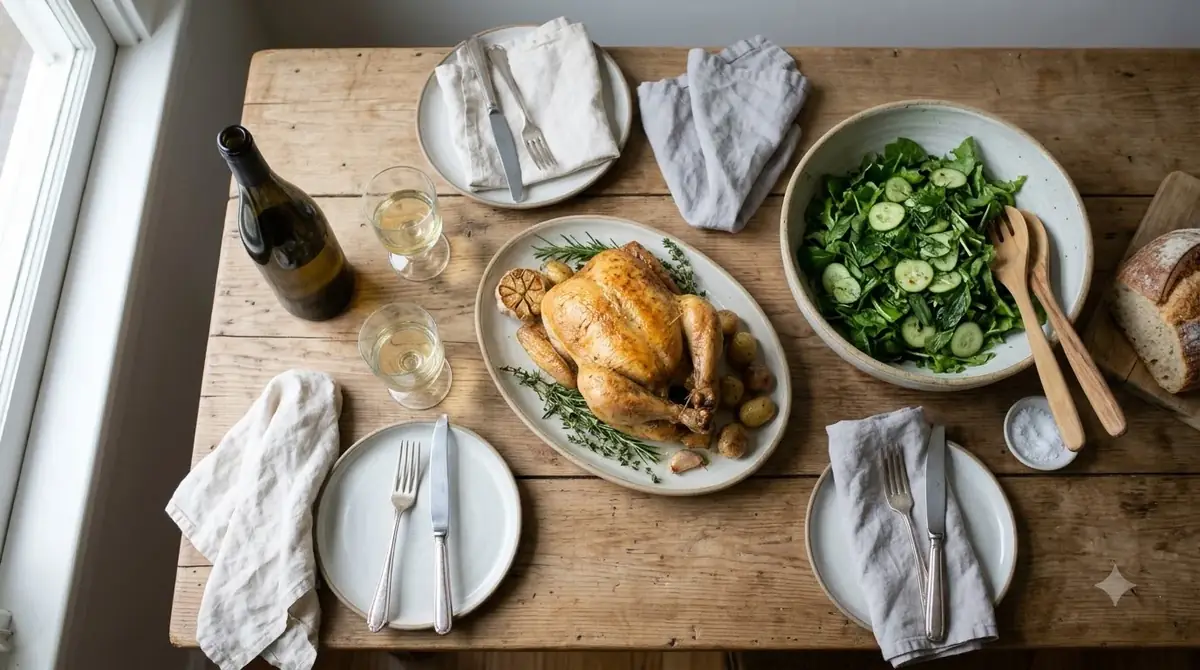
For Barbera, start with pizza, spaghetti with tomato sauce, lasagna, mushroom risotto, roasted eggplant, pork chops, or grilled sausages. Its acidity cuts through fat and refreshes the palate between bites, while its low tannin avoids making tomato sauce taste harsher. That makes it a dependable red for baked ziti, meatballs, charcuterie, and roast chicken. Chianti suits dishes with savory depth: grilled steak, pork ribs, fennel sausage, herb-roasted chicken, ragù, white beans with rosemary, porcini, and grilled vegetables. Its tannins gain balance from protein and fat, and its acidity keeps rich sauces from feeling too heavy.
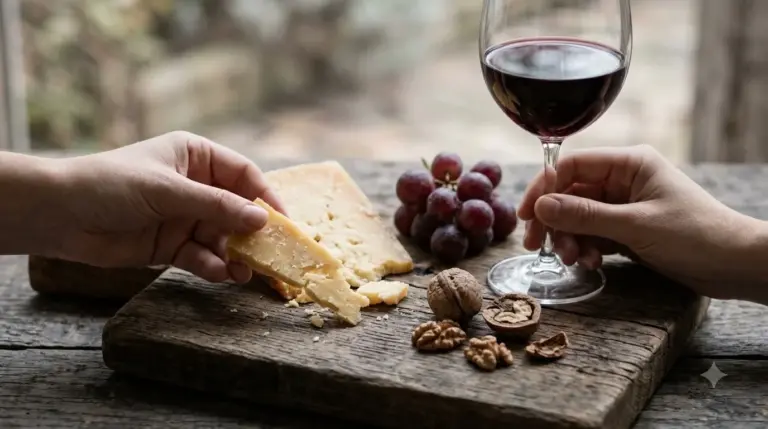
Both wines also work with hard Italian cheeses, although the best match depends on intensity. A young Barbera pairs nicely with milder aged cheeses and salumi; a structured Chianti can stand up to aged Pecorino Toscano or Parmigiano-Reggiano. Salt and fat soften tannin, while acidity refreshes the palate. Barbera also suits burgers and barbecue chicken; Chianti is a natural partner for lamb, mushrooms, and meatloaf. Avoid very spicy dishes, since alcohol and tannin can amplify chili heat, and avoid oily fish with a tannic red. For a closer grape comparison, Barbera vs Sangiovese explains how these varieties differ; Chianti vs Montepulciano compares two other Tuscan red-wine choices.
Tip: Match the wine to the strongest ingredient, not just the dish’s cuisine. For tomato-rich sauce or pizza, start with Barbera; for grilled meat, rosemary, and savory mushrooms, start with Chianti.
Serving Temperature, Storage, and Aging
Serve both wines slightly cool rather than warm: about 55–60°F is a useful starting range for their usual light-to-medium-bodied styles. A cooler pour emphasizes freshness in Barbera, while Chianti can benefit from a few degrees of warmth if it is more structured or aged.
Avoid serving either red at a hot room temperature, which can make alcohol seem more prominent and fruit less focused. If the bottle has been stored at room temperature, place it in the refrigerator for roughly 15–20 minutes before pouring, then adjust after the first glass. A more substantial Chianti Riserva can be served closer to 60–65°F, while a lighter Barbera is often especially lively near 55°F. The ideal temperature is the one that keeps the wine fresh without muting its aroma.
For young Barbera, opening the bottle shortly before dinner is usually enough. Most lighter examples do not need a long decant, although a concentrated, oak-aged bottling may benefit from 15–30 minutes of air. Young Chianti can also be poured directly, but a structured Riserva may open with 30–60 minutes in a decanter. Older bottles should be handled more gently because extended aeration can cause delicate aromas to fade.
Store unopened bottles on their sides in a cool, dark place near 55°F, away from sunlight and temperature swings. After opening, recork the wine and keep it in the refrigerator; most still reds remain in good drinking condition for about three to five days. Let the wine warm slightly in the glass after refrigeration. A standard 750 ml bottle provides about five 5-ounce pours.
How to Choose Between Barbera and Chianti
Choose Barbera when the meal is casual, tomato-rich, or built around foods that benefit from freshness without much tannin. Choose Chianti when you want a more savory red with extra grip for grilled meat, herbs, and richer, protein-centered dishes.
At the shelf, start with the appellation and the style description. Barbera d’Asti and Barbera d’Alba are useful starting points for classic Piedmont expressions; a label that mentions stainless steel or minimal oak is likely to emphasize bright fruit, while a clearly oak-aged bottling may show more spice and body. If you prefer a softer red, focus on a fresh, unoaked Barbera rather than assuming every bottle will taste alike. The same grape can be crafted in a simple, juicy style or a deeper, more layered one.
For Chianti, decide whether you want an easy-drinking bottle for a weeknight meal or a more developed wine for a substantial dinner. A standard Chianti is often the most direct, cherry-led choice. Chianti Superiore and Riserva can offer greater concentration or aging character, but their weight and tannin still vary by producer and subzone. The words on the label are useful clues, not a replacement for understanding the style you enjoy.
Consider the other wines you already like. Drinkers who enjoy lively acidity but dislike a drying finish often find Barbera an easy fit; those who enjoy Pinot Noir’s freshness but want more savory flavor and tannin may appreciate Chianti. Fans of structured Nebbiolo or Cabernet Sauvignon may prefer the extra grip in some Chianti Riserva bottlings, though Chianti is generally less tannic than those powerful reds. For another comparison with a more tannic Piedmont wine, see Barolo vs Chianti. There is no universal winner: Barbera is the more natural choice for vivid fruit, softness, and tomato-friendly acidity, while Chianti is stronger for savory complexity and a firmer frame around meat and herbs. If the menu includes both pizza and grilled steak, choose based on the main dish or serve the wines in that order, starting with the lighter bottle.
Frequently Asked Questions
Is Barbera ever made as a rosé?
Yes. Barbera is best known for red wine, but the grape can also be made into rosé by limiting the time the juice spends with the skins. Rosé Barbera is less common than the familiar Piedmont red, so it may appear under a local or producer-specific label rather than as a widely recognized category.
Is Chianti Classico the same as Chianti DOCG?
No. Chianti Classico became a separate DOCG in 1996, with its own defined production area and regulations. The word Classico identifies the historic central zone and should not be treated as simply an aging level of general Chianti.
Can a good Barbera age for many years?
Yes, although most everyday Barbera is made to be enjoyed while its fruit is vivid. Wine Enthusiast notes that more ambitious, full-bodied examples can age for up to 15 years. The ability to mature depends on concentration, balance, vintage, and winemaking rather than the grape name alone.
Why can Barbera look dark without tasting very tannic?
Color and tannin are related to grape skins but are not the same measurement. Barbera berries can have high levels of anthocyanins, the pigments responsible for deep red-purple color, while the finished wine still has relatively low tannin. That combination helps explain its dark appearance and comparatively smooth texture.
What does Chianti Rufina mean on a bottle?
Rufina is one of the officially recognized subzones within the wider Chianti appellation. A wine using the subzone name must come from grapes harvested and vinified in that delimited area, and its production, aging, and bottling must meet the applicable geographic requirements. The name gives a more precise indication of origin than Chianti alone.
Barbera and Chianti share Italian roots, bright acidity, and an affinity for food, but they offer different textures and personalities. Choose Barbera for juicy fruit and a softer finish, or Chianti for savory detail and firmer structure; either can make a satisfying bottle when its style matches the meal.
More in Wine vs Wine
 Chenin Blanc vs Pinot Gris: Acidity, Body, and Pairing DifferencesUpdated Nov 20, 2026
 Chianti vs Lambrusco: How Tuscany and Emilia-Romagna Reds CompareUpdated Nov 20, 2026
 Chianti vs Primitivo: Key Differences in Taste, Body, and PairingUpdated Nov 20, 2026
 Chianti vs Rioja: Key Differences in Taste, Aging, and PairingUpdated Nov 20, 2026
 Chianti vs Shiraz: How Acidity, Body, and Food Pairings CompareUpdated Nov 20, 2026
 Chianti vs Syrah: Key Differences in Taste, Body, and Food PairingUpdated Nov 20, 2026