

We may earn a commission when you buy through links on this page, at no extra cost to you. Learn more.
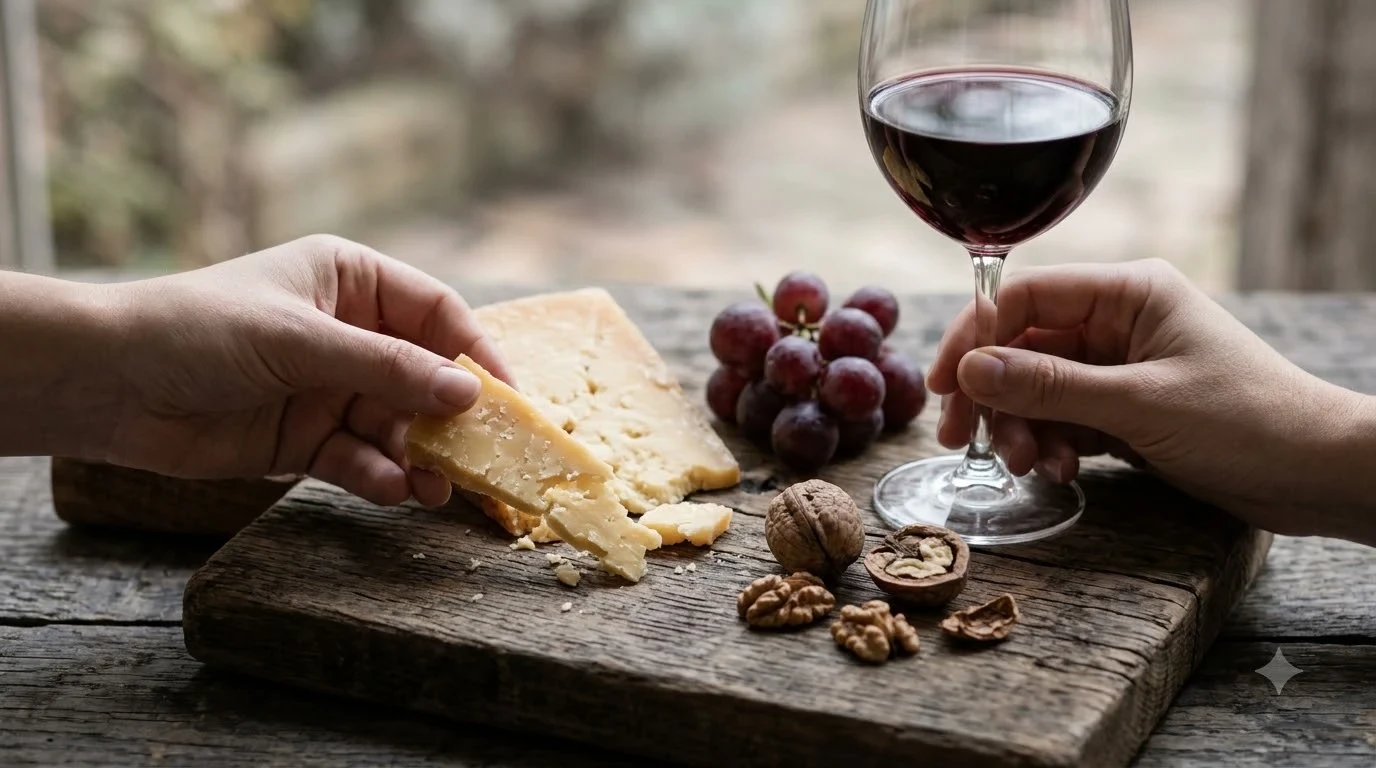
If you are wondering is sangiovese sweet or dry, Sangiovese is a dry red wine. During fermentation, winemakers convert almost all of the grape sugars into alcohol, leaving minimal residual sugar in the finished bottle. While ripe cherry and red plum flavors can create a fruity first impression, the wine finishes crisp and savory with brisk acidity and firm tannins.
Confusion around Sangiovese sweetness usually stems from its vibrant fruit aromatics and warm oak spices rather than actual sugar content. Understanding how this flagship Italian grape balances juicy orchard notes with mouthwatering acidity will help you pick the right style for your table and pair it effortlessly with dinner.
What Is Sangiovese and Why Does It Taste Dry?
Sangiovese is Italy’s most widely planted red wine grape and the backbone of famous Tuscan bottles like Chianti, Brunello di Montalcino, and Vino Nobile di Montepulciano. Standard red Sangiovese is vinified completely dry, meaning yeast consumes virtually all natural grape sugars before bottling.
In technical wine analysis, dry red wines typically contain less than 4 grams of residual sugar per liter, and most commercial Sangiovese bottles sit well below that mark, often under 2.5 grams per liter. Because there is no unfermented sugar coating your palate, the structural components of the grape—namely tart acidity and natural grape skin tannins—take center stage on the finish. When you explore Wine by Type, Sangiovese sits firmly alongside Cabernet Sauvignon and Pinot Noir in the dry red category rather than sweet reds.
So why do some drinkers initially suspect sweetness? The answer lies in sensory perception. Sangiovese expresses bold, ripe red fruit aromas—especially tart cherry, red plum, and strawberry—that your brain naturally associates with sweet foods. Furthermore, bottles aged in oak barrels pick up vanillin and baking spice compounds from the wood, while riper vintages with alcohol levels reaching 13.5 to 15 percent ABV add a round, plush texture on the mid-palate. Once you swallow, however, the brisk acidity sweeps the palate clean and leaves a distinctly dry, earthy impression.
While dry red wine represents the overwhelming majority of global production, winemakers occasionally use Sangiovese grapes for other styles. As noted by Wine Enthusiast, the grape is also pressed into crisp dry rosés (rosato), sparkling wines, and rare sweet dessert wines such as Vin Santo Occhio di Pernice, where harvested grapes are dried on mats to concentrate their sugars before fermentation. Unless a label specifically designates a dessert style, every bottle of Sangiovese you encounter on a retail shelf will be dry.
Flavor Profile and Major Styles of Sangiovese
Sangiovese delivers a signature tension between bright red fruit and rustic, savory earthiness, though its exact weight and intensity shift dramatically depending on regional blending rules and oak aging.
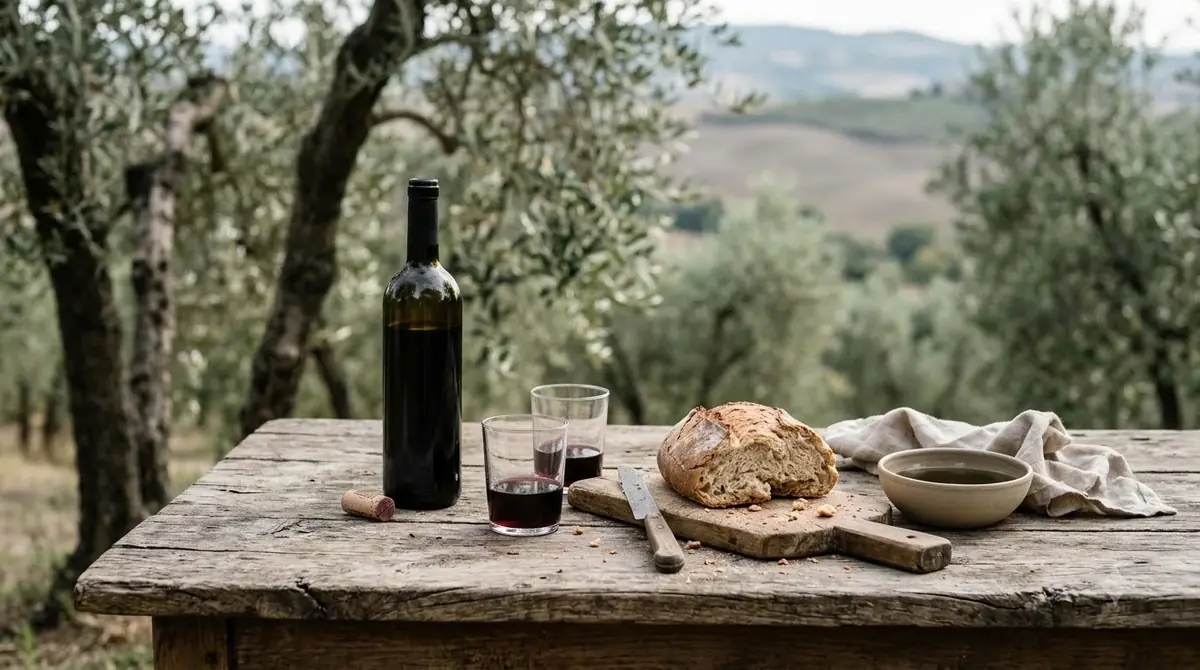
At its core, Sangiovese is defined by high natural acidity and medium-high to high tannins. Primary fruit flavors center on sour red cherry, red currant, cranberry, and wild strawberry, accompanied by herbal and savory notes of roasted tomato, dried oregano, thyme, and sweet balsamic. As the wine matures in cellar or barrel, those fresh fruit notes evolve into dried fig, leather, tobacco leaf, brick dust, and dried rose petals.
According to Wine Folly, Sangiovese expressions generally divide into two stylistic camps: fruit-forward modern styles and rustic traditional styles. Fruit-forward examples are often aged in smaller French oak barrels, softening the tannins and emphasizing plush cherry and clove spice. Traditional producers favor large, neutral Slavonian oak casks that preserve the grape’s firm, tea-like grip and highlight savory herb, smoke, and mineral notes.
| Wine Style | Sangiovese Share | Body & Tannin | Dryness & Flavor Character |
|---|---|---|---|
| Chianti DOCG | Minimum 70 percent | Medium body, moderate tannins | Dry; bright tart cherry, red plum, fresh herbs, lively acidity |
| Chianti Classico DOCG | Minimum 80 percent | Medium-full body, firm tannins | Dry; sour cherry, violet, leather, spice; Riserva ages 24 months |
| Brunello di Montalcino DOCG | 100 percent | Full body, high tannins | Dry; concentrated fig, dark cherry, tobacco, espresso, long cellar life |
| Rosso di Montalcino DOC | 100 percent | Medium body, medium tannins | Dry; juicy red berries, crushed rose, vibrant acidity for early drinking |
| Super Tuscan (IGT) | Varies (often blended) | Full body, plush tannins | Dry; often blended with Cabernet or Merlot for darker fruit and oak spice |
If you enjoy lighter-bodied dry wines with refreshing acidity, you might also compare Sangiovese’s crisp profile to a dry pink wine—our guide on is rose sweet or dry explains how winemakers achieve similar dry, berry-driven freshness without heavy tannins.
Where Sangiovese Grows Best
Central Italy is the undisputed homeland of Sangiovese, where warm Mediterranean sunshine ripens the thick-skinned grapes while hilly terrain preserves their signature acidity.
Tuscany sits at the center of Sangiovese’s reputation. Because Sangiovese vines are naturally vigorous and prone to producing oversized yields that dilute flavor, Tuscan growers plant them on poor, rocky, and well-drained soils rich in limestone, clay, and sandstone. These nutrient-poor hillsides restrict leaf growth and force the vines to channel energy into smaller, more concentrated grape clusters. Within Tuscany, subtle shifts in elevation and microclimate yield distinct expressions: the elevated hills of Chianti Classico produce floral, structured wines, while the warmer, drier slopes around Montalcino ripen the Sangiovese Grosso clone into powerful, age-worthy Brunello.
Beyond Tuscany, Sangiovese thrives across neighboring central Italian regions. Just over the Apennine mountains in Emilia-Romagna, Sangiovese di Romagna tends to exhibit riper, chewier dark fruit with slightly softer acidity and rounder tannins. Further south in Umbria and Marche, winemakers frequently blend Sangiovese with local varieties like Sagrantino or Montepulciano to create structured, dry everyday reds.
Outside Italy, pockets of California, Washington State, Argentina, and Australia also cultivate Sangiovese. New World bottlings typically capture more abundant sunshine, translating into riper black cherry flavors and slightly higher alcohol, though responsible winemakers harvest early enough to retain the grape’s trademark crisp finish.
How to Serve Sangiovese for Peak Flavor
Serving Sangiovese slightly below ambient room temperature keeps its brisk acidity refreshing and prevents alcohol from overshadowing its delicate floral and herbal aromatics.
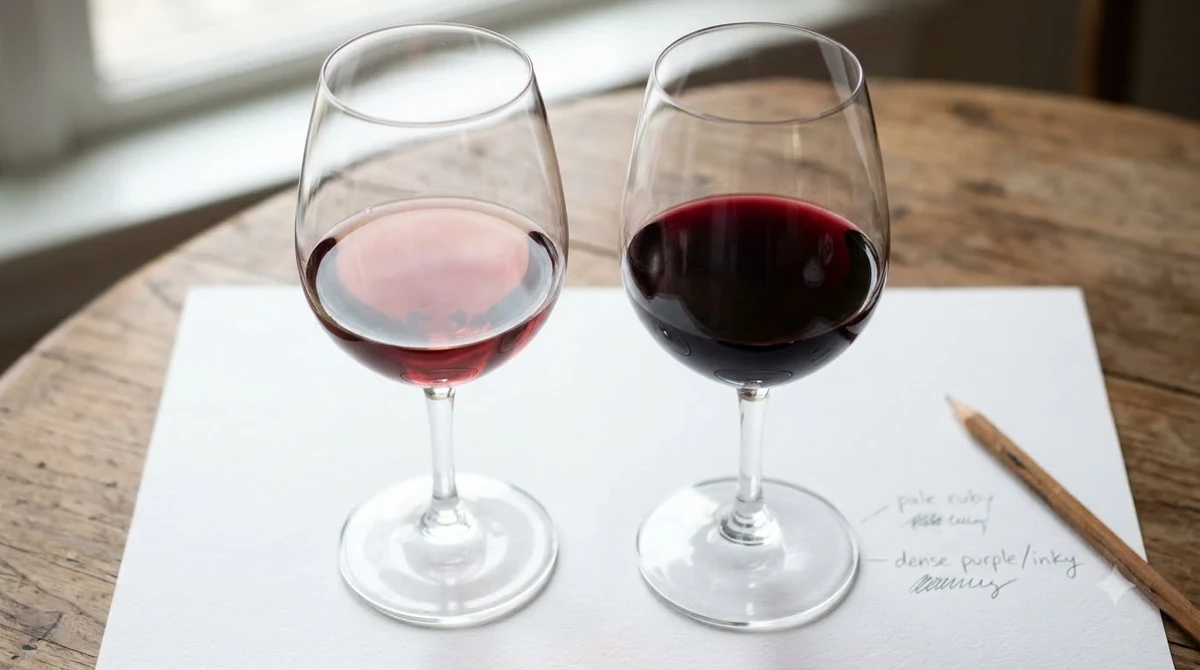
The ideal serving window for red Sangiovese is 59 to 65 degrees Fahrenheit (15 to 18 degrees Celsius). Younger, lighter-bodied bottles like basic Chianti or Rosso di Montalcino shine at the cooler end of that range, around 59 to 61 degrees Fahrenheit, where the chill accentuates crisp cherry fruit. Fuller, oak-aged styles such as Chianti Classico Riserva and Brunello di Montalcino open up best between 62 and 65 degrees Fahrenheit. If a bottle is served too warm—above 70 degrees—the alcohol feels hot on the nose and the wine loses its lively snap. Conversely, serving it straight from a cold refrigerator makes the tannins taste astringent and muted.
Aeration also makes a noticeable difference, particularly for structured bottles. Pouring a young Chianti Classico or Brunello into a decanter 30 to 60 minutes before dinner allows tight tannins to soften and releases layered notes of dried herbs, leather, and violet. Use a standard medium-to-large tulip-shaped red wine glass so the aromas concentrate toward the rim while directing the wine smoothly across your palate.
Tip: Place your bottle of Sangiovese in the refrigerator for 15 to 20 minutes before uncorking if it has been stored on a warm kitchen counter, bringing it right into the 60-degree sweet spot.
Best Food Pairings for Dry Sangiovese
Sangiovese’s combination of mouthwatering acidity, savory herbal undertones, and firm tannins makes it one of the most food-friendly dry red wines at the dinner table.
Tomato-based dishes represent the classic pairing benchmark. Tomatoes carry high natural acidity that can make low-acid red wines taste flat or metallic, yet Sangiovese matches tomato acidity stride for stride while echoing its savory flavor profile. Wood-fired Margherita pizza, spaghetti al ragù, baked meatballs in marinara, and eggplant Parmesan all bring out the hidden fruitiness in the wine.
Rich meats and aged cheeses also tame Sangiovese’s structural grip. Dietary fats and proteins bind to wine tannins on your palate, softening any astringency and making the wine feel silkier. Grilled ribeye, Tuscan steak (bistecca alla fiorentina), braised ossobuco, cured salami, and hard sheep’s milk cheeses like aged Pecorino Toscano are natural companions. For vegetarian meals, lean into umami and healthy fats—mushroom risotto, roasted red peppers, and white bean stews drizzled with extra-virgin olive oil work wonderfully.
One category to avoid is heavily sweetened dishes, such as sticky barbecue ribs glazed in brown sugar or desserts. Because Sangiovese is thoroughly dry and high in acid, sweet sauces make the wine taste overly tart and bitter by comparison. If you want a sweet Italian wine for dessert, compare Sangiovese to a sweet aromatic white by reading is moscato sweet or dry.
How to Choose the Right Bottle of Sangiovese
Selecting a bottle of Sangiovese comes down to matching the regional label designation to your meal and preferred intensity level.
Start by checking the front label for Italian quality designations, which indicate minimum aging and grape percentages. If you want an approachable, juicy weeknight red for pizza or pasta, look for standard Chianti DOCG, Chianti Classico Annata (the entry-level release aged at least 12 months), or Rosso di Montalcino DOC. These bottles emphasize bright cherry fruit, fresh herbs, and brisk acidity without heavy oak influence.
When you are cooking a slow-braised roast or want deeper complexity, step up to a Chianti Classico Riserva (aged a minimum of 24 months), Chianti Classico Gran Selezione (aged at least 30 months), Vino Nobile di Montepulciano, or Brunello di Montalcino. These tiers spend longer in wood and bottle, yielding darker dried fruit, tobacco, and leather nuances alongside firmer tannins. You can also look at vintage charts when shopping for aged bottles, as cooler harvests produce leaner, higher-acid wines while warmer years deliver riper, fuller-bodied expressions. Just like checking labels when deciding is brut champagne sweet or dry, spotting terms like “Riserva” or “Classico” tells you immediately what style awaits inside the bottle.
Frequently Asked Questions
Is Sangiovese sweeter or drier than Merlot?
Sangiovese and Merlot are both fermented dry, so neither wine contains noticeable residual sugar. However, Sangiovese tastes sharper and more savory because it has noticeably higher acidity and firmer tannins, whereas Merlot feels softer, plush, and rounder on the palate.
Is Chianti the same thing as Sangiovese?
Chianti is a geographic wine region in Tuscany, while Sangiovese is the primary grape used to make Chianti wine. Under Italian wine laws, Chianti DOCG must contain at least 70 percent Sangiovese, and Chianti Classico DOCG must contain at least 80 percent Sangiovese.
Why does Sangiovese sometimes taste fruity if it is a dry wine?
Dryness refers strictly to the absence of unfermented grape sugar, not the absence of fruit flavor. Sangiovese grapes naturally produce intense aromas of tart red cherry, plum, and strawberry that create a lively, juicy impression even when the wine finishes completely dry.
Can you find a sweet Sangiovese wine?
Standard red Sangiovese is always dry, though a few Tuscan producers craft rare sweet dessert wines from dried Sangiovese grapes, most notably Vin Santo del Chianti Occhio di Pernice. Unless the bottle is specifically labeled as a dessert wine or passito, you can expect a dry red.
Sangiovese is a classic dry Italian red wine prized for its bright cherry fruit, savory herbal edge, and lively acidity. Once you serve it slightly cool alongside tomato dishes, grilled meats, or aged cheeses, its dry structure becomes its greatest strength at the table.
More in Wine Types & Grapes
 Zinfandel Sugar Content: Dry Red vs. White Zinfandel GramsUpdated Nov 21, 2026
 Best Zinfandel Substitute Options for Sipping and CookingUpdated Nov 21, 2026
 Zweigelt Food Pairing: Best Dishes, Cheeses, and Serving TipsUpdated Nov 21, 2026
 Zinfandel Tannins Explained: How Structure Shapes Every BottleUpdated Nov 21, 2026
 Zinfandel Sweetness Level: Dry Red vs. Sweet White Zin ExplainedUpdated Nov 21, 2026
 Xinomavro Food Pairing: Best Dishes, Styles, and Serving TipsUpdated Nov 21, 2026