

We may earn a commission when you buy through links on this page, at no extra cost to you. Learn more.
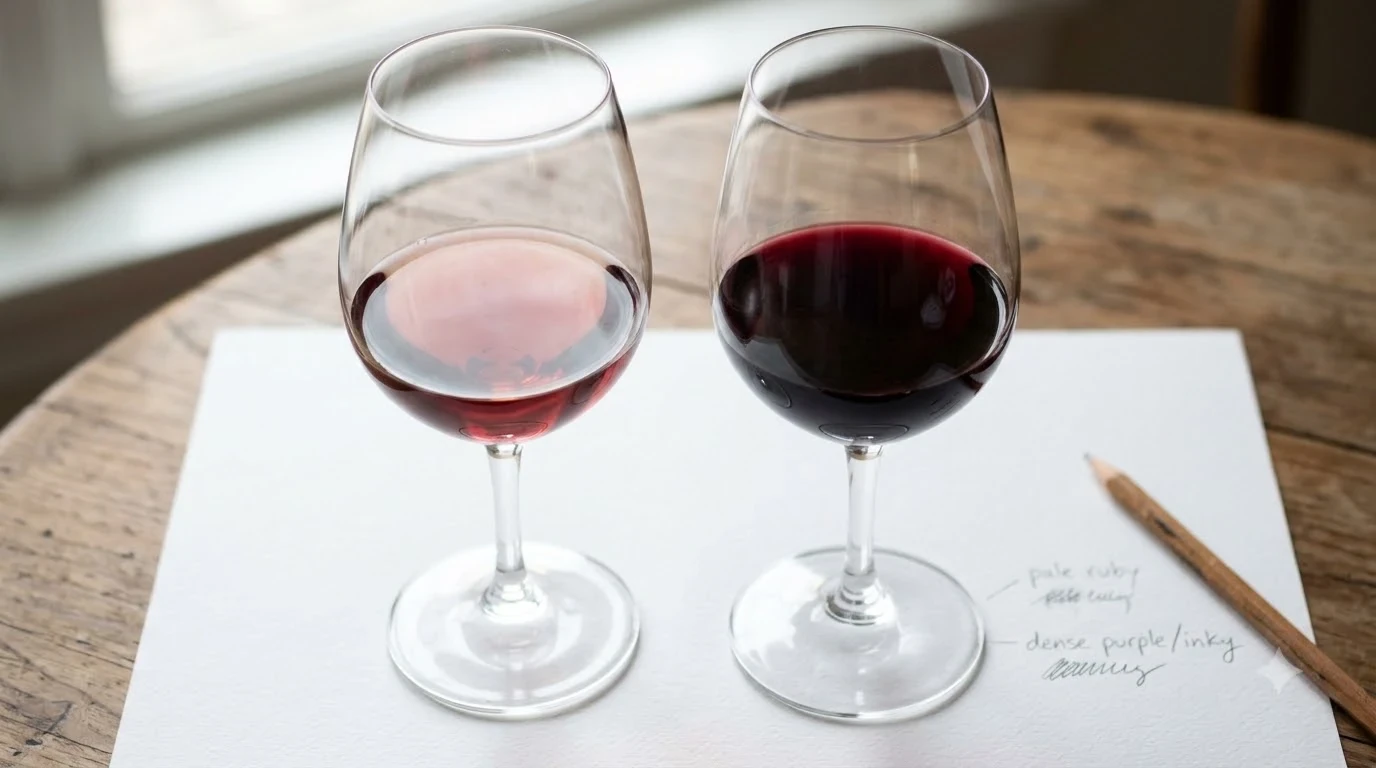
If you are wondering is pinot grigio full bodied, the short answer is no—most bottles are light-bodied to medium-light-bodied white wines with crisp acidity and a clean finish. While classic Italian Pinot Grigio sits firmly on the lighter end of the spectrum at around 12 to 12.5 percent alcohol by volume, the exact same grape grown in Alsace, Oregon, or steep Alpine vineyards in Alto Adige can produce richer, medium-to-full-bodied wines labeled as Pinot Gris. Understanding how climate, harvest timing, and cellar techniques shape the wine helps you predict exactly how heavy or refreshing a bottle will feel on your palate.
Wine body refers to the perceived weight and viscosity of a wine in your mouth, much like the difference between skim milk, whole milk, and heavy cream. Because Pinot Grigio is one of the most widely poured white wines in the United States, many drinkers assume every bottle offers the same featherweight, lemony refreshment, yet winemakers can coax dramatically different textures from this versatile grape.
What Pinot Grigio Is and Why Body Varies
Pinot Grigio is a dry white wine made from a grayish-blue, pinkish-skinned grape that is a natural genetic color mutation of Pinot Noir. Although the variety is most famous for crisp, light-bodied pours, its thin skins and adaptable ripening habits allow winemakers to steer the final body from ultra-lean to plush and oily.
Unlike red wines, where grape skins and seeds impart drying tannins that add structural weight, standard white Pinot Grigio is pressed immediately off its skins before fermentation. As a result, its perceived body depends almost entirely on alcohol content, natural acidity, residual sugar, and whether the juice spent time aging on spent yeast cells or in oak barrels. When grapes are harvested early in cool climates, they retain sharp malic acid and modest sugar levels, yielding a bright, lower-alcohol wine that feels brisk and weightless across the tongue.
Conversely, leaving the fruit on the vine longer builds higher natural sugars that ferment into higher alcohol—often reaching 13.5 to 14 percent ABV in warmer sites or late-harvest bottlings. Alcohol has a higher viscosity than water, creating a noticeable warmth and roundness on the mid-palate. Winemakers can amplify that richness further through malolactic fermentation, which converts tart green-apple acids into softer, creamier lactic acids, or through lees stirring, which releases textural compounds that coat the mouth.
Flavor Profiles and Body Styles Across the Spectrum
Pinot Grigio and Pinot Gris are the exact same grape—grigio is Italian for “gray” and gris is French—yet the two names on a bottle label usually signal two distinct body styles. Depending on regional tradition and cellar choices, the wine falls into three main textural categories.
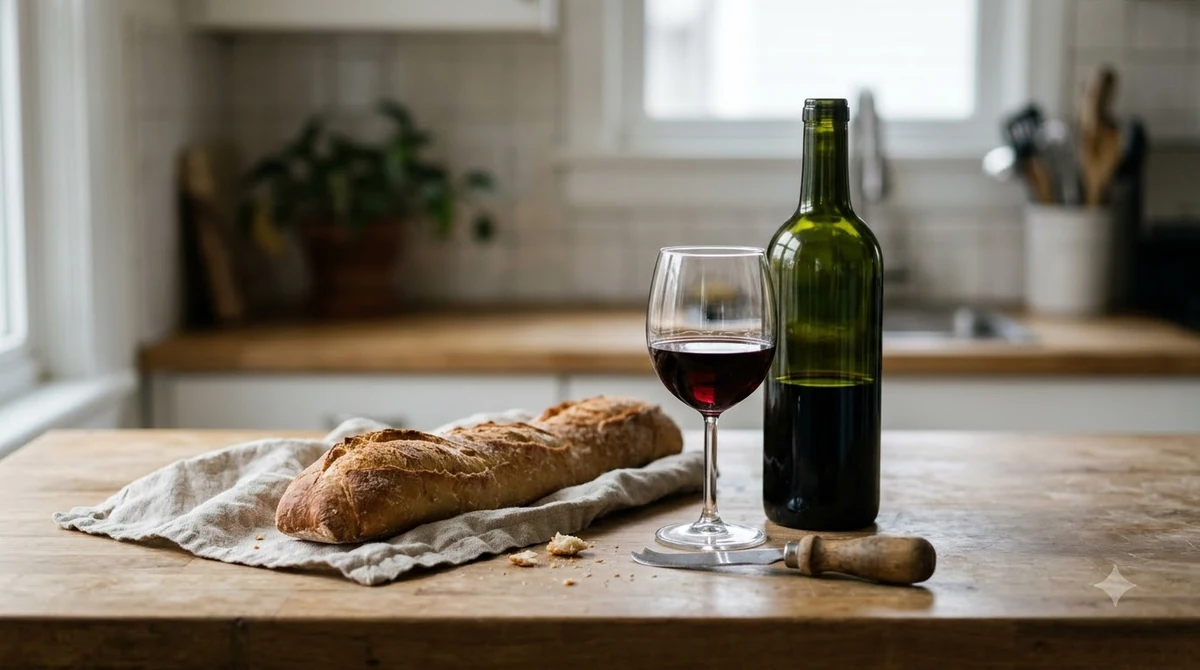
The first and most familiar style is the lean, minerally, light-bodied Italian Pinot Grigio. Fermented in stainless steel tanks to preserve freshness, these wines showcase zesty notes of lime, lemon peel, green apple, and white peach alongside a subtle bitter almond finish. Because they lack oak influence and carry brisk acidity, they feel lively and quenching rather than heavy, making them an effortless warm-weather pour.
The second style bridges the gap into medium-to-full body, typically labeled as Pinot Gris in the United States, New Zealand, and Australia, or crafted as reserve bottlings in northern Italy. According to Wine Folly’s comprehensive guide to Pinot Gris, winemakers often use lees aging or neutral oak to build an oilier, rounder mouthfeel. Flavors shift from tart citrus toward ripe yellow pear, cantaloupe, white nectarine, and gentle baking spices.
The third expression is the rich, full-bodied, and sometimes off-dry style perfected in Alsace, France, as well as copper-hued skin-contact wines known as ramato in northeastern Italy. In Alsace, late-harvested grapes or fruit affected by noble rot develop concentrated flavors of honeycomb, baked apple, ginger, and clove with a viscous, lingering texture. Meanwhile, ramato producers macerate the juice with the grape’s pinkish skins for roughly 24 to 36 hours—or up to several days—extracting light tannins and savory herbal complexity that give the wine the structural grip of a light red. If you appreciate how genetic relatives share textural traits, comparing this grape with its parent variety in our guide on whether Pinot Noir is full-bodied highlights how skin contact transforms mouthfeel.
| Style / Label Name | Typical Body | Common Regions | Key Flavor Notes | Winemaking Traits |
|---|---|---|---|---|
| Classic Pinot Grigio | Light-bodied | Veneto, Trentino, Friuli (Italy) | Lemon zest, green apple, white peach, bitter almond | Early harvest, stainless steel fermentation, no oak |
| Alpine & Reserve Pinot Grigio | Medium to full-bodied | Alto Adige, Colli Orientali del Friuli (Italy) | Ripe pear, nectarine, honeysuckle, toasted almond, wet stone | Steep mountain sites, extended lees aging, occasional oak |
| New World Pinot Gris | Medium-bodied | Willamette Valley (Oregon), California, New Zealand | Asian pear, cantaloupe, Meyer lemon, jasmine | Riper harvest, partial malolactic fermentation, lees stirring |
| Alsatian Pinot Gris | Full-bodied | Alsace (France), Germany (Grauburgunder) | Honeycomb, baked apple, ginger, clove, smoke | Late harvest, old large oak casks, occasional residual sugar |
| Ramato (Skin-Contact) | Medium-bodied with grip | Friuli-Venezia Giulia (Italy), Sonoma, Oregon | Wild strawberry, prickly pear, blood orange, dried herbs | 24 hours to 5 days of skin maceration for copper tint |
Where It Grows and How Terroir Shapes Weight
Originated in Burgundy, France—where it was known in the Middle Ages as Fromenteau—this traveling grape now thrives across several continents, with regional climate acting as the primary dial for wine body. Cool coastal valleys preserve brisk acidity and lighter weight, while sun-drenched slopes and sheltered basins encourage riper sugars and broader texture.
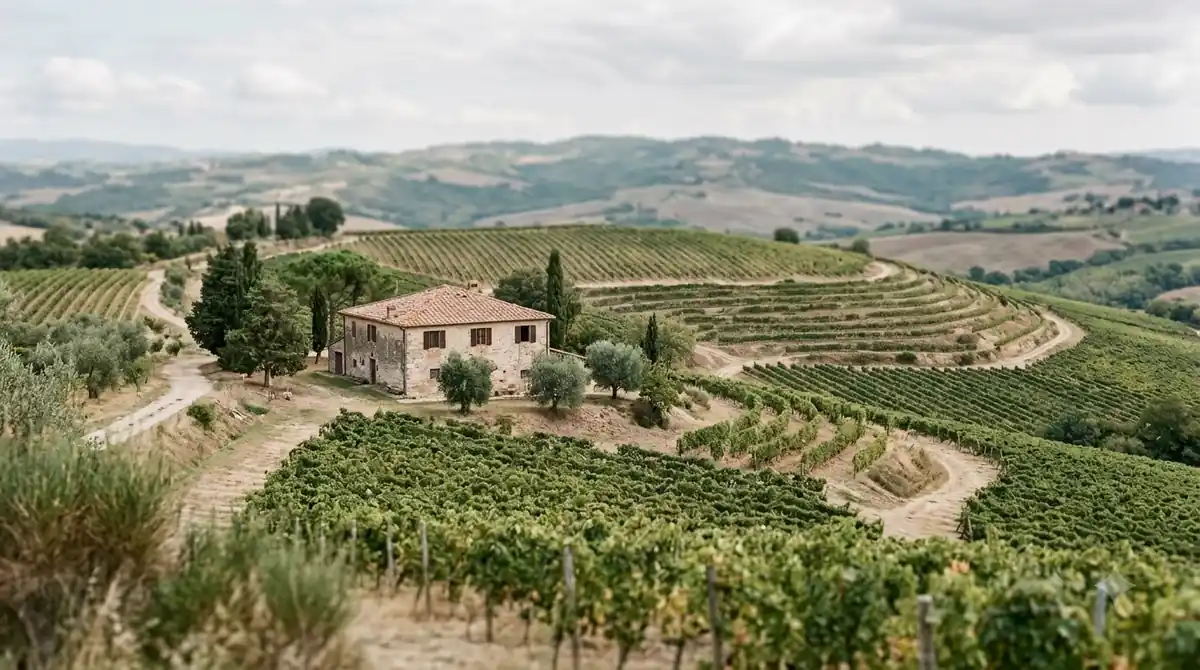
Italy remains the largest producer by volume, led by the northeastern regions of Veneto, Trentino-Alto Adige, and Friuli-Venezia Giulia. Broad valley-floor vineyards in the Delle Venezie DOC generate high-volume, light-bodied Pinot Grigio prized for its clean, citrus-driven snap. Just north in the Dolomite foothills of Alto Adige and Valle Isarco, however, dramatic day-to-night temperature swings and mineral-rich gravel soils yield remarkably concentrated, full-textured bottles that wine critics frequently compare to fine white Burgundy.
In France’s Alsace region, the Vosges Mountains cast a rain shadow that creates one of the driest, sunniest microclimates in northern Europe. Here, the grape is labeled Pinot Gris and produces opulent, full-bodied white wines with higher alcohol and a plush, almost unctuous mouthfeel. Across the border in Germany, where the grape goes by Grauburgunder, styles span from crisp dry regional wines to rich, barrel-aged bottles from Rheinhessen and Baden.
In the United States, Oregon’s Willamette Valley has established itself as the premier American home for the grape, adopting the French name Pinot Gris to signal a fuller, fruit-forward profile. Cooler marine breezes from the Pacific Ocean keep natural acidity vibrant while allowing stone fruit and melon flavors to ripen thoroughly, resulting in a balanced medium body that sits comfortably between Italian lightness and Alsatian weight.
How to Serve Pinot Grigio for Ideal Texture
Serving temperature has an immediate physical impact on how heavy or crisp a white wine feels in your glass. Chilling Pinot Grigio too aggressively mutes its aromatic complexity and makes its acidity feel sharp, while serving it too warm emphasizes alcohol and makes light styles taste flabby.
For standard, light-bodied Italian Pinot Grigio, aim for a refrigerator chill of roughly 45 degrees Fahrenheit (about 7 to 8 degrees Celsius). At this temperature, the wine’s lemon-zest brightness and mineral snap stay front and center without numbing your taste buds. Pulling the bottle from the fridge about 10 to 15 minutes before pouring usually hits the sweet spot.
Fuller-bodied expressions—such as oak-aged Alto Adige Pinot Grigio, Oregon Pinot Gris, and Alsatian Pinot Gris—benefit from slightly warmer cellar temperatures between 50 and 52 degrees Fahrenheit (10 to 11 degrees Celsius). Allowing these denser wines a bit more warmth unlocks their baked pear, honey, and spice aromatics while letting their creamy lees texture shine. For detailed glassware choices and chilling timelines, see our complete breakdown on how to serve Pinot Grigio at home.
Tip: Pour light-bodied Pinot Grigio into a standard white wine glass with a narrower bowl to focus its delicate citrus aromas, and reach for a wider-bowled Chardonnay glass when serving rich, barrel-aged Pinot Gris so oxygen can soften its fuller texture.
Food Pairing by Body Weight
Matching the weight of your wine to the richness of your meal is the golden rule of food pairing, and Pinot Grigio’s range across body styles makes it extraordinarily flexible at the dinner table. Light-bodied bottlings act like a squeeze of fresh lemon over delicate dishes, whereas fuller-bodied versions have the heft to stand alongside creamy sauces and roasted meats.
Crisp, light-bodied Italian Pinot Grigio excels with raw shellfish, ceviche, poached shrimp, spring salads with vinaigrette, and fresh goat cheese. Its high acidity slices cleanly through fried appetizers like calamari or zucchini blossoms, resetting your palate between bites without overwhelming subtle seafood flavors.
When you step up to a medium-bodied Oregon Pinot Gris or an Alpine Italian bottling, you can introduce richer textures and heartier proteins. Herb-roasted chicken, pan-seared scallops, risotto with spring peas, and flaky white fish in a light butter or cream sauce pair effortlessly with the wine’s rounder mid-palate. For full-bodied Alsatian Pinot Gris or savory copper-tinted ramato, look toward pork tenderloin, duck, charcuterie boards, roasted winter squash, or mildly spiced Asian dishes where the wine’s weight and hint of fruit sweetness balance complex seasonings.
How to Choose a Bottle That Matches Your Preference
Reading a few key clues on the front and back labels lets you reliably predict whether a bottle will be featherlight or full-bodied before you ever pull the cork. Because regulations vary by country, the terminology and alcohol percentage printed on the label are your most dependable guides.
Start by checking the varietal name and geographic origin. As Decanter’s overview of Pinot Grigio styles notes, bottles labeled “Pinot Grigio” from broad northern Italian appellations like Delle Venezie or Veneto almost always deliver a crisp, light-bodied profile. Conversely, bottles labeled “Pinot Gris” from Alsace, Oregon, or New Zealand—or “Grauburgunder” from Germany—signal a noticeably rounder, medium-to-full-bodied experience.
Next, glance at the alcohol by volume printed in small type near the bottom of the label. Wines sitting at 12 to 12.5 percent ABV are typically harvested early for brisk, light-bodied refreshment, while bottles reading 13.5 to 14 percent ABV indicate riper grapes and a significantly fuller, warmer mouthfeel. Finally, look at the liquid through clear glass if possible: pale straw-yellow tones point toward stainless-steel lightness, whereas deeper gold or coppery pink hues reveal oak aging or skin contact—details explored further in our guide to Pinot Grigio color.
Frequently Asked Questions
Is Pinot Grigio heavier or lighter than Chardonnay?
Standard Italian Pinot Grigio is noticeably lighter than most Chardonnay because it is fermented in stainless steel without oak aging or malolactic fermentation. While an unoaked Chablis can match Pinot Grigio’s crisp, light-to-medium weight, classic California Chardonnay is significantly fuller and creamier. Only late-harvest or barrel-aged Pinot Gris rivals oaked Chardonnay in body.
Is Pinot Grigio a dry or sweet wine?
The vast majority of Pinot Grigio is fermented completely dry, meaning winemakers convert almost all natural grape sugars into alcohol. Its brisk acidity can even make it taste drier than other white wines of similar weight. The primary exceptions are certain mass-market entry-level bottles with a touch of residual sugar and rich late-harvest Pinot Gris from Alsace.
Are Pinot Grigio and Pinot Gris the exact same grape?
Yes, Pinot Grigio and Pinot Gris are genetically identical, representing the Italian and French names for the same pinkish-gray mutation of Pinot Noir. Winemakers choose between the two names on the label to signal stylistic intent. Pinot Grigio generally indicates a lighter, zesty, citrus-driven wine, while Pinot Gris points toward a fuller, riper, more textural style.
What is the lightest-bodied style of Pinot Grigio you can buy?
The lightest-bodied bottles come from cool-climate, high-volume northern Italian regions such as Delle Venezie DOC, Veneto, and Trentino. Look for recent vintages bottled around 12 to 12.5 percent alcohol by volume that mention stainless steel fermentation on the back label. These wines prioritize bright lemon and green apple freshness with minimal weight on the palate.
While classic Italian Pinot Grigio earns its reputation as a crisp, light-bodied white wine, the grape’s genetic versatility allows it to span everything from featherweight summer pours to rich, full-bodied Alsatian classics. Checking the regional origin, label terminology, and alcohol percentage on the bottle gives you complete control over whether your next glass feels brisk and refreshing or round and textured.
More in Wine Types & Grapes
 What Does Mourvèdre Taste Like? Flavor Profile, Regions, and PairingsUpdated Nov 20, 2026
 What Does Marsanne Taste Like? Flavors, Styles, and Food PairingsUpdated Nov 20, 2026
 What Does Malvasia Taste Like? Styles, Flavors, and Food PairingsUpdated Nov 20, 2026
 What Does Grenache Blanc Taste Like? Flavor Profile, Styles, and PairingsUpdated Nov 20, 2026
 What Does Garnacha Taste Like? Key Flavors, Styles, and Pairing TipsUpdated Nov 20, 2026
 What Does Fruit Wine Taste Like? A Complete Flavor and Style BreakdownUpdated Nov 20, 2026