

We may earn a commission when you buy through links on this page, at no extra cost to you. Learn more.
When asking is grenache full bodied, the short answer is that it sits squarely in the medium-to-full-bodied category. While its thin skins produce a translucent, ruby-colored wine with moderate tannins and acidity, its naturally high sugar accumulation creates elevated alcohol levels—often between 13.5% and 16% ABV—that give the wine a rich, viscous weight on the palate. Depending on where the grapes are grown and how the winemaker handles oak aging, a bottle can feel as plush and weighty as a classic big red or as bright and nimble as a light-bodied pour.
Understanding how a wine can look pale in the glass yet feel substantial in your mouth comes down to the unique anatomy of the grape itself. Exploring the core characteristics, regional expressions, and serving habits of this versatile red clarifies exactly what to expect before you pull the cork.
What Is Grenache?
Grenache is a late-ripening red wine grape known globally as Garnacha in Spain and Cannonau in Sardinia, celebrated for producing juicy, spice-driven wines with generous alcohol and soft tannins. Unlike thick-skinned varieties that rely on heavy extraction for structure, this grape builds body through sugar ripeness and glycerol.
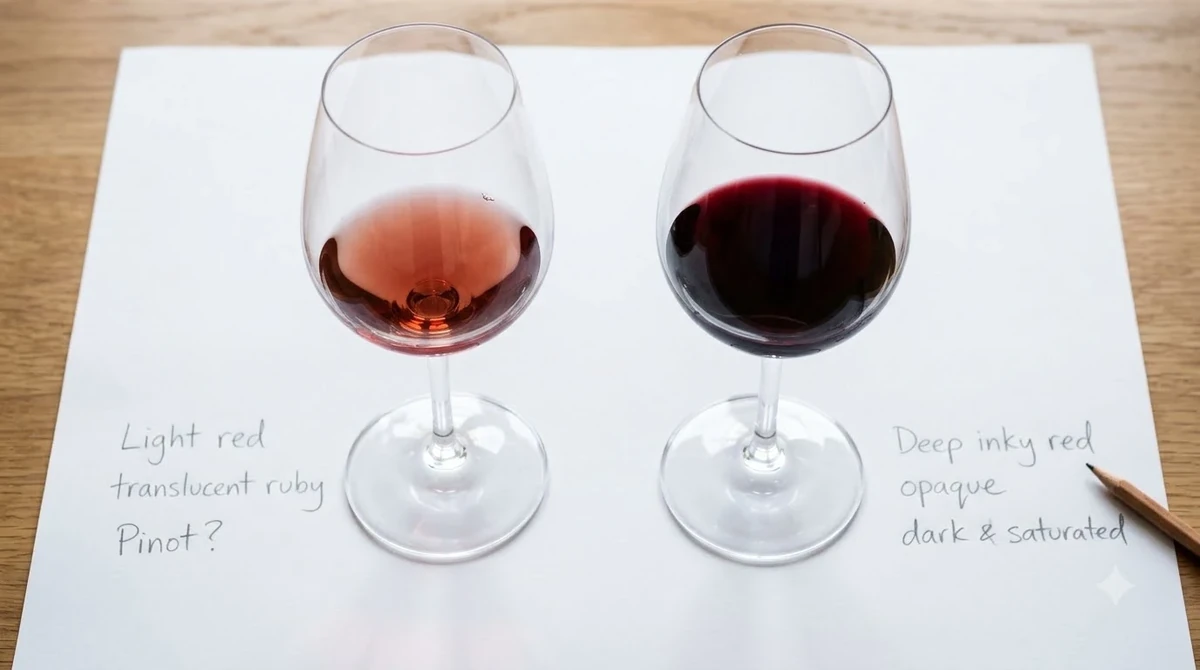
In the vineyard, the vine thrives in hot, dry, and windy climates where other varieties might struggle or shut down. Because the grape has thin skins and relatively low levels of anthocyanins—the pigments responsible for deep purple hues—even intensely concentrated examples tend to pour a translucent garnet or bright ruby rather than opaque ink. According to Wine Folly’s comprehensive grape guide, this visual lightness often tricks drinkers into expecting a delicate wine, right up until the first sip delivers a wave of candied red fruit and warming spice.
That sensation of fullness comes primarily from ethanol and glycerol rather than gripping astringency. During fermentation, high natural sugar levels convert into elevated alcohol, which increases the viscosity of the liquid and coats the palate. If you are comparing red styles across the spectrum of wine by type, Grenache bridges the gap between lighter, high-acid reds and dense, heavily structured bottles, offering plush texture without harsh dryness.
Flavor Profile and Styles
The classic flavor profile of Grenache centers on ripe red berries—such as candied strawberry, crushed raspberry, and red plum—layered with white pepper, dried herbs, and blood orange zest. As the wine ages or sees oak contact, those bright fruit notes evolve toward leather, tobacco, fig, and roasted nuts.
Winemakers shape the final body and texture of the wine through yield management and vessel choices. In warm regions where vines produce abundant fruit, winemakers often ferment in stainless steel or neutral concrete to preserve fresh, vibrant aromatics and keep the wine feeling medium-bodied and energetic. Conversely, when growers restrict yields on gnarled, old-vine bush plants, the resulting berries pack tremendous concentration, yielding a darker, richer, and noticeably fuller-bodied style.
Oak aging also plays a decisive role in how heavy the wine feels. Traditionalists in France and Spain frequently rely on large, neutral oak foudres or concrete tanks so the pure fruit shines through without added wood tannins. Modern producers in warmer New World regions sometimes mature their top cuvées in smaller French or American oak barrels, imparting vanilla, baking spice, and extra structural grip that push the wine firmly into full-bodied territory.
| Style Category | Typical Body | Key Tasting Notes | Common Regions |
|---|---|---|---|
| Unoaked / Old-World Classic | Medium | Wild strawberry, white pepper, dried garrigue herbs, ruby grapefruit | Côtes du Rhône, Navarre, Sardinia |
| Old-Vine / Concentrated | Medium-Full to Full | Black cherry, raspberry jam, licorice, roasted fig, leather | Châteauneuf-du-Pape, Priorat, Barossa Valley |
| Rosé (Rosado) | Light to Medium | Watermelon, crushed berries, hibiscus, wet stone | Tavel, Provence, Rioja |
Where Grenache Grows Best
Grenache originated in northern Spain and today flourishes across sun-drenched Mediterranean regions, Southern France, Australia, and California. Each terroir stamps its own signature on the grape’s weight, acidity, and aromatic complexity.
Spain remains the spiritual homeland of Garnacha, particularly in Aragón, Navarre, and Catalonia. In the steep, slate-covered hills of Priorat, low-yielding old vines produce intensely concentrated, full-bodied blends that pair dark mineral notes with ripe black and red fruits. Meanwhile, high-altitude vineyards in Calatayud and Campo de Borja benefit from cool nighttime temperatures that lock in natural acidity, keeping their medium-full wines remarkably fresh and balanced.
Across the border in France’s Southern Rhône Valley, Grenache serves as the backbone of Côtes du Rhône and the prestigious blends of Châteauneuf-du-Pape. Here, it is traditionally blended with Syrah and Mourvèdre—a combination famously known as GSM—where Grenache supplies the plush fruit and alcohol while its partners contribute color, tannin, and savory depth. As noted in VinePair’s guide to Grenache, Australian regions like Barossa Valley and McLaren Vale also prize century-old bush vines that yield decadent, full-bodied expressions bursting with blackberry, dark chocolate, and sweet spice.
How to Serve Grenache
To keep Grenache tasting vibrant rather than overly alcoholic, serve it slightly cooler than room temperature, ideally between 60°F and 65°F (15°C to 18°C). A brief twenty-minute chill in the refrigerator before opening tightens the fruit flavors and keeps the wine’s natural warmth in check.
Because Grenache typically carries higher alcohol than many other red varieties, serving it at a warm 72°F room temperature can cause ethanol vapors to dominate the glass, masking delicate floral and herbal nuances. Cooling the bottle down brings the bright raspberry, blood orange, and pepper aromatics forward while making the mid-palate feel crisp and refreshing. For lighter, unoaked styles, you can even drop the temperature closer to 58°F without muting the wine’s character.
Tip: Choose a large, wide-bowled Burgundy or Pinot Noir glass for Grenache; the broad bowl captures delicate red-berry aromatics while directing the wine toward the tip of your tongue to highlight freshness over alcohol heat.
Decanting depends largely on the age and concentration of the specific bottle. Young, fruit-forward Côtes du Rhône or Spanish Garnacha generally needs no decanting at all—simply pour and enjoy as it opens up in the glass over an hour. However, dense, full-bodied examples from Priorat, Châteauneuf-du-Pape, or old-vine Barossa benefit from thirty to sixty minutes in a decanter to soften any youthful grip and allow savory, earthy notes to emerge.
Food Pairing Ideas
Grenache is one of the most food-friendly red wines at the dinner table because its moderate tannins do not clash with spices, herbs, or mild heat, while its generous fruit stands up to hearty roasted meats. It thrives alongside dishes featuring char, savory herbs, and caramelized glazes.
Herb-crusted roasted meats are a natural match for medium-to-full-bodied Grenache. Think rosemary-garlic leg of lamb, braised pork shoulder, or grilled duck breast, where the wine’s plush texture mirrors the richness of the meat while its peppery finish cuts through the fat. Mediterranean staples like ratatouille, grilled eggplant, mushroom risotto, and aged Manchego cheese also highlight the grape’s earthy, herbal undertones.
Unlike heavily tannic reds that can turn bitter next to chili heat or sweet barbecue sauces, Grenache embraces bold seasonings. The ripe strawberry and raspberry notes echo the sweetness in sticky pork ribs, spiced lamb meatballs, or chorizo paella, while the moderate tannin structure prevents the spices from feeling harsh on your palate. Even hearty vegetarian dishes loaded with roasted peppers, smoked paprika, and lentils find an effortless partner in a well-chilled glass.
How to Choose a Bottle
Finding the exact weight and body you prefer in a bottle of Grenache starts with checking three key clues on the label: the region, the alcohol percentage, and whether it is a single-varietal bottling or a blend. These details tell you immediately whether the wine leans bright and medium-bodied or rich and full-bodied.
First, glance at the ABV printed on the front or back label. Bottles sitting around 13.5% to 14% ABV generally deliver a lighter, more red-fruited, and briskly acidic profile, common in high-elevation Spanish regions or cooler coastal pockets of California. Once the ABV climbs into the 14.5% to 16% range—typical of Châteauneuf-du-Pape, Priorat, or Barossa Valley—you can expect a broader, more viscous, full-bodied mouthfeel with deeper dark fruit and spice.
Second, pay attention to blending partners and vine age. A 100% varietal Garnacha from Navarra or a basic Côtes du Rhône will highlight pure, juicy berry flavors and supple texture. If you want maximum structure and depth, look for labels mentioning “Old Vines” (Vieilles Vignes or Viñas Viejas) or GSM blends where Syrah and Mourvèdre add firm tannins and darker color. Knowing how Grenache compares to other popular reds helps narrow your search: if you enjoy the silky transparency of whether Pinot Noir is full bodied, seek out cool-climate, unoaked Grenache, whereas fans of the plush weight explored in how Merlot compares in body or the dark fruit density of where Malbec sits on the body scale will gravitate toward old-vine Priorat or Southern Rhône blends.
Frequently Asked Questions
Is Grenache heavier than Pinot Noir?
Yes, Grenache is generally fuller-bodied and heavier than Pinot Noir. Although both grapes have thin skins and produce translucent red wines, Grenache grows in warmer climates and accumulates more sugar, resulting in higher alcohol levels and a richer, more viscous mouthfeel compared to Pinot Noir’s lighter, more delicate frame.
Why does Grenache look light in color if it is medium-to-full bodied?
A wine’s color comes from pigments in the grape skins, whereas body is driven largely by alcohol, glycerol, and extract. Grenache naturally has thin skins with low pigment levels, so it pours a pale ruby or garnet hue even when high alcohol and ripe fruit give it a substantial, full-bodied weight on the palate.
Is Grenache a dry or sweet wine?
Nearly all red Grenache wines are fermented completely dry, meaning there is virtually no residual sugar left in the bottle. However, its intense flavors of candied strawberry, ripe raspberry, and sweet baking spices—combined with elevated alcohol—often create a fruit-forward impression that feels lush and supple rather than austere.
What is the difference between Grenache and Garnacha?
Grenache and Garnacha are the exact same grape variety, simply using the French and Spanish names respectively. Bottles labeled Grenache typically come from France, Australia, or the United States and often feature in GSM blends, while Garnacha appears on Spanish labels and frequently highlights single-varietal expressions from regions like Aragón and Priorat.
Whether poured as a crisp, high-altitude Spanish red or a velvety, old-vine Southern Rhône blend, Grenache proves that a wine does not need opaque color or aggressive tannins to feel substantial. Paying attention to regional origin, alcohol level, and serving temperature makes it easy to match the bottle’s exact weight to your meal and personal palate.
More in Wine Types & Grapes
 What Does Mourvèdre Taste Like? Flavor Profile, Regions, and PairingsUpdated Nov 20, 2026
 What Does Marsanne Taste Like? Flavors, Styles, and Food PairingsUpdated Nov 20, 2026
 What Does Malvasia Taste Like? Styles, Flavors, and Food PairingsUpdated Nov 20, 2026
 What Does Grenache Blanc Taste Like? Flavor Profile, Styles, and PairingsUpdated Nov 20, 2026
 What Does Garnacha Taste Like? Key Flavors, Styles, and Pairing TipsUpdated Nov 20, 2026
 What Does Fruit Wine Taste Like? A Complete Flavor and Style BreakdownUpdated Nov 20, 2026