

We may earn a commission when you buy through links on this page, at no extra cost to you. Learn more.
Vouvray wine tasting introduces you to four distinctive expressions of Chenin Blanc from France’s Loire Valley: dry, off-dry, sweet and sparkling wines. Located in the Touraine district near Tours, Vouvray is known for its naturally high acidity, limestone-influenced character and remarkable range of sweetness. A single tasting can reveal crisp citrus and green apple, ripe pear and honey, concentrated apricot, or delicate bubbles with brioche notes.
Vouvray is an especially rewarding region for anyone who wants to understand how one grape variety can produce dramatically different wines. The best approach is to taste several styles side by side, paying attention to sweetness, acidity, texture and aroma rather than assuming every white wine from the appellation will taste the same. Whether you prefer refreshing dry whites, balanced off-dry wines or rich dessert bottles, knowing the regional styles makes choosing your next glass much easier.
Understanding Vouvray and Its Chenin Blanc Heritage
Vouvray is a historic white wine appellation in the Touraine section of France’s Loire Valley. Its identity rests on Chenin Blanc, a grape capable of producing everything from sharply refreshing dry wines to concentrated sweet bottles and traditional-method sparkling wines.
The vineyards lie along the north bank of the Loire River, east of Tours. According to the Vouvray winegrowers’ union, the appellation covers approximately 2,300 hectares across eight communes: Tours, Vouvray, Chançay, Noizay, Reugny, Rochecorbon, Vernou-sur-Brenne and Parçay-Meslay. This geographic area has an established identity that dates back centuries, and Vouvray received official Appellation d’Origine Contrôlée recognition in 1936.
Chenin Blanc is sometimes called Pineau de la Loire in this part of France. Its natural acidity is one of its defining qualities. The grape can reach substantial ripeness without losing the freshness needed to balance residual sugar, which explains why Vouvray can produce both vibrant dry whites and richly sweet wines without feeling heavy.
Another important characteristic is vintage variation. The climate combines oceanic and continental influences, and the weather can differ considerably between growing seasons. Harvest maturity therefore influences the styles a producer can make. Earlier-picked grapes generally provide the foundation for dry wines, while riper fruit can produce medium-dry and sweet expressions.
Vouvray also has a useful comparison with other French white wine regions. Someone familiar with Alsace wine tasting may recognize the importance of acidity and the influence of grape ripeness, but Vouvray offers a particularly broad range of styles from just one grape variety. This makes it a valuable region to explore when learning about French wine classifications and regional identity.
Exploring the Four Main Styles of Vouvray
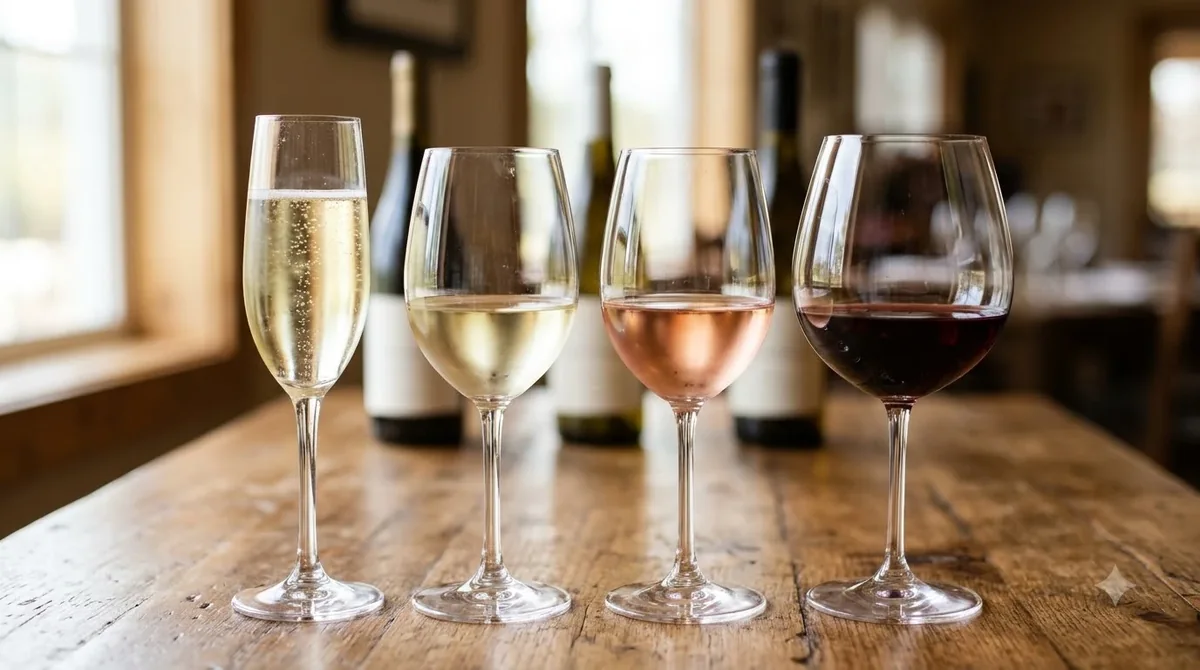
The most important distinction in Vouvray is sweetness. The four principal expressions are sec, demi-sec, moelleux and sparkling wine, with the first three describing still wines and the last offering a completely different texture and tasting experience.
Sec is the starting point for drinkers who prefer dry white wine. Expect citrus, green apple, pear, white flowers and a refreshing mineral impression. The acidity is often pronounced, while the palate can have more weight and texture than a particularly light Sauvignon Blanc.
Demi-sec occupies the middle ground. It contains more residual sugar than sec, but its acidity helps maintain balance. Ripe apple, quince, pear and gentle honey notes are common. This is an especially useful style for people who find completely dry whites too sharp but do not want a dessert wine.
Moelleux is noticeably sweeter and often richer. Depending on the vintage and harvest conditions, it can offer apricot, peach, honey, candied citrus and concentrated orchard-fruit flavors. Some examples are made from grapes affected by noble rot, a beneficial form of Botrytis cinerea that concentrates sugars and contributes additional aromatic complexity.
Finally, sparkling Vouvray offers lively bubbles and refreshing acidity. Traditional-method examples can combine apple, pear and citrus with toast and brioche notes developed during extended contact with yeast. The appellation also produces pétillant wines, which have gentler carbonation than fully sparkling examples.
| Style | Sweetness | Typical tasting notes | Best occasion |
|---|---|---|---|
| Sec | Dry | Lemon, apple, pear, flowers | Seafood and appetizers |
| Demi-sec | Off-dry | Quince, ripe pear, honey | Spiced food and poultry |
| Moelleux | Sweet | Apricot, honey, peach, citrus | Dessert and blue cheese |
| Fines bulles | Varies | Apple, citrus, brioche, fine bubbles | Celebrations and aperitifs |
The sweetness terminology is useful when shopping or ordering at a restaurant, although labels do not always communicate the exact level in a way that is immediately obvious to newcomers. The word sec is the clearest indication of a dry style, while demi-sec points toward an off-dry expression. Asking a wine merchant about the specific bottle is a practical way to identify its character.
For a broader understanding of how regional styles differ, the Wine Regions resource provides useful context for comparing grape varieties, climates and traditional production methods. The official Vouvray winegrowers’ guide to its four wine styles also explains how grape maturity and harvest conditions contribute to the appellation’s range.
Recognizing Vouvray Aromas, Flavors and Texture
A good Vouvray wine tasting involves more than identifying whether a wine is dry or sweet. Chenin Blanc has a distinctive aromatic range, and its combination of fruit, floral notes, acidity and texture can reveal a great deal about the style and maturity of the bottle.
Begin with the aroma. Fresh dry Vouvray frequently suggests green apple, lemon, pear, quince and white flowers. Acacia and rose can appear as additional floral details. These scents are generally delicate rather than intensely tropical, and they often develop alongside a clean, fresh impression.
Next, consider the palate. The acidity should be one of the first things you notice. It can create a mouthwatering sensation that makes the wine feel refreshing, even when there is some residual sugar. A dry example may taste crisp and focused, while a demi-sec bottling can feel rounder without losing its lively character.
Texture is another important part of the experience. Chenin Blanc can have a slightly waxy, silky or broad sensation across the middle of the palate. This distinguishes many Vouvray wines from lighter, more straightforward whites. The finish may reveal citrus peel, mineral impressions or a gentle savory note.
Sweet Vouvray introduces a different aromatic profile. Riper fruit, apricot, plum, honey, quince and baking spice can become more prominent. Botrytized wines may have concentrated aromas and a richer texture, but their acidity remains essential to balance the sweetness.
Age changes the picture further. According to the Vouvray winegrowers’ union, mature examples can develop grilled, smoky and honeyed notes. Sweet wines can gain complexity through extended cellaring, while older dry wines may show deeper orchard-fruit and savory characteristics than young bottles.
When comparing two wines, pay attention to the relationship between sweetness and acidity rather than treating them as opposing qualities. A sweet Vouvray can still finish fresh, and a completely dry bottle can feel rounded because of its fruit concentration and texture.
For a closer look at how Chenin Blanc expresses itself across the Loire, Decanter’s Loire Chenin Blanc style guide discusses the aromatic and structural differences between dry, off-dry, sweet and sparkling examples.
How Limestone Soils and the Loire Climate Shape Vouvray
Vouvray’s character is closely connected to its geology and geography. Tuffeau limestone, clay-siliceous layers, the Loire River and the meeting of oceanic and continental influences all contribute to the growing conditions that make the region suitable for Chenin Blanc.
Tuffeau is a soft chalky limestone found throughout parts of the Loire Valley. In Vouvray, it forms an important component of the vineyard landscape, particularly along the plateau edges and hillsides overlooking the river. Other soil layers include clay-siliceous material and loamy wind-blown deposits, creating differences between vineyard sites.
These variations are important when tasting wines from different producers. A wine from one parcel may feel more structured or mineral, while another may show greater fruit concentration or roundness. Soil is not the only factor behind those differences, but it provides useful context for understanding why wines from the same appellation are not identical.
The Loire River also influences local temperatures. Its moderating effect, together with the area’s valleys and air circulation, helps shape the vineyard climate. The combination of maritime and continental conditions creates variation between growing seasons, influencing ripeness, harvest timing and the potential for noble rot.
According to the regional winegrowers’ union, annual rainfall is around 680 millimeters. Summers generally include at least one heatwave lasting several days. These conditions help explain why producers pay close attention to grape maturity and why different sweetness levels can be represented in the same appellation.
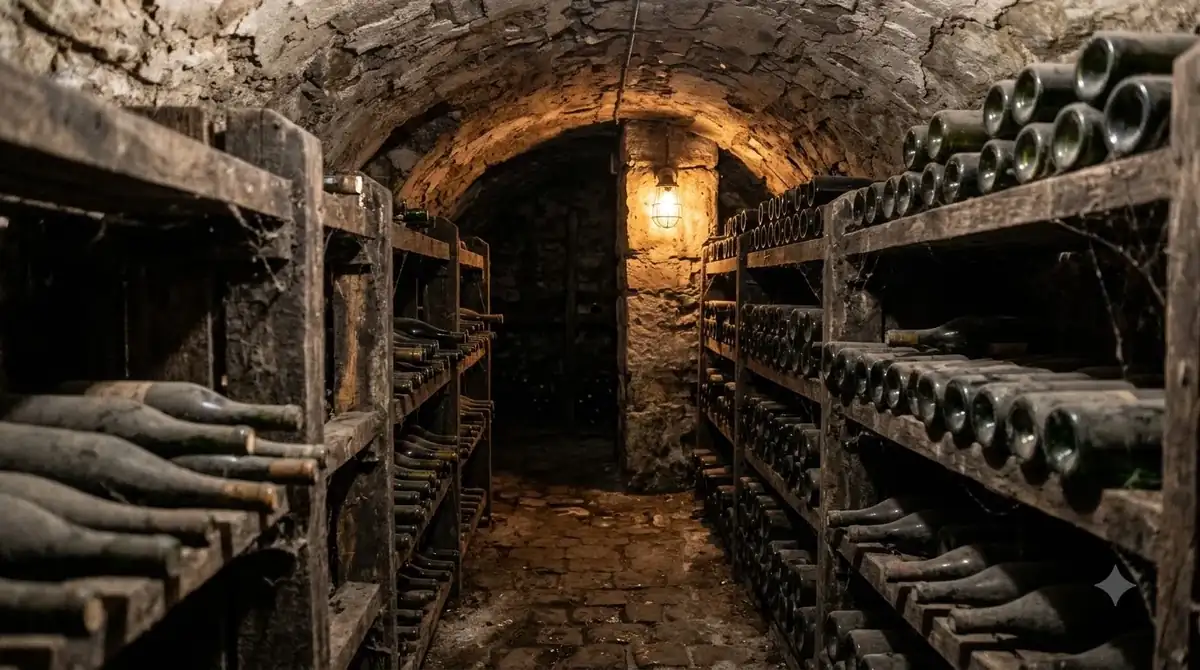
Vouvray also has an unusual cellar tradition. Limestone caves, originally associated with stone extraction, have been adapted for winemaking and wine storage. The regional winegrowers’ union reports that these underground spaces maintain a temperature of approximately 12°C throughout the year, providing naturally cool conditions for maturation.
Several named vineyard sites contribute to the region’s reputation. Clos Naudin, Clos du Bourg and Clos du Petit Mont are examples of recognized sites that wine enthusiasts may encounter when exploring more detailed producer and vineyard expressions. Comparing bottles from different sites can be an interesting next step after understanding the four basic styles.
Building a Vouvray Wine Tasting in the Right Order
The most effective tasting sequence moves from the driest and lightest wines toward the sweetest and most concentrated. Starting with sec, progressing to demi-sec, then tasting moelleux before finishing with sparkling wine or organizing the sparkling bottle as an opening aperitif allows you to understand how the different expressions behave.
For a still-wine comparison, begin with two bottles of sec from different producers. Look for differences in citrus, apple, pear, floral character and texture. Both wines may be dry, but one could feel leaner and more mineral while the other has a broader palate and more pronounced orchard-fruit aromas.
Move to demi-sec next. This is where the relationship between sweetness and acidity becomes especially clear. Rather than concentrating only on how sweet the wine tastes, notice whether the acidity keeps the finish refreshing. A balanced demi-sec should not simply taste sugary.
Moelleux should come later because its sweetness and concentration can make a subsequent dry wine seem comparatively sharp. Pay attention to the development of honey, apricot, quince and spice. If the bottle has some age, notice whether the fruit has developed more complex toasted or savory characteristics.
For sparkling Vouvray, listen for the difference between gentle pétillant bubbles and the more pronounced mousse of fully sparkling wine. Traditional-method examples may also have a finer texture and more developed yeast-derived aromas when they have spent extended time aging on their lees.
Use the following practical setup for a small tasting with four different styles:
- Choose four bottles representing sec, demi-sec, moelleux and traditional-method sparkling Vouvray.
- Use four clean white-wine glasses per person if tasting the wines simultaneously, or rinse glasses between samples.
- Pour approximately 2 ounces per wine for a comparative tasting, rather than a full serving.
- Use neutral crackers and plain bread between samples to reset the palate.
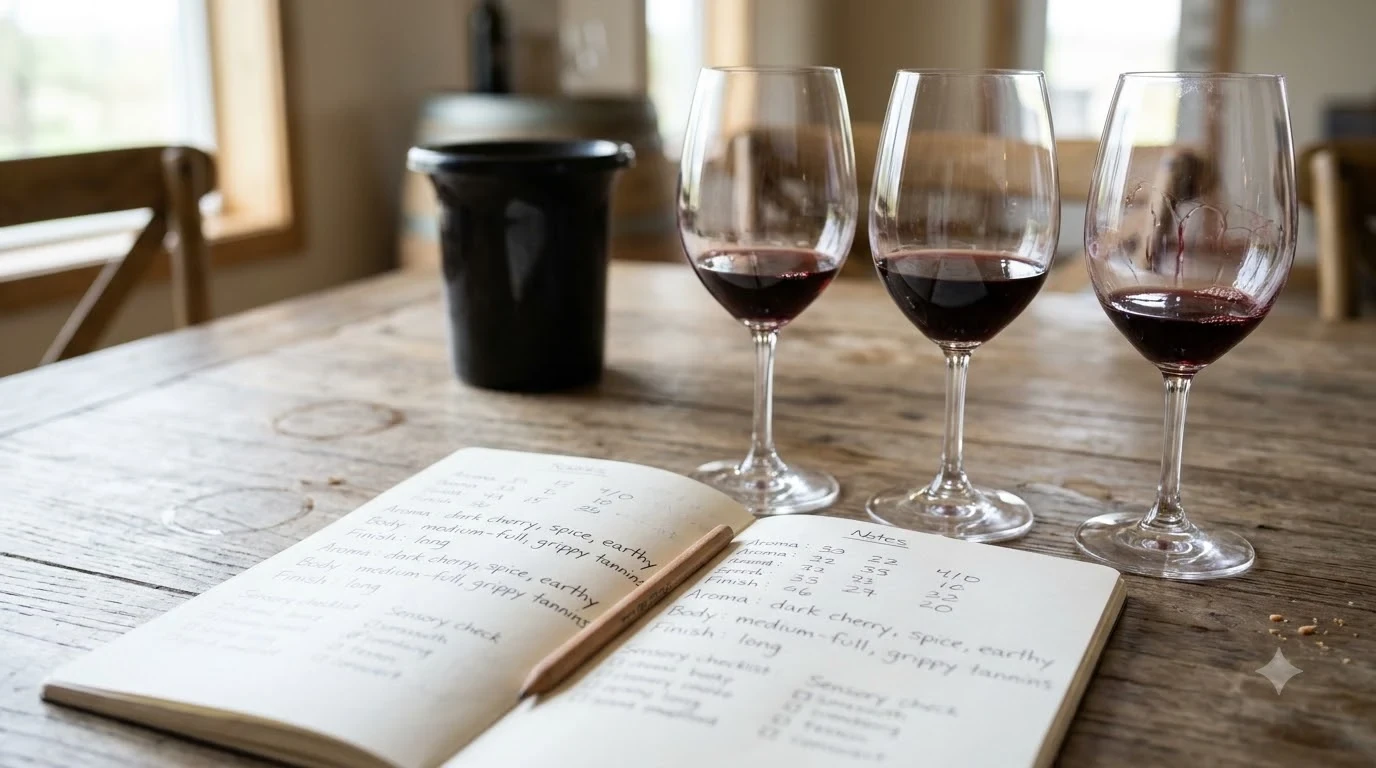
- Keep tasting notes on sweetness, acidity, aroma, texture and finish.
- Retaste the wines after several minutes to see whether additional aromas emerge as they warm slightly.
A useful tasting notebook does not need complicated terminology. Words such as crisp, round, floral, honeyed, concentrated, creamy and refreshing are enough to describe the main differences. The important part is connecting those observations with the wine’s sweetness level and production style.
Tip: If you are new to Vouvray, taste a sec and demi-sec from the same producer before moving to sweeter wines. This comparison makes the role of Chenin Blanc’s natural acidity particularly easy to understand.
Serving Temperatures and Food Pairings for Vouvray
Vouvray is a versatile food wine because its acidity, sweetness and range of textures allow it to work with many different dishes. The best pairing depends on the specific style, but matching the wine’s sweetness and acidity to the food is a reliable starting point.
Serve dry Vouvray at approximately 45–50°F. This temperature preserves its freshness while allowing aromas of apple, pear, citrus and white flowers to show. It works particularly well with oysters, shrimp, grilled white fish, steamed mussels and delicate seafood dishes.
Its acidity can also balance creamy preparations. A sec Vouvray with lemon-butter fish, roast chicken or a mild goat cheese dish provides freshness against richer textures. Avoid heavily tannic red wines with oily fish; Vouvray’s white-wine structure is generally a more suitable choice for these meals.
Demi-sec is a useful partner for dishes with mild spice or a hint of sweetness. Try it with glazed pork, roasted chicken, dishes containing ginger, or lightly spiced Asian cuisine. Its touch of residual sugar can soften the impression of spice, while its acidity prevents the pairing from feeling too heavy.
Moelleux is best matched with food that is equally sweet or slightly less sweet than the wine. Fruit tarts, poached pears, apricot desserts and honey-based pastries are natural choices. It also works with blue cheese, where salt and creamy texture provide an appealing contrast to the wine’s sweetness.
Traditional-method sparkling Vouvray can be served as an aperitif or with seafood appetizers. Its bubbles and acidity work with fried seafood, smoked salmon, savory pastries and mild cheeses. More mature examples with brioche and toasted aromas can also complement richer dishes.
For an organized tasting dinner, consider these combinations:
- Sec: oysters, grilled shrimp, lemon-roasted chicken and fresh goat cheese.
- Demi-sec: roast pork, apple-glazed poultry, mildly spicy noodles and ginger chicken.
- Moelleux: blue cheese, apricot tart, poached pear and honey cake.
- Sparkling Vouvray: smoked salmon, savory gougères, fried seafood and light appetizers.
Sweetness matching is especially important with dessert. A dessert that is sweeter than the wine can make the wine taste thin or sour, so choose a Vouvray that can hold its own against the dish. Acidic ingredients such as lemon and vinegar also require wines with sufficient freshness.
For a wider Loire-inspired tasting, you can contrast Vouvray’s white Chenin Blanc with the structured red wines explored through Bolgheri wine tasting or the distinctive regional expressions found through other French and American wine regions. Such comparisons help demonstrate how grape variety, climate and winemaking decisions shape the character of a finished wine.
Choosing Bottles, Aging Vouvray and Planning a Visit
Choosing a Vouvray bottle starts with deciding how much sweetness you want and whether you prefer still or sparkling wine. Once that decision is made, the producer, vineyard site and vintage become useful ways to explore differences in quality, style and development.
For a first bottle, sec is a straightforward choice for anyone who normally drinks dry white wines. It provides a clear introduction to Chenin Blanc’s acidity, orchard-fruit character and texture. Demi-sec is an equally interesting starting point if you enjoy Riesling or other aromatic whites with some residual sugar.
For a more distinctive experience, explore bottles associated with individual producers and named sites. Domaine Huet is one established name in the region, with recognized vineyard expressions including Le Haut-Lieu, Le Mont and Clos du Bourg. Comparing wines from different sites can reveal how differences in soil and vineyard position influence the final wine.
Vouvray also offers considerable aging potential. The winegrowers’ union identifies approximately 10 years of aging capacity for medium-dry wines and 30 to 40 years for exceptional sweet vintages. These are potential ranges rather than guarantees for every bottle, since producer decisions, vintage conditions and storage all influence development.
Young dry wines are often most appealing for their fresh citrus and orchard-fruit qualities. Older bottles may develop honeyed, smoky, grilled and more savory characteristics. Sweet wines can evolve for decades, with concentrated fruit gradually becoming more complex.
Traditional-method sparkling Vouvray has its own aging trajectory. The appellation requires at least 12 months of aging for this production method, while some producers extend the period to three years or more. Contact with the yeast can contribute brioche, toast and finer bubble texture. The regional winegrowers’ union identifies an aging potential of approximately three to 10 years for sparkling examples.
When visiting the region, the town of Vouvray and nearby wine-producing communes provide a useful starting point. Tours, Rochecorbon, Chançay and Vernou-sur-Brenne are among the places within the wider appellation. Winery visits can help explain how producers approach harvest selection, fermentation, sweetness and sparkling-wine production.
Underground limestone cellars are another interesting feature of a regional visit. Their historical use for stone extraction and later wine storage connects the geology of the region with its winemaking traditions. A tasting in this setting can make the relationship between Vouvray’s landscape and its wines particularly memorable.
For home storage, keep bottles in a cool, dark location with a stable temperature near 55°F, preferably on their sides when sealed with natural cork. Serve still wines according to their style, and refrigerate opened bottles. Most opened still wines retain their best character for approximately three to five days when properly refrigerated, while sparkling wines generally keep their freshness for one to three days with an appropriate sparkling-wine stopper.
Frequently Asked Questions
Is Vouvray always made from Chenin Blanc?
Yes. The Vouvray appellation is based on Chenin Blanc as its sole permitted grape variety for its white wines. The grape is also known locally as Pineau de la Loire, a traditional name that reflects its long history in the Loire Valley.
What does the term fines bulles mean on Vouvray wine?
Fines bulles translates roughly as fine bubbles and is a familiar expression associated with sparkling wines from the region. Vouvray also distinguishes between pétillant wines with gentler carbonation and fully sparkling mousseux wines. The production method and pressure help explain the difference between the two.
Can Vouvray be made using grapes affected by noble rot?
Yes. In favorable conditions, Botrytis cinerea can affect ripe Chenin Blanc grapes and concentrate their sugars and flavors. This process can contribute to richly sweet wines with distinctive honeyed, dried-fruit and complex aromatic characteristics.
How long does traditional-method sparkling Vouvray age before release?
The regional winegrowers’ union specifies a minimum aging period of 12 months for traditional-method sparkling Vouvray. Some producers extend this to three years or longer. Extended lees aging can contribute more pronounced brioche and toasted aromas.
What is the historical significance of Vouvray’s limestone caves?
Many of the underground caves originated as stone quarries used to extract limestone for buildings and other construction. Winemakers later adapted these spaces for wine production, aging and storage. Their naturally cool environment has made them a distinctive part of Vouvray’s winemaking heritage.
Vouvray rewards exploration because its single grape variety offers such a wide range of expressions, from crisp sec to complex moelleux and finely textured sparkling wines. Start with a dry and an off-dry bottle, then expand your tasting to sweet and sparkling examples to discover which style best suits your palate. With Chenin Blanc’s freshness, regional character and aging potential, Vouvray deserves a regular place in any serious white-wine tasting lineup.
More in Wine Regions
 Willcox Wine Trail: Discover Arizona’s High-Elevation Wine CountryUpdated Nov 20, 2026
 Yakima Valley Wine Region: Find the Best Styles to TryUpdated Nov 20, 2026
 Vosne Romanee Wine Tasting: Identify Aromas and Choose Better PairingsUpdated Nov 20, 2026
 Yakima Valley Wine Festival: Find the Best Seasonal Wine EventsUpdated Nov 20, 2026
 Wales Vineyards: Discover Cool-Climate Wines and Where to VisitUpdated Nov 20, 2026
 Yountville Wine Festival: Discover Napa Wines and Local FoodUpdated Nov 20, 2026