

We may earn a commission when you buy through links on this page, at no extra cost to you. Learn more.
Napa Valley wine comes from a valley in northern California that became an American Viticultural Area on January 28, 1981, and it is best known for cabernet sauvignon. The valley is home to more than 450 wineries and about 47,000 planted acres of vineyard, and its wines range from full-bodied reds to crisp chardonnay and sparkling styles. Napa Valley cabernet sauvignon and chardonnay won top honors at the 1976 Paris tasting, which helped put the region on the world map.
This guide covers the climate that shapes Napa Valley wine, the main grapes grown there, the sub-appellations that matter most, the cabernet style the valley is known for and how to serve and pair these wines. It is written for readers who want to understand the region before they buy or visit.
Climate and Geography of Napa Valley
Napa Valley has a Mediterranean climate, with hot, dry summers and cool, wet winters. Fog and cool Pacific air move in during the day and help shape the growing season. The southern end of the valley is cooler because of its nearness to San Pablo Bay, while the northern end is warmer. The eastern side sits in a rain shadow and tends to be drier. The growing season typically runs between 215 and 260 days, and annual precipitation ranges from roughly 24 to 55 inches, depending on the location.
These differences in temperature and moisture mean that a single valley can grow many styles of wine. Cooler southern sites suit pinot noir and chardonnay, while the warmer north is well known for cabernet sauvignon. The Wikipedia entry on the Napa Valley AVA summarizes the geography and the approval history.
Main Grape Varieties
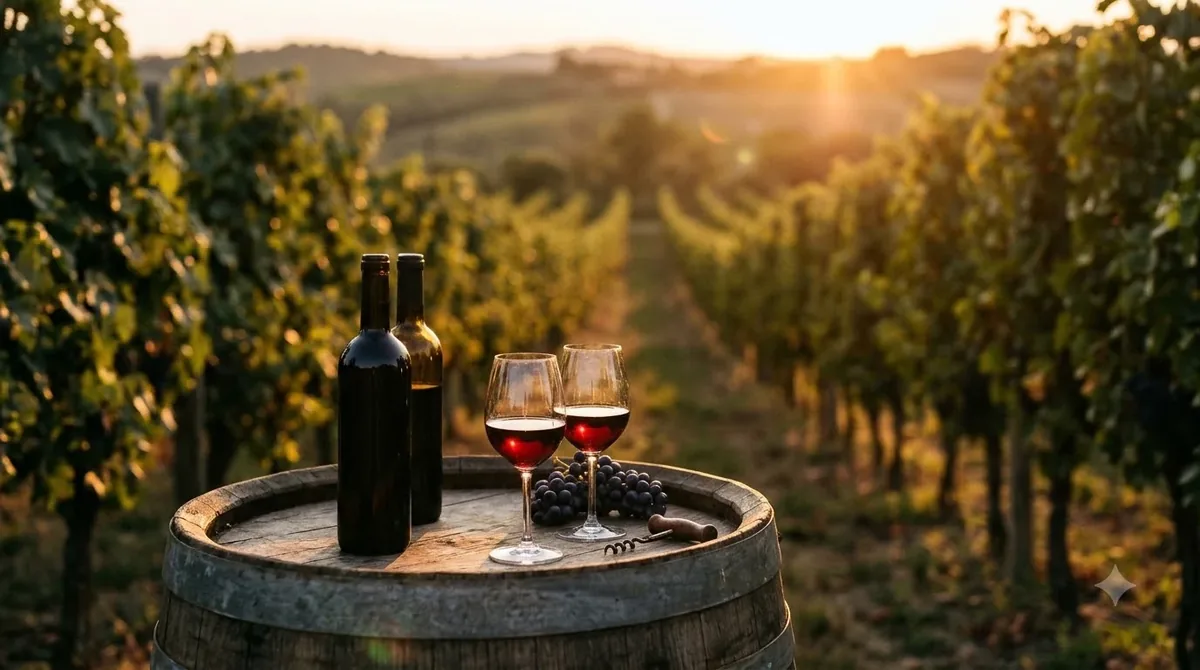
Cabernet sauvignon is the flagship grape of Napa Valley, and it is listed first among the valley’s varietals. Merlot, cabernet franc, pinot noir, zinfandel, chardonnay and sauvignon blanc round out the main plantings. The valley’s reputation rests on its cabernet, but its chardonnay and pinot noir have also earned international attention, especially from the cooler southern sites.
Many Napa reds are blends or are labeled by varietal with a small share of other grapes added. Winemakers often blend cabernet sauvignon with merlot, cabernet franc or petit verdot to adjust color, tannin and softness. Reading the back label for the percentage of each grape can show you whether a bottle is a single-variety wine or a structured blend, and that detail changes how the wine tastes and ages.
| Grape | Typical style in Napa | Good sign to look for |
|---|---|---|
| Cabernet sauvignon | Full-bodied, dark fruit, firm tannin | Label names the valley or a sub-appellation |
| Merlot | Softer, plummy, approachable | Single-vineyard or valley-designated bottlings |
| Pinot noir | Lighter, red fruit, bright acidity | Southern sites such as Los Carneros |
| Chardonnay | Ripe fruit, texture, oak influence | Cooler sites for more balanced acidity |
| Zinfandel | Bold, spicy, jammy fruit | Old-vine bottlings from older plantings |
The Napa Valley Vintners, the valley’s industry group, notes that more than three dozen white and red grape varieties are grown across the valley, so the list above covers only the core of a much wider planting. The group also highlights the valley’s nested appellations, meaning smaller AVAs that sit inside the larger one, and a history timeline for readers who want more background. Its site is a good place to check current visitor information, starting from the Napa Valley Vintners website.
Napa Valley Sub-Appellations
Napa Valley is divided into sub-appellations, which are smaller areas recognized for their own character. As of 2024, there are seventeen sub-AVAs, and they include Los Carneros, Howell Mountain, Stags Leap District, Oakville, Rutherford, St. Helena, Yountville, Calistoga and Coombsville. The newest is Crystal Springs, which was established on November 15, 2024.
A sub-appellation on the label tells you more about the fruit than the broader valley name alone. Stags Leap District is known for cabernet with a silky texture, while Oakville and Rutherford are often named for their concentrated cabernet. Los Carneros, closer to San Pablo Bay, is better known for pinot noir and chardonnay. Learning these names is the fastest way to understand the valley’s range.
The Napa Cabernet Style
Napa cabernet sauvignon is known for ripe dark fruit, a generous body and firm tannin that can age for many years. The 1976 Paris tasting, in which Napa Valley cabernet sauvignon won top honors, is often cited as the moment the valley’s reputation took off internationally. Many modern Napa cabernets are aged in oak, which adds vanilla, toast and spice, while others are kept leaner to highlight fruit and structure.
The valley’s cabernet can be expensive, and the range of prices is wide. Read the producer’s notes for oak treatment and ripeness, and look for a sub-appellation or single-vineyard designation if you want to understand where the grapes came from.
How to Serve and Pair Napa Valley Wine
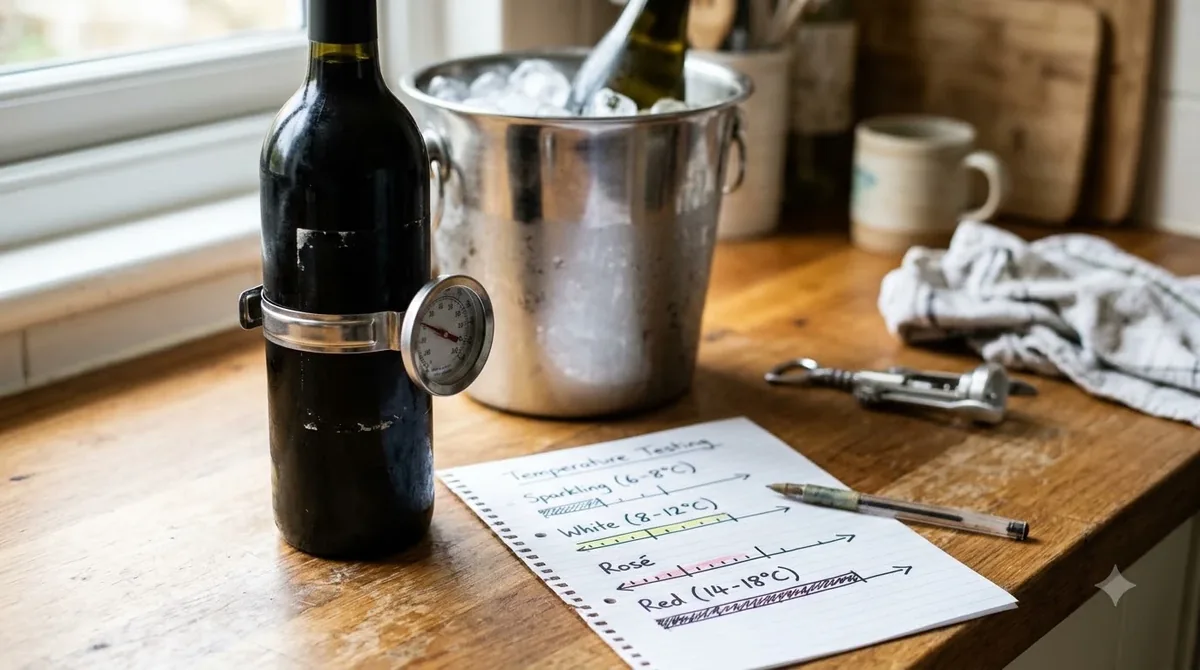
Serve Napa cabernet slightly below room temperature, around 62 to 68 degrees Fahrenheit, and decant bold, young bottles so the wine can open. Chardonnay and other whites are best served cooler, in the range of 49 to 55 degrees Fahrenheit, according to Wine Folly’s serving guidance. Sparkling wines from the valley are often served colder still.
| Napa style | Good with | Serve at |
|---|---|---|
| Cabernet sauvignon | Grilled steak, lamb, aged cheese | 62 to 68 degrees Fahrenheit |
| Pinot noir | Roast salmon, duck, mushrooms | Slightly cooler than cabernet |
| Chardonnay | Roast chicken, lobster, creamy pasta | 49 to 55 degrees Fahrenheit |
Tip: Cabernet’s firm tannin softens with fat and protein, so pair it with rich meat rather than with light salads or spicy food.
Visiting and Buying Napa Valley Wine
Napa Valley is a major destination for wine tourism, with many wineries offering tours and tastings. Plan ahead, since popular estates often need reservations. Many wineries also ship to customers where the law allows, so you can buy the bottles you tasted at home. If you want a comparison with another American region, the Willamette Valley wineries in Oregon offer a different climate and mostly pinot noir.
For practical advice on tastings and tours, read our guide to Napa Valley wine tasting, and see the list of Napa Valley wineries to plan a route.
Tasting order is worth a little thought too. Ask staff to pour from lighter to heavier wines, so a delicate chardonnay is not overwhelmed by a tannic cabernet. Many wineries also offer seated tastings with food pairings, which give a fuller picture of how a Napa style works at the table than a quick pour at a standing bar.
Frequently Asked Questions
What is Napa Valley known for?
Napa Valley is best known for cabernet sauvignon, which is the flagship red of the valley. It also produces merlot, pinot noir, chardonnay and sparkling wines, and it is one of the most visited wine regions in the United States.
When did Napa Valley become an official wine region?
It was established as an American Viticultural Area on January 28, 1981. At the time, it was the second AVA in the United States and the first in California.
How many sub-appellations does Napa Valley have?
As of 2024, there are seventeen sub-AVAs. Names such as Stags Leap District, Oakville and Rutherford are the ones most often seen on labels.
Is Napa Valley wine a good choice for beginners?
Many beginners enjoy Napa chardonnay or a softer merlot before moving to cabernet sauvignon. Cabernet can be bold and tannic, so a lighter style is a good first step for newer drinkers.
Napa Valley wine rewards a bit of learning. Understand the climate, learn the main grapes and sub-appellations and match the wine to food with enough fat or richness to balance its structure. For more regional comparisons, browse our Wine Regions guides.
More in Wine Regions
 Willcox Wine Trail: Discover Arizona’s High-Elevation Wine CountryUpdated Nov 20, 2026
 Yakima Valley Wine Region: Find the Best Styles to TryUpdated Nov 20, 2026
 Vosne Romanee Wine Tasting: Identify Aromas and Choose Better PairingsUpdated Nov 20, 2026
 Yakima Valley Wine Festival: Find the Best Seasonal Wine EventsUpdated Nov 20, 2026
 Wales Vineyards: Discover Cool-Climate Wines and Where to VisitUpdated Nov 20, 2026
 Yountville Wine Festival: Discover Napa Wines and Local FoodUpdated Nov 20, 2026