

We may earn a commission when you buy through links on this page, at no extra cost to you. Learn more.
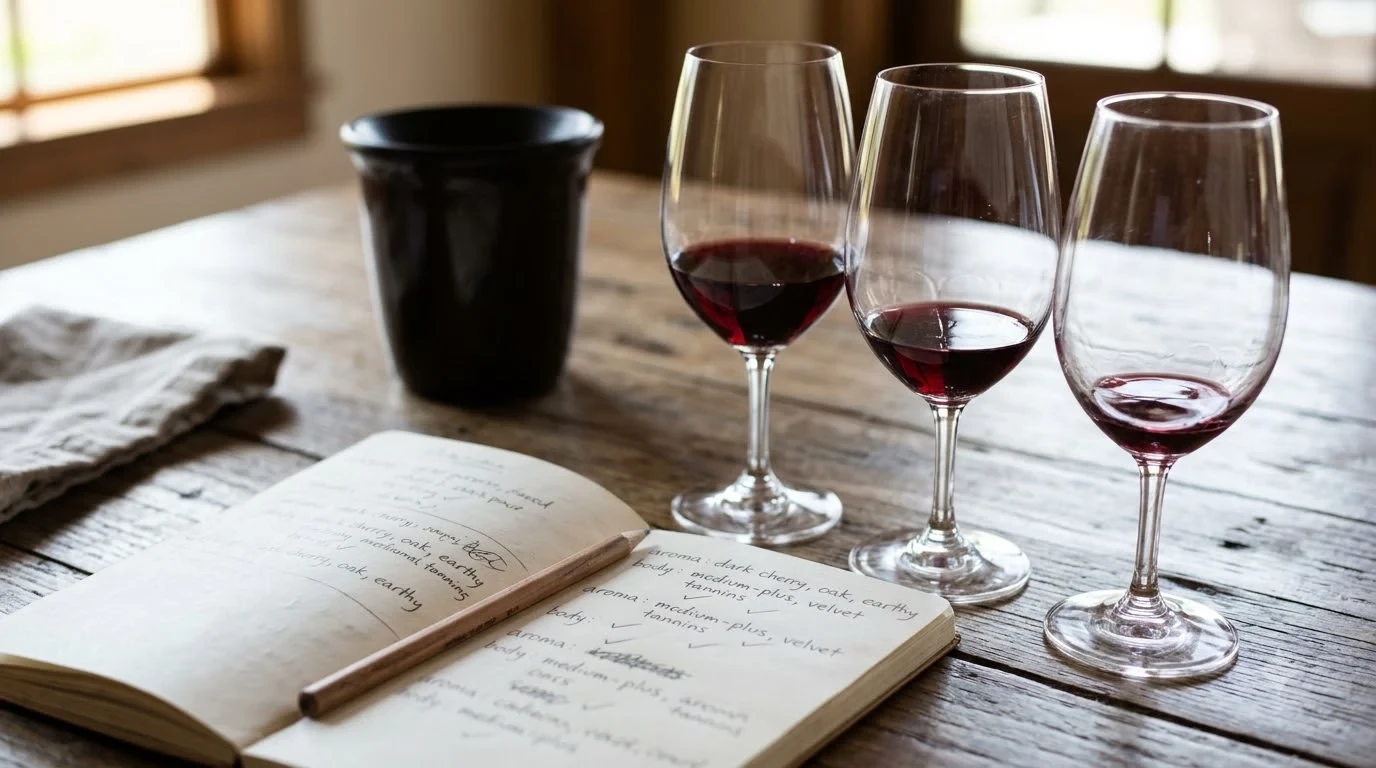
monterey wine country is a broad coastal wine region in California’s Central Coast, where cool Monterey Bay air and varied inland terrain shape wines from Chardonnay and Pinot Noir to Cabernet Sauvignon and Syrah. Its vineyards stretch across the Salinas Valley and surrounding mountain slopes, so the region is not one uniform growing area. Visitors can taste at vineyard estates along River Road, explore tasting rooms in Carmel-by-the-Sea, or head inland to Carmel Valley for a warmer setting and fuller-bodied reds.
The appeal of Monterey is its range: ocean influence keeps some sites cool and bright, while sheltered valleys and higher elevations give other vineyards enough warmth for ripe reds. Understanding the main AVAs, grape varieties, and tasting areas makes it easier to choose bottles and plan a visit without treating the whole county as one style.
Where Monterey County’s Wine Country Fits on the Map
Monterey wine country sits on California’s Central Coast, south of the San Francisco Bay Area and north of San Luis Obispo County. The county’s wine-growing landscape follows the Salinas Valley inland from Monterey Bay, with vineyards also planted in the Santa Lucia Mountains and the Gabilan range.
The name can be misleading: the city of Monterey is a useful visitor base, but many of the vineyards are farther inland. River Road runs along the valley’s western side near the Santa Lucia Highlands, while Carmel Valley branches inland from the coast. Other vineyard districts lie much farther south, so a tasting day that begins in Monterey and ends near San Antonio Valley can involve substantial driving.
Monterey’s appellation map is layered rather than a set of separate, equal-sized districts. The broad Monterey AVA includes several smaller AVAs, while Carmel Valley, Chalone, and San Antonio Valley are distinct growing areas within the larger Central Coast AVA. That structure matters when reading a label: an AVA name gives a more specific geographic clue than the general term “Central Coast.” Readers building a wider understanding of American appellations can start with the site’s overview of Wine Regions, then compare Monterey’s coast-to-inland contrasts with Yadkin Valley wine country.
How Monterey Bay’s Fog and Wind Shape the Wine
Monterey Bay moderates temperatures across the Salinas Valley, helping preserve acidity and lengthen the growing season. The bay’s submarine canyon is more than two miles deep, and the cold water contributes to coastal fog and afternoon breezes that move inland through the valley.

That cooling effect is not identical everywhere. Northern vineyards feel stronger maritime influence, while sites farther south and farther from the bay tend to be warmer. The Monterey County Vintners & Growers Association describes the Monterey AVA as extending for roughly 100 miles, with conditions ranging from cool coastal sites to warmer southern sections where daytime temperatures can approach 100 degrees Fahrenheit. The result is an unusually broad range of grape-growing conditions under one county name.
Elevation and exposure create another layer of variation. In the Santa Lucia Highlands, vineyards occupy southeast-facing terraces above the Salinas River Valley, where morning sunshine reaches the vines and afternoon maritime air cools them. Chalone is much higher and more sheltered from the immediate coast; its limestone- and granite-influenced soils, limited rainfall, and strong day-to-night temperature changes contribute to concentrated wines. These contrasts explain why Pinot Noir from the Highlands, Chardonnay from Arroyo Seco, and Cabernet Sauvignon from a warmer inland site can have very different structures even when all carry Monterey County on the label.
Key AVAs and the Grapes They Grow
Monterey County’s named growing areas differ in elevation, soil, wind exposure, and distance from the ocean. The acreage figures below are snapshots reported by the Monterey County Vintners & Growers Association; they describe the scale of individual AVAs, not a total that should be added together, because the broad Monterey AVA contains smaller appellations.
| AVA | Reported vineyard acreage | Grapes and style clues |
|---|---|---|
| Monterey | More than 40,000 acres | Chardonnay, Riesling, Pinot Noir in cooler areas; Cabernet Sauvignon, Merlot, Syrah, and Zinfandel in warmer areas |
| Santa Lucia Highlands | More than 4,700 cultivated acres | Pinot Noir, Chardonnay, and Syrah from raised terraces |
| Arroyo Seco | About 7,000 acres planted | Chardonnay, Pinot Noir, Sauvignon Blanc, aromatic whites, and Rhône- and Bordeaux-inspired reds |
| Carmel Valley | About 300 acres of grapes | Cabernet Sauvignon, Merlot, and other Bordeaux- and Burgundian-inspired varieties |
| Chalone | About 300 acres planted | Chardonnay, Pinot Noir, Chenin Blanc, Pinot Blanc, and Syrah |
| Hames Valley | About 2,200 acres | Warm-climate Rhône varieties and intensely flavored reds |
| San Antonio Valley | More than 800 acres | Cabernet Sauvignon, Syrah, Grenache, Tempranillo, and other Mediterranean varieties |
| San Bernabe | About 5,000 acres | Merlot, Syrah, Pinot Noir, Chardonnay, Sauvignon Blanc, and Riesling |
| San Lucas | More than 8,000 acres | Cabernet Sauvignon, Merlot, Chardonnay, and Sauvignon Blanc |
| Gabilan Mountains | About 436 acres | Small-scale vineyards on high, well-drained, rocky soils |
The Santa Lucia Highlands, Arroyo Seco, Chalone, and Carmel Valley are especially useful reference points for visitors. The Highlands are known for Pinot Noir and Chardonnay shaped by maritime breezes; Arroyo Seco combines wind, gravel, and large river stones; Chalone’s remote, high-elevation sites bring a stony, distinctive character; and Carmel Valley is warmer and more sheltered, making it a natural place to look for structured red wines.
For more detail on each district’s boundaries and growing conditions, consult the Monterey County Vintners & Growers Association’s AVA profiles. Keep the nested geography in mind when comparing acreage or labels: a vineyard can sit inside a smaller AVA that is itself included within the wider Monterey AVA designation.
Signature Grapes and What to Expect in the Glass
Chardonnay and Pinot Noir are the region’s best-known cool-climate grapes, but Monterey grows a wide mix of white and red varieties. The farther a site is from the cooling influence of Monterey Bay, the more likely it is to support varieties that need a warmer, longer ripening period.
Monterey Chardonnay covers a spectrum rather than one house style. Cooler sites can produce citrus, green apple, and firm acidity, while warmer vineyards can deliver riper pear, melon, and a broader texture. Oak use also changes the impression: stainless-steel or lightly oaked examples tend to emphasize freshness, while barrel-fermented or barrel-aged bottlings can add toast, spice, and a rounder mouthfeel. When comparing two bottles, check the AVA and the winemaking notes instead of assuming all Monterey Chardonnay will taste alike.
Pinot Noir is another strong point, especially in the Santa Lucia Highlands, Arroyo Seco, and Chalone. Depending on site and producer, it can show red cherry, raspberry, cranberry, forest floor, or savory spice, with acidity that keeps the wine lively. Sauvignon Blanc and Riesling are useful choices for drinkers who prefer crisp whites; the coolest parts of the Salinas Valley can preserve citrus and herbal notes. In warmer districts, Cabernet Sauvignon, Merlot, Syrah, and Zinfandel bring darker fruit, more body, and a firmer tannic frame.
There is also room for less familiar varieties. Wine Enthusiast’s account of the area describes growers working with Vermentino, Grenache, Mourvèdre, Chenin Blanc, and the Musqué clone of Sauvignon Blanc alongside the better-known Chardonnay and Pinot Noir. That variety makes Monterey a good region for a mixed tasting flight: begin with a crisp white, compare two Pinot Noirs from different AVAs, and finish with a fuller-bodied red. The article’s reporting on Arroyo Seco and Chalone’s lesser-known wines offers additional examples of this diversity.
Where to Taste: River Road, Carmel, and Monterey
The easiest way to plan tastings is to choose one cluster for the day rather than trying to cross the entire county. Monterey County’s visitor bureau highlights four visitor-friendly areas: estate wineries along the Monterey Wine Trail and River Road, walkable tasting rooms in Carmel-by-the-Sea, garden and vineyard settings in Carmel Valley, and tasting rooms near Monterey’s Cannery Row and Old Fisherman’s Wharf.
River Road and the Santa Lucia Highlands
River Road follows the Salinas Valley at the foot of the Santa Lucia Highlands, making it a logical route for visitors interested in estate vineyards and cool-climate Pinot Noir or Chardonnay. The highlands themselves sit on terraces above the valley, and the drive gives a sense of how quickly the landscape changes from broad agricultural flats to steep mountain slopes. Producers and tasting-room schedules vary, so confirm appointments and opening days before setting out, especially for smaller estate properties.
Carmel-by-the-Sea and Carmel Valley
Carmel-by-the-Sea is the most walkable option. The visitor bureau describes a dozen-plus tasting rooms in the village, many in cottages and courtyards, so visitors can build a tasting afternoon without moving the car between every stop. It is a practical choice for travelers staying near the coast or pairing wine with galleries, restaurants, and a stroll through town.
Carmel Valley offers a different feel: more sunshine, vineyard patios, and a stronger emphasis on fuller-bodied reds. It is about 20 minutes inland from the coast, according to the visitor bureau, and works well for a half-day outing when paired with lunch or a scenic drive. Monterey itself has tasting rooms close to Cannery Row and Old Fisherman’s Wharf, a useful option for people who want to taste locally without arranging a vineyard excursion.
Food Pairings and Serving Temperatures
Monterey’s cool-climate whites and reds are easy to pair with coastal seafood, while the warmer inland styles work well with grilled or roasted dishes. Match the wine’s acidity and weight to the food: crisp whites refresh rich or salty seafood, and structured reds need dishes with enough protein or fat to soften their tannins.
For oysters, grilled fish, or a simple plate of shellfish, try Sauvignon Blanc or a bright, unoaked Chardonnay. Their acidity can cut through richness, and the wines generally avoid the heavy tannin that can clash with delicate seafood. Pinot Noir is a flexible red choice for grilled salmon, roast chicken, mushroom dishes, and pork; its lower-to-medium tannin and lively acidity make it less forceful than Cabernet Sauvignon. Avoid pairing a tannic red with oily fish, where the combination can taste metallic or harsh.
Cabernet Sauvignon and Syrah are better partners for grilled beef, lamb, braised short ribs, and dishes with browned edges. Merlot is a softer choice for meatloaf, roast pork, or mushroom-forward dishes. Salt and fat soften tannin, while very spicy food can make alcohol and tannin feel hotter. For cheese, try Sauvignon Blanc with fresh goat cheese, Chardonnay with aged cow’s-milk cheeses, and Pinot Noir with mild washed-rind or semi-soft cheeses.
Temperature matters because overly warm whites can seem heavy and overly cold reds can lose their aroma. Serve sparkling wines at 40–50°F, light whites and rosé at 45–50°F, fuller whites at 50–55°F, light reds at 55–60°F, and fuller reds at 60–65°F. Monterey Chardonnay with a richer texture usually benefits from the fuller-white range, while a lighter Pinot Noir is often more expressive slightly cool rather than at typical room temperature. A simple planning rule is to choose the food first, then select the wine by body and acidity: seafood with lemon or vinaigrette calls for matching or higher acidity, creamy sauces work with fuller Chardonnay, and grilled steak can support Cabernet Sauvignon or Syrah. Serve a 5-ounce pour as a standard tasting glass; a 750-milliliter bottle provides about five pours.
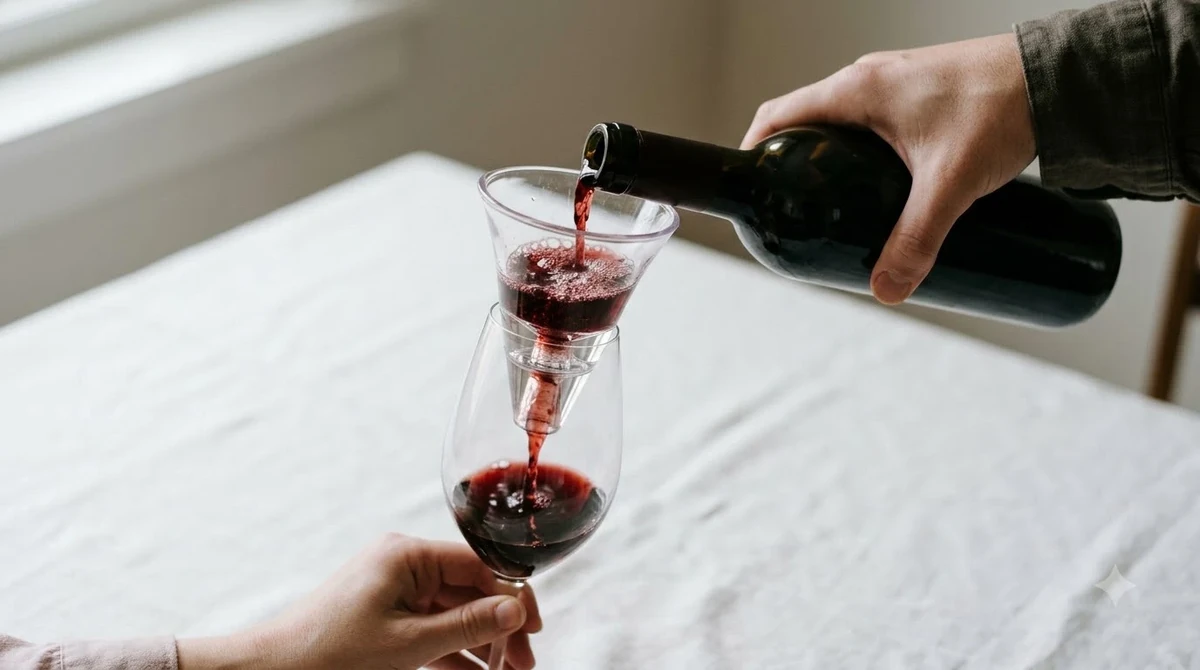
Tip: Chill a bottle of Monterey Pinot Noir for about 20 minutes before serving if the room is warm, then let it open in the glass. For a young, full-bodied Cabernet Sauvignon or Syrah, allow 30–60 minutes in a decanter so the wine can breathe before dinner.
Frequently Asked Questions
These quick answers cover a few dates, names, and geographic details that help distinguish Monterey’s AVAs. They are useful context when comparing bottles or planning a tasting route.
When was the Chalone AVA approved?
Chalone received AVA approval in 1982. It lies in the Gabilan Mountains near Pinnacles National Park, and its high-elevation vineyards are known for distinctive Chardonnay and Pinot Noir.
When did the Santa Lucia Highlands become an AVA?
The Santa Lucia Highlands AVA was approved in 1991. Its southeast-facing terraces rise above the Salinas River Valley, and the association identifies elevations ranging from 98 to 2,349 feet.
What does the name Arroyo Seco mean?
Arroyo Seco translates from Spanish as “dry riverbed.” The name refers to the watercourse that cuts through the Santa Lucia Mountains before spreading toward the Salinas Valley, where gravel and large stones shape many vineyard sites.
Does the Gabilan Mountains AVA lie only in Monterey County?
No. The AVA includes land in both Monterey and San Benito counties. The Monterey County Vintners & Growers Association lists its approval in 2022 and describes six commercially producing vineyards and four wineries.
Which two Monterey AVAs were approved in 1983?
Both Arroyo Seco and Carmel Valley received AVA approval in 1983. Arroyo Seco is associated with gravelly river deposits and strong winds, while Carmel Valley’s vineyards occupy a more sheltered inland canyon and adjoining hills.
Monterey is most rewarding when approached as a collection of distinct growing places rather than a single wine style. Start with one tasting area, compare the AVA names on the bottles, and let the contrast between cool coastal sites and warmer inland valleys guide the next visit.
More in Wine Regions
 Willcox Wine Trail: Discover Arizona’s High-Elevation Wine CountryUpdated Nov 20, 2026
 Yakima Valley Wine Region: Find the Best Styles to TryUpdated Nov 20, 2026
 Vosne Romanee Wine Tasting: Identify Aromas and Choose Better PairingsUpdated Nov 20, 2026
 Yakima Valley Wine Festival: Find the Best Seasonal Wine EventsUpdated Nov 20, 2026
 Wales Vineyards: Discover Cool-Climate Wines and Where to VisitUpdated Nov 20, 2026
 Yountville Wine Festival: Discover Napa Wines and Local FoodUpdated Nov 20, 2026