

We may earn a commission when you buy through links on this page, at no extra cost to you. Learn more.
A michigan wine festival is a public tasting or harvest event where visitors can sample Michigan-made wines, meet producers, and explore the state’s wine regions. The best-known gatherings include the Paw Paw Wine & Harvest Festival in southwest Michigan and the Grand Rapids International Wine, Beer & Food Festival. Northern Michigan adds seasonal wine-trail events around Traverse City, Leelanau Peninsula, and Old Mission Peninsula.
Michigan’s wine calendar is not one single statewide festival with one permanent venue. Instead, it offers harvest celebrations, indoor tasting expos, winery weekends, and regional trail events, each with a different pace. Choosing by location, event format, and the wines you want to try makes the day more rewarding than simply following the biggest crowd.
What a Michigan Wine Festival Usually Includes
A Michigan wine festival usually combines tastings with local food, live entertainment, and opportunities to talk with the people who make the wine. Paw Paw’s three-day Wine & Harvest Festival is built around a vineyard-town harvest celebration, while Grand Rapids stages a large indoor tasting event at DeVos Place.
The difference matters when you plan. A harvest festival can spread across streets, parks, and several activity areas, with a grape stomp or parade alongside wine booths. A convention-center festival is more concentrated: exhibitors, tasting stations, food vendors, workshops, and scheduled pairings share one building, so visitors can sample a wider mix without driving between wineries.
Traverse City offers another format. Rather than relying on one large festival ground, its wine calendar includes seasonal events and tastings at wineries on the Leelanau and Old Mission peninsulas. Spring events such as Traverse City Uncorked and fall harvest activity make the region useful for travelers who want vineyard scenery as much as a single ticketed session. Check an event’s official calendar before booking because individual winery programs, hours, and participating venues can change.
Paw Paw Celebrates Harvest and Local Wine
The Paw Paw Wine & Harvest Festival is the classic choice for visitors who want a community harvest celebration alongside Michigan wine. Its three-day 2026 program ran September 11–13 in Paw Paw, a southwest Michigan town with a long connection to grape growing and St. Julian Winery.
Wine tasting is one part of a broader weekend. The festival’s winery roster has included St. Julian Winery & Distillery, Cody Kresta Vineyard & Winery, and Warner Vineyards, giving visitors a chance to compare regional producers in one place. The organizers describe St. Julian as a family-operated winery with grapes grown in the Lake Michigan Shore AVA and a portfolio spanning dry wines, sweet wines, dessert styles, ciders, and spirits. Cody Kresta, by contrast, is presented as a small family winery rooted in an 1882 homestead, with a third-generation grape grower at its center.
Expect the atmosphere to feel more like a town festival than a formal wine seminar. The weekend can include live music, food vendors, marketplace stalls, family activities, and the familiar grape-stomping tradition. That mix makes Paw Paw a good fit for groups with different interests, although wine sampling and alcohol service remain limited to adults of legal drinking age. The festival site posts its schedule, map, parking details, and shuttle information together, so review those items before choosing where to meet friends or leave a car.
For the most wine-focused visit, start at the tasting area before the afternoon entertainment gets busy. Ask which wines use Michigan-grown grapes, which are made from fruit grown in the Lake Michigan Shore AVA, and whether a producer has a dry and a sweet wine from the same grape. Those side-by-side comparisons can tell you more about a winery’s style than sampling unrelated pours at random. The official Paw Paw Wine & Harvest Festival details page is the place to confirm the current layout and event information.
Grand Rapids Puts Michigan Wine Alongside Food
The Grand Rapids International Wine, Beer & Food Festival is the best fit for visitors who want a large indoor tasting event with several beverage categories and organized food experiences. The 2026 festival is scheduled for November 20–21 at DeVos Place, 303 Monroe Avenue NW in downtown Grand Rapids.
The published 2026 hours are 4 p.m. to 9 p.m. on Friday, November 20, and 2 p.m. to 9 p.m. on Saturday, November 21. The event is in its 19th year and describes a selection of more than 1,000 wines, beers, ciders, and spirits from around the world, together with food from area restaurants. That scale makes it a useful introduction for people who want to compare Michigan bottles with international styles during the same visit.
Michigan wine has a more prominent place in the festival’s current program through the Taste Michigan initiative. Organizers have announced a dedicated Michigan Wine District, guided educational tastings, culinary experiences, and the Taste MI Governor’s Cup award ceremony. The competition connected to the program drew 214 wine entries from 44 Michigan wineries, giving attendees a route from casual tasting to more structured learning. These features are distinct from general admission sampling, so look at the program and reserve any separately scheduled sessions that interest you.
DeVos Place is downtown, making the event practical to combine with a Grand Rapids dinner or overnight stay. This is an indoor event rather than a vineyard walk, so it suits cold-weather plans and visitors who prefer a fixed venue. The organizer’s Grand Rapids festival page publishes the event hours, venue information, features, exhibitor details, and program changes. It also notes that attendees must be at least 21 years old, so bring valid identification and confirm entry rules before traveling.
Michigan’s Five AVAs Shape the Wines in Your Glass
Michigan has five federally recognized American Viticultural Areas, or AVAs, and each gives a useful geographic clue about where a wine was grown. The northern peninsulas are especially associated with cool-climate varieties, while southwest Michigan’s Lake Michigan influence supports a different growing pattern.
| Michigan AVA | Designated | Location | Regional clues |
|---|---|---|---|
| Fennville | 1981 | Southwest Michigan, within Lake Michigan Shore | Michigan’s first AVA; a small area within the larger southwest region |
| Leelanau Peninsula | 1982 | Northwest Lower Peninsula | Riesling, Pinot Grigio, Pinot Noir, and other cool-climate grapes |
| Lake Michigan Shore | 1983 | Southwest Michigan | Cabernet Sauvignon, Cabernet Franc, and Merlot benefit from a longer season |
| Old Mission Peninsula | 1987 | Northwest Lower Peninsula, near Traverse City | Estate-grown Riesling and other cool-climate wines |
| Tip of the Mitt | 2016 | Northern Lower Peninsula | Cool-climate whites and a handful of red varieties |
The AVA system identifies a recognized growing area; it does not promise that every winery in that area makes the same style. A Riesling from one producer may be bone-dry, while another may retain noticeable sweetness. Ask about residual sugar, acidity, and vintage conditions rather than assuming that a place name alone tells you how a wine will taste.
Michigan’s wine identity is closely tied to the Great Lakes. Water moderates nearby temperatures and helps shape the growing season, while soils and local site conditions vary from one peninsula or southwest district to another. On Leelanau Peninsula, the state tourism office points to sandy loam and glacial soils as part of the setting for Riesling, Pinot Grigio, and Pinot Noir. The statewide grape mix is broader still: Taste Michigan lists Riesling, Chardonnay, and Pinot Gris among the leading white varieties by acreage, with Pinot Noir, Cabernet Franc, and Merlot prominent among reds.
Use a festival to compare these grapes rather than looking only for famous international names. Try Riesling beside Chardonnay, then compare Pinot Noir with Cabernet Franc. If you’re learning the geography as well as the wine, the broader Wine Regions overview can help explain how climate, soils, grape choice, and labeling connect.
How to Taste Michigan Wines at a Festival
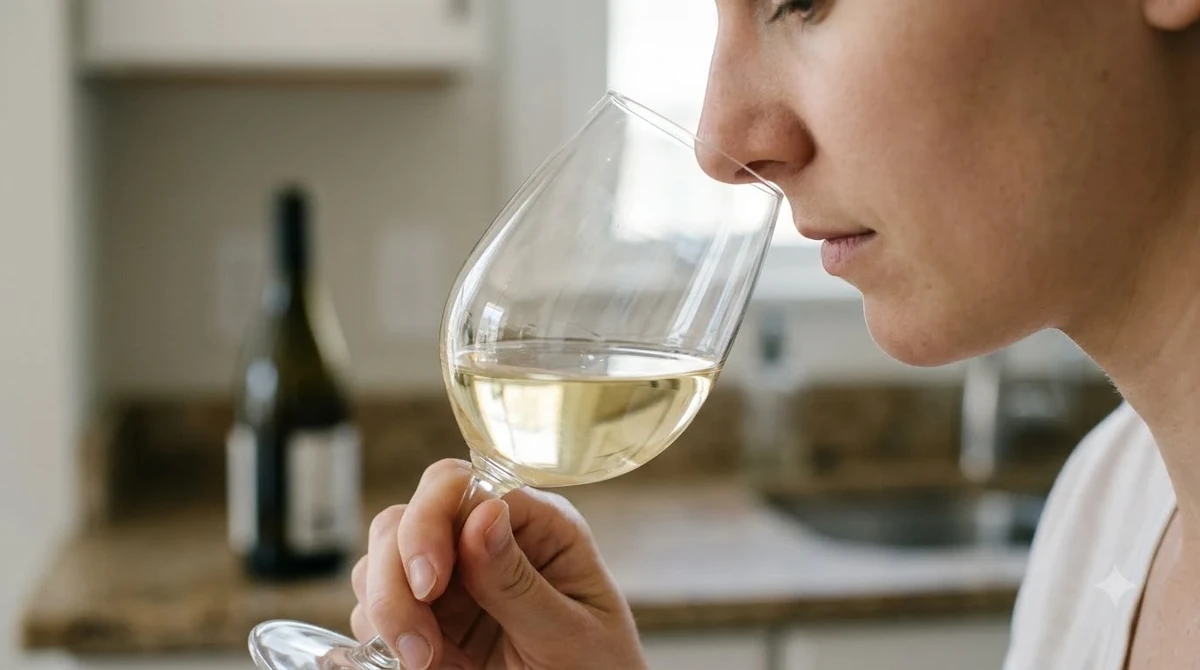
A good tasting plan is built around comparison, not volume. Begin with lighter, drier wines, move toward fuller or sweeter styles, and take notes on grape, producer, region, and the impression that stays with you after each sample.
For Michigan whites, start with Riesling or Pinot Gris, then try Chardonnay to compare body and acidity. Riesling and Sauvignon Blanc are typically high in acidity; Chardonnay is usually more moderate. For reds, taste Pinot Noir before Merlot or Cabernet Franc if the lineup allows. Pinot Noir tends to have low-to-medium tannin and high acidity, while Merlot is generally softer and Cabernet Sauvignon is usually much more tannic. Michigan’s leading red varieties make these contrasts easy to explore.
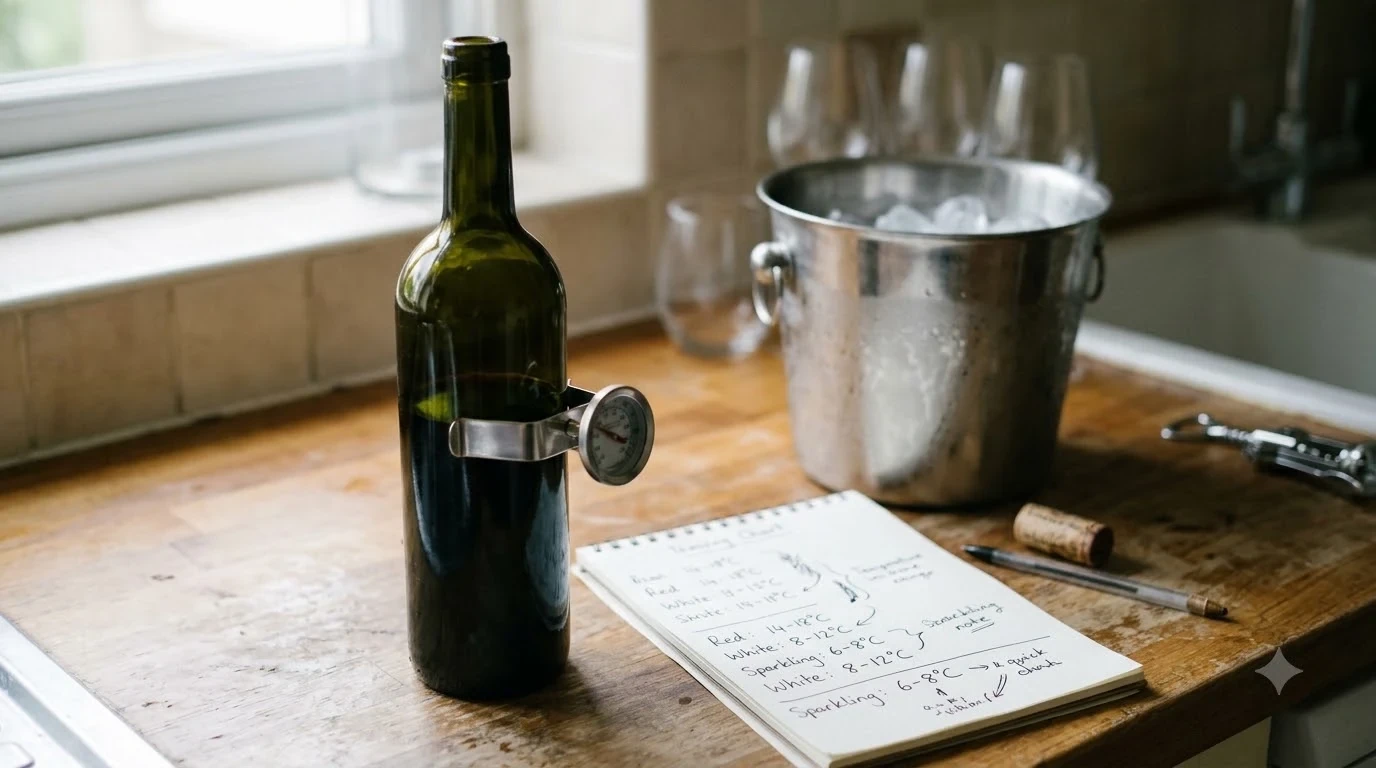
Temperature changes how wine feels. Serve sparkling wine around 40–50°F, light whites and rosé around 45–50°F, full-bodied whites around 50–55°F, and light reds around 55–60°F. Full-bodied reds are generally best near 60–65°F, while sweet whites are often served around 43–50°F. Festival samples may not arrive at ideal cellar temperature, but noticing whether a white seems too warm or a red too cold can help you interpret its aromas and texture.
Food is not just a break between tastings; it can show why a wine works. Michigan Riesling pairs well with dishes that benefit from bright acidity, while a softer Pinot Noir can suit roast poultry, mushrooms, or salmon prepared without a heavy, tannic sauce. Salt and fat soften the impression of tannin, so a rich cheese or cured meat can make a firm red seem less drying. Chili heat, however, can feel stronger beside wines with high alcohol or tannin. Choose a wine at least as sweet as the dessert beside it, and match acidic foods with wines that have equal or higher acidity.
Tip: Pick three grapes you want to understand before entering the tasting area. Compare each grape from two producers, drink water between samples, and write down one useful detail per wine; this creates a clearer memory than trying every booth in sequence.
Plan Your Festival Day and Winery Stops
Planning ahead makes a Michigan wine festival easier to enjoy, especially when the event covers several blocks or includes sessions with limited capacity. Choose the event format first, then arrange lodging, transportation, tasting priorities, and meals around its actual schedule.
For a town-based event such as Paw Paw, study the festival map and parking or shuttle information before arriving. Set a meeting point with your group, since people may split up between wine booths, food stalls, music, and family activities. For Grand Rapids, decide whether you want general floor time, a guided tasting, a workshop, or a pairing experience; the indoor venue keeps those activities close together, but scheduled sessions can still create fixed start times.
For a northern Michigan trip, allow time between Traverse City, Leelanau Peninsula, and Old Mission Peninsula rather than treating the tasting rooms as one walkable cluster. Winery visits are spread across roads and rural sites, and each tasting room can have its own hours or reservation policy. A designated driver or prearranged transportation is the sensible way to visit multiple wineries. If your weekend spans several locations, keep the number of tastings modest and leave time for food and scenery.
Pack for the setting. A fall harvest festival may involve outdoor walking and changing temperatures, while a November event at DeVos Place is an indoor convention-center visit. Comfortable shoes, a light layer, a charged phone, valid identification, and a plan for getting home are practical basics. If you are considering out-of-state event travel as well, compare the character of an Indiana wine festival or a Livermore wine festival before building a longer wine-country itinerary; the best choice depends on whether you prefer a town celebration, a tasting hall, or vineyard visits.
Frequently Asked Questions
These answers cover details that can help narrow your choices among Paw Paw, Grand Rapids, and Northern Michigan wine events.
Does Michigan produce ice wine?
Yes. Michigan wineries produce ice wine, a specialty style made from grapes that freeze naturally on the vine and are pressed while frozen. The state also produces sparkling wine, fortified wine, fruit wine, and traditional dry table wines.
Can visitors buy bottles directly from festival wineries?
At Paw Paw, participating winery vendors describe options for visitors to purchase wines and take them home. Ask each producer about bottle availability, shipping restrictions, and how the wine should be stored after purchase, since those details can differ by winery and event.
Is a Michigan AVA the same thing as a wine trail?
No. An AVA is a federally recognized grape-growing region defined by geographic characteristics, while a wine trail is a visitor route or group of participating tasting rooms. A single AVA can contain several wineries and tasting-room stops, and a trail may include stops from different local communities.
Are there Michigan wine events outside the fall harvest season?
Yes. Traverse City’s wine calendar includes winter tasting-room programs with live music, cooking classes, and specialty tastings. Spring events such as Traverse City Uncorked in May and early-summer releases also give visitors options beyond the September and October harvest period.
Which Michigan winery won the recent Taste MI Governor’s Cup?
French Valley Vineyard received the Governor’s Cup for its 2024 Dessert Riesling, which earned 97 points in the competition. The program also recognized Stoney Ridge Vineyards as Winery of the Year, making the awards a useful starting point for visitors looking for named Michigan producers to explore.
A Michigan wine festival can be a lively town weekend, a focused tasting session, or the starting point for a longer vineyard trip. Choose the setting that suits your group, make room for a few side-by-side Michigan wine comparisons, and leave enough time to enjoy the region beyond the glass.
More in Wine Regions
 Willcox Wine Trail: Discover Arizona’s High-Elevation Wine CountryUpdated Nov 20, 2026
 Yakima Valley Wine Region: Find the Best Styles to TryUpdated Nov 20, 2026
 Vosne Romanee Wine Tasting: Identify Aromas and Choose Better PairingsUpdated Nov 20, 2026
 Yakima Valley Wine Festival: Find the Best Seasonal Wine EventsUpdated Nov 20, 2026
 Wales Vineyards: Discover Cool-Climate Wines and Where to VisitUpdated Nov 20, 2026
 Yountville Wine Festival: Discover Napa Wines and Local FoodUpdated Nov 20, 2026