

We may earn a commission when you buy through links on this page, at no extra cost to you. Learn more.
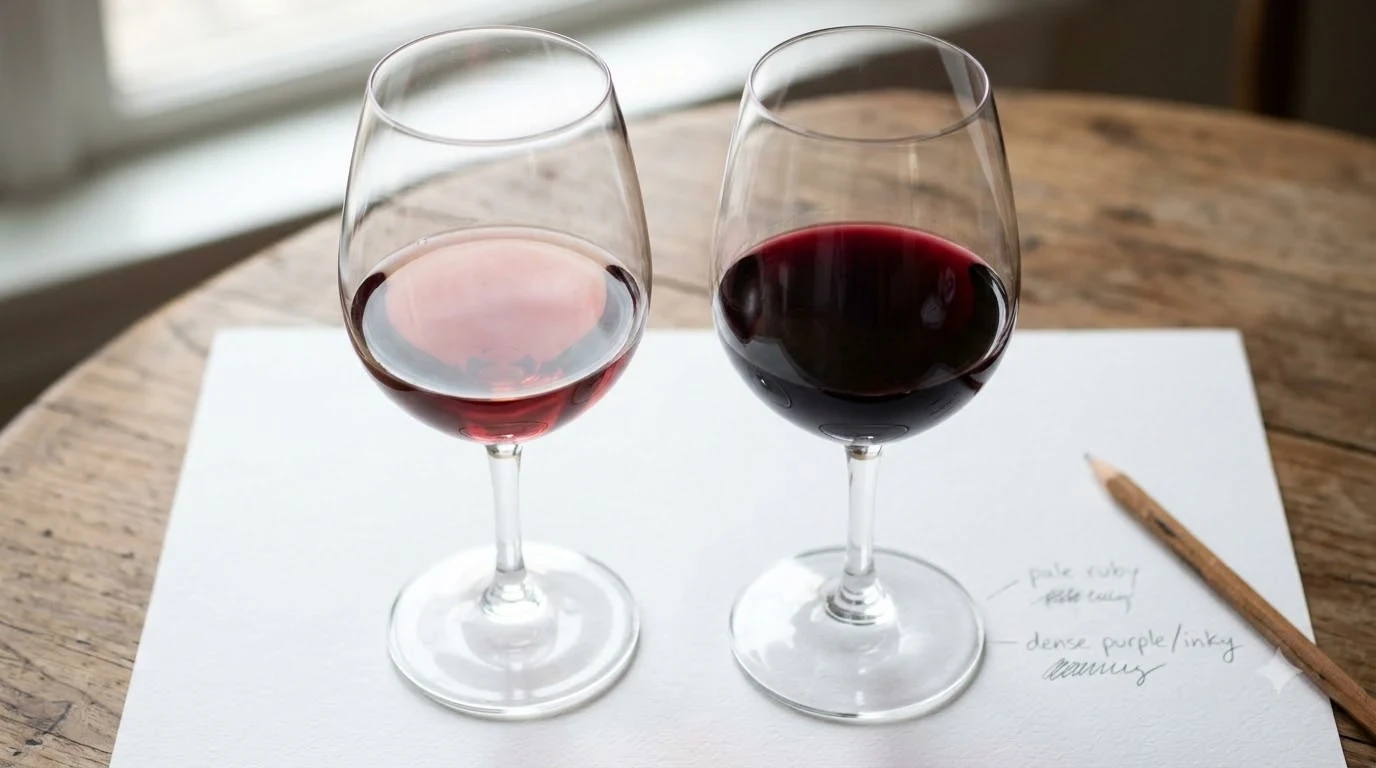
Cabernet franc vs pinot noir comes down to structure and aroma: Cabernet Franc is generally firmer, more savory, and more herbal, while Pinot Noir is usually lighter, silkier, and more focused on red-fruit perfume. Both grapes can make dry, fresh, food-friendly red wines, and neither is automatically the better choice. The right bottle depends on whether you want extra grip and herbal character or a softer texture with delicate fruit and earthy detail.
These two grapes are sometimes grouped together because they can both produce graceful reds with lively acidity, especially in cool climates. Their personalities differ, though: Cabernet Franc has a distinct leafy, peppery side and can feel more structured, while Pinot Noir typically emphasizes cherry, raspberry, floral notes, and fine-grained tannins. Region and winemaking matter as much as grape name, so a Chinon and a warm-climate Cabernet Franc may differ as much as two Pinots from different countries. For a broader framework, see our guide to Wine vs Wine.
Body, Acidity, and Tannin
Cabernet Franc usually has a medium body, medium-to-high or high acidity, and medium to firm tannin; Pinot Noir is generally light to medium in body, high in acidity, and lower in tannin. That gives Cabernet Franc a little more grip and savory weight, while Pinot Noir tends to feel more supple and delicate.
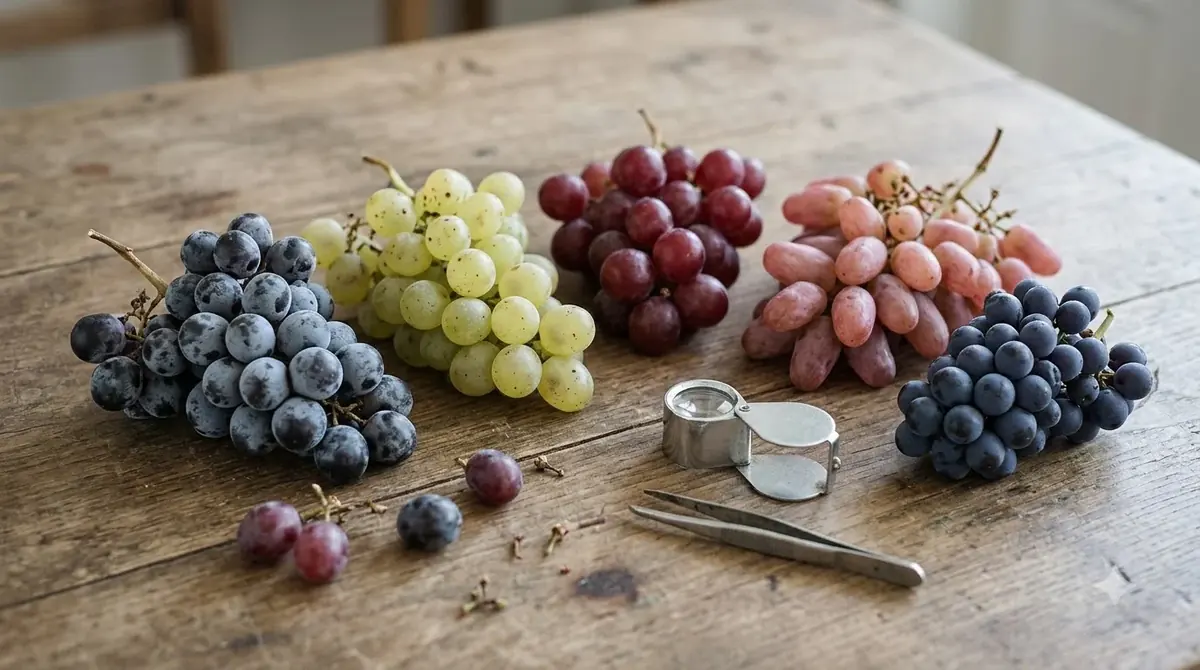
Body is the wine’s weight on the palate, acidity is its mouthwatering freshness, and tannin is the drying sensation along the gums. Cabernet Franc’s tannins are noticeable but usually less dense than Cabernet Sauvignon’s; brisk acidity adds shape to Loire examples. Pinot Noir’s thin skins generally contribute less tannin, creating a silky feel, while its acidity keeps red-fruit flavors lively and the wine flexible with food.
These are patterns, not rules: extraction, time on skins, whole-cluster use, oak, ripeness, and vintage conditions all affect the result. A structured Pinot from a warm site may feel more substantial than a light Loire Cabernet Franc. The table offers a practical starting point.
| Characteristic | Cabernet Franc | Pinot Noir |
|---|---|---|
| Typical body | Medium | Light to medium |
| Typical acidity | Medium-high to high | High |
| Typical tannin | Medium to firm | Low to medium |
| Serving temperature | 55–60°F for lighter styles; 60–65°F for fuller examples | 55–60°F |
| Standard pour | 5 oz | 5 oz |
| Approximate pours per 750 ml bottle | 5 | 5 |
The serving guidance is a starting point, not a law. Cooler temperatures preserve freshness and keep alcohol from seeming prominent, while an overly cold wine can hide aroma and make tannin feel harder. For a side-by-side tasting, serve both at similar temperatures and use the same glass shape.
Flavor, Aroma, and Texture
Cabernet Franc often combines red berries with herbs, pepper, and floral notes; Pinot Noir usually leads with cherry, raspberry, and strawberry, then adds flowers, spice, and earthy nuances. Remember herbal lift and firmer shape for Cabernet Franc, versus red-fruit perfume and a silkier feel for Pinot Noir.
In a cool-climate Cabernet Franc, look for raspberry, red currant, sour cherry, violet, and sometimes green pepper or fresh herbs. A leafy note can be part of the grape’s identity, but an excessively green, hard, or bitter impression may mean the fruit did not reach full ripeness or that the style emphasizes herbal flavors more than you enjoy. Riper Cabernet Franc from a warmer area can lean toward black cherry, plum, cassis, tobacco, and sweet spice, with less leafy character and a broader palate.
Pinot Noir tends to show red cherry, wild strawberry, raspberry, cranberry, rose, and baking spice. With bottle age, some examples develop dried leaves, forest floor, mushroom, truffle, leather, and game. Younger bottles are more likely to emphasize fresh fruit, while older wines can shift toward dried fruit and earthy complexity. Oak can add cedar, vanilla, toast, or baking spice to either grape, so a pronounced vanilla note tells you more about cellar choices than grape identity. For another comparison centered on Pinot Noir’s lighter texture, our article on Grenache vs Pinot Noir explains how a warmer-climate red can bring riper fruit and a different tannin profile.
Regions and Growing Conditions
The classic Cabernet Franc reference point is the Loire Valley, especially Chinon, Bourgueil, and Saumur-Champigny; the classic Pinot Noir reference is Burgundy, with important expressions from Oregon, California, New Zealand, and elsewhere. Each region changes the balance of fruit, acidity, body, and earthiness, so the place name often tells you what style to expect.
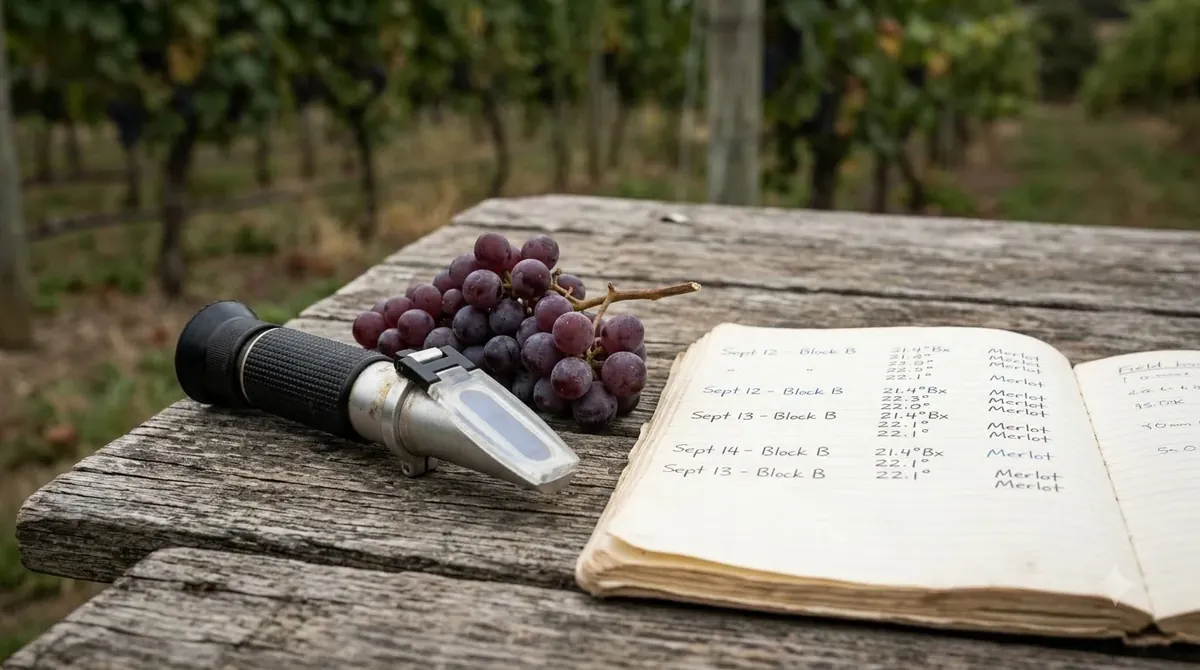
In the Middle Loire, Cabernet Franc is a major red grape in Chinon and Saumur-Champigny. The official Saumur-Champigny appellation site says Cabernet Franc accounts for more than 95% of the grapes used for its red and rosé wines, and identifies local tuffeau limestone as a defining growing environment. Loire examples often show fresh raspberry, red currant, sour cherry, violet, and a savory or peppery edge. Bourgueil and Saint-Nicolas-de-Bourgueil offer further variety: gravel terraces and Turonian limestone occur in Bourgueil, while Saint-Nicolas-de-Bourgueil has a greater proportion of gravel terraces. Chinon includes alluvial terraces, limestone slopes, and clay soils. These differences help explain why Loire Cabernet Franc can range from light and fresh to more structured.
Cabernet Franc also plays an important role in Bordeaux, particularly in blends where it can contribute perfume, freshness, and structure alongside Merlot and Cabernet Sauvignon. Right Bank wines may give it a prominent role, while single-varietal Cabernet Franc is more familiar in the Loire and in New World regions such as the Finger Lakes, Virginia, and California. Warmer climates tend to bring riper fruit and fuller body; cooler sites more often preserve red-fruit freshness and herbal notes. Decanter’s Cabernet Franc profile and Loire recommendations describes how Saumur-Champigny can combine wild-strawberry fruit, dried rose, spice, acidity, and firm tannins.
For Pinot Noir, Burgundy remains the benchmark. The Bourgogne wine body explains that the grape is native to the region and particularly suited to its limestone soils and northerly climate; the wines can express small differences between vineyard sites. Côte de Nuits and Côte de Beaune are central names to know, while village and regional appellations differ in concentration, texture, and aging potential. Outside France, Oregon’s Willamette Valley is known for cool-climate Pinot Noir; California’s Russian River Valley and Sonoma Coast offer different expressions, and Central Otago in New Zealand is another important reference. Pinot Noir is thin-skinned and demanding in the vineyard, so climate, disease pressure, site selection, and careful farming have an outsized effect on the wine. The Bourgogne Pinot Noir overview describes the grape’s sensitivity to growing conditions and its range from delicate to structured styles.
Food Pairings for Each Grape
Choose Cabernet Franc when the meal includes herbs, roasted vegetables, pork, lamb, tomato, or grilled food; choose Pinot Noir for duck, roast chicken, mushrooms, salmon, and other dishes that benefit from gentle tannin and bright acidity. Both wines can work at the same table, but the sauce, seasoning, and cooking method should guide the final choice.
Cabernet Franc’s herbal notes make it especially useful with foods that have their own green or savory character. Try it with herb-roasted pork loin, lamb cutlets, grilled eggplant, roasted red peppers, lentils with thyme, or a mushroom tart. A Loire Cabernet Franc is also a natural match for simple pasta with tomato sauce: the wine’s acidity can stand up to the tomato, while its moderate body does not overwhelm the dish. Goat cheese can work well with roasted vegetables or a savory tart.
Pinot Noir’s lower tannin and high acidity suit roast chicken, duck breast, turkey, pork tenderloin, mushroom risotto, wild mushroom pasta, and salmon. Its fruit meets the richness of duck, while earthy notes echo mushrooms and truffles. Its gentler tannins are less likely to clash with salmon’s oils than a heavily tannic red. Tomato sauces and vinaigrettes also need enough freshness to avoid tasting flat.
Salt and fat soften the perception of tannin, which can make a structured Cabernet Franc easier to pair with fatty pork or lamb. Avoid very oily fish with a tannic Cabernet Franc, especially a fuller, oak-aged style; Pinot Noir is usually the safer red choice for salmon or tuna. Chili heat can make alcohol and tannin feel more intense, so neither grape is ideal beside a very spicy dish if the wine is high in alcohol or strongly structured. For another view of the Pinot Noir spectrum, compare Nebbiolo vs Pinot Noir; their difference in tannin makes the food match especially clear.
Tip: Match the weight and seasoning of the dish, not just its main ingredient. Herb-roasted pork may favor Cabernet Franc, while pork tenderloin with mushrooms may favor Pinot Noir; the sauce can change the better match.
Winemaking, Blending, and Aging
Cabernet Franc is made as a single-varietal red in much of the Loire and as a blending grape in Bordeaux, while Pinot Noir is most often bottled on its own in Burgundy and many New World regions. Extraction, whole-cluster fermentation, oak use, and aging time can make either grape more delicate or more structured.
In the Loire, Cabernet Franc is frequently allowed to speak on its own, giving a direct impression of the grape and its site. In Bordeaux, it may be blended with Merlot and Cabernet Sauvignon; its aromatic freshness and structure can complement Merlot’s rounder fruit and Cabernet Sauvignon’s firmer frame. The exact role varies by estate and vintage. A blend is not a lesser expression; it is a different way to build balance and complexity.
Pinot Noir is also commonly made as a varietal wine, especially in Burgundy, where a single vineyard or village identity can be central to the bottle. Some producers use whole clusters, which include stems during fermentation and can contribute spice, herbal notes, and a different tannin impression. Others destem the fruit or combine whole-cluster and destemmed lots. Oak ranges from neutral vessels that preserve fruit to new French barrels that add spice and texture; neither approach is automatically superior.
Both grapes can age, but not every bottle is intended for long cellaring. Fresh, fruit-driven examples are often best while primary fruit is lively; concentrated wines from recognized sites may develop savory notes and softer textures over several years. Acidity and tannin support aging in structured Loire Cabernet Franc and serious Bordeaux blends, while Pinot Noir depends on balance among acidity, fruit, tannin, and site. Decanting is optional: young, full-bodied reds may benefit from 30–60 minutes, while delicate or mature Pinot Noir can lose aroma with too much air.
How to Choose and Serve a Bottle
Pick Cabernet Franc for a more savory, herbal red with a firmer finish; pick Pinot Noir for a lighter-feeling red with softer tannin, red-fruit aroma, and broad food flexibility. Once you know the style you want, use the region, producer, and serving temperature to narrow the choice.
For Cabernet Franc, start with Chinon, Bourgueil, or Saumur-Champigny if you want a classic Loire profile. Look for raspberry, red currant, violet, fresh herbs, and a firm but refreshing finish. A bottle from a warmer region such as California may show darker fruit and more body. If the wine is a Bordeaux blend, expect the Cabernet Franc character to sit alongside other varieties rather than dominate the whole glass.
For Pinot Noir, Bourgogne Rouge is a broad entry point to the Burgundy tradition, while village names such as Gevrey-Chambertin, Volnay, or Vosne-Romanée signal more specific origins. Outside France, look to the Willamette Valley, Sonoma Coast, Russian River Valley, or Central Otago. Cooler sites often favor tart cherry, cranberry, and savory detail; warmer sites can yield darker cherry, plum, and a fuller palate. For another angle on Pinot’s versatility, our piece on Pinot Noir vs Sauvignon Blanc compares a red wine’s softer tannin with a high-acid white.
Serve lighter reds slightly cool rather than at a warm room temperature. A practical starting range is 55–60°F for Pinot Noir and lighter Cabernet Franc; fuller Cabernet Franc can be served closer to 60–65°F. Use a standard 5-ounce pour and expect about five glasses from a 750 ml bottle. For a side-by-side tasting, pour the lighter wine first and compare color, aroma, acidity, tannin, and how each responds to food. Store unopened bottles on their sides in a cool, stable place near 55°F, away from light and temperature swings.
Frequently Asked Questions
These answers cover a few details that can surprise drinkers, from Pinot Noir’s clear juice to Cabernet Franc’s use in Loire rosé. They also explain names and grape uses you may encounter on European wine lists.
Is Pinot Noir ever used to make white wine?
Yes. Pinot Noir’s juice is naturally clear, so a winemaker can press the grapes and limit skin contact to make a white wine. In Burgundy, this approach is used for Crémant de Bourgogne Blanc de Noirs, a sparkling wine made from dark-skinned grapes.
Is Pinot Noir one of the grapes used in Champagne?
Yes. Pinot Noir is one of Champagne’s three principal grape varieties, alongside Chardonnay and Meunier. It can contribute body and structure to both white and rosé Champagne, including wines in which the finished wine is pale despite the use of dark-skinned grapes.
Can Cabernet Franc be made into rosé?
Yes. Cabernet Franc is used for both red and rosé wines in the Loire Valley, including the Cabernet d’Anjou category. The same grape can therefore produce a fresh pink wine as well as the dry red styles associated with Chinon and Saumur-Champigny.
What is Pinot Noir called in Germany?
In Germany, Pinot Noir is known as Spätburgunder. The name appears on German labels, particularly for wines from regions such as Baden and the Ahr, and it refers to the same grape rather than a separate variety.
Why is the name Pinot Noir associated with a pinecone?
The name is linked to the grape’s small, tightly packed bunches, which resemble a pinecone. The French word “pinot” refers to that compact shape, while “noir” means black and describes the dark grape skins.
Cabernet Franc and Pinot Noir are both excellent choices when you want freshness rather than sheer weight, but they reward different preferences. Choose Cabernet Franc for herbal complexity and firmer structure, or Pinot Noir for red-fruit perfume, softer tannin, and flexible pairings. Trying one classic Loire Cabernet Franc beside a Burgundy or Oregon Pinot Noir is a practical way to discover which profile belongs on your table more often.
More in Wine vs Wine
 Chenin Blanc vs Pinot Gris: Acidity, Body, and Pairing DifferencesUpdated Nov 20, 2026
 Chianti vs Lambrusco: How Tuscany and Emilia-Romagna Reds CompareUpdated Nov 20, 2026
 Chianti vs Primitivo: Key Differences in Taste, Body, and PairingUpdated Nov 20, 2026
 Chianti vs Rioja: Key Differences in Taste, Aging, and PairingUpdated Nov 20, 2026
 Chianti vs Shiraz: How Acidity, Body, and Food Pairings CompareUpdated Nov 20, 2026
 Chianti vs Syrah: Key Differences in Taste, Body, and Food PairingUpdated Nov 20, 2026