

We may earn a commission when you buy through links on this page, at no extra cost to you. Learn more.
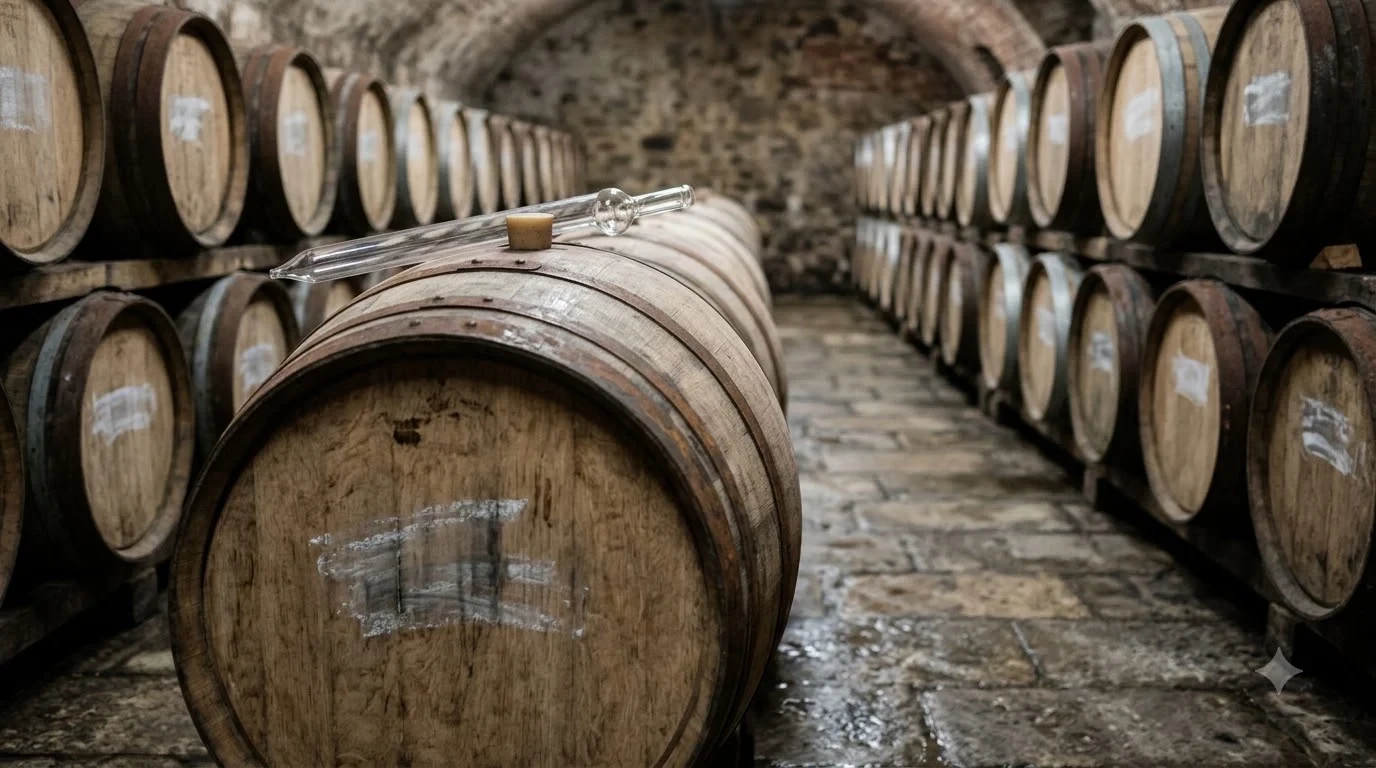
Vega Sicilia wine comes from a historic Spanish winery in the Ribera del Duero region of Castile and León, and it is best known for the long-aged red Único, which is mostly Tempranillo with some Cabernet Sauvignon. The estate was founded in 1864, and it has built its reputation on Gran Reserva wines that are released only after many years in barrel and bottle. This guide covers the winery’s history, its main wines, what the bottles taste like, and how to serve and store them.
Many wine drinkers know the name Vega Sicilia without knowing much about the bottles behind it. The brand sits at the top of the Spanish fine wine category, and its wines are often described as the reference point for long-lived reds from Spain. Understanding the basics makes it easier to decide whether a Vega Sicilia bottle fits your table and your plans for cellaring.
Who Founded Vega Sicilia and Where It Is Made
The winery was founded in 1864 by Eloy Lecanda y Chaves, who had trained in Bordeaux. He brought several Bordeaux grape varieties back to Castile, and that mix of Spanish and French influence still shapes the estate today. The winery sits in the Ribera del Duero Denominación de Origen, in the province of Valladolid in Castile and León, in northern Spain.
Lecanda’s original plantings included Cabernet Sauvignon, Merlot, Tempranillo and Malbec, and the estate still keeps a large share of Bordeaux varieties in its vineyards. Those roots explain why the house style blends Spanish and French influences rather than following one tradition alone. The estate covers about 250 acres, and many of its vines are more than a century old, which adds to the concentration of the fruit.
The Álvarez family has owned Vega Sicilia since 1982. Under family ownership, the estate has kept a strong focus on its top wines and on long aging before release. That combination of a long history and a clear house style is a big part of why the winery is studied by collectors and wine writers alike.
The Main Wines: Único and Valbuena 5°
Único is the signature wine of the estate, a Gran Reserva that is usually released about ten years after the vintage and sometimes after fifteen years or more. According to published background on the winery, Único is roughly 80% Tempranillo and 20% Cabernet Sauvignon. Because it is made only in the best years, it makes up a small share of production in an average vintage, and some weaker vintages produce none at all.
Valbuena 5° is the other key label. It is aged for five years before release and is mainly Tempranillo, with Merlot and Cabernet Sauvignon in the mix. It is a more approachable way to see the house style than Único, which is built for long cellaring.
What Vega Sicilia Wine Tastes Like
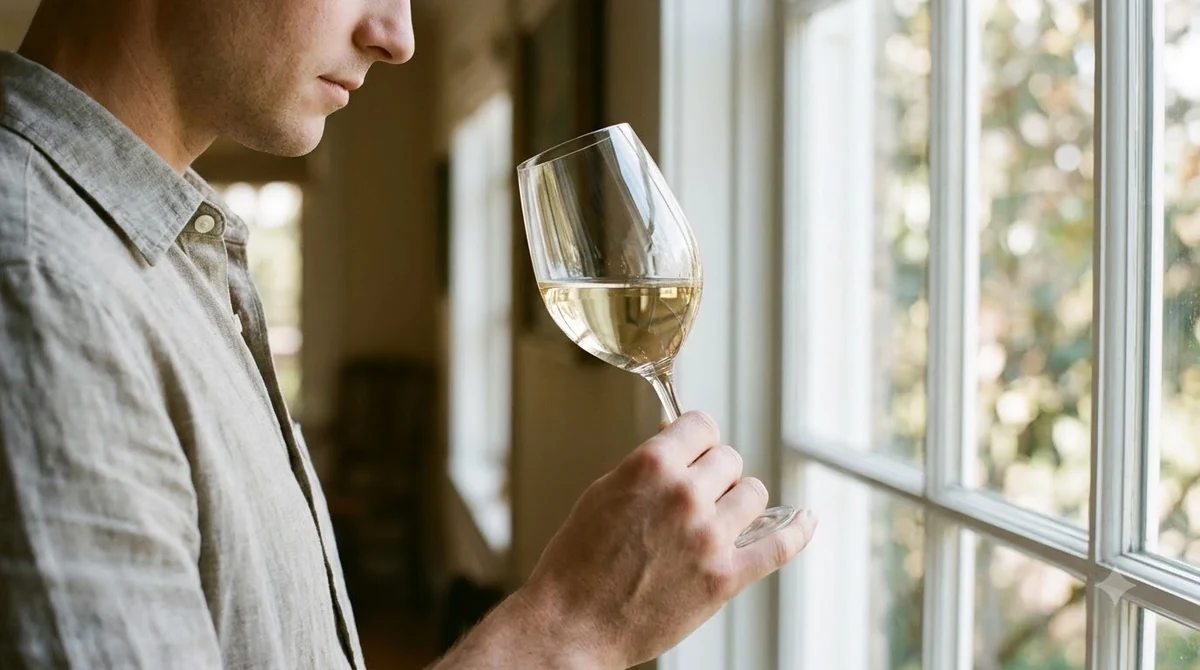
Vega Sicilia reds are structured, layered and built for aging. Tempranillo, the core grape of the wines, brings cherry, dried fig, cedar and tobacco notes, and it can taste richer in the warm climate of Ribera del Duero. According to Wine Folly’s overview of Tempranillo, wines from the region show black cherry, blackberry bramble and dried fig, and the grape carries medium-high acidity and high tannin.
The Bordeaux varieties add depth and a firmer frame. Cabernet Sauvignon gives dark fruit and a structured finish, while Merlot can soften the edges. Younger bottles tend to show brighter fruit and a firm grip. With time, the wines develop softer tannins and notes of dried fruit, nuts and spice, which is why many people prefer to open them after a decade or more.
| Wine | Typical make-up | Aging before release | What to expect |
|---|---|---|---|
| Único | About 80% Tempranillo, 20% Cabernet Sauvignon | Usually about ten years, sometimes fifteen or more | Layered, long-lived, built for cellaring |
| Valbuena 5° | Mainly Tempranillo with Merlot and Cabernet Sauvignon | Five years | Structured, more approachable than Único |
Tip: If you are new to the winery, it helps to start with the house’s shorter-aged label and save the long-aged wines for a special meal or a planned cellaring project.
How to Serve and Store Vega Sicilia
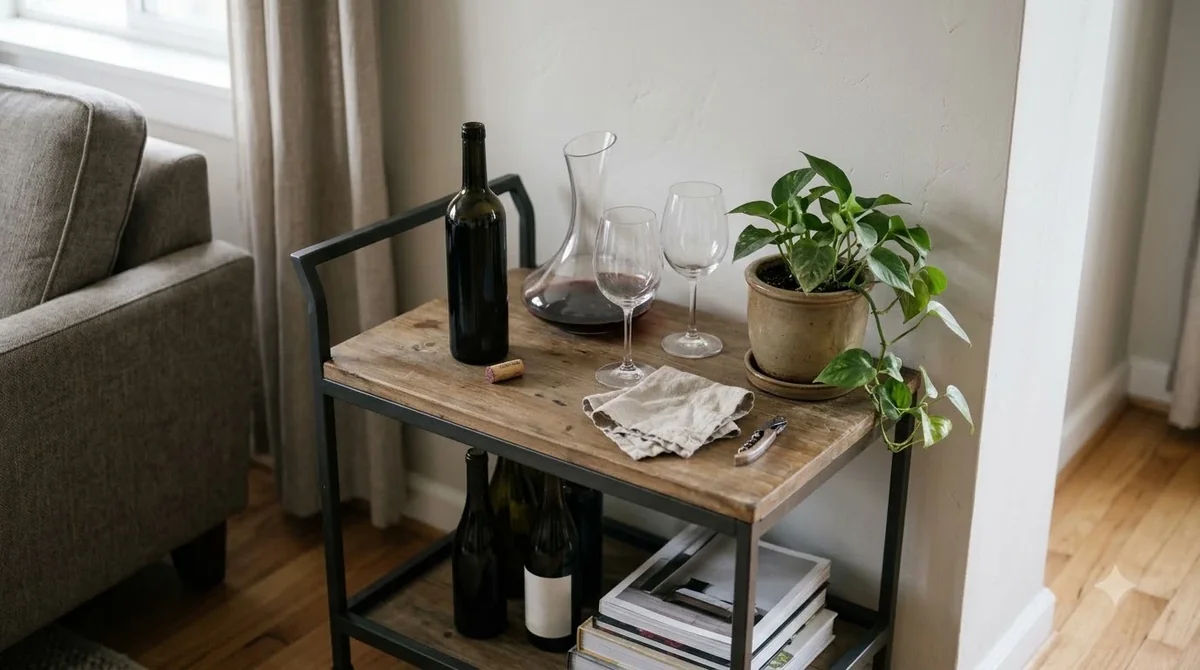
Long-aged reds from the estate are usually served at a slightly cooler temperature than room temperature, which keeps the fruit and structure in balance. Decanting is a common step for older wines, since it separates the wine from any sediment and lets the aromas open gently. Younger bottles often benefit from some time in a decanter as well, though they can usually be decanted more freely.
Store bottles on their side in a cool, dark place with stable conditions. Because these wines are meant to age for many years, the storage environment matters as much as the bottle itself. A quiet cellar with steady temperature is the ideal, and a closet away from heat and light works for shorter holds.
Glassware matters too. A large red wine glass gives the aromas room to develop, and a slow pour lets the wine settle before you taste it. Give an older bottle some time in the glass, since the structure often changes within the first half hour.
Food Pairings for Vega Sicilia
Vega Sicilia pairs best with rich, savory food that can stand up to a structured red. Roast lamb, beef with a dark sauce and slow-cooked stews are classic choices, especially when they include herbs and a little char. Aged Spanish cheeses such as manchego also suit the wine, because their nutty, salty character echoes the aged notes in the glass.
Lighter food tends to be overwhelmed by these reds. Delicate fish, fresh salads and simple vegetable dishes usually disappear next to a wine with this much structure. For a celebration meal, a roast with rosemary or a dish with mushrooms and thyme often lets the wine show its best side.
How Vega Sicilia Compares With Other Spanish Reds
Vega Sicilia is often compared with other top Spanish reds, especially from Rioja and Ribera del Duero. The main difference is the long, deliberate aging of the flagship wines, which sets the house apart from many producers who release their reds sooner. Wines from other houses may show more immediate fruit, while Vega Sicilia tends to reward patience.
Because Vega Sicilia wine is so closely tied to aging, it is also useful to think about the bottle’s timeline. A Gran Reserva that is released after many years is a different proposition from a red that is ready to drink in its first few years. Reading the vintage and the release year on the label helps you decide whether a bottle is ready now or better saved for later.
If you want to see how other producers handle the category, our guide to Spottswoode wine explains a different style of structured red, and our page on Pedernales wine shows how a producer can focus on one region and one grape. For a wider look at how brands position their wines, see our wine brands hub.
Frequently Asked Questions
What is Vega Sicilia Único made of?
Único is described as roughly 80% Tempranillo and 20% Cabernet Sauvignon. It is a Gran Reserva released after a long period of aging, and the exact blend can vary by vintage.
How long does Vega Sicilia age?
Único is usually released about ten years after the vintage, and sometimes after fifteen years or more. Valbuena 5° is aged five years before release.
Is Vega Sicilia a good wine to open young?
Younger bottles are structured and can be enjoyable with food, but the wines are built for aging. Many people find them more rewarding when they have had time to develop, so a decanter and a meal help if you open one early.
Where is Vega Sicilia located?
The winery sits in the Ribera del Duero Denominación de Origen, in the province of Valladolid in Castile and León, northern Spain.
Vega Sicilia is a wine for readers who want to understand the top end of Spanish red. Start with the history and the blend, match the bottle to the right meal, and plan for time in the cellar if you want to see the wine at its best.
More in Wine Brands
 Underwood Wine Price: Compare Bottles, Cans, and Pack SizesUpdated Nov 21, 2026
 Zenato Wine Price: Compare Styles and Choose the Right BottleUpdated Nov 21, 2026
 Zuccardi Wine Price: Compare Bottles and Find the Right RangeUpdated Nov 21, 2026
 Yellow Tail Moscato Review: Taste, Sweetness and Serving TipsUpdated Nov 21, 2026
 Wolf Blass Yellow Label Review: Choose Your Best StyleUpdated Nov 21, 2026
 Wolffer Estate Rose Review: Choose the Right Bottle for Your TableUpdated Nov 21, 2026