

We may earn a commission when you buy through links on this page, at no extra cost to you. Learn more.
Rombauer Chardonnay is the white wine from Rombauer Vineyards, a Napa Valley producer founded in 1980 by Koerner and Joan Rombauer. The Carneros bottling is the house’s best-known Chardonnay, and it is known for a rich, creamy texture with toasty oak from aging in a mix of French and American barrels. For a Chardonnay that shows its fruit and oak together, it is one of the most recognizable choices on the American market.
Rombauer is one of the names people look for when they want a full-bodied California Chardonnay, and the search for “rombauer chardonnay” usually comes from someone choosing a bottle for dinner or a gift. This guide covers the winery’s background, how its Chardonnay is made, what the wine tastes like and how to serve it.
Who makes Rombauer Chardonnay and where it comes from
Rombauer Vineyards traces its start to 1980, when Koerner and Joan Rombauer launched the winery after entering the wine business in 1976. The first releases included a Cabernet Sauvignon, and the winery’s first Chardonnay followed in 1982.
The Chardonnay that most people buy comes from the Carneros district, a cool area at the southern end of Napa Valley near San Pablo Bay. Rombauer began sourcing fruit there in 1990 and built a long relationship with the Sangiacomo family, which supplies the vineyard fruit for the bottling. Cool breezes and clay soils help the grapes keep their acidity while building flavor.
The cool climate matters because Chardonnay is sensitive to heat. Grapes that ripen too fast can lose their freshness and taste flat or jammy, while a longer, cooler growing season builds the layers of apple, citrus and stone fruit that the winemaking then frames. That balance is why the district is often chosen for richer, oak-aged Chardonnays that still hold their acidity.
| Detail | What to know |
|---|---|
| Winery founded | 1980, Napa Valley, California |
| Founders | Koerner and Joan Rombauer |
| First Chardonnay | 1982, according to the winery’s history |
| Carneros fruit | Sourced since 1990 |
How Rombauer Chardonnay is made
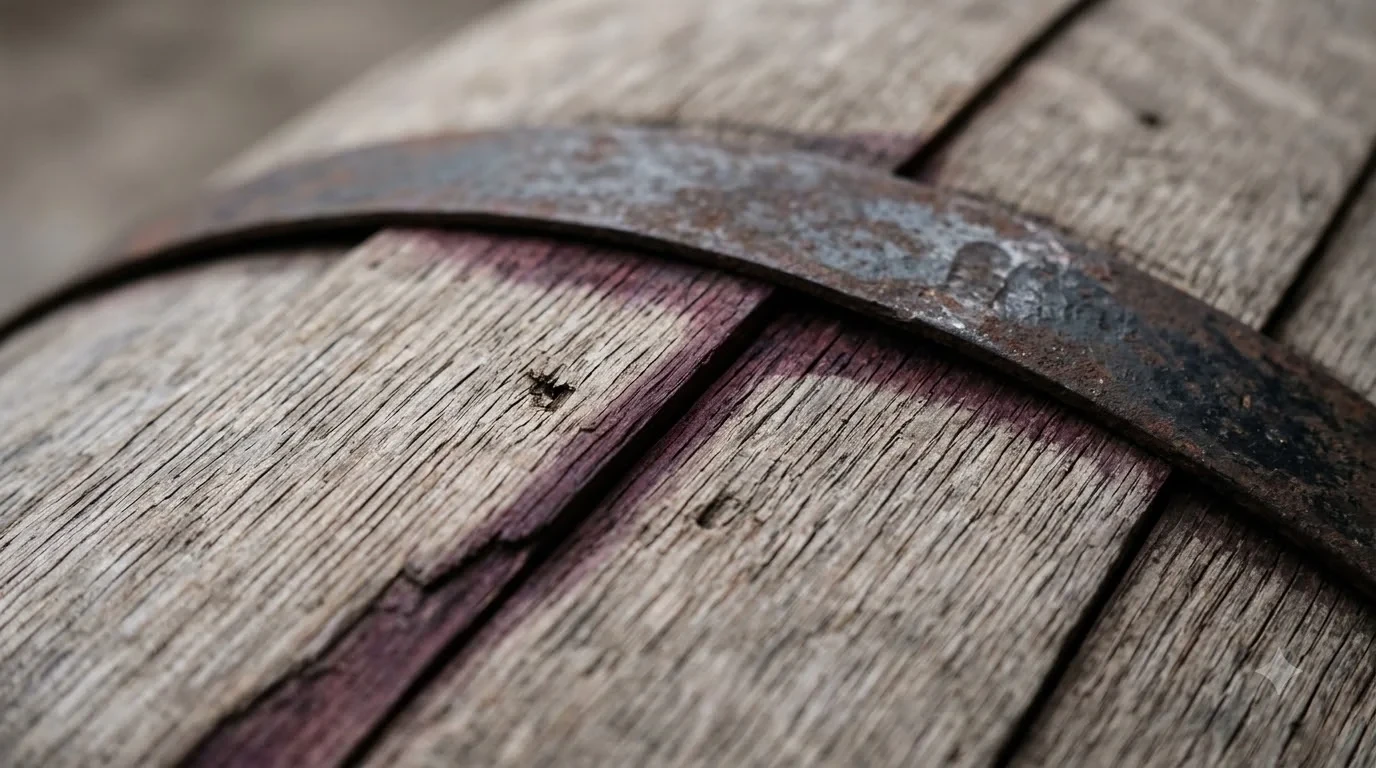
Rombauer’s Chardonnay goes through full malolactic fermentation, which converts sharp malic acid into softer lactic acid and adds a creamy, rounded texture. The wine is then aged in oak, and the winery’s standard Carneros bottling is matured in a mix of French and American barrels, with the American barrel heads toasted for extra vanilla and spice.
Wine Folly’s Chardonnay guide describes the same conversion as turning tart malic acid, the acid found in apples, into a softer, rounder lactic acid, and it notes that diacetyl, a byproduct of the process, contributes to the buttery aroma. Oak adds vanilla from vanillin, creamy lactone notes and clove-like spice from eugenol. Toast level changes the result: light toast gives delicate notes, medium toast adds baking spices, and heavy toast brings fuller toasted flavors. The Wine Folly Chardonnay overview covers these effects in more detail.
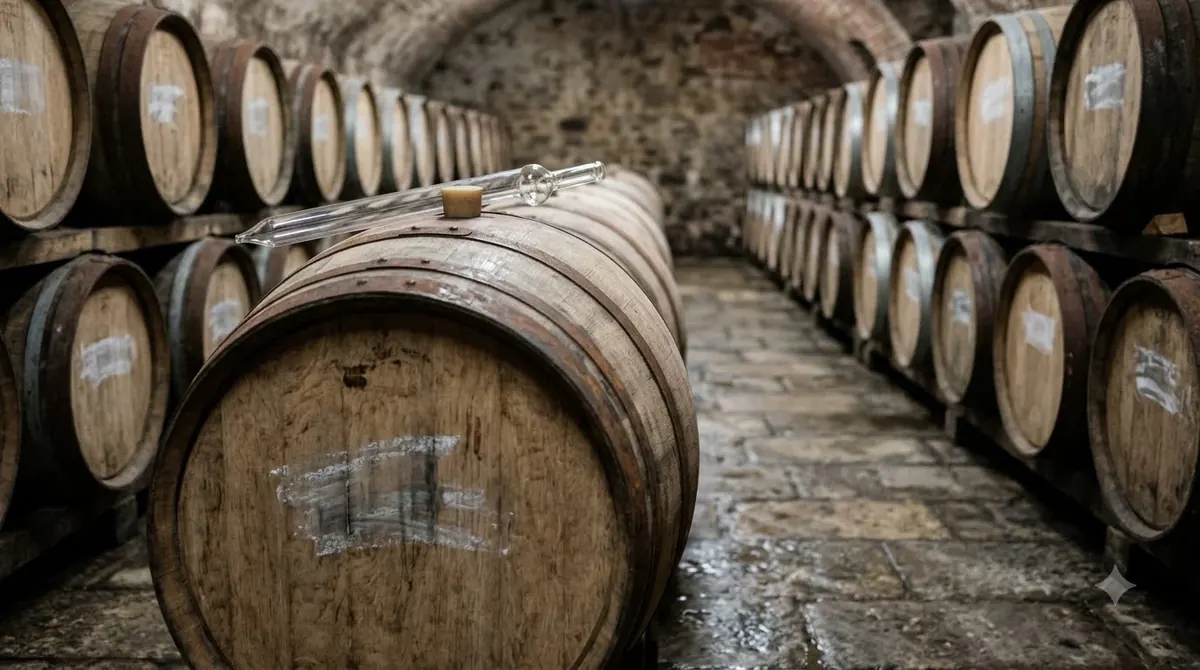
The result is a Chardonnay that is intentionally rich. Winemakers who want a leaner style often avoid full malolactic fermentation and limit new oak, so the Rombauer approach makes sense for drinkers who like a fuller white.
Barrel choice is part of that style. Blending French and American oak changes the balance of spice and vanilla, and toasting the barrel heads adds a sweeter, caramel-like note. The winemaker decides how much of each barrel to use, which is why the same house can produce a standard bottling and a reserve that differ in weight and intensity.
The Rombauer Chardonnay range and what it tastes like
The standard Carneros Chardonnay is the everyday bottling, with ripe orchard fruit, butter and toasted oak. The winery’s Proprietor Selection is a reserve Chardonnay made only in exceptional vintages, using the best barrels from the finest lots, and it carries more new oak than the standard bottle.
Taste notes vary with each vintage, but the house style is consistent. Expect a creamy, fruit-forward wine with a long finish and enough acidity to keep it balanced at the table.
Critics and retail guides often describe the wine in similar terms, pointing to its butter, vanilla and toasted oak alongside ripe pear and apple. Because the producer publishes its oak regime and the vineyard source, shoppers can check the details on the label or the winery’s fact sheet, which is a useful habit when comparing the bottle with other California whites.
| Bottling | Character | Good with |
|---|---|---|
| Carneros Chardonnay | Creamy, fruit-forward, toasted oak | Roast chicken, lobster, creamy pasta |
| Proprietor Selection | Reserve style, more oak, made in exceptional vintages | Special dinners, rich fish, aged cheeses |
How to serve Rombauer Chardonnay
Serve the wine chilled but not ice cold, so the fruit and oak can both come through. Pour it into a medium-sized white-wine glass, and give it a few minutes to warm slightly in the glass before the first sip.
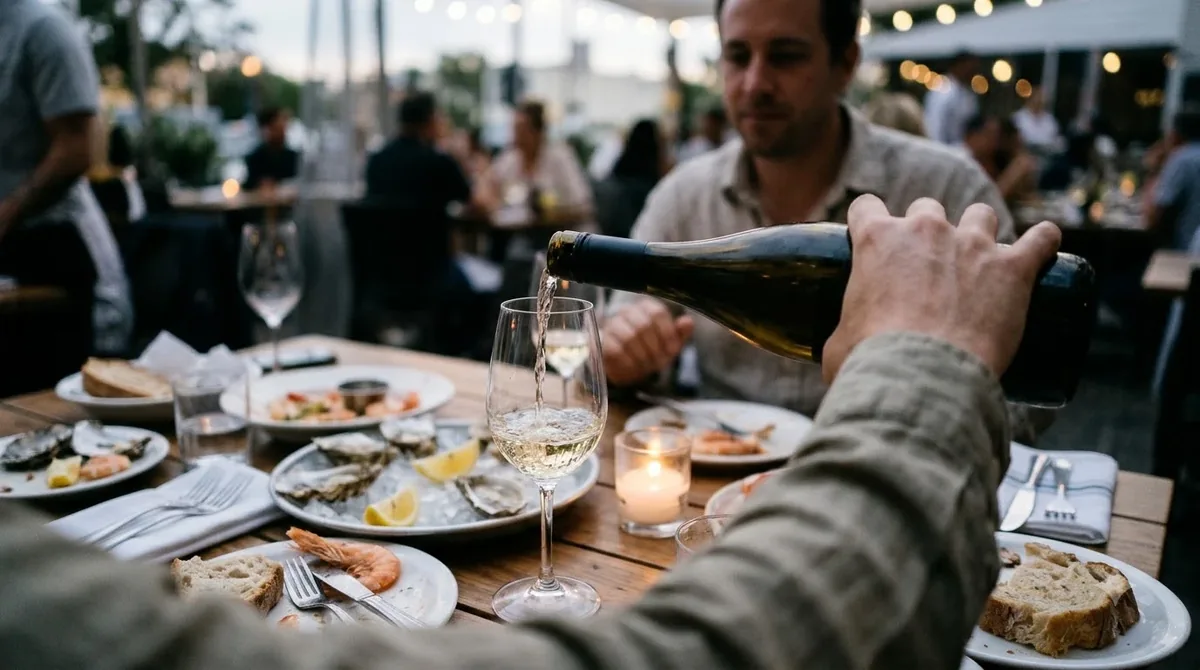
Rombauer pairs well with buttery and creamy dishes, including roast poultry, shellfish with a lemon-butter sauce and mild cheeses. Its richness can overwhelm delicate salads, so match it with food that has enough body to stand up to the oak.
Glassware and timing also matter. A wider white-wine glass lets the aromas open, and pouring a smaller amount at first keeps the wine cool through the first course. If you are opening the bottle for a long meal, recork any leftovers and keep them in the refrigerator, since the oak and fruit hold up for a day or two.
Temperature matters with an oaked Chardonnay. Wine Folly suggests about 55°F (12°C) for oaked styles, a little warmer than the roughly 45°F (7°C) it recommends for leaner styles like Chablis. A rich bottle such as this one benefits from a short rest out of the refrigerator, while a crisp, unoaked white can stay cooler.
Tip: If you want a lighter contrast at the table, serve a crisp, unoaked white alongside the Chardonnay for the first course.
How Rombauer compares with other Chardonnays
Chardonnays from California often split into two styles: rich, oaked wines and leaner, unoaked wines from cooler sites. Rombauer belongs to the richer group, so shoppers who prefer a crisp, mineral white may find it heavier than they expect. Shoppers who want a buttery, rounded wine will find it a good match for their taste.
If you are comparing with other producers, the kendall jackson chardonnay guide covers another widely known California white, and our butter chardonnay page explains the buttery style in more detail. Reading the vintage and the oak description on the label will help you pick the right bottle quickly.
Frequently Asked Questions
Where does Rombauer Chardonnay come from?
The standard Carneros Chardonnay comes from fruit grown in the Carneros district, a cool area at the southern end of Napa Valley. The winery has sourced Carneros fruit since 1990.
Is Rombauer Chardonnay oaky?
Yes, the wine is aged in a mix of French and American oak with toasted barrel heads. The oak adds vanilla, spice and a creamy texture, so expect a noticeable oak character.
What is Proprietor Selection?
Proprietor Selection is the winery’s reserve Chardonnay, made only in exceptional vintages from the best barrels. It has more new oak than the standard bottling.
Should Rombauer Chardonnay be served cold?
Serve it chilled but not ice cold. Very cold temperatures mute the fruit and oak, so let the bottle sit for a few minutes after you take it out of the refrigerator.
Rombauer Chardonnay is a clear choice for anyone who wants a rich, oak-influenced California white. Serve it well chilled, match it with buttery food and read the bottling name to choose between the standard and reserve styles.
More in Wine Brands
 Underwood Wine Price: Compare Bottles, Cans, and Pack SizesUpdated Nov 21, 2026
 Zenato Wine Price: Compare Styles and Choose the Right BottleUpdated Nov 21, 2026
 Zuccardi Wine Price: Compare Bottles and Find the Right RangeUpdated Nov 21, 2026
 Yellow Tail Moscato Review: Taste, Sweetness and Serving TipsUpdated Nov 21, 2026
 Wolf Blass Yellow Label Review: Choose Your Best StyleUpdated Nov 21, 2026
 Wolffer Estate Rose Review: Choose the Right Bottle for Your TableUpdated Nov 21, 2026