

We may earn a commission when you buy through links on this page, at no extra cost to you. Learn more.
Sonoma wine tasting means visiting the wineries of Sonoma County, California, a region with more than 250 member wineries, 19 recognized appellations, and over 60 grape varieties. Most visitors plan around a few sub-regions, book ahead for popular tasting rooms, and choose between Chardonnay and Pinot Noir country or the warmer Cabernet and Zinfandel valleys. A well-planned day usually covers three or four tasting rooms in one area.
Sonoma County sits north of San Francisco and is often compared with its better-known neighbor, Napa Valley. The two regions share a Mediterranean climate and cool Pacific breezes, yet Sonoma offers a wider range of landscapes, from coastal fog belts to inland valleys with warm afternoons. This guide explains where to go, how tastings usually work, and how to build a route that suits your taste in wine.
Where Sonoma Wine Country Is Located
Sonoma County covers a large area of northern California, and its wineries are spread across several valleys. Distances can be longer than they look on a map, so the first step is choosing one or two areas rather than trying to cover the whole county in one day.
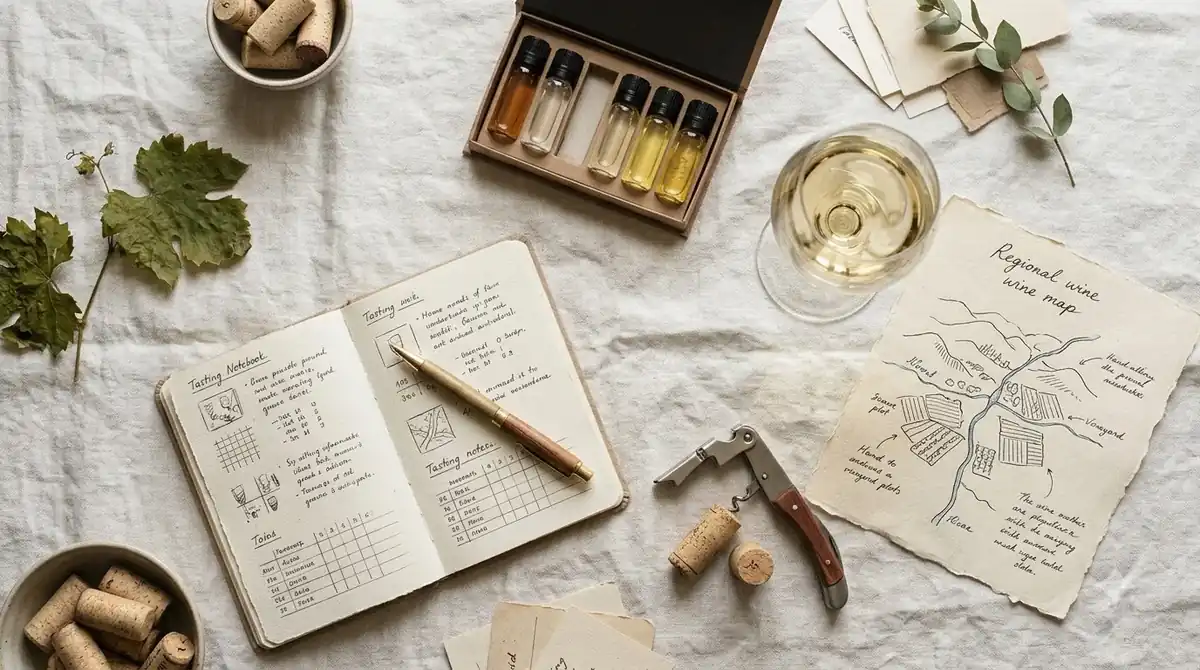
The Sonoma Valley lies closest to the city and has a long tradition of tasting rooms. The Russian River Valley is known for cool-climate Pinot Noir and Chardonnay, while Alexander Valley and Dry Creek Valley are often associated with bold reds and Zinfandel. According to Sonoma County Vintners, the county has 19 distinct appellations, and the regional AVA map is a useful planning tool before you leave home.
Main Grapes and Styles to Expect
The county grows more than 60 grape varieties, but most tasting menus focus on a handful of styles. Visitors often find that the grapes change noticeably from one valley to the next, which is part of the appeal of a tasting route.
Chardonnay and Pinot Noir dominate many of the cooler sites near the coast, and rosé is a common warm-weather pour. Cabernet Sauvignon, Zinfandel, and Bordeaux-style blends appear more often in the warmer inland valleys. Producers in the county also make Syrah and Sauvignon Blanc, so a tasting flight can include a wider mix than many visitors expect.
| Area | Typical climate | Styles you will often see |
|---|---|---|
| Russian River Valley | Cool, foggy mornings | Pinot Noir, Chardonnay, sparkling wine |
| Sonoma Valley | Mixed, with coastal influence to the west | Chardonnay, Zinfandel, Cabernet Sauvignon |
| Alexander Valley | Warm inland days | Cabernet Sauvignon, Zinfandel, Bordeaux blends |
| Dry Creek Valley | Warm days, cooler nights | Zinfandel, Sauvignon Blanc, Cabernet Sauvignon |
How Tastings Work in Sonoma
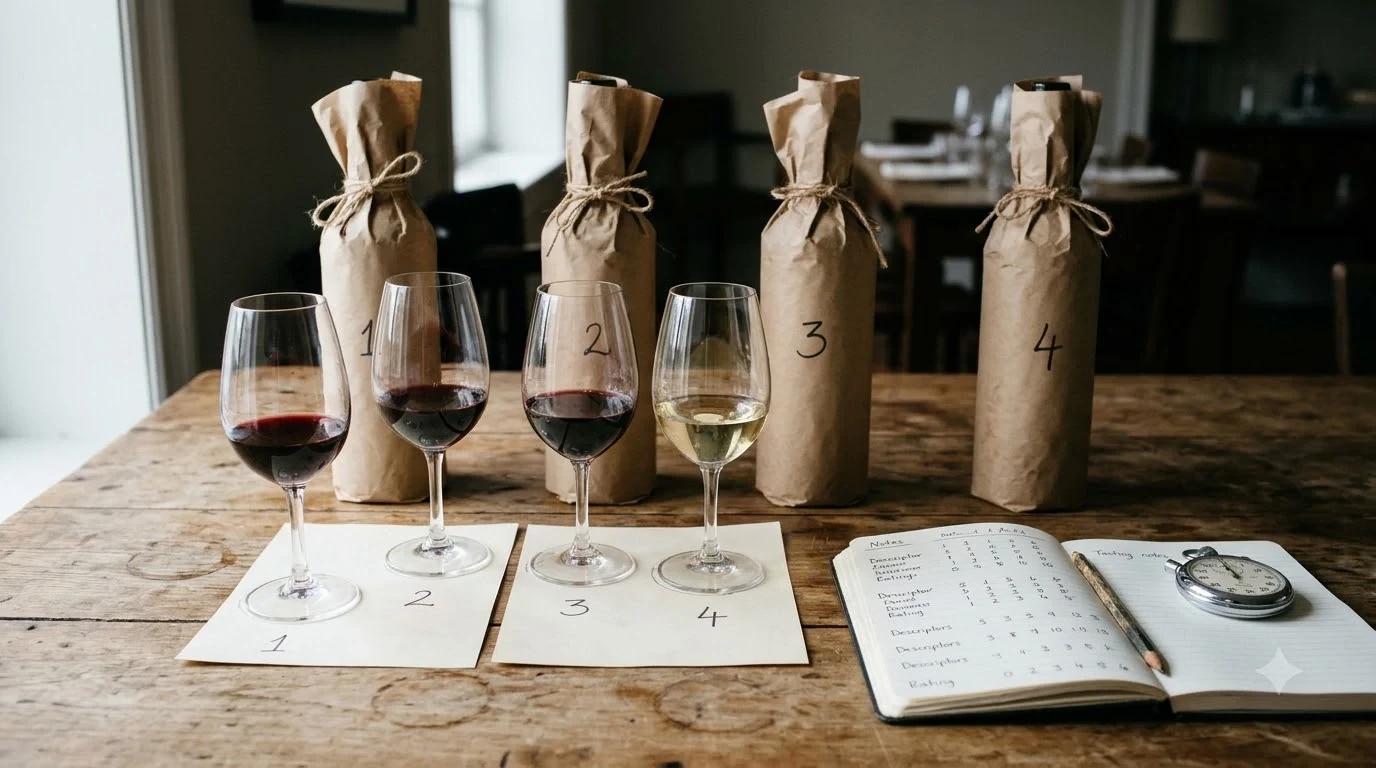
Most tasting rooms offer a seated flight of several pours, often paired with small bites or a short description of each wine. Some wineries also run walk-around tastings, where guests move through a property and sample wines at several stations. Sonoma County Vintners promotes its Pour and Explore series in this format, with light food and music at many events.
Tickets for special events can sell out quickly, so buying early is practical. Standard tasting-room visits are usually reserved online, though some wineries accept walk-in guests. Check the winery’s website before you go, since hours, fees, and reservation rules vary from property to property.
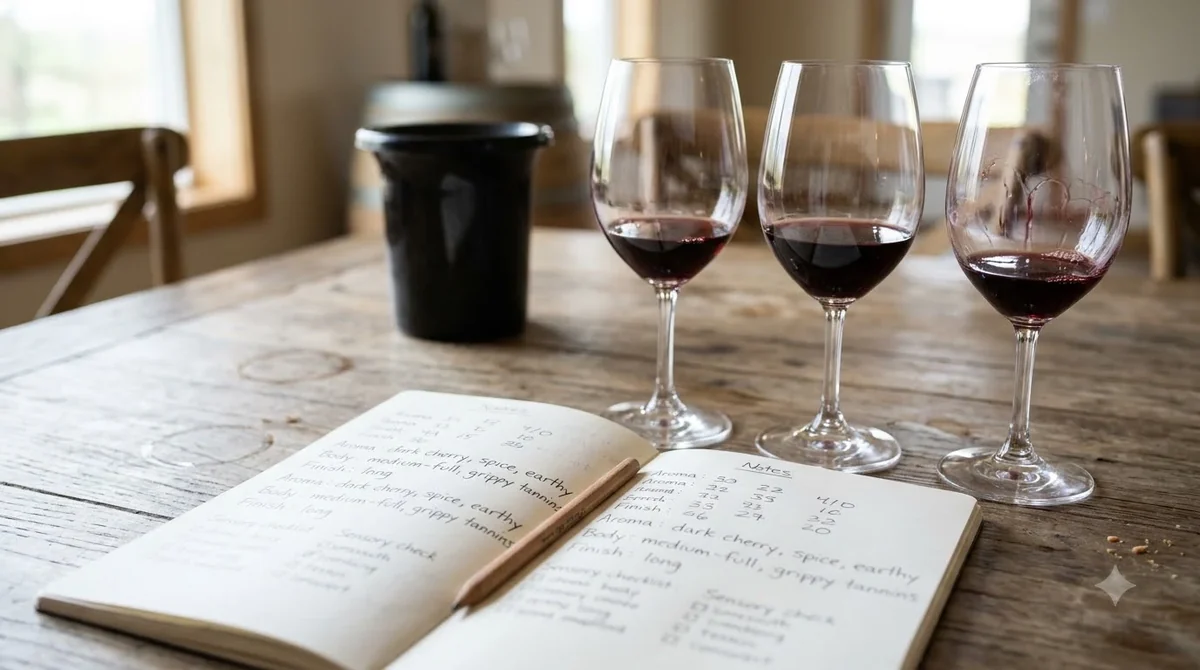
Etiquette is simple. Most rooms provide a spit bucket, and guests who plan to drive often pour small amounts or spit between tastes. Asking the server to pour a smaller sample of a wine you want to compare is common and accepted. Water and a few crackers between pours help palates reset, which matters more on a day with many tastings.
Planning a Day of Tasting
A realistic day in Sonoma includes three or four wineries, with time for lunch and driving between stops. Grouping tasting rooms in one valley saves time and makes it easier to finish on schedule. Many visitors start with a lighter style, such as sparkling wine or Sauvignon Blanc, and end with bolder reds.
A self-guided pass is another option. The Sonoma County tourism site describes a Tasting Pass that covers wineries, breweries, and craft distilleries, letting visitors build their own itinerary without a fixed tour schedule. This format suits travelers who want flexibility, while guided tours suit people who prefer transport and a set route.
Tip: Choose one valley for your first day. Sonoma’s distances add up quickly, and a shorter route leaves more time for each tasting.
Seasonal timing also shapes the experience. Late summer and early autumn bring harvest activity to many vineyards, which can make the grounds lively but also busier. Spring is often quieter, with fresh-tasting releases and fewer crowds. Weekday visits generally offer more time with staff, which can lead to richer conversation about how each wine was made.
Choosing the Right Wineries for Your Taste
Winery style matters as much as location. Some properties focus on estate-grown single-vineyard bottlings, while others specialize in small production wines or sparkling styles. Reading the tasting menu before you arrive helps you match the visit to what you enjoy.
If you prefer lighter, fresher wines, look for cool-climate Pinot Noir, Chardonnay, or rosé. For fuller reds, plan a stop in the warmer valleys known for Cabernet Sauvignon and Zinfandel. The Sonoma Coast vineyards guide covers the cooler coastal sites in more detail, and the Sonoma wine overview explains the main styles across the county.
Getting Around Sonoma County
Driving is the most common way to move between wineries, but it is also the main reason many first-time visitors overbook their schedule. Roads through the valleys can be winding, and traffic on weekend afternoons slows travel between towns. Leaving buffer time between tastings keeps the day relaxed and reduces the risk of rushing through a flight.
Some visitors prefer a driver or a small-group tour, which removes the need to choose a designated driver. Tour operators usually build the route around your preferred style, such as coastal Pinot Noir or inland Zinfandel. Whichever option you choose, plan to eat a substantial meal during the day, and pace each tasting so the wines are enjoyed rather than rushed.
Frequently Asked Questions
How many wineries are in Sonoma County?
Sonoma County Vintners describes its membership as more than 250 wineries across the county. The total number of tasting rooms is higher, because many wineries are not members of that group.
Is Sonoma wine tasting better than Napa?
Neither region is better for everyone. Sonoma offers a wider range of climates and styles, while Napa is known for concentrated Cabernet Sauvignon. Many visitors enjoy both, depending on whether they want variety or a focused red-wine experience.
Do I need reservations for Sonoma tasting rooms?
Many wineries recommend or require reservations, especially on weekends and during harvest season. Some properties welcome walk-in guests, but the safest approach is to check each winery’s website before you travel.
How much time should I plan for each winery?
Plan about 60 to 90 minutes per tasting visit, including travel time within the same valley. A shorter stop may work for a single flight, while a visit with a vineyard walk or food pairing will take longer.
Budgeting time matters as much as budgeting for bottles. Many visitors buy a case or a few favorites at the end of the day, so it helps to plan for shipping or carry-on limits. Ask the tasting staff whether a winery ships to your home state, since rules differ by location.
A good Sonoma trip rewards a little planning. Pick one or two valleys, choose wineries that match your favorite styles, and book the most popular stops early. With a clear route, a single day can show you the range of this large county. For more context on the region, the wine regions guide explains how climate and geography shape each area.
More in Wine Regions
 Willcox Wine Trail: Discover Arizona’s High-Elevation Wine CountryUpdated Nov 20, 2026
 Yakima Valley Wine Region: Find the Best Styles to TryUpdated Nov 20, 2026
 Vosne Romanee Wine Tasting: Identify Aromas and Choose Better PairingsUpdated Nov 20, 2026
 Yakima Valley Wine Festival: Find the Best Seasonal Wine EventsUpdated Nov 20, 2026
 Wales Vineyards: Discover Cool-Climate Wines and Where to VisitUpdated Nov 20, 2026
 Yountville Wine Festival: Discover Napa Wines and Local FoodUpdated Nov 20, 2026