

We may earn a commission when you buy through links on this page, at no extra cost to you. Learn more.
Low sugar red wine usually means a dry red, because nearly all table reds are fermented until almost all the grape sugar is gone. Wine sweetness is measured as residual sugar in grams per liter, and under the OIV standard a wine counts as dry at up to 4 grams per liter. Most bold reds such as Cabernet Sauvignon, Syrah, and Malbec sit well inside that range, so the sweetness you taste comes mainly from fruit, oak, and alcohol rather than leftover sugar.
Shoppers who look for low sugar red wine are often trying to avoid a syrupy glass or to understand what a label means. The short answer is that the red wine category is dry almost by default, but a few styles, such as some Lambrusco and fruit-forward blends, can taste sweeter. This guide explains how sugar is measured, how to read a label, and what to look for when you shop.
How sugar is measured in wine
Winemakers and regulators measure sweetness as residual sugar, the sugar that remains after fermentation. The unit is grams per liter (g/L). According to the Wikipedia entry on sweetness of wine, the OIV counts glucose and fructose together, and it places wines in the following groups: dry at up to 4 g/L, medium dry above that up to 12 g/L under the EU table, semi-sweet or mellow up to 45 g/L, and sweet at 45 g/L or more.
The EU table is slightly more specific. It allows up to 9 g/L for balanced dry wines and up to 18 g/L for balanced medium-dry wines. Some dessert wines go much higher, which is why sugar alone never tells the full story. A wine can also count as dry if its acidity is at least 2 g/L higher than its sugar level, so a crisp, tart red can taste drier than its numbers suggest.
| Style | Residual sugar (g/L, OIV basis) | What you will notice |
|---|---|---|
| Dry | Up to 4 | No sugary sensation, tannin and acid lead |
| Medium dry | Above 4 up to 12 | A soft, rounded fruit feel |
| Semi-sweet or mellow | Up to 45 | Clearly sweet, often lighter in body |
| Sweet | 45 or more | Dessert-style sweetness |
Why most red wines are already low in sugar
Red wine is made by fermenting the juice with its skins, and yeast converts sugar into alcohol until the wine is dry or the winemaker stops the process. Most red producers let fermentation finish, so the wine ends with very little sugar. The result is a dry red even when the fruit tastes ripe and generous.
This is why the phrase “low sugar red wine” can be a little misleading. You rarely need a special label to find a dry red, because the category is dry by design. Sweet reds exist, but they are usually labeled as sweet or semi-sweet, or they come from regions that have a tradition of off-dry styles. Winemakers who want a softer red may also stop fermentation early or blend in a little unfermented juice, and that is one reason a wine from the same grape can taste different from one producer to the next.
Which red wines taste drier and which taste sweeter
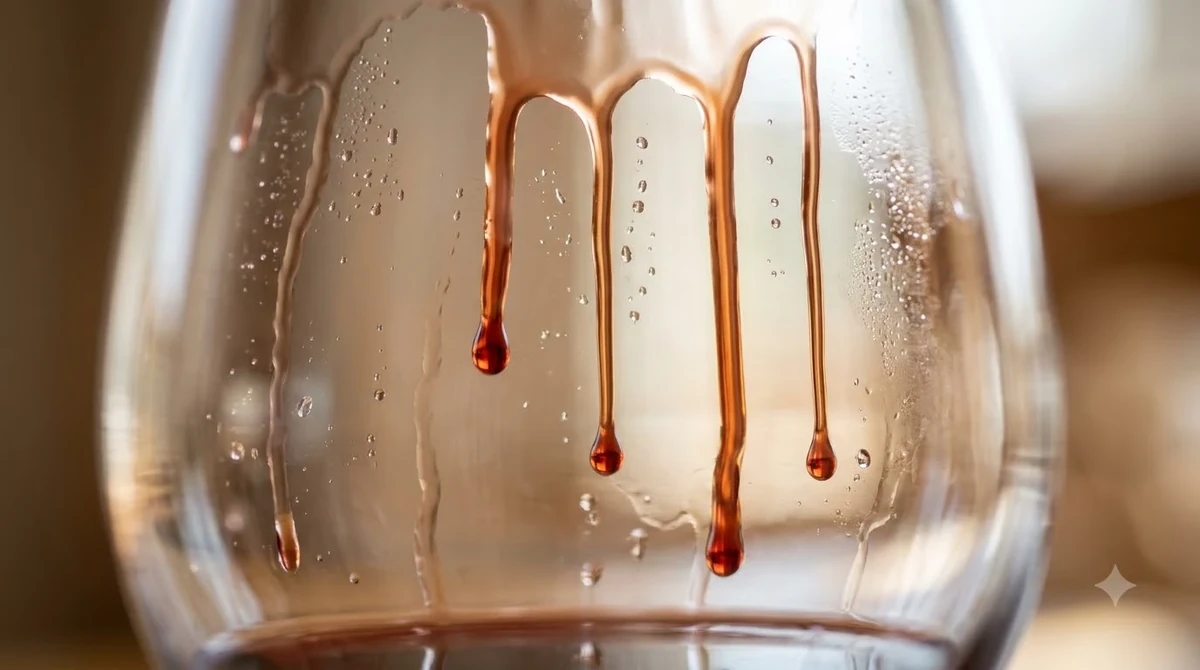
Sugar is only one part of perceived sweetness. Alcohol, fruit concentration, and oak can all make a dry red feel rounder or softer, while high acidity and firm tannin can make the same wine seem drier than it is. A full-bodied Cabernet Sauvignon can taste sweeter than a lighter Pinot Noir even when both are fully dry, simply because it carries more ripe fruit and alcohol.
If you want the lightest sugar feel in a red, look for lighter, tart styles and wines that show firm acidity on the finish. Those wines tend to finish clean, while very jammy reds leave a sweeter impression. Many fruit-forward blends and bottles marketed as easy-drinking reds fall into this group, so read the producer’s description before you buy.
Sweetness can also come from fizz. Lambrusco, a red sparkling wine from Emilia-Romagna, is often made in sweeter styles, so check the label for a dry or secco term if you want a drier glass.
How to read a label for sweetness
Many red wine labels do not state sugar levels at all, which is why you may need to rely on the style name, the producer’s tasting notes, or retailer descriptions. Words such as dry, secco, or brut suggest a drier wine, while terms such as dolce, amabile, or sweet point to more residual sugar.
Producer websites and importer sheets are another useful source. Many estates describe a wine as dry, off-dry, or fruit-driven in their tasting notes, and some list residual sugar directly. When a wine is described with words such as “richly fruited” or “generous,” expect a softer, rounder impression, not a sugary one. If the tech sheet gives a number, compare it against the OIV dry limit of 4 grams per liter. A number below that line means the wine is dry by the standard definition, whatever the marketing says.
Also check the alcohol level. Higher alcohol can make a dry red feel warm and round, which some people mistake for sweetness. A lower-alcohol red with bright acidity may taste drier even if the sugar number is similar.
Food pairing for drier red wines
Dry reds are among the most food-friendly wines on the shelf, and the right match depends on the weight of the wine and the richness of the dish.
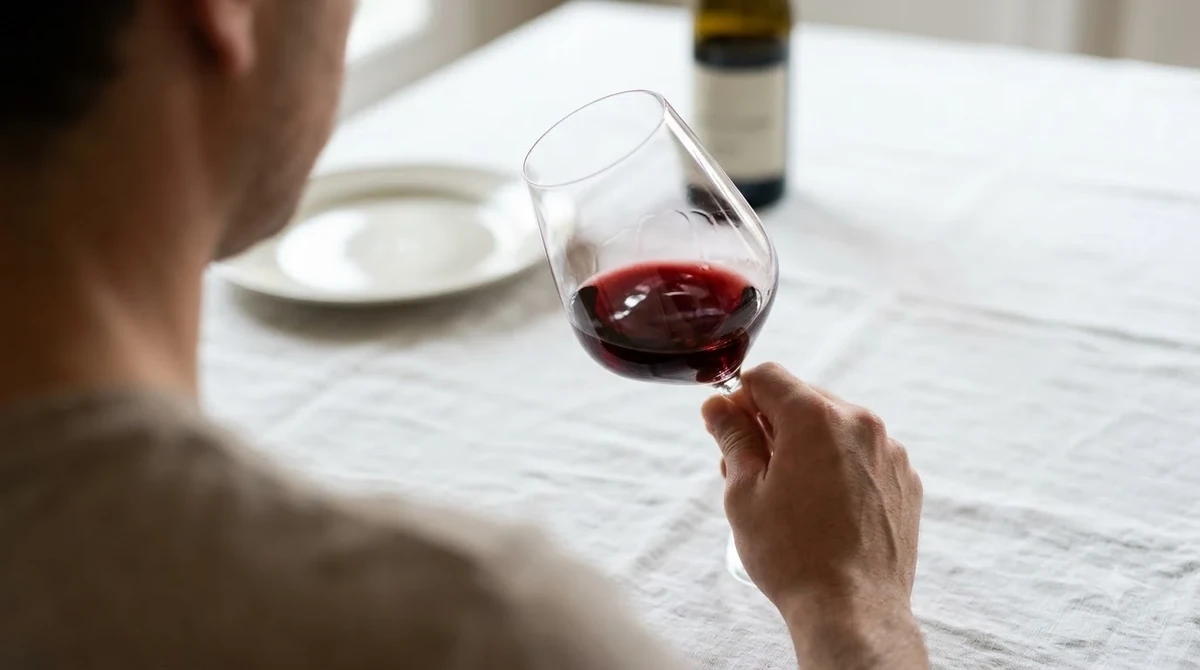
Dry reds pair well with grilled meats, roasted vegetables, and hard cheeses, because the tannin and acidity cut through fat. Lighter reds such as Pinot Noir suit salmon and mushroom dishes, while bolder styles work with steak or braised beef. If you are serving a sweeter red, try it with spicy food, where the sugar balances heat.
For a comparison with white wines that stay dry on the palate, see our guide to organic white wine. If you prefer a fruit-forward pink, our sweet rosé guide explains the other end of the range.
Frequently Asked Questions
Are most red wines low in sugar?
Yes. Most table reds are fermented until nearly all of the grape sugar becomes alcohol, so they fall in the dry range of 4 grams per liter or less under the OIV standard.
Which red wine is the driest?
Dry red styles vary by grape and producer, so no single variety is always the driest. Look for tart, firm reds with good acidity and a dry label, and avoid bottles described as jammy or dessert-style.
Does a dry red wine taste sweet?
It can. Ripe fruit, high alcohol, and oak can make a dry red feel rounder or sweeter. Acidity and tannin do the opposite and make a wine taste drier. Tasting the wine with food, rather than alone, often shows how dry it really is, because fat and salt bring out the acidity.
Is sparkling red wine usually sweet?
Not always. Some sparkling reds, such as certain Lambrusco styles, are made sweet, but many are labeled dry or secco. Check the label or the producer’s description before buying.
Low sugar red wine is easier to find than the search results suggest, because most reds are dry from the start. Learn the g/L scale, read the style words on the label, and pay attention to acidity and alcohol. Those three clues will steer you toward a red that tastes the way you expect, whether you are choosing a bottle for a weeknight dinner or a holiday table. For more buying tips, browse our dry champagne guide or the Wine Buying Guides hub.
More in Wine Buying Guides
 Riesling Gift: Choose a Bottle They’ll LoveUpdated Nov 21, 2026
 Sweet Red Wine Gift: Choose a Bottle They’ll LoveUpdated Nov 21, 2026
 Malbec Gift: How to Choose a Memorable Bottle for Any OccasionUpdated Nov 21, 2026
 Sherry Gift Ideas That Match Every Wine LoverUpdated Nov 21, 2026
 Moscato Gift: How to Choose a Sweet Wine They’ll LoveUpdated Nov 21, 2026
 Merlot Gift: How to Choose a Bottle They’ll AppreciateUpdated Nov 21, 2026