

We may earn a commission when you buy through links on this page, at no extra cost to you. Learn more.
Cotes du rhone food pairing is easiest when you match the wine’s body, fruit, and tannin to the weight of the dish: red blends suit grilled meats and savory comfort food, while white and rosé styles work with seafood, poultry, and vegetables. Grenache-led reds bring ripe berry flavors and warmth; Syrah and Mourvèdre add pepper, structure, and savory notes. The best match is usually a dish with similar intensity, enough seasoning to meet the wine, and no ingredient that overwhelms its balance.
Côtes du Rhône is an appellation, not a single grape or fixed recipe. That gives the name a useful range at the table, from juicy weeknight reds to more structured blends, aromatic whites, and fresh rosés. Start with the color and style in your glass, then refine the match by considering the main ingredient, cooking method, sauce, and seasoning.
Understand the Style Before Choosing the Dish
Côtes du Rhône wines share a regional identity, but they do not all taste alike. The appellation covers 172 communes across six French departments and permits 27 grape varieties, so blend and growing area matter.
The key red grapes are Grenache, Syrah, and Mourvèdre. The regional wine body describes Syrah as more dominant in the north, while Grenache and Mourvèdre are more prevalent in the south. Grenache contributes ripe berry fruit and generous texture; Syrah brings darker fruit, pepper, and structure; Mourvèdre adds color and savory herbal notes. Carignan and Cinsault may also appear.
That blend of fruit and structure makes the reds food-friendly but varied. A juicy, Grenache-led bottle suits burgers, roast chicken, or pizza; a more Syrah- or Mourvèdre-driven blend is better with lamb, braised beef, and sausages. For a useful framework, see this Wine Pairing overview. Whites can be floral and rounded or fresh and mineral, while rosés bring berry notes and freshness. The regional wine body’s overview of Rhône grape varieties and terroirs explains why neighboring areas can produce different styles. Northern vineyards include steep slopes and a more continental climate; the southern zone has a more Mediterranean character and a wider mix of hills, plains, and terraces. Those differences help explain why one regional label can cover both fresher and riper reds.
Pair Red Côtes du Rhône with Lamb, Beef, and Grilled Foods
Red Côtes du Rhône pairs naturally with meat that has browned edges, herbs, or a savory sauce. Grenache fruit complements grilled flavors, while Syrah and Mourvèdre provide structure for lamb chops, beef skewers, and sausages.
For roast lamb, choose a medium- to full-bodied red with ripe fruit and moderate tannin. Garlic, rosemary, thyme, and black pepper echo the wine’s savory notes. Slow-cooked shoulder can take a fuller, mature blend; grilled chops often suit a fresher red. Decanter’s discussion of wine with lamb also points to the fit between Grenache blends and Mediterranean herbs.
Match beef to the wine’s weight. A burger with caramelized onions, aged cheddar, and a peppery crust suits a juicy red; grilled ribeye or braised short ribs call for a more substantial blend. Keep steak sauces savory: peppercorn, mushrooms, and slow-cooked onions echo the wine’s spice and dark fruit.
Pork chops with fennel, garlic, and herbs suit medium-bodied reds, while smoky sausages can meet the grip of a Syrah-rich blend. For barbecue, choose tomato, mustard, or herb sauces over very sweet glazes. If the wine is tannic, olive oil, meat fat, or a creamy side softens its astringency. For a special meal, a concentrated southern Rhône red can be treated like a richer neighboring appellation. The general Châteauneuf du Pape food pairing approach—matching ripe fruit and savory intensity to slow-roasted meat, herbs, and substantial sauces—can help with powerful bottles. Venison stew, duck legs, and grilled beef kebabs are also good options, especially with rosemary, juniper, or black pepper.
Choose Comfort Foods, Poultry, and Vegetables for Everyday Reds
A lighter, fruit-forward Côtes du Rhône red suits familiar dishes with tomatoes, browned cheese, roasted vegetables, or herbs. Keep the food savory and flavorful enough to stand beside the wine.
Pizza with tomato sauce, mushrooms, sausage, olives, roasted peppers, or mozzarella is a reliable match. Tomato acidity refreshes the wine, while salty toppings and cheese soften tannin. A margherita suits a soft, fruit-led red; sausage or charred mushrooms call for more structure. For pasta, try ragù, baked ziti, lasagna, or penne with roasted eggplant. A strongly tannic red can dominate delicate cream sauces.
Roast chicken with lemon zest, garlic, thyme, and olive oil suits a medium-bodied red. Chicken thighs can stand up to Grenache and Syrah, while grilled breast is better with a lighter red or white Côtes du Rhône. Pork tenderloin with sage, apple, and mustard also works if the apple is not turned into a sweet glaze.
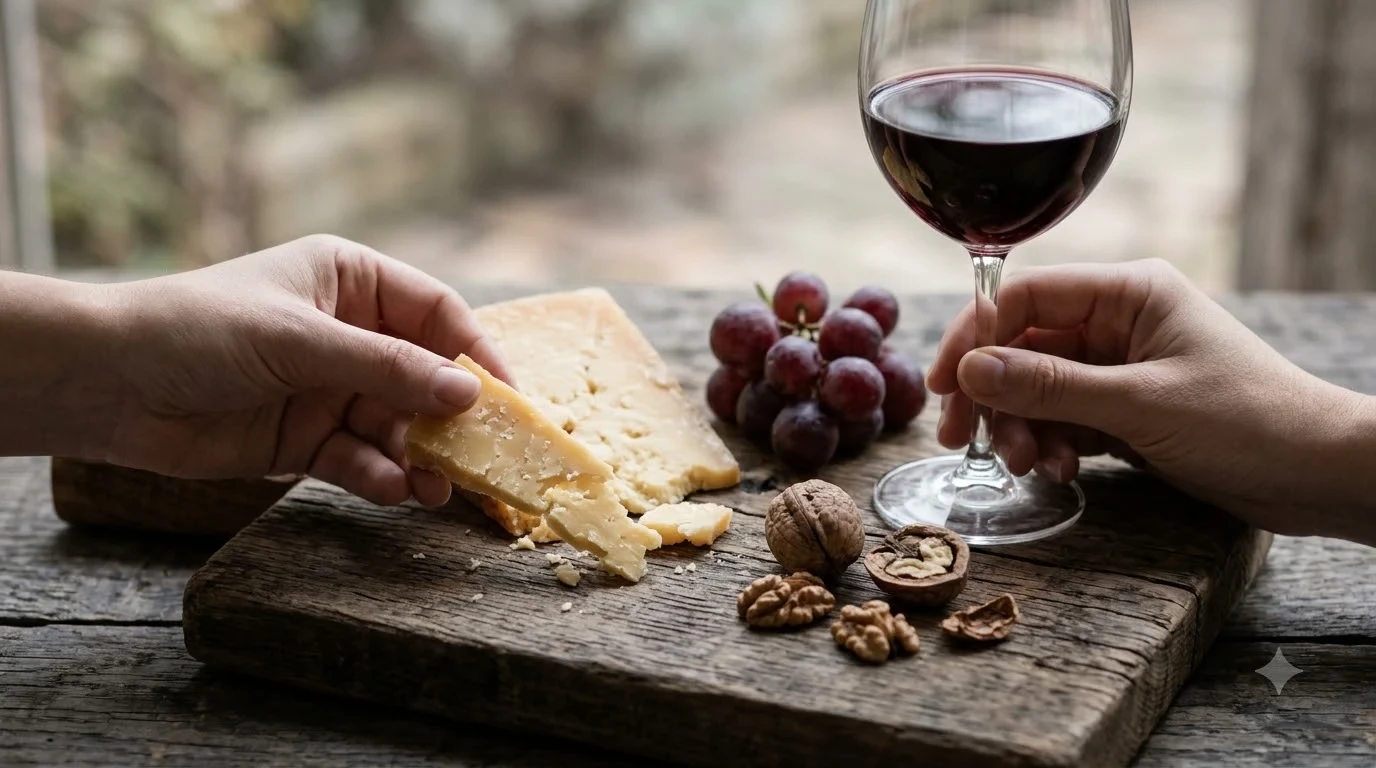
Vegetarian options include roasted eggplant with tomato and chickpeas, lentil stew, mushroom burgers, and grilled zucchini with aged cheese. Mushrooms and lentils meet Syrah’s savory notes; charred peppers echo ripe fruit. For cheese, choose aged Gouda, Comté, or cheddar with olives and roasted nuts. Delicate fresh cheeses are better with white or rosé. When comparing Côtes du Rhône with a richer Italian red for braised beef, consider the sauce as well as the meat: an Amarone food pairing often leans toward deeply savory preparations, while fresher Rhône reds suit tomato, herbs, and acidity.
Serve White and Rosé Côtes du Rhône with Lighter Plates
White Côtes du Rhône suits dishes where red wine would bring too much tannin or weight. Floral aromas, stone fruit, rounded texture, and mineral freshness make it useful with seafood, poultry, creamy sauces, and vegetables.
For grilled fish, choose a white with freshness and enough body for the texture. Sea bass, trout, halibut, and cod suit lemon, olive oil, parsley, or fennel. Shrimp, scallops, and mussels work with aromatic whites, particularly with garlic, herbs, or a little cream. Avoid heavy vinegar, smoke, or sweet glazes that flatten the wine.
White Côtes du Rhône also works with turkey, pork tenderloin, mushrooms, and mild cheeses. Roast chicken with preserved lemon suits a rounded white; pork with apple, sage, and mustard needs enough texture in the wine. Choose a fuller white for cream sauce so its body meets the dish.
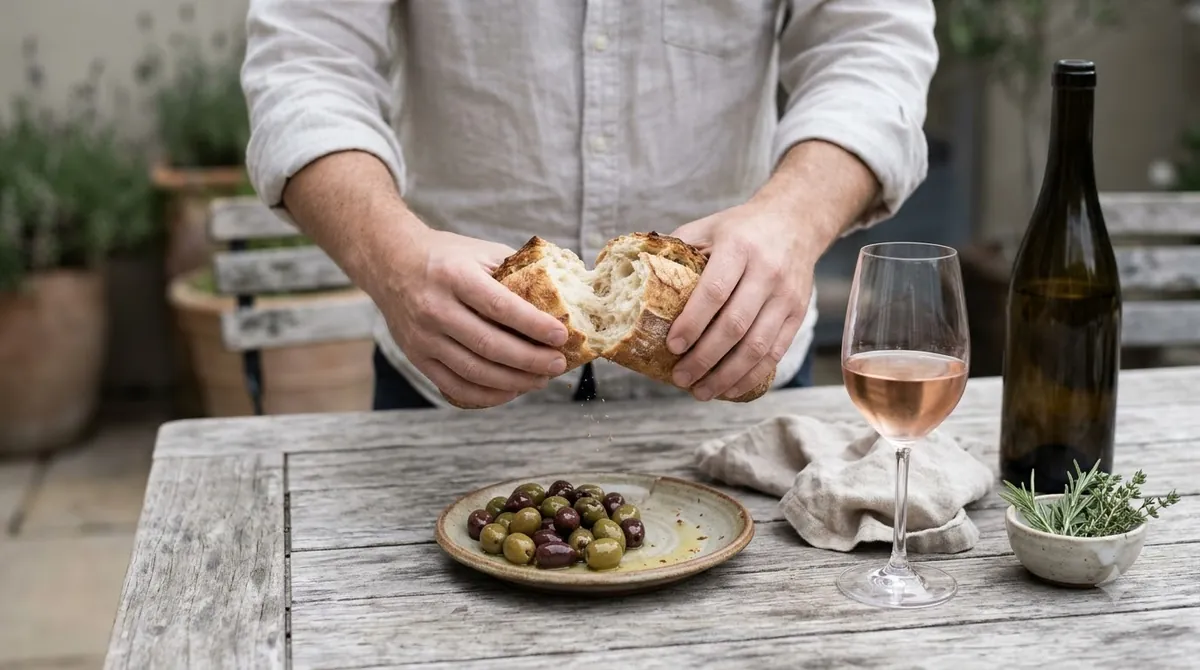
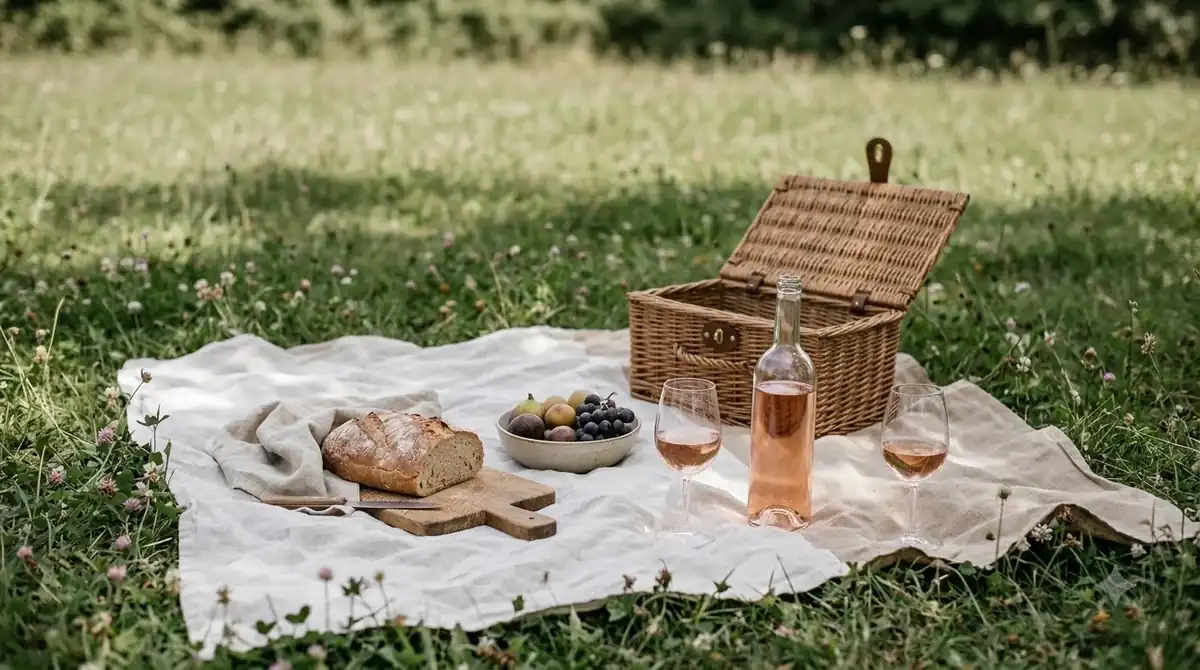
Rosé’s red-berry flavors suit grilled shrimp, salmon burgers, Niçoise-style salads, chicken skewers, ratatouille, and cold roast pork. Dry rosé also works with picnic foods and charcuterie, bringing flavor without red-wine tannin. For briny seafood, crisp Albariño is another option; see this Albariño food pairing guide for comparison. Avoid oily fish with a strongly tannic red, which can seem metallic or harsh; use white or rosé instead. For a mixed table, pour rosé with the first course and red with grilled meat, while keeping white for fish or poultry. A delicate fish with buttery sauce may need a fuller white; grilled vegetables with garlic and char can stand up to dry rosé.
Match Sauces, Spices, and Texture to the Wine
Sauces and seasoning can decide whether a pairing feels balanced. Côtes du Rhône’s ripe fruit and savory spice are adaptable, but excessive sweetness, heat, or acidity can push the wine out of balance.
Acid is a useful guide. Tomato sauce, vinaigrette, or lemon dressing needs a wine with equal or higher acidity, or the wine can taste dull. A fresh white or rosé suits citrus-dressed seafood and salads; with red, keep tomato sauce fresh but not overly vinegary. Salt and fat soften tannin, so a structured red can work with lamb, steak, aged cheese, or sausages, yet feel stern beside lean poached chicken. Olive oil, butter, or Parmesan add texture without making the meal heavy. A salty, cured meat board can be easier with red than lean grilled turkey. If the wine’s finish feels firm and drying, add richness or choose a more substantial main course.
Chili heat needs care because alcohol and tannin can amplify the burn. For very spicy food, choose a lower-tannin rosé or white, moderate the heat, or add cooling yogurt, cucumber, or avocado. Harissa, smoked paprika, and black pepper are easier to pair than intense fresh chili. Smoky roasted peppers provide flavor without relying on extra heat. Wine should also be at least as sweet as dessert, so dry Côtes du Rhône is not a reliable match for very sweet cakes, fruit tarts, or chocolate. Finish with cheese, nuts, or savory pastry, or choose a wine made in a sweet style.
Cooking method matters: grilling adds char, roasting concentrates juices, and braising builds a rich sauce. Fresh red suits grilled sausages and vegetables; a deeper blend suits stew or lamb shoulder. Poached or steamed dishes usually favor white or rosé.
Serve at the Right Temperature and Plan the Table
Temperature helps Côtes du Rhône taste fresh and balanced. The regional wine body recommends 57–63°F for red and 50–55°F for white; rosé should be cool rather than icy.
Warm room temperature can make a southern Rhône red seem hotter and heavier. Refrigerate the bottle for about 20 minutes before serving. Take white wine out around 20 minutes before dinner, and keep rosé cool enough to refresh without masking its fruit.
| Wine style | Serving temperature | Food direction | Practical cue |
|---|---|---|---|
| Red Côtes du Rhône | 57–63°F | Lamb, beef, sausage, tomato pasta | Chill briefly before pouring |
| White Côtes du Rhône | 50–55°F | Fish, shellfish, poultry, creamy sauces | Remove from refrigerator before serving |
| Dry Côtes du Rhône rosé | 45–50°F | Salads, shrimp, grilled vegetables, pork | Keep cool, not icy |
Plan a multi-course meal by weight: start with rosé or white for seafood, salad, or vegetables, then serve red with lamb, beef, or roast poultry. A 750 ml bottle provides about five standard 5-ounce pours. For a four-person dinner with two courses, one bottle may be enough when guests are having a single glass, but plan a second bottle when the main course is the focus or people may want a refill. Use a smaller pour for the tasting course and refill only once the next dish is on the table.
Tip: If the red tastes alcoholic or heavy, give it a short chill rather than serving it warmer. If the white seems muted, let it warm slightly in the glass before deciding that the wine lacks aroma.
Decanting is optional for everyday Côtes du Rhône. A young, full-bodied red may benefit from 30 to 60 minutes in a decanter; a fresh, simple red can go straight to the table. Do not overfill glasses, leaving room for aromas to gather. If a bottle is left after dinner, close it securely and refrigerate it, even when it is red; take the next pour out briefly before serving so it is no longer refrigerator-cold.
Frequently Asked Questions
What does GSM mean on a Côtes du Rhône wine description?
GSM is shorthand for Grenache, Syrah, and Mourvèdre, the three principal grapes associated with many southern Rhône red blends. The letters describe the grape family, not a fixed percentage formula, and the final proportions can vary from producer to producer.
What is the difference between Côtes du Rhône and Côtes du Rhône Villages?
Côtes du Rhône Villages sits one level above the regional Côtes du Rhône appellation in the local appellation hierarchy. Some Villages wines also name a specific village, which points to a more narrowly defined origin than the broad regional designation.
What are galets roulés in the southern Rhône?
Galets roulés are smooth, rounded stones deposited by the Rhône River and found in parts of the southern vineyard landscape. They are a distinctive feature of some terraces and are different from the sandy, limestone, and clay soils also present across the appellation.
Which grapes can appear in white Côtes du Rhône?
White blends may include Grenache Blanc, Clairette, Bourboulenc, Viognier, Marsanne, and Roussanne. These varieties give producers different ways to build floral aroma, body, freshness, and texture in the finished wine.
How long can an opened bottle of still Côtes du Rhône keep?
Most opened still wines are best kept in the refrigerator and consumed within about three to five days. Re-cork the bottle or use a tight wine stopper, and bring a red back toward serving temperature before pouring it again.
The most reliable Côtes du Rhône match starts with the wine’s weight and the dish’s strongest flavor, not with a rigid list of rules. Choose red for savory grilled and roasted foods, white for seafood and richer poultry dishes, and rosé for fresh, herb-driven meals. Keep the wine cool, season the food thoughtfully, and let the sauce guide the final decision.
More in Food & Wine Pairing
 Risotto With White Wine Recipe: Make a Creamy Dinner at HomeUpdated Nov 20, 2026
 Wassail With Wine Recipe for a Festive Spiced Holiday DrinkUpdated Nov 20, 2026
 Spritz Veneziano Recipe: Make a Classic Venetian Aperitivo at HomeUpdated Nov 20, 2026
 Summer Wine Punch Recipe for Easy Homemade EntertainingUpdated Nov 20, 2026
 Bishop Recipe: How to Make a Bright, Citrus-Forward Red Wine CocktailUpdated Nov 20, 2026
 Wine Cupcakes Recipe: Bake Rich Chocolate Cupcakes at HomeUpdated Nov 20, 2026