

We may earn a commission when you buy through links on this page, at no extra cost to you. Learn more.
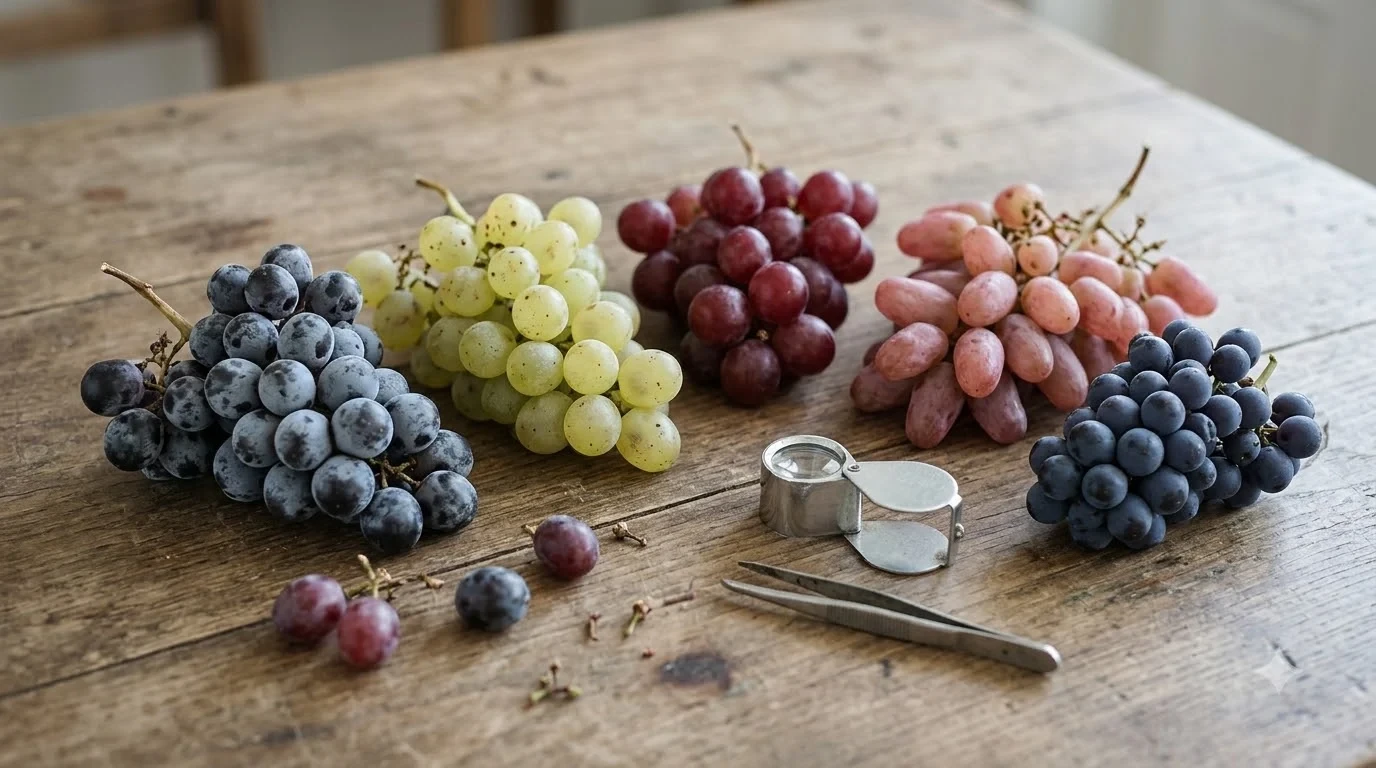
Minnesota wine is made mostly from cold-hardy grapes that can survive long, frozen winters, and the state now has more than 70 commercial wineries. Many of those grapes were bred at the University of Minnesota and by growers who needed vines that would come back year after year in a northern climate. The result is a wine scene built around hybrids such as Frontenac, St. Croix, and Marquette, with whites and reds that often surprise visitors who expect only California or France.
This guide covers how Minnesota wine developed, which grape varieties define its style, how the winters shape vineyard work, and what to look for when you buy or visit. If you are comparing regions, the Arizona wine and Calistoga vineyards guides show how warm-climate regions take a very different approach to the same basic task of growing grapes.
How Minnesota Wine Developed
Winemaking in Minnesota began long before the modern wine industry. Dakota and Ojibwa peoples relied on the state’s hardy wild grapes, and after the Civil War European immigrants began crossing native grapes with domestic Vitis species. Plant breeders at the University of Minnesota were working on these crosses in the late 1800s and early 1900s, and the university produced four hybrid varieties in 1944.
The industry moved slowly after Prohibition. After Prohibition ended, the Old Sibley House Winery in West St. Paul received Minnesota’s first winery license, and it operated until 1949. The modern era began much later. The first recorded commercial vineyard was planted in 1973 at Alexis Bailly Vineyard in Hastings, and Northern Vineyards Winery opened in 1977. In 1978, Alexis Bailly produced the first commercial wine made entirely from Minnesota grapes, a milestone that signaled the state could support a serious wine industry of its own.
The Grape Varieties That Define the Style
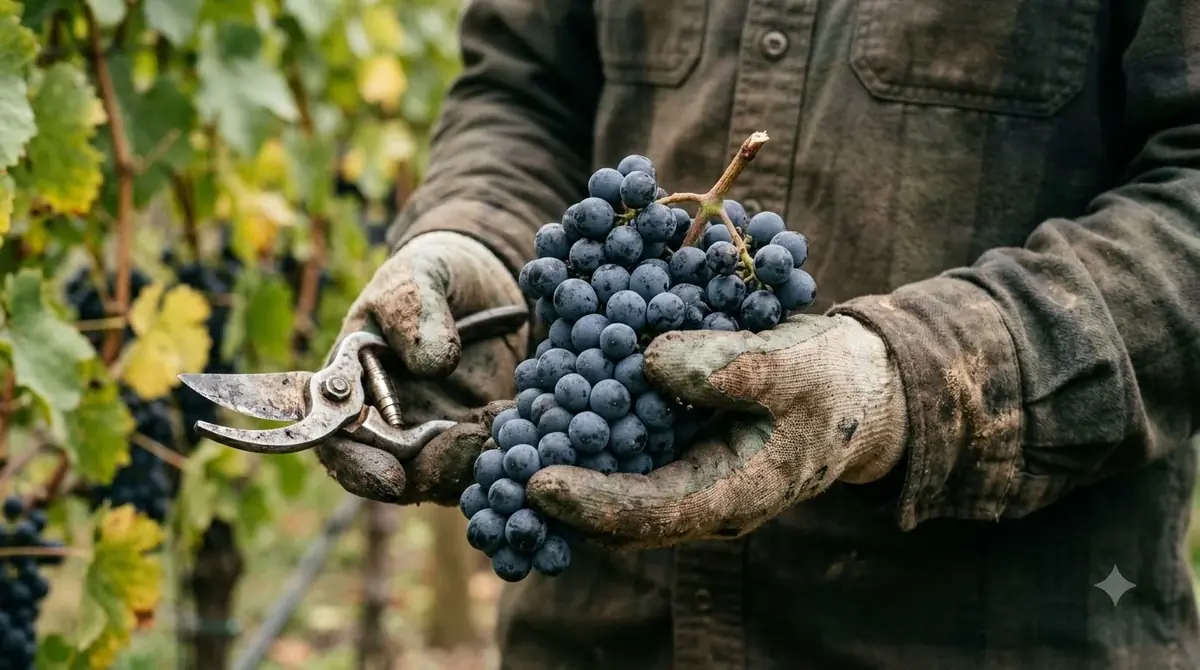
Most Minnesota vineyards rely on grapes bred for cold tolerance rather than classic European Vitis vinifera. Elmer Swenson, a breeder whose work became central to the state’s industry, developed commercially successful varieties including Edelweiss and St. Croix. The University of Minnesota oenology program released Frontenac in 1995 and continues to research new hybrids. Other varieties commonly listed for the region include La Crosse, La Crescent, Marquette, St. Pepin, Vignoles, Seyval blanc, and Vidal blanc.
These grapes produce a range of styles. Many whites are crisp and fruit-forward with bright acidity, and some are off-dry, which can suit people who like a little sweetness in a glass of wine. Reds tend to show dark fruit and a structure that works well with food. Because each variety has its own character, a tasting flight is often the best way to see how a single winery approaches its lineup.
| Variety group | Examples named in the region | What to expect in the glass |
|---|---|---|
| Cold-hardy whites | La Crescent, Edelweiss, Vignoles, Seyval blanc | Crisp, fruity, and often refreshing with bright acidity |
| Cold-hardy reds | Frontenac, Marquette, St. Croix | Dark fruit, moderate tannin, and a food-friendly structure |
| Vidal blanc | Vidal blanc | Light, fresh, and frequently made in an easy-drinking style |
Growing Grapes in a Northern Climate
Minnesota’s winters are severe, and many vines have to be buried under soil to survive. That extra step adds labor every year and explains why growers choose their varieties carefully. Hardiness is only one factor, since the growing season also needs enough warmth to ripen fruit before the first frost. Vineyard managers in the state have had to balance those needs with disease pressure during wet summers.
The state’s wine geography reflects these conditions. Minnesota falls within the Upper Mississippi River Valley AVA, and the smaller Alexandria Lakes AVA is a designated area within the state. A winery’s site within the state often shapes which grapes it chooses to plant, so the same variety can be a better fit in one county than another.
Growth of the Industry and Its Recognition
Minnesota had three wineries in 1997. Today the state counts more than 70 commercial wineries, a change that reflects both new farm-based businesses and the appeal of local wine to visitors. The Minnesota Wine & Grape Alliance, which describes itself as a source of resources and support for grape growers across the state, works alongside the industry, and it is part of a wider network that supports cold-climate viticulture.
A notable part of that network is the International Cold Climate Wine Competition, run by the grape growers association together with the University of Minnesota. It is described as the only competition dedicated solely to quality wines made mainly from cold-hardy grapes. In 2014, 284 wines from 59 wineries in 11 states were entered, a sign that cold-climate wine has become a serious category rather than a regional curiosity.
How to Taste Minnesota Wine
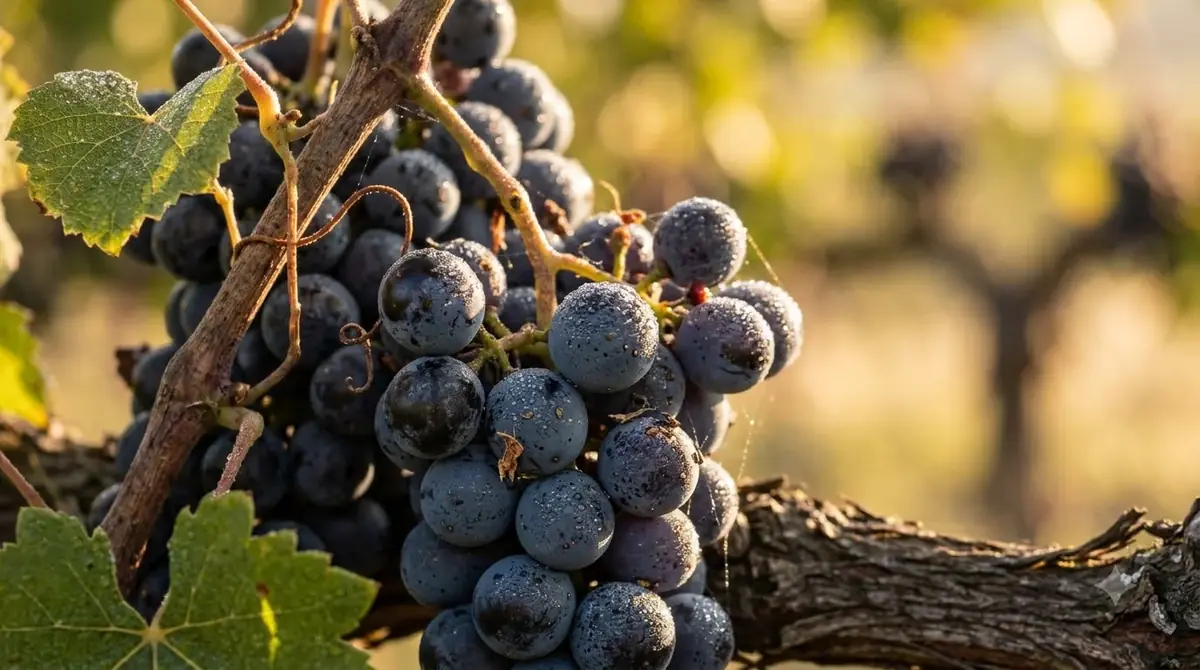
When you taste Minnesota wine, start with a white made from a cold-hardy variety such as La Crescent or Vignoles, then move to a red such as Frontenac or Marquette. Those two styles show how much the region’s grapes differ from the classic European wines most people learn about first. Ask the staff about the vintage, the grape, and whether the wine was made dry or with some residual sugar. Those details explain much of what you taste.
Serving temperature matters as well. Chilled whites tend to show their acidity and fruit, while reds are often best slightly cooler than room temperature. If you are new to cold-climate wine, a short introduction to grape styles on this site can help. The wine regions guide explains how climate and soil shape regional character, which applies directly to Minnesota’s hardy-grape tradition.
Tip: Many Minnesota tasting rooms are small, family-run, and located on farms or in towns. Check opening days before you go, since some operate mainly on weekends and during the busy season.
Who Minnesota Wine Suits Best
Minnesota wine suits people who enjoy discovering new grapes and who like wines with fresh fruit and lively acidity. It is also a good choice for visitors who want to support local agriculture, since many wineries grow part or all of their fruit in-state. Wine lovers who prefer big, oak-heavy Cabernet from warm regions may find the style different, but they often enjoy the freshness and food-friendly structure once they adjust their expectations.
For a first visit, pick two or three wineries that describe their grapes clearly and focus on the varieties you want to learn. A short tasting flight from each stop gives a better sense of the state’s range than a single bottle does, and it helps you decide which styles you want to take home.
Frequently Asked Questions
What is the most important grape in Minnesota wine?
There is no single dominant grape, because the industry depends on cold-hardy varieties. Hybrids such as Frontenac, St. Croix, and Marquette are among the best known, along with whites such as La Crescent and Vignoles.
Why do Minnesota vineyards bury their vines?
Minnesota’s winters are very cold, so many vines must be covered with soil to protect them from freezing. This labor-intensive step is one reason growers choose hardy varieties carefully.
How many wineries are there in Minnesota?
The state now has more than 70 commercial wineries. In 1997 it had only three, so the industry has grown considerably in the last few decades.
Is Minnesota wine a good choice for beginners?
Many beginners enjoy Minnesota wine because its fruit-forward whites and food-friendly reds are approachable. Tasting flights at a few different wineries are a practical way to see which styles you prefer.
Minnesota wine rewards curiosity. Its grapes were built for a hard climate, and the best way to understand them is to taste them side by side. Choose a few wineries, try the cold-hardy whites and reds, and use the wine regions guide to compare the style with wines from other parts of the country.
More in Wine Regions
 Willcox Wine Trail: Discover Arizona’s High-Elevation Wine CountryUpdated Nov 20, 2026
 Yakima Valley Wine Region: Find the Best Styles to TryUpdated Nov 20, 2026
 Vosne Romanee Wine Tasting: Identify Aromas and Choose Better PairingsUpdated Nov 20, 2026
 Yakima Valley Wine Festival: Find the Best Seasonal Wine EventsUpdated Nov 20, 2026
 Wales Vineyards: Discover Cool-Climate Wines and Where to VisitUpdated Nov 20, 2026
 Yountville Wine Festival: Discover Napa Wines and Local FoodUpdated Nov 20, 2026