

We may earn a commission when you buy through links on this page, at no extra cost to you. Learn more.
Tisdale red wine is a California wine range with Cabernet Sauvignon, Merlot, Pinot Noir, Shiraz, and Sweet Red bottlings; the producer describes several of its reds as medium-bodied and fruit-forward. The best bottle depends on whether you prefer dark berry fruit and oak, softer red-fruit character, or noticeable sweetness. Cabernet Sauvignon, Merlot, and Pinot Noir have lower listed residual-sugar figures than Sweet Red. Comparing the grape and the producer’s published alcohol and sugar data makes the choice easier.
Tisdale is part of the E. & J. Gallo Winery portfolio, and its official wine pages describe the range as California varietal wines.
What Tisdale Red Wine Is and Where It Comes From
Tisdale red wine is a branded California range rather than the name of one grape or one fixed blend. The producer’s lineup identifies several separate red styles, so the grape named on the front label is the best starting point for understanding the bottle.
The Tisdale wine range lists Cabernet Sauvignon, Merlot, Pinot Noir, Shiraz, and Sweet Red among its wines. The same portfolio also includes several white styles, which means the brand covers more than red wine. The official site identifies the bottlings as wines of California rather than assigning them a narrower appellation.
Tisdale is included in the E. & J. Gallo Winery portfolio. Gallo’s brand page refers broadly to California valley vineyards and Sierra Mountain vistas, but does not assign every Tisdale red to a named vineyard or American Viticultural Area. For a quick look at the producer’s own description, see the Tisdale Vineyards portfolio page. For details on the Cabernet bottling, Tisdale’s Cabernet Sauvignon page lists its flavor notes and composition figures.
The brand is positioned around accessible, straightforward varietal styles. For broader context on how labels group wines by producer and grape, see our overview of Wine Brands. A Tisdale Cabernet offers a Cabernet-based experience, while Merlot and Pinot Noir have their own fruit and tannin profiles. The range is not one house blend, and its red bottles do not share one sweetness, body, or alcohol level.
How the Cabernet, Merlot, Pinot Noir, and Sweet Red Differ
The lineup offers distinct choices: Cabernet Sauvignon for dark fruit and oak, Merlot for softer berries, Pinot Noir for red fruit and gentler tannins, and Sweet Red for noticeable sweetness. Shiraz is also listed as a California red, though the producer gives fewer details for it.
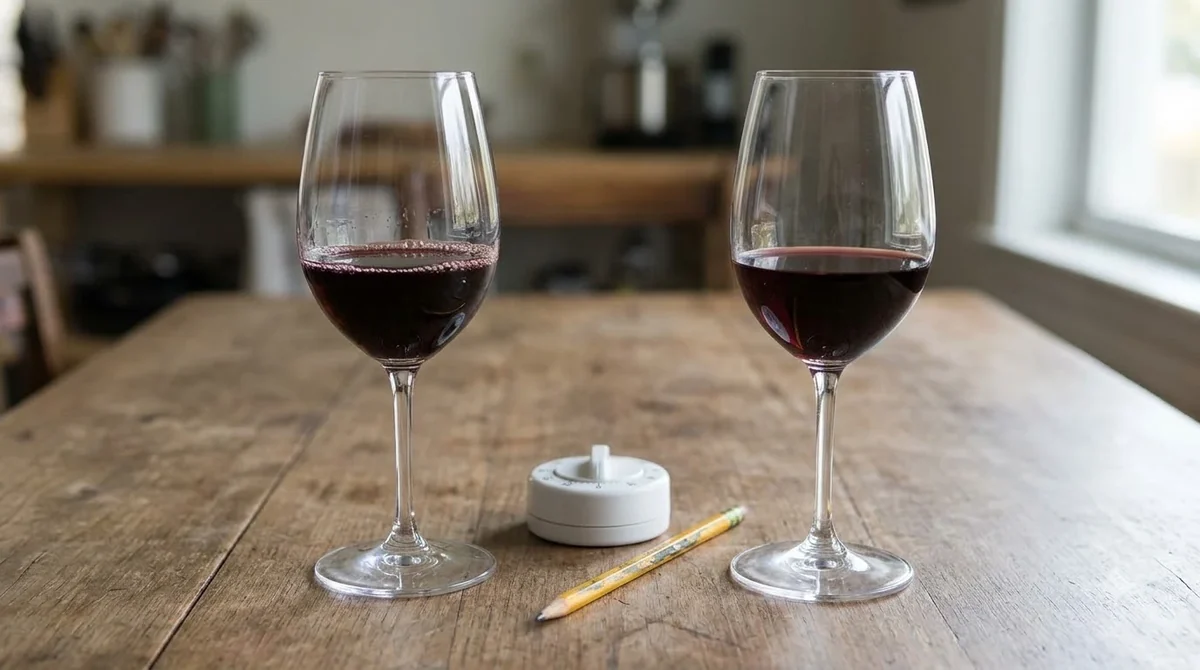
Cabernet Sauvignon generally has high tannin and often feels firmer than Merlot or Pinot Noir. Tisdale describes its Cabernet as medium-bodied, with blackberry and plum flavors, vanilla and toasted-oak aromas, and a lingering finish. Its stated alcohol level is 12%.
Merlot is a good alternative for drinkers who want dark fruit without the firmer grip commonly associated with Cabernet. Tisdale describes black cherry, mixed berries, and spicy oak in a medium-bodied wine, also at 12% alcohol. Merlot generally has medium, softer tannins, so it can feel rounder than Cabernet. Pinot Noir moves in a different direction: Tisdale lists cherries and red plum, medium body, soft tannins, and a hint of brown spice. Its stated alcohol is 12.5%, the highest of the four styles with published figures in this comparison, although that number alone does not make it the fullest-bodied wine.
Sweet Red is the clearest option for anyone actively looking for residual sweetness rather than a dry-table-wine profile. The official description highlights black cherry and raspberry jam, a velvety finish, and a medium body. At 10% alcohol and 4.3 grams of residual sugar per 100 milliliters, it differs markedly from the Cabernet, Merlot, and Pinot Noir figures. Tisdale recommends serving it chilled with spicy food or barbecue, which makes it a practical choice for casual meals where a softer, sweeter red is welcome.
Flavor and Aroma Notes in Each Tisdale Red
Expect ripe fruit to be the common thread, but the specific fruit, oak impression, and tannin level vary by grape. The producer’s notes are most detailed for Cabernet Sauvignon, Merlot, Pinot Noir, and Sweet Red, so those descriptions provide the clearest basis for comparing the bottles.
In Cabernet Sauvignon, look for blackberry and plum, with vanilla and toasted oak on the aromatic side. Cabernet naturally has high tannin, but Tisdale describes this bottling as medium-bodied, not especially dense.
The Merlot description shifts from blackberry-like dark fruit toward black cherry and mixed berries, with spicy oak. Its medium body and softer varietal tannin make it a sensible choice for people who find Cabernet too firm. The Pinot Noir is brighter in fruit terms, with cherry and red plum, soft tannins, and a hint of brown spice. That fits Pinot Noir’s familiar lower-to-medium tannin and good-acidity profile, though Tisdale does not publish a numerical acidity figure.
Sweet Red has a more confectionery fruit description: black cherry and raspberry jam, with a velvety soft finish. Jam-like aromas can make a wine seem sweeter even before residual sugar is considered, so it is useful to distinguish ripe fruit flavor from actual sugar content. The producer lists a higher residual-sugar figure for Sweet Red than for the other red wines compared here. Shiraz, by contrast, should not automatically be assigned the same tasting notes as the Cabernet or Merlot; the grape can bring darker fruit and peppery character, but Tisdale’s current range page does not provide a specific profile for this bottling.
Alcohol, Residual Sugar, and What the Numbers Mean
The clearest published numbers show that the four red wines do not share one alcohol level or one sweetness profile. Tisdale lists both alcohol and residual sugar for these individual wines, making it possible to compare them directly without guessing from color or grape name.
| Tisdale red | Alcohol by volume | Residual sugar | Producer’s style description |
|---|---|---|---|
| Cabernet Sauvignon | 12% | 0.9 g/100 ml | Medium body; blackberry, plum, vanilla, toasted oak |
| Merlot | 12% | 1.0 g/100 ml | Medium body; black cherry, mixed berries, spicy oak |
| Pinot Noir | 12.5% | 1.03 g/100 ml | Medium body; cherry, red plum, soft tannins, brown spice |
| Sweet Red | 10% | 4.3 g/100 ml | Medium body; black cherry, raspberry jam, velvety finish |
The Sweet Red’s listed residual sugar is substantially higher than the other three figures, which supports its place as the sweetest option in this comparison. Cabernet, Merlot, and Pinot Noir sit much closer together numerically. The figures are useful comparisons, but acidity, tannin, fruit ripeness, serving temperature, and food also affect perceived sweetness.
Alcohol percentage is a clue, not a rating of quality or body. These producer-listed figures range from 10% for Sweet Red to 12.5% for Pinot Noir. For comparison, anyone reading alcohol figures across a wider range of wine types can use the same approach described in our article on Black Box Pinot Grigio alcohol content: compare the stated number on the specific wine rather than relying on a general assumption about the brand.
Tip: Use the producer’s residual-sugar figure to compare Tisdale’s styles, but do not treat sugar alone as a full sweetness score. The 4.3 g/100 ml listed for Sweet Red is a much stronger sign of a sweet style than the roughly 0.9 to 1.03 g/100 ml figures listed for the Cabernet, Merlot, and Pinot Noir.
Food Pairings for Tisdale Red Wine
Match food to the wine’s weight, tannin, and sweetness rather than pairing every red with steak. Tisdale’s own suggestions include grilled meats and pasta for Cabernet, salads and pasta for Merlot, creamy pasta and spicy chicken for Pinot Noir, and spicy dishes or barbecue for Sweet Red.
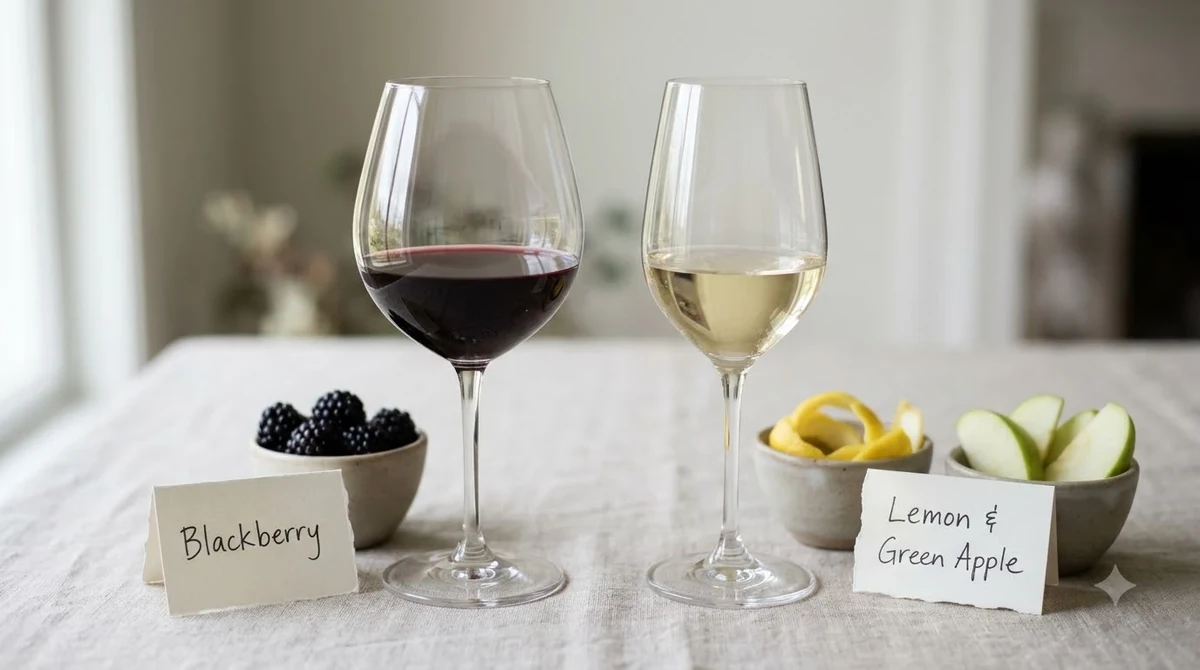
Cabernet Sauvignon generally has high tannin, so it works best with foods that have enough protein, fat, or savory richness to soften that grip. Tisdale suggests pasta and grilled meats; grilled beef, a burger, or a tomato-based meat sauce can make practical matches.
Merlot’s softer, medium tannins give it a wide range of everyday pairings. The producer mentions salads, pasta, and grilled meats; other options include roast chicken, turkey, mushroom pasta, pizza, or mild cheeses. If the salad has a sharp vinaigrette, make sure the wine has enough freshness to keep up: acidic foods need a wine with equal or higher acidity, otherwise the wine can seem flat. Pinot Noir’s softer tannins and red-fruit character suit poultry, mushrooms, and creamy dishes. Tisdale specifically names creamy pasta, spicy chicken, and grilled salmon. Salmon is richer than lean white fish, so a lighter-tannin red is more suitable than a very tannic Cabernet or Syrah. Oily fish can clash with strongly tannic reds. For chili-forward food, remember that heat can become more pronounced alongside alcohol and tannin; moderate the chili or add a creamy, savory component.
Sweet Red suits barbecue sauce, smoky grilled food, or spicy dishes. Its jammy fruit and higher residual sugar can balance smoky, salty flavors and some chile heat, but a sweet wine should be at least as sweet as any dessert served beside it. It can also be served alongside mildly spicy barbecue, though very hot sauces may still make the alcohol seem more noticeable. Avoid matching it with a dessert that is substantially sweeter than the wine, since the wine may taste thin or sour by comparison.
Serving Temperature, Opening, and Storing the Bottle
Serving Tisdale red wine a little cooler than a warm room helps preserve fruit and keeps alcohol from dominating the aroma. For the lighter-to-medium-bodied reds in this range, a target of about 55–60°F is a useful starting point; Sweet Red is best lightly chilled because the producer specifically recommends serving it cold.
Cabernet and Merlot can be poured straight from a cool cellar or a short refrigerator chill, then allowed to open in the glass. Pinot Noir benefits from the same gentle chill, particularly if the room is warm. If a bottle has been stored at ordinary room temperature, place it in the refrigerator briefly before serving rather than pouring it warm. The aim is cool, not icy: excessive cold can mute aroma and make tannin seem more prominent. Sweet Red can spend longer in the refrigerator than the dry-style reds; pour a small glass and let it warm slightly if the fruit seems muted.
A standard 750-milliliter bottle provides about five 5-ounce pours. Reseal an opened still wine and keep it in the refrigerator; a practical general window is about 3–5 days, with fruit and freshness gradually fading.
Store unopened bottles on their side in a cool, dark place near 55°F when the closure and bottle design call for cork storage. A young, particularly full-bodied red may benefit from 30–60 minutes in a decanter, but Tisdale’s Cabernet is described as medium-bodied and does not automatically require that treatment. Pour a glass first; decant only if the wine seems tight.
Frequently Asked Questions
Does Tisdale make white wine as well as red?
Yes. The brand’s listed wines also include Chardonnay, Pinot Grigio, and White Zinfandel, alongside the red selections. The Tisdale white wine overview helps compare that side of the lineup. The white wines have their own producer descriptions and should not be assumed to share the red wines’ alcohol levels or flavor profiles.
Who owns the Tisdale wine trademark?
Tisdale Wines and the Tisdale Wines logo are identified on the brand’s trademark page as registered trademarks of E. & J. Gallo Winery. That legal statement is more specific than simply recognizing Tisdale as one of the names in Gallo’s wine portfolio.
Has Tisdale Cabernet Sauvignon been reviewed by a wine publication?
East Bay Express published a column about a 2005 Tisdale Cabernet Sauvignon. The writer described black-fruit, rose, and vanilla impressions, but also found that particular bottle lighter and sweeter than expected for Cabernet; it is a historical opinion about one vintage, not a guarantee of how every bottle tastes.
What bottle size appeared in an older Tisdale Merlot listing?
Wine.com’s archived 2007 Tisdale Merlot product page identifies the bottle as 750 milliliters and the region as California. That listing documents one older product entry, not a promise that every current Tisdale wine is sold in the same packaging.
Does an older Tisdale vintage mean the wine is made for long cellaring?
No. An archived listing for Tisdale Merlot 2007 shows that older vintages have appeared in retail catalogs, but that alone says nothing about the intended aging potential of current releases. The brand does not publish a specific long-term cellar recommendation for these red wines, so they are best approached as approachable bottles for near-term drinking unless the producer states otherwise.
Tisdale red wine is easiest to choose when you start with the grape and then compare the producer’s tasting and composition details. Choose Cabernet for dark fruit and oak, Merlot for softer berry notes, Pinot Noir for red fruit and gentler tannins, or Sweet Red for a more openly sweet style. Serve the bottle slightly cool, pair it with food of similar weight, and enjoy it for the style it is rather than expecting every red wine to behave alike.
More in Wine Brands
 Underwood Wine Price: Compare Bottles, Cans, and Pack SizesUpdated Nov 21, 2026
 Zenato Wine Price: Compare Styles and Choose the Right BottleUpdated Nov 21, 2026
 Zuccardi Wine Price: Compare Bottles and Find the Right RangeUpdated Nov 21, 2026
 Yellow Tail Moscato Review: Taste, Sweetness and Serving TipsUpdated Nov 21, 2026
 Wolf Blass Yellow Label Review: Choose Your Best StyleUpdated Nov 21, 2026
 Wolffer Estate Rose Review: Choose the Right Bottle for Your TableUpdated Nov 21, 2026