

We may earn a commission when you buy through links on this page, at no extra cost to you. Learn more.
Tisdale white wine comes in two main California styles, Chardonnay and Pinot Grigio: the Chardonnay offers pineapple, citrus, and vanilla-oak notes, while the Pinot Grigio has a lighter-bodied citrus profile. Both are designed for straightforward food pairing, but they differ in body, alcohol level, and the dishes that suit them best. Choose Chardonnay for a little more weight and an oak accent, or Pinot Grigio for a lighter pour with a refreshing finish.
Tisdale’s white wines are easiest to understand by looking at the individual bottlings rather than treating every white wine as interchangeable. The producer publishes tasting notes and label figures for Chardonnay and Pinot Grigio, which offer a practical starting point for choosing, serving, and pairing each bottle.
What Is Included in Tisdale’s White Wine Range?
Tisdale’s main white bottlings are Chardonnay and Pinot Grigio, both identified by the producer as California wines. Its wider lineup also includes Cabernet Sauvignon, Merlot, Pinot Noir, Shiraz, Sweet Red, and White Zinfandel, placing the two whites within a broader range of familiar varietal and table-wine styles.
The two whites have distinct roles. Tisdale describes its Chardonnay through pineapple, citrus fruit, and vanilla-oak aromas, while its Pinot Grigio is light-bodied, citrus-led, and refreshing on the finish. Those profiles point toward Chardonnay for meals with more texture and Pinot Grigio for lighter dishes where a fresh finish is welcome.
The producer identifies Tisdale Vineyards in Modesto, California, and describes the portfolio as California table wine. That gives a state-level origin, not a single vineyard, county, or American Viticultural Area. Retail selection can also vary by state and store, so a listed wine is not necessarily available in every market. The brand’s official wine lineup is the clearest place to confirm which varieties belong to the portfolio. A portfolio list is not a tasting chart: it confirms varietal names but does not, on its own, tell you the sweetness, body, or exact alcohol level of every product. For those details, the producer’s individual wine descriptions are more useful than extrapolating from its red or rosé varieties.
Tisdale Chardonnay: Pineapple, Citrus, and Vanilla Oak
Tisdale Chardonnay is the fuller-feeling of the two principal whites, with pineapple and citrus fruit supported by a vanilla-oak aroma. The producer lists it at 12 percent alcohol by volume and suggests serving it with salads, grilled fish, and lighter meats.

The pineapple and citrus notes give the wine a recognizable fruit character without requiring a complicated tasting vocabulary. Pineapple suggests ripe tropical fruit, while citrus supplies a brighter impression. Vanilla oak adds a different layer: it points to oak influence rather than another fruit flavor. The producer does not specify the type of oak, length of contact, or whether fermentation took place in barrel, so it is better to describe the aroma than to assign a detailed cellar method.
Chardonnay can vary considerably because climate and winemaking affect both fruit and texture. Wine Institute describes California Chardonnay generally as medium to full bodied, with moderate acidity and flavors that can include green apple, fig, and citrus; oak may contribute vanilla and toast. Wine Enthusiast explains that oak treatment can add vanilla and spice, while malolactic fermentation can create a buttery impression. Those are general Chardonnay possibilities, not tasting notes that should automatically be assigned to every Tisdale bottle.
For a practical expectation, think of Tisdale’s published profile as fruit first, with vanilla-oak aroma in support. The producer does not describe it as heavily buttery or intensely toasted. Its suggested pairings—grilled fish, salads, and lighter meats—also point toward moderate preparations rather than only rich sauces or heavily charred foods. A serving temperature of 50–55°F helps a fuller-bodied white retain freshness while allowing its fruit and oak character to show.
Tisdale Pinot Grigio: Citrus and a Lighter Finish
Tisdale Pinot Grigio is the lighter-bodied white in the range, with citrus fruit notes and a refreshing finish according to the producer. Its listed alcohol level is 11.5 percent by volume, slightly below the Chardonnay’s 12 percent, and the producer suggests fresh salads, light pasta dishes, and grilled chicken.
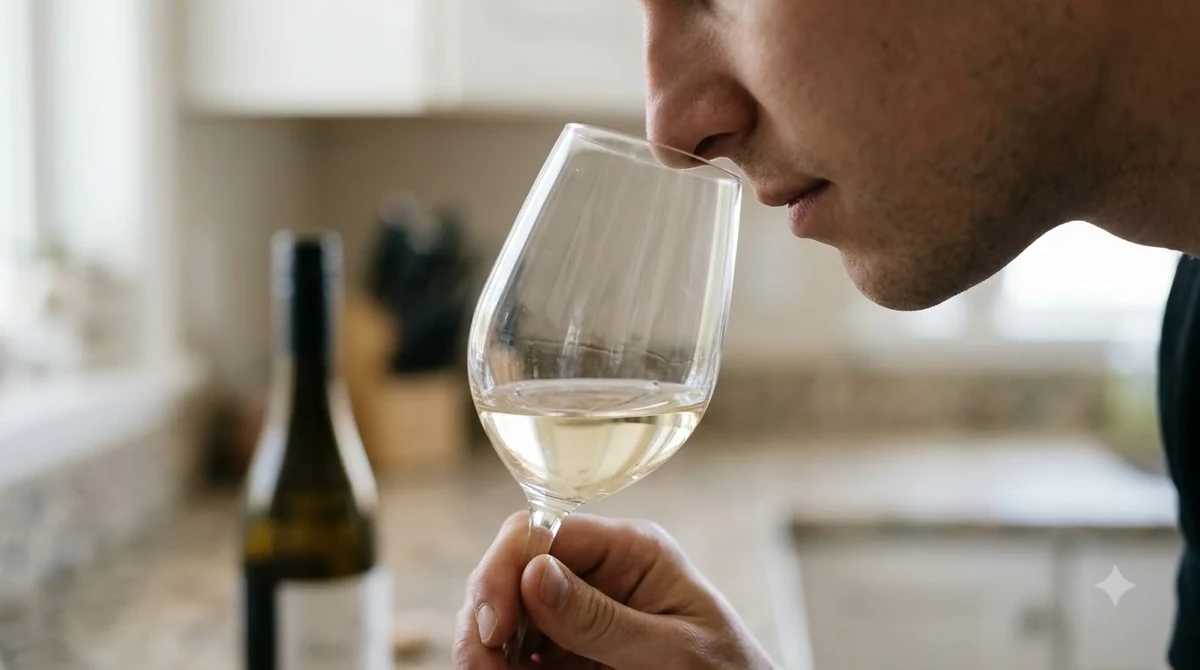
Pinot Grigio is generally associated with a clean, easy-drinking style, although the grape can produce different expressions. The Wine Institute describes California Pinot Grigio with possible aromas and flavors of stone fruit, apple, pear, and citrus. Those are general varietal descriptors, not a promise that every note will be equally apparent in Tisdale’s bottling. The producer’s own description is more focused: citrus fruit, light body, and a refreshing finish.
That lighter structure makes the wine useful with dishes that have fresh, delicate flavors. Fresh greens, simple pasta with vegetables, grilled chicken, and mild seafood are natural directions. A squeeze of lemon or a fresh-herb dressing can echo the citrus character, while very hot chili can make alcohol seem more prominent and overwhelm delicate fruit.
Pinot Grigio is a sensible option for someone who prefers a light white rather than the rounder impression often associated with Chardonnay. Tisdale does not publish a numerical acidity figure for this bottling, so it would be inaccurate to assign it a specific acidity level. The published description does establish the intended style as light-bodied and refreshing. Start around 45–50°F, the usual serving range for light whites, and avoid chilling it so hard that the citrus aromas become muted.
Comparing Alcohol, Sweetness, and Label Details
The producer’s published figures make the two wines easy to compare: Tisdale Chardonnay is listed at 12 percent alcohol and 1.4 grams of residual sugar per 100 milliliters, while Tisdale Pinot Grigio is listed at 11.5 percent alcohol and 1.24 grams of residual sugar per 100 milliliters. These figures apply to the bottlings described on the producer’s pages.
| Bottling | Alcohol by volume | Residual sugar | Producer’s style description |
|---|---|---|---|
| Tisdale Chardonnay | 12 percent | 1.4 g/100 ml | Pineapple, citrus, vanilla-oak aroma |
| Tisdale Pinot Grigio | 11.5 percent | 1.24 g/100 ml | Light-bodied, citrus notes, refreshing finish |
Alcohol by volume measures the share of a wine’s volume made up of alcohol; it does not measure body, sweetness, or quality. Residual sugar is a separate measurement, and the producer expresses it here per 100 milliliters rather than per liter. Keeping those units in view prevents a common comparison mistake: a number written as grams per 100 milliliters should not be compared directly with a grams-per-liter figure until the units have been converted.
The alcohol difference is half a percentage point, so it is not a dramatic divide. Both are white wines with relatively close listed alcohol levels. The Chardonnay’s fuller impression should not be attributed to alcohol alone: grape variety, ripeness, acidity, oak influence, and winemaking all affect the way a wine feels in the mouth.
Residual sugar is the amount of grape sugar remaining after fermentation. The listed values are close, and neither number by itself fully describes how sweet a wine tastes. Acidity can make a wine seem brisker, while fruit aromas can create an impression of sweetness even when the wine is not particularly sweet. Tisdale Pinot Grigio has the lower published residual-sugar figure, but the difference is small; compare the overall styles rather than expecting a large sweetness gap. For a separate reference point, see our explainer on Black Box Pinot Grigio alcohol content, and compare the stated bottling details rather than assuming every Pinot Grigio has the same strength.
Food Pairings for Tisdale White Wine
The easiest way to pair Tisdale’s whites is to match the wine’s weight and flavor to the dish. Choose Chardonnay for grilled fish, lighter meats, and salads with some richness; choose Pinot Grigio for fresh salads, light pasta, and grilled chicken. Both can work at a casual dinner, but sauce, seasoning, and texture matter as much as the main ingredient.
For Chardonnay, try grilled chicken with herbs, roast turkey, sautéed shrimp, or a simple fish fillet. A creamy pasta can work when the sauce is not so rich that it overwhelms the wine. Pineapple and citrus make a natural bridge to lemon, while vanilla-oak aroma can sit comfortably beside lightly browned or grilled flavors. Keep smoky barbecue glazes and heavy spice in check so they do not overpower the wine’s fruit character.
For Pinot Grigio, use fresher and lighter preparations: salad with cucumber and herbs, pasta with zucchini or peas, grilled chicken with lemon, or mild white fish with olive oil. The producer specifically names fresh salads and light pasta, making these strong starting points. Avoid dressings that are much sharper than the wine; acidic food generally needs a wine with equal or greater acidity to prevent the wine from seeming flat.
Think about the full plate when choosing. If it has a richer texture, grilled edges, or a little cream, Chardonnay may be the more comfortable choice. If it is crisp, green, citrusy, and lightly seasoned, Pinot Grigio is usually the more natural fit. Very hot chili can amplify the perception of alcohol and overwhelm delicate fruit, while a very sweet dessert calls for a wine at least as sweet as the food. Readers comparing the rest of the producer’s portfolio can also see our overview of Tisdale red wine for a look at how the red bottlings serve a different role at the table. The same matching principle applies across the meal: a wine should complement the strongest flavor or richest texture on the plate, not just the protein named in the recipe.
Serving, Opening, and Storing the Bottles
Serve the Chardonnay at 50–55°F and the Pinot Grigio at 45–50°F; those ranges keep each wine fresh while giving its aromas room to show. A standard 750-milliliter bottle yields about five 5-ounce glasses, which makes it easy to plan for a meal without overfilling each pour.
Temperature is one of the simplest ways to improve the experience. A white wine served too warm can seem heavy and make alcohol stand out, while an over-chilled bottle may hide fruit and aroma. Begin with the Pinot Grigio cooler than the Chardonnay, and use a stemmed glass to slow the warming effect of your hand. A standard white-wine glass works for Pinot Grigio; Chardonnay can benefit from a somewhat wider bowl that gives its fruit and oak aromas more room. For more on temperature and glassware, Wine Enthusiast’s wine-serving reference provides practical ranges for different styles.
Once opened, replace the cork or use a stopper and place the bottle in the refrigerator. A sound general guideline for still white wines is to enjoy them within three to five days, although freshness depends on how much wine remains, how much air entered the bottle, and how it was stored. For an unopened bottle, choose a cool, dark place with a steady temperature; around 55°F is a useful general storage target. Avoid direct sun, a warm cupboard above an oven, and repeated temperature swings.
Tip: Chill the Pinot Grigio a little more than the Chardonnay, then taste each after a few minutes in the glass. That small temperature adjustment makes it easier to notice the difference between the Pinot Grigio’s citrus-led freshness and the Chardonnay’s pineapple and vanilla-oak profile.
These wines do not need decanting. Decanting is more useful for young, full-bodied reds with firm tannins or for some older wines with sediment; a fresh white like Tisdale Chardonnay or Pinot Grigio can be poured directly from the bottle. If the meal lasts more than an hour, keep the bottles in an ice bucket with water and ice or return them to the refrigerator between pours.
Frequently Asked Questions
These answers clarify grape and winemaking terms that can appear beside Tisdale’s two white varieties, including Pinot Gris, malolactic fermentation, and Blanc de Blancs Champagne. They also explain why a grape name does not dictate every detail of a finished wine’s flavor.
Is Pinot Grigio the same grape as Pinot Gris?
Yes. Pinot Grigio and Pinot Gris are names for the same grape variety, with naming traditions often reflecting regional language and style. Decanter also lists names used in Germany and Hungary, including Grauburgunder and Szürkebarát.
Why can Chardonnay taste buttery?
A buttery character can come from malolactic fermentation, a process in which bacteria convert sharper malic acid into softer lactic acid. This process can also produce diacetyl, the compound associated with buttery aromas; it is a winemaking choice, not a flavor every Chardonnay must have.
Is Chardonnay used to make Champagne?
Yes. Chardonnay is one of the three principal grape varieties used in Champagne, alongside Pinot Noir and Meunier. Blanc de Blancs Champagne is made exclusively from white grapes and is most commonly based on Chardonnay.
Does Pinot Grigio have pink or gray grape skins?
The grape can have pinkish-gray skins even though it is used to make white wine. The word “gris” means gray in French and refers to the skin color, not the color of the finished wine in the glass.
Can two Chardonnay wines taste very different?
Yes. Climate, harvest timing, oak treatment, and malolactic fermentation can all change the result. Cooler growing conditions often preserve more acidity and citrus character, while warmer conditions can produce riper fruit flavors such as peach and pineapple.
Tisdale’s Chardonnay and Pinot Grigio offer two straightforward California white-wine choices: one with pineapple, citrus, and vanilla-oak aromas, and one with a lighter citrus profile. Use the producer’s stated alcohol and residual-sugar figures as a starting point, then let the meal and your preferred serving temperature guide the final choice.
More in Wine Brands
 Louis Latour Wine Price: Compare Bottles by Style and TierUpdated Nov 20, 2026
 Yellow Tail Moscato Price: What to Expect Before You BuyUpdated Nov 20, 2026
 Sutter Home Sweet Red Review: Find the Right Food PairingsUpdated Nov 20, 2026
 Franzia Chillable Red Review: Find the Right Serving StyleUpdated Nov 20, 2026
 Veuve Clicquot Rose Review: Flavor, Food Pairings and Buying AdviceUpdated Nov 20, 2026
 Rombauer Wine Price: Compare Bottles Before You BuyUpdated Nov 20, 2026