

We may earn a commission when you buy through links on this page, at no extra cost to you. Learn more.
The mark west pinot noir alcohol content is typically 13.5% ABV for the standard California bottling. Wine Enthusiast lists the 2024 vintage at 13.5% in a 750 ml bottle, providing a clear reference point for shoppers. The percentage describes alcohol by volume, not the number of glasses in a bottle or how dry the wine tastes.
This number is easier to interpret once it is separated from the wine’s body, flavor, and serving size. The sections below explain what 13.5% means in a pour, how it fits California Pinot Noir, and how to serve the wine so its fruit and structure remain in balance.
The Published Alcohol Figure for Mark West Pinot Noir
For the standard California bottling, 13.5% ABV is the useful published figure. Wine Enthusiast records that level for the 2024, 2023, and 2022 Mark West Pinot Noir releases, each listed in a 750 ml bottle, so the figure is consistent across three reviewed vintages rather than tied to one isolated listing.
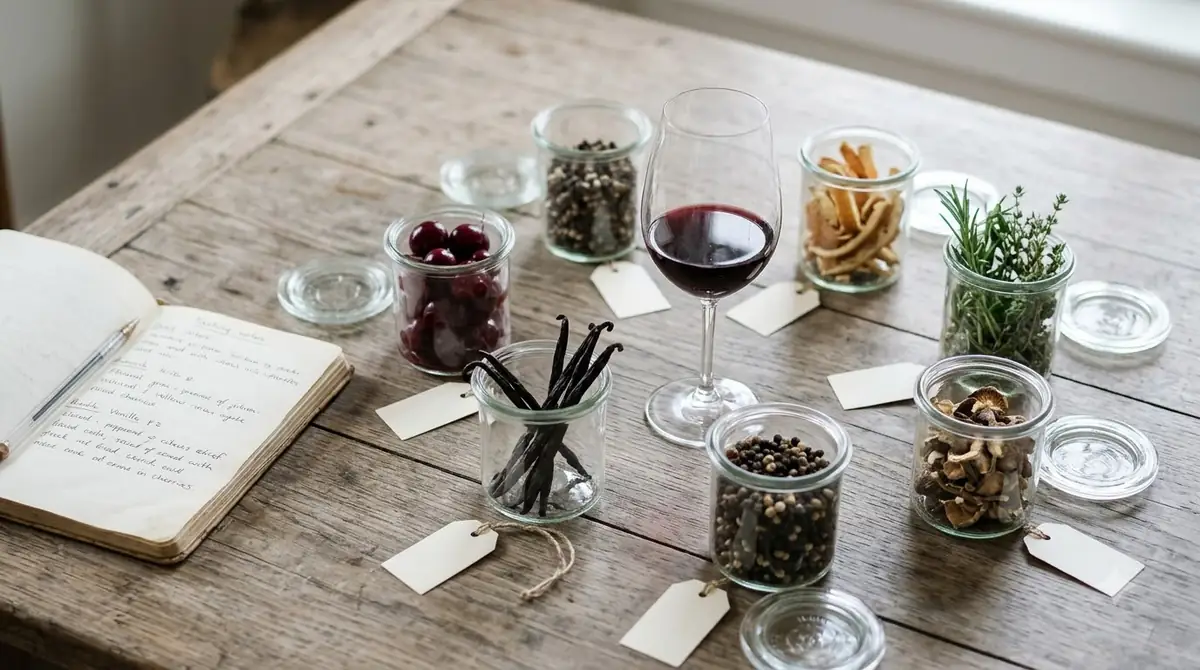
The latest producer page describes its 2024 Mark West Cellar Select Pinot Noir as medium-bodied, with aromas of black cherry, mocha, vanilla, and caramel. Its viticulture note says the grapes come from selected vineyards throughout California, and its suggested foods include tri-tip and roasted vegetables. Those details help identify the bottling and its style, but they do not replace the ABV figure: alcohol content is a measured proportion, while tasting notes describe aroma, flavor, and texture. The Wine Enthusiast review of the 2024 Mark West Pinot Noir gives the 13.5% figure and describes cherry, plum, citrus peel, strawberry, and integrated tannins.
The practical answer is therefore 13.5%, not a broad estimate for every wine made from Pinot Noir. A different vintage, a separately named bottling, or a product sold in another format can carry its own declared alcohol level. Retailer databases also sometimes keep a general product entry after the vintage on the shelf has changed. Use the published 13.5% as a good guide to the regular California Mark West Pinot Noir, then confirm the particular vintage and its printed alcohol statement if the bottle differs from that description. This keeps the comparison accurate without assuming that every wine under the Mark West name has identical strength.
What 13.5% ABV Means in a Glass
ABV means alcohol by volume: the share of a liquid’s volume represented by ethanol. At 13.5% ABV, 100 ml of wine contains about 13.5 ml of alcohol by volume, so a larger pour contains more alcohol even though the percentage remains the same.
For a quick comparison, the table translates 13.5% into common pour sizes. The gram estimates use the approximate density of ethanol, and standard-drink equivalents use the U.S. definition of 14 grams of pure alcohol per drink, as explained by the National Institute on Alcohol Abuse and Alcoholism.
| Amount poured | Wine volume | Pure alcohol by volume | Approx. ethanol weight | U.S. standard drinks |
|---|---|---|---|---|
| 5 oz pour | 148 ml | 20.0 ml | 15.8 g | 1.13 |
| 6 oz pour | 177 ml | 23.9 ml | 18.9 g | 1.35 |
| Full 750 ml bottle | 750 ml | 101.3 ml | 79.9 g | 5.71 |
The common five-ounce pour is a useful reference, and a 750 ml bottle holds just over five such pours. That does not mean a bottle contains only five U.S. standard drinks: at 13.5% ABV, each five-ounce pour contains more alcohol than the five-ounce example of 12% table wine used in the standard-drink definition. A six-ounce restaurant pour increases the amount again, even though the wine itself remains 13.5% ABV. The numbers are estimates, but they show why pour size and alcohol percentage need to be considered together.
Tip: When comparing two wines, compare the ABV and the volume in the glass. A five-ounce pour at 13.5% contains more alcohol than a five-ounce pour at 12%, while the same bottle poured into six-ounce glasses yields fewer servings.
ABV also is not a direct measurement of flavor intensity. A wine can smell ripe and feel broad because of fruit concentration, oak, or texture without having an unusually high alcohol figure. Conversely, alcohol warmth can be noticeable in a wine that has restrained aromas. Keep the percentage as one useful data point, rather than treating it as a complete description of the wine.
Why Vintage and Vineyard Conditions Matter
The 13.5% figure is consistent across several recent reviewed Mark West vintages, but alcohol is not a fixed property of the Pinot Noir grape. Vintage weather, grape ripeness, vineyard location, and the producer’s decisions at harvest all influence the amount of sugar available to ferment into alcohol.
Mark West says Pinot Noir is thin-skinned and sensitive to changes in temperature, and that it looks for cool, dry growing climates when selecting vineyards. The producer also notes that its regular 2024 Pinot Noir draws on selected sites across California rather than identifying one single vineyard as the source. This broad sourcing approach matters because California is not one uniform growing environment: cooler coastal sites and warmer inland sites can produce fruit with different ripeness profiles. The same grape variety can therefore arrive at the winery with different sugar and acidity levels from one growing season or source area to another.
For readers checking other labels, look at the specific wine and vintage rather than assuming all Pinot Noir shares one standard percentage. A bottle from another California producer may sit below or above 13.5%, and the same brand can offer a separate cuvée with a different style. The comparisons at josh pinot noir alcohol content and la crema pinot noir alcohol content are useful for setting up a label-to-label comparison, but the relevant vintage should be matched before drawing conclusions. A brand name alone cannot tell you whether two bottles contain the same amount of alcohol.
How Mark West Fits California Pinot Noir
Mark West’s 13.5% ABV sits within the broad range found in California Pinot Noir, where style changes with coastal influence, vineyard location, and producer choices. California’s Pinot Noir growing areas extend along the Pacific, but wines from Sonoma, Monterey, and Santa Barbara do not all taste or feel alike.
Decanter’s panel tasting describes California Pinot Noir as stretching across roughly 800 kilometers from north to south, with successful growing areas arranged along the Pacific coastline. The article emphasizes the cooling influence of the Pacific rather than latitude alone, and names Sonoma, Monterey, and Santa Barbara among the leading areas for plantings. It also discusses stylistic differences: Anderson Valley and the Santa Rita Hills were associated with lighter, more delicate examples, while Santa Lucia Highlands wines were described as weightier and more fruit-packed. That range helps explain why Pinot Noir does not have one universal alcohol level or body.
The same Decanter panel discussion praised moderate alcohol levels around 12% to 13% as a route to freshness and criticized examples at 15% or higher as heavy or overripe. Those comments are a point of reference, not a rule that 13.5% is automatically out of balance. Mark West’s 13.5% is only half a percentage point above that moderate band, and its 2024 producer description calls the wine medium-bodied. Alcohol should be assessed alongside acidity, tannin, fruit ripeness, oak, and finish. A wine at 13.5% can still feel composed when those elements work together.
Serving Temperature, Glassware, and Pour Size
Serve Mark West Pinot Noir slightly cool rather than warm: a practical target for this lighter-to-medium red style is 55°F to 60°F. That range keeps the wine fresh while allowing its cherry, plum, and oak notes to show more clearly than they would if the bottle were served warm.
If the bottle has been stored at typical room temperature, a short chill in the refrigerator can bring it toward the serving range; check it after about 15 minutes rather than leaving it cold for an extended period. A wine served too warm can seem more alcoholic and soft, while excessive cold can mute aroma and make acidity stand out. The aim is not to hide the 13.5% ABV but to present the wine in a temperature range that supports its balance. Let a glass sit for a few minutes if it comes straight from a cold refrigerator and seems tight or quiet.
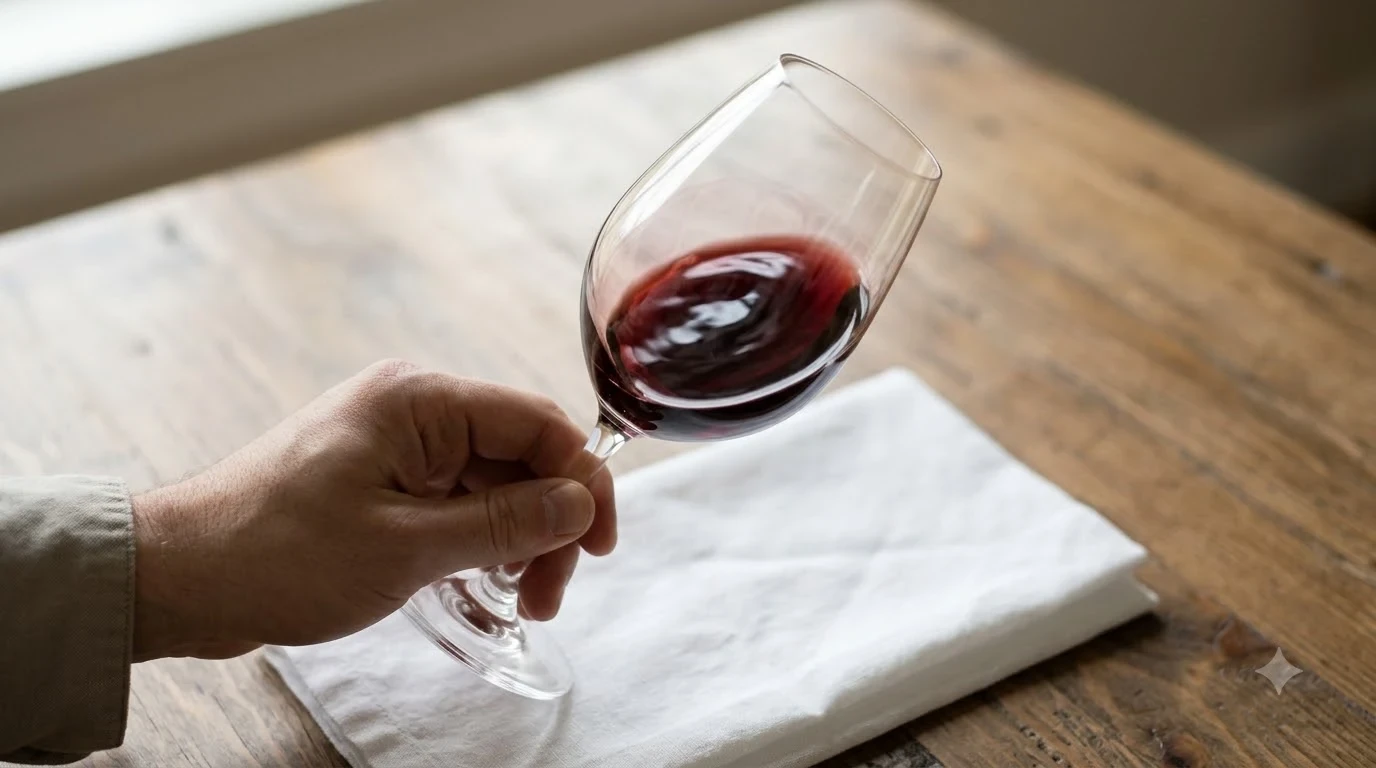
A medium-sized bowl with a slightly tapered rim is a good all-purpose choice for Pinot Noir. It gives the wine room to release aromas while directing them toward the nose; a narrow straight-sided glass can make the fruit seem less expressive. Pour about five ounces rather than filling the glass, leaving space to swirl without spilling. In a 750 ml bottle, five-ounce pours make approximately five glasses, while six-ounce pours make about four and a quarter. These are serving estimates, not changes to the wine’s alcohol concentration. Measuring a five-ounce pour once with a liquid measuring cup can help calibrate the usual glass; in a broad Burgundy-style bowl, that amount may look smaller than expected. Once you have seen the volume, it is easier to pour consistently without filling the bowl to its widest point.
Food Pairings That Work With Its Fruit and Structure
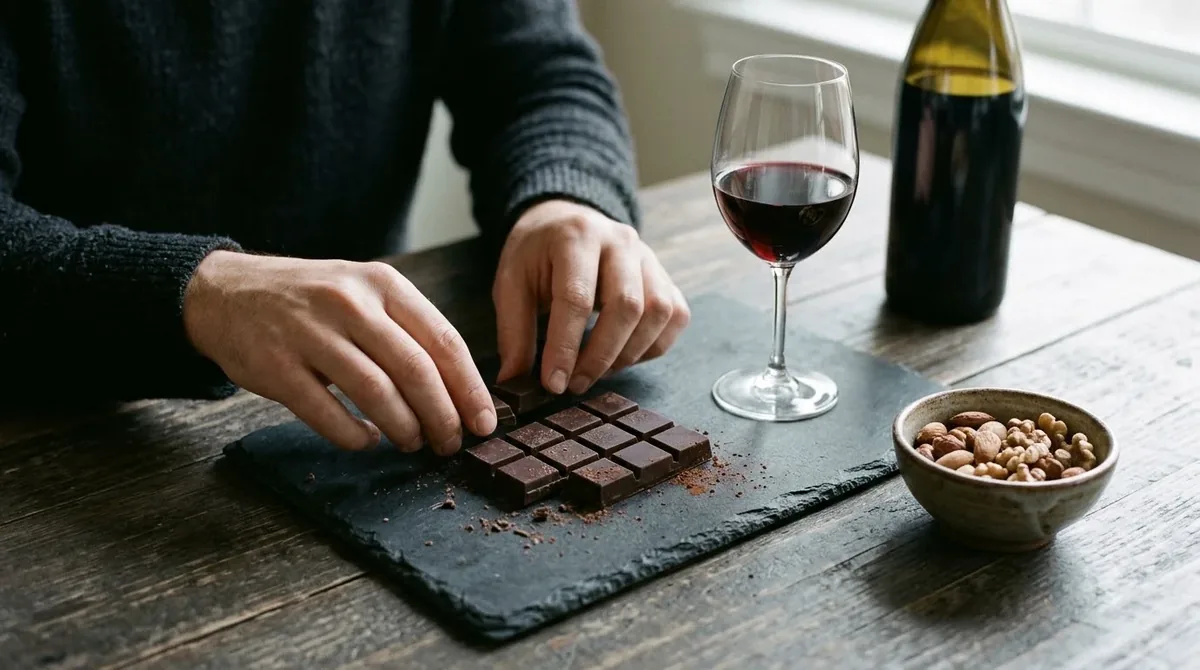
Mark West Pinot Noir’s medium body, red and dark fruit notes, and relatively soft Pinot Noir tannins make it flexible at the table. The producer specifically recommends tri-tip and roasted vegetables, and the same general profile works with roast poultry, pork, mushrooms, and salmon.
For beef, choose grilled or roasted tri-tip with a moderate crust rather than a heavily charred, aggressively spicy preparation. The savory browned surface complements the wine’s cherry and mocha notes, while the meat’s fat softens the wine’s tannin. Roasted carrots, mushrooms, onions, and squash add earthiness and a touch of sweetness without overpowering the fruit. A pan sauce with herbs or a modest amount of butter can bring the components together, but a very sweet glaze may make the wine seem lean by comparison.
For poultry, pork, or casual cheese plates, try roast chicken with thyme, pork tenderloin with mushrooms, or turkey with a light cranberry pan sauce. Pinot Noir’s higher acidity compared with many fuller-bodied reds helps it work with savory dishes that include herbs, browned vegetables, or a little tang. Salmon can also be a good match because Pinot Noir is relatively low in tannin; by contrast, strongly tannic reds are more likely to clash with oily fish. For a fuller pairing list and dish-by-dish suggestions, see the mark west pinot noir food pairing page. Avoid very hot chili sauces, since alcohol and tannin can make chili heat feel more intense. Medium-aged Gouda, mild cheddar, or a mushroom flatbread can also work; salt and fat soften tannin, but a very sharp blue cheese could overwhelm the fruit.
Frequently Asked Questions
These quick answers separate alcohol strength from proof, sweetness, temperature, and the other wines sold under the Mark West name.
Is 13.5% ABV the same as 27 proof?
Mathematically, yes: the U.S. proof scale used for spirits is twice the alcohol-by-volume percentage, so 13.5% corresponds to 27 proof. Wine bottles and wine reviews normally report ABV rather than proof, so 27 is a conversion rather than the usual label format.
Does 13.5% ABV mean Mark West Pinot Noir is sweet?
No. ABV measures alcohol concentration, while sweetness depends on the amount of residual sugar left after fermentation. A dry wine can have 13.5% ABV, and a sweeter wine can have a different alcohol level depending on how it was made.
Will chilling the bottle reduce its alcohol content?
No. Cooling changes the wine’s serving temperature and can change how aromas, acidity, and alcohol warmth are perceived, but it does not remove a meaningful amount of alcohol from a sealed bottle. The ABV remains the same when the wine is chilled.
Is Mark West Pinot Noir Black the same wine?
No. Mark West presents Pinot Noir Black as a separate, fuller-bodied bottling; its 2023 description names black cherry, mocha, and caramel, and says some lots include a small amount of Teroldego. Do not assume that the regular Pinot Noir’s 13.5% figure applies to Pinot Noir Black.
Are all Mark West wines 13.5% ABV?
No. Mark West also lists Cabernet Sauvignon and Chardonnay alongside its regular Pinot Noir and Pinot Noir Black. The 13.5% figure discussed here applies to the regular California Pinot Noir listings, so it should not be carried over to another variety or bottling.
For the regular California Mark West Pinot Noir, 13.5% ABV is the best-supported figure and a practical starting point for comparing bottles. Pair that number with the vintage, serving size, and style notes to understand what is actually in the glass.
More in Wine Brands
 Underwood Wine Price: Compare Bottles, Cans, and Pack SizesUpdated Nov 21, 2026
 Zenato Wine Price: Compare Styles and Choose the Right BottleUpdated Nov 21, 2026
 Zuccardi Wine Price: Compare Bottles and Find the Right RangeUpdated Nov 21, 2026
 Yellow Tail Moscato Review: Taste, Sweetness and Serving TipsUpdated Nov 21, 2026
 Wolf Blass Yellow Label Review: Choose Your Best StyleUpdated Nov 21, 2026
 Wolffer Estate Rose Review: Choose the Right Bottle for Your TableUpdated Nov 21, 2026