

We may earn a commission when you buy through links on this page, at no extra cost to you. Learn more.
Whitehaven Pinot Noir is a dry, medium-bodied red from Marlborough, New Zealand, with cherry and plum fruit, gentle spice, fine tannins, and a silky finish. The 2023 bottling offers a useful reference point: it is 14% alcohol, matured for 10 months in French oak, and made from fruit grown in the Southern Valleys and Awatere Valley. Expect a Pinot Noir with ripe dark-cherry character and savory detail rather than a heavy, highly tannic style. It works especially well with duck, venison, lamb, and other dishes that have enough flavor to meet its fruit and oak.
Whitehaven’s flagship Marlborough Pinot Noir shows how New Zealand’s South Island expresses this Burgundy-origin grape. This guide uses the producer’s 2023 vintage as a benchmark; other releases can differ in alcohol, acidity, flavor, and cellar potential.
The Wine in the Bottle: A Dry, Medium-Bodied Marlborough Red
Whitehaven Pinot Noir is best understood as a fruit-led but savory red: dry on the finish, medium in body, and built around cherry and plum flavors with a measured influence from French oak. Its texture is one of the defining points, with a silky palate and fine rather than aggressive tannins. That combination makes it more substantial than a very delicate, pale Pinot Noir but less weighty than a tannic Cabernet Sauvignon or Syrah.
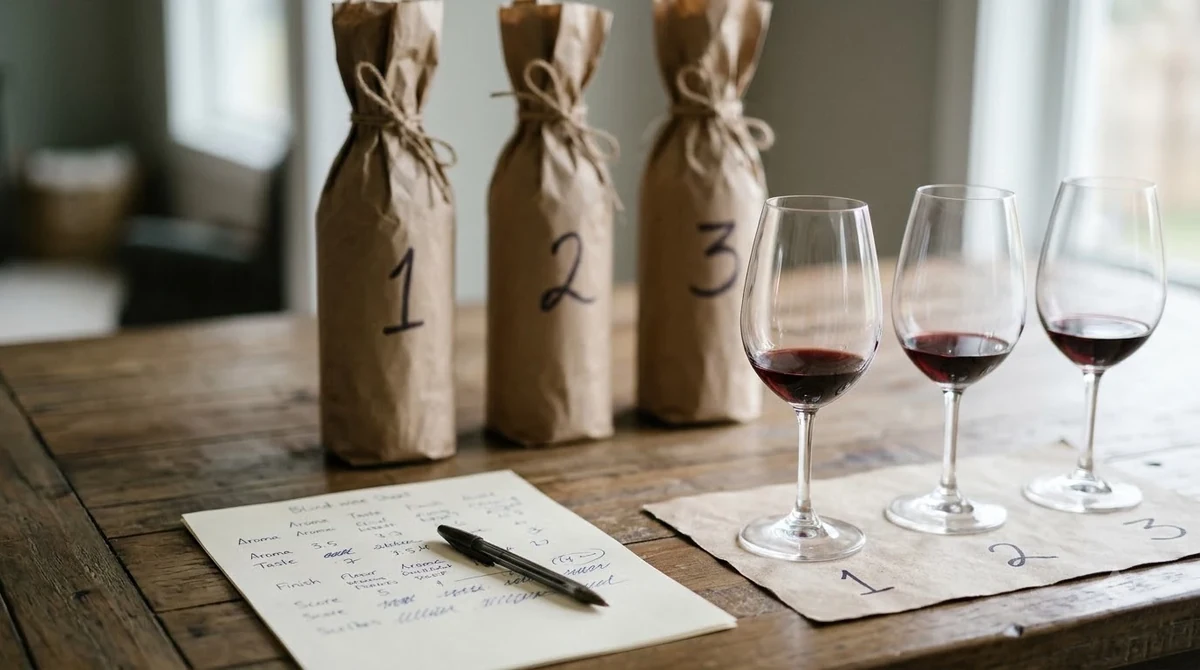
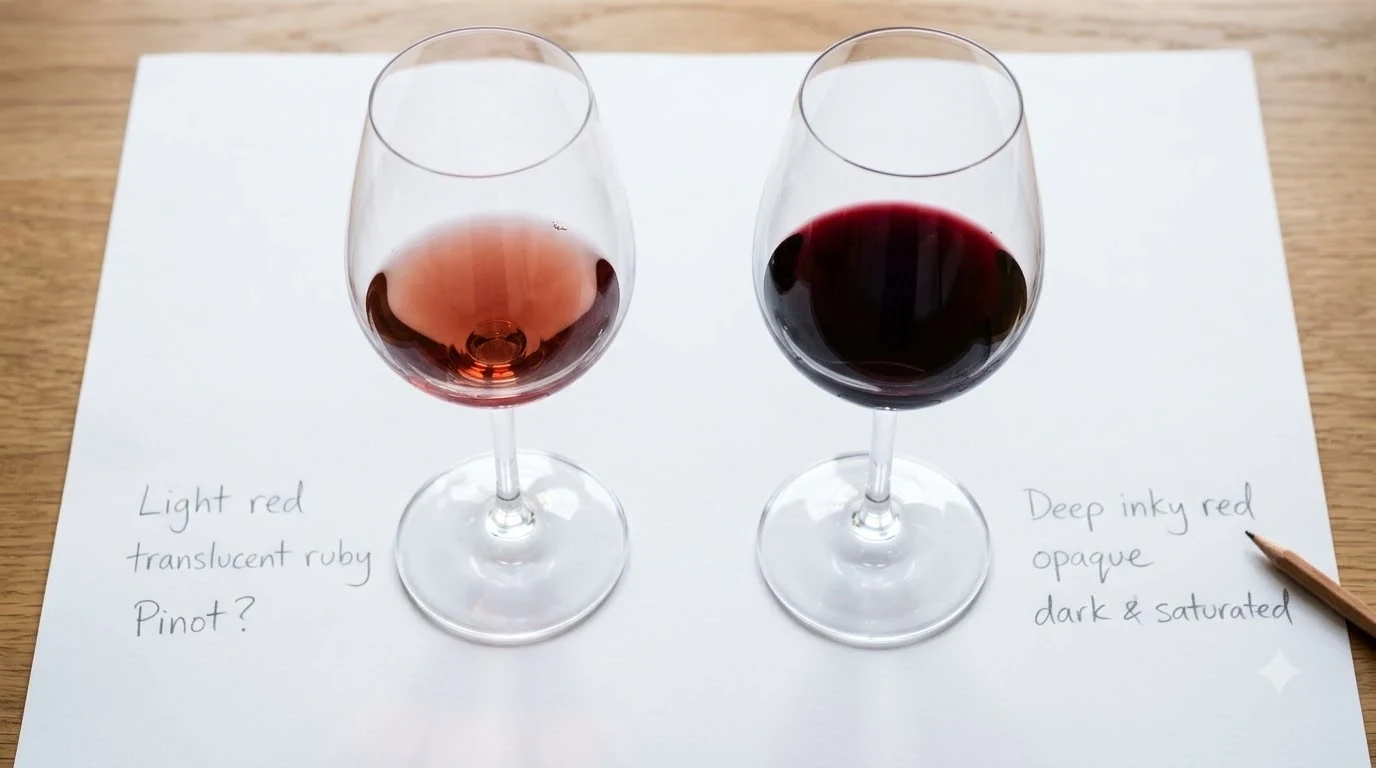
The producer describes the 2023 wine as medium purple in appearance, with lifted red plum and dark cherry aromas. Aniseed, cocoa, thyme, and a subtle smoky-oak note sit behind the fruit. On the palate, dark cherry remains central, while gentle aniseed, five-spice character, and oak tones broaden the flavor without making the wine taste sweet. The finish is described as silky and long, which points to texture and persistence rather than simple fruit sweetness.
The profile is not identical every year. Whitehaven’s 2022 notes highlighted raspberry, plum, red cherry, cinnamon, and smoky oak, while its 2021 notes included black currant, dark chocolate, and a mineral edge. Vintage conditions and site selection can shift the emphasis while the wine remains recognizably Marlborough Pinot Noir.
For a broad comparison of labels and grape varieties, the site’s Wine Brands section can help put Whitehaven alongside other producers. The important point here is that the Whitehaven bottling is not designed as a sweet red or a heavily extracted blockbuster. It is a dry Pinot Noir whose appeal comes from ripe fruit, fresh structure, and savory accents.
Marlborough Origins and the Two Subregions
The 2023 Whitehaven Pinot Noir brings together fruit from two Marlborough areas: 64% from the Southern Valleys and 36% from the Awatere Valley. That blend combines fruit from the region’s clay-influenced southern valleys with fruit from a cooler, windier subregion farther south. Marlborough’s climate and site diversity help explain why the finished wine can show both ripe cherry fruit and a savory, herbal edge.
The Southern Valleys include Brancott, Omaka, Fairhall, Waihopai, Ben Morven, and Taylor. Marlborough Wine describes older, more clay-rich soils than the Wairau valley floor and a cooler, later-ripening climate. The area is known for Pinot Noir with restraint, dark cherry and plum, and spiced-earth character. Whitehaven’s 64% share gives it a substantial role in the blend.
The Awatere Valley is cooler, drier, and windier than other parts of Marlborough. Its long, slow ripening season can intensify flavor while preserving natural acidity. The 36% Awatere contribution complements the Southern Valleys fruit; Whitehaven does not assign individual aromas to either source, so it is better to regard the subregions as complementary than to attribute a particular note to one valley.
Marlborough’s wider Pinot Noir style is commonly associated with cherry, plum, red berries, spice, and light herbal notes. The regional body describes many examples as medium-bodied, with expressive fruit and fine French oak support. For additional context on the region’s climate and grape styles, read the Marlborough Wine overview of Pinot Noir, which also outlines the region’s typical food matches and serving temperature.
Tasting Notes: Cherry, Plum, Spice, and Silky Texture
Start with the fruit when tasting Whitehaven Pinot Noir. In the 2023 vintage, dark cherry and red plum lead, with a suggestion of cocoa and thyme adding complexity around the edges. A little aniseed and five-spice character gives the wine a savory lift, while the oak contribution is present as a background note rather than the main flavor. The overall impression is of ripe, clearly defined fruit framed by spice and a smooth texture.
Pinot Noir generally has lower tannin than Cabernet Sauvignon and Syrah, and this Whitehaven bottling follows that broad pattern with fine, silky tannins. The tannins still give the wine shape, especially alongside red meat, but they should not dominate the palate or leave a strongly drying sensation. Acidity helps keep the fruit from feeling flat. The 2023 technical analysis lists titratable acidity at 5.5 grams per liter and a pH of 3.72; these are laboratory measures, not a direct score for how tart the wine will taste.
Its 14% alcohol is worth noticing because it gives the wine a relatively generous level of ripeness and warmth for Pinot Noir. Alcohol is not the same thing as body, and the wine can still feel medium-bodied because of its fruit, tannin, and acidity balance. It is a sensible comparison point for anyone looking at Mark West Pinot Noir alcohol content or Josh Pinot Noir alcohol content: compare the stated alcohol on the individual vintage labels rather than assuming Pinot Noir always sits at one fixed strength.
Readers familiar with Meiomi Pinot Noir tasting notes may recognize the ripe cherry and plum, but Whitehaven’s 2023 description also emphasizes thyme, aniseed, and restrained smoky oak. Try a sip before food, then another with duck or mushrooms to see how the fruit and spice respond.
How the 2023 Vintage Was Grown and Made
The 2023 vintage shows how vineyard sourcing and careful extraction shape the wine’s texture. Whitehaven harvested the fruit by hand between March 16 and April 14, 2023, then used a cold soak and small open-top stainless-steel tanks before maturation in French oak. The finished wine spent 10 months in barrel, with 21% of those barrels described as new oak.
The producer reports that the grapes came from multiple Pinot Noir clones, with vines trained using a two-cane vertical shoot positioning system. Canopy management was used to maintain healthy, clean fruit through the growing season. The season began after a wet winter, and November and December flowering conditions were uneven across Marlborough. Rain events, humidity, and warm nights continued through parts of December and January; cooler nights and sunnier conditions returned in early March, allowing harvest to be delayed while fruit flavors developed.
At the winery, the hand-picked grapes were gently destemmed and moved into small open-top stainless-steel tanks. The must underwent a five- to six-day cold soak before warming and fermentation. Whitehaven says fermentation could use either wild yeast or an inoculated selected strain. After fermentation, the wine was pressed, settled overnight, and transferred to French oak barrels. It matured for 10 months before being moved back to tank, filtered, and bottled on March 1, 2024.
| 2023 vintage detail | Producer’s stated figure or method |
|---|---|
| Alcohol | 14% |
| Residual sugar | Dry |
| Titratable acidity | 5.5 g/L |
| pH | 3.72 |
| Southern Valleys fruit | 64% |
| Awatere Valley fruit | 36% |
| Cold soak | 5–6 days |
| New French oak | 21% |
| Barrel maturation | 10 months |
| Harvest period | March 16–April 14, 2023 |
These choices help explain why the wine combines fruit clarity with a measured oak frame. A cold soak takes place before the main alcoholic fermentation and is used to encourage early extraction of color and aroma. The use of small open-top tanks gives the winemaking team access to the fermenting cap, while the 21% new French oak figure signals that new-wood flavor is part of the blend but not the only source of barrel influence. Ten months in barrel adds time for the wine to settle and integrate before bottling.
For the harvest dates and full winemaking outline, see the Whitehaven 2023 technical and tasting details.
Food Pairings for Duck, Venison, Salmon, and More
Whitehaven Pinot Noir is especially well suited to duck and venison, two pairings named by the producer, and it also works with other red meats. Its medium body and fine tannins make it versatile enough for poultry and some richer fish dishes, while its cherry, plum, and spice notes can echo the browned, savory flavors created by roasting or grilling. The best matches have enough flavor to stand beside the wine without overwhelming its more delicate aromas.
For duck, try roast duck breast with a crisp skin, a pan sauce made from stock, or a cherry-based accompaniment that echoes the fruit in the glass. Venison works well roasted or seared, especially with herbs, mushrooms, or a restrained berry sauce. Lamb chops and pork tenderloin are also practical choices: both have enough savory depth for Pinot Noir, but neither needs a very heavy sauce to make the pairing work. Avoid making a sweet glaze the dominant flavor; the wine is dry, so very sweet sauces can make it seem sharper and less fruity.
For a lighter meal, consider roast chicken, turkey, quail, or salmon. Marlborough Wine recommends Pinot Noir with salmon and chicken as well as game birds, pork, veal, lamb, and venison. Grilled or herb-roasted salmon is more reliable than a sugary glaze or heavily charred preparation.
Vegetarian dishes can work too. Try roasted mushrooms, lentils with herbs, grilled eggplant, or a savory mushroom tart. The earthy notes in mushrooms and the wine’s thyme and spice accents create a natural bridge. Salt and fat can soften the perception of tannin, so a little butter, olive oil, or a browned crust may help the pairing feel rounder; however, very hot chili can make alcohol and tannin seem more pronounced. Keep spice moderate if you want the fruit to remain clear.
Tip: Match the wine to the main ingredient and cooking method, not just the recipe name. Roast duck, seared venison, and mushroom-rich dishes are dependable starting points; highly sweet sauces and intense chili are less reliable partners for this dry, 14% alcohol Pinot Noir.
Serving Temperature, Glassware, and Cellaring
Serve Whitehaven Pinot Noir slightly cool, around 55–60°F, rather than warm at a typical heated-room temperature. Marlborough Wine recommends 60°F for Pinot Noir, which keeps the fruit lively and helps the wine’s acidity and spice remain distinct. A large, round, bell-shaped glass is a useful choice because it gives the wine’s cherry, plum, and herbal aromas room to collect.
A 750-milliliter bottle provides about five standard 5-ounce pours. If stored at cellar temperature, chill it briefly before serving; if refrigerated, let it warm in the glass. The aim is cool and expressive, not cold enough to mute the fruit.
For the 2023 vintage, Whitehaven says the wine is enjoyable now and can develop gracefully for another five to six years when stored carefully. That is the producer’s guidance for this vintage, not a guarantee for every Whitehaven Pinot Noir or every storage condition. Keep bottles away from direct sunlight and temperature swings, ideally on their sides in a consistently cool space near 55°F. Once opened, recork the bottle and refrigerate it; most still wines keep reasonably well for about three to five days, though the fruit gradually fades.
Vintage matters when deciding whether to drink or hold a bottle. Bottle age may soften the fruit and bring more savory or earthy detail. Cellaring is optional: Whitehaven describes the 2023 as delicious to drink now.
Frequently Asked Questions
These answers clarify how the flagship red fits into Whitehaven’s wider range and what the Marlborough details mean.
Is Whitehaven Pinot Noir a single-vineyard wine?
The 2023 flagship Marlborough bottling is a regional blend, not a single-vineyard wine: its fruit comes from the Southern Valleys and Awatere Valley. Whitehaven has also presented a separate Greg Single Vineyard Southern Valleys Pinot Noir in its range, so the brand has used a single-vineyard identity for another Pinot Noir bottling.
Is Marlborough mainly known for Pinot Noir?
No. Marlborough is most famous for Sauvignon Blanc, which dominates the region’s plantings. Marlborough Wine’s varieties overview lists Pinot Noir at 2,093 hectares, or 7% of its planted vineyard area, making it an important but much smaller part of the region’s portfolio.
What does two-cane vertical shoot positioning mean?
It is a vineyard-training approach in which two fruiting canes are retained and the growing shoots are guided upward along a trellis. The arrangement helps organize the canopy and makes it easier for vineyard workers to manage growth and fruit exposure during the season.
Does Whitehaven make Pinot Noir rosé as well?
Yes. Whitehaven’s broader wine range includes a Marlborough Pinot Noir Rosé alongside its still red Pinot Noir. Rosé is a separate style, so its color, extraction, and expected serving temperature differ from the red bottling discussed in this guide.
What does the wine’s pH number tell you?
The 2023 technical information lists a pH of 3.72. pH measures the concentration of active hydrogen ions and is different from titratable acidity, which measures the total amount of acid that can be neutralized. Read together, the two figures offer a more complete technical picture than either number alone, but neither replaces tasting the wine.
Whitehaven Pinot Noir is a flavorful Marlborough red for drinkers who like cherry and plum fruit balanced by spice, fresh structure, and a silky texture. The 2023 vintage’s Southern Valleys and Awatere blend, restrained use of new French oak, and 14% alcohol make it especially appealing with duck, venison, lamb, and roasted mushrooms. Serve it cool, give it a little room in the glass, and enjoy it now or cellar the 2023 bottle with care.
More in Wine Brands
 Underwood Wine Price: Compare Bottles, Cans, and Pack SizesUpdated Nov 21, 2026
 Zenato Wine Price: Compare Styles and Choose the Right BottleUpdated Nov 21, 2026
 Zuccardi Wine Price: Compare Bottles and Find the Right RangeUpdated Nov 21, 2026
 Yellow Tail Moscato Review: Taste, Sweetness and Serving TipsUpdated Nov 21, 2026
 Wolf Blass Yellow Label Review: Choose Your Best StyleUpdated Nov 21, 2026
 Wolffer Estate Rose Review: Choose the Right Bottle for Your TableUpdated Nov 21, 2026