

We may earn a commission when you buy through links on this page, at no extra cost to you. Learn more.
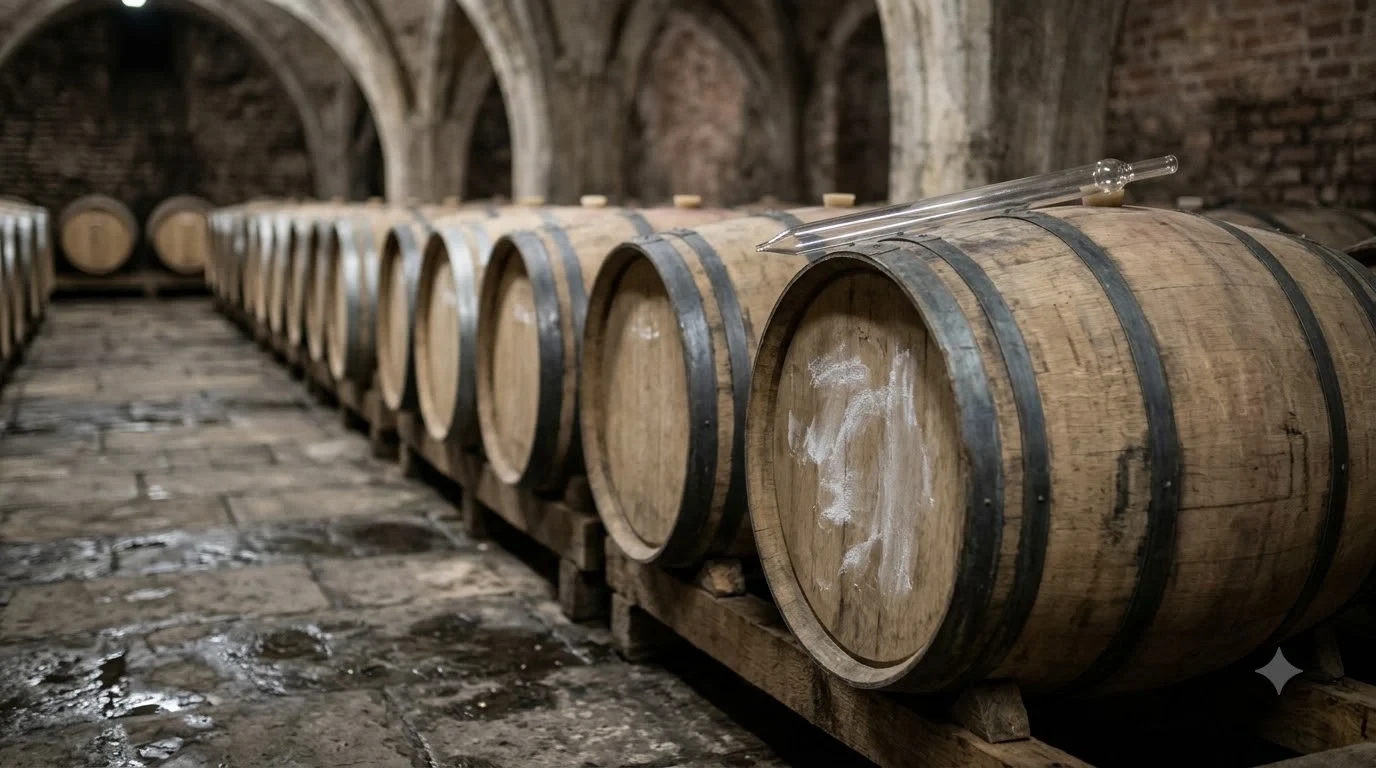
What is bordeaux? Bordeaux is a wine region in southwest France, centered on the city of Bordeaux, and it is best known for red blends built mainly on Cabernet Sauvignon and Merlot. It also produces dry white wines and some of the world’s most famous sweet whites. The region’s wines are named for their place of origin, so a label that says Bordeaux tells you where the wine was grown and offers a general style.
If you have heard people talk about bordeaux and wondered whether it is a grape, a style or a place, you are not alone. This guide explains where the region is, how the Left Bank and Right Bank differ, which grapes go into the wines, and how to read a label so you can choose a bottle with confidence.
Where Bordeaux is and why it matters
Bordeaux sits in southwest France around the city of Bordeaux, on the Garonne River. North of the city, the Dordogne joins the Garonne to form the Gironde estuary, and the vineyards spread along both banks of these rivers. The Gironde department alone has a total vineyard area of roughly 110,800 hectares, which gives a sense of how large the region is.
Bordeaux is one of the most influential wine regions in the world. Its wines have set benchmarks for quality, aging and price for centuries, and many producers in other countries model their red blends on Bordeaux styles. A bottle from the region often serves as a reference point when people compare wines from elsewhere.
The Left Bank and the Right Bank
The most useful way to understand Bordeaux is to split it into two banks. The Left Bank lies west and south of the city, on the left bank of the Garonne. It is subdivided into Graves, upstream of the city, and Médoc, which sits on a peninsula between the Gironde and the Atlantic. Red wines here are dominated by Cabernet Sauvignon, often with a significant share of Merlot. A typical top blend might be around 70 percent Cabernet Sauvignon, with the rest Cabernet Franc and Merlot.
The Right Bank lies north of the city, on the right bank of the Dordogne, around Libourne. Its red wines are dominated by Merlot, with very little Cabernet Sauvignon. Saint-Émilion and Pomerol are the best-known sub-regions here. A typical top Right Bank blend leans heavily on Merlot, with smaller amounts of Cabernet Franc and Cabernet Sauvignon. Between the two rivers lies Entre-Deux-Mers, which produces a range of lighter wines.
| Area | Main red grape | Typical character |
|---|---|---|
| Médoc and Graves (Left Bank) | Cabernet Sauvignon | Concentrated, tannic and built to age |
| Saint-Émilion and Pomerol (Right Bank) | Merlot | Rich fruit with softer tannins, also long-lived |
| Basic Bordeaux AOC | Blend | Fruity, with minimal oak, meant to be drunk young |
Tip: A label that says Bordeaux usually means a basic or generic wine, while a named sub-region or château points to a more specific style and often a higher price.
The grapes behind bordeaux wine
Bordeaux red wines are blends. Merlot is the most planted red grape in the region, accounting for about 62 percent of red vineyard area, followed by Cabernet Sauvignon at about 25 percent and Cabernet Franc at about 12 percent. Each grape brings something different: Merlot adds plush fruit and roundness, Cabernet Sauvignon adds structure and firm tannins, and Cabernet Franc adds aromatic lift and herbal notes.
White wines are more varied. Sémillon makes up around 54 percent of white vineyard area, with Sauvignon Blanc at about 36 percent and Muscadelle at about 7 percent. Dry whites from Graves are the best known and can show oak influence, while the sweet whites of Sauternes are made from grapes affected by noble rot, which concentrates their sugar and flavor.
In recent years, the region has also opened the door to a small number of new grape varieties. According to VinePair’s guide to Bordeaux, starting with the 2021 vintage the two biggest appellations may use up to 10 red and 10 white accessory grapes that are not traditionally Bordeaux varieties. Each property may plant them on up to 5 percent of its vineyards, and they may make up no more than 10 percent of any blend.
Classification and famous names
Bordeaux is known for its classification system. The Bordeaux Wine Official Classification of 1855 covers, with one exception, the red wines of Médoc and the sweet wines of Sauternes-Barsac. It ranks estates into five categories, according to the prices they commanded at the time. The first growths include Château Haut-Brion from Graves and four Médoc estates. Mouton Rothschild was promoted to first growth in 1973, which shows that the system has been revised over time.
Classification is only one piece of the picture. Many fine Bordeaux bottles come from estates outside the top ranks, and smaller producers in Saint-Émilion and Pomerol have built strong reputations on their own. A famous name on the label is a sign of history, but it is not the only way to find a good bottle.
How Bordeaux wines taste and age
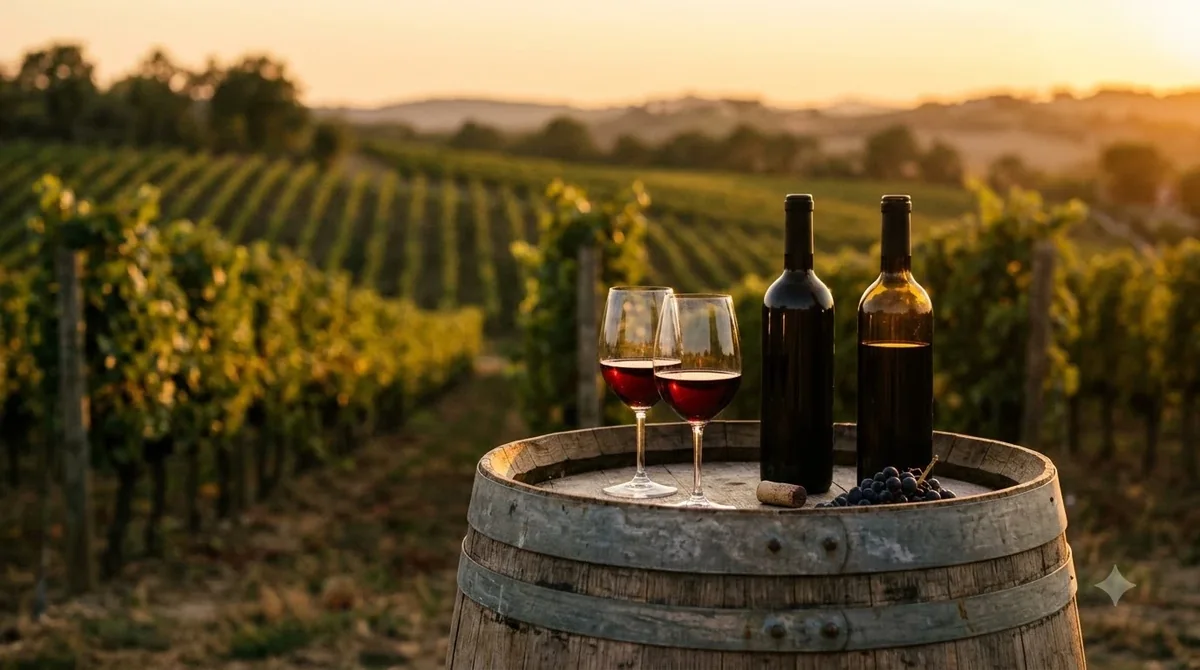
Left Bank reds tend to be concentrated, structured and tannic, with dark fruit, cedar, graphite and herbal notes in the best examples. They are often meant to be cellared for many years. Right Bank reds usually show more fruit concentration and softer tannins, so they can feel rounder and more approachable at a younger age, while still aging well.
Basic Bordeaux AOC reds are a different matter. They are fruity, use little oak and are meant to be drunk young. They are a good everyday choice and a useful entry point for understanding the region’s house style before you move up to a named estate.
How to serve and pair Bordeaux
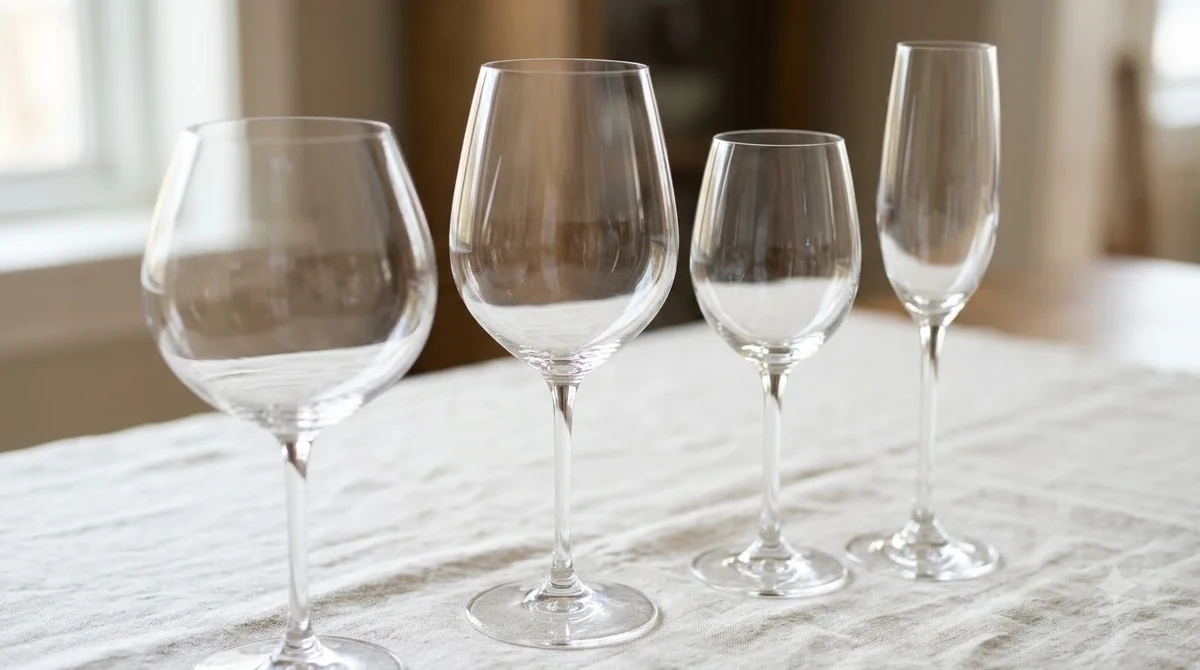
Serve red Bordeaux at a cool room temperature, somewhere around 60 to 65 °F (16 to 18 °C), which keeps the fruit lively and the tannins in balance. Bigger, older bottles often benefit from decanting, which softens the wine and lets it open up. Use a large glass so the aromas can gather.
Left Bank reds pair well with grilled or roasted beef, lamb and hearty stews, where the tannins can handle rich food. Right Bank reds suit roast chicken, mushroom dishes and soft cheeses. Dry white Bordeaux goes with seafood, while sweet Sauternes is a classic match for foie gras and blue cheese.
How to choose a bottle of Bordeaux
Start with the bank you prefer. If you like firm tannins and dark fruit, look to the Left Bank. If you want plush fruit and an easier drink, try the Right Bank. Next, check the level on the label: a generic Bordeaux is a good everyday wine, while a named sub-region or château gives you a more specific style. Finally, consider the vintage. Good years can age well for decades, while lighter years tend to be ready sooner.
If you are curious about the blends themselves, our guide to bordeaux blend wine explains how the grapes combine. For a single variety from the region, see cabernet franc wine, and browse Wine by Type for more categories.
Frequently Asked Questions
Is bordeaux a grape?
No. Bordeaux is a region, and the wines are named after it. The reds are usually blends of grapes such as Cabernet Sauvignon, Merlot and Cabernet Franc, while the whites are mostly Sémillon and Sauvignon Blanc.
What is the difference between Left Bank and Right Bank Bordeaux?
The Left Bank is west and south of the city of Bordeaux and is led by Cabernet Sauvignon. The Right Bank is north, around Libourne, and is led by Merlot. Left Bank reds tend to be firmer and more tannic, while Right Bank reds often feel rounder.
Is Bordeaux red or white?
The region is best known for red wine, which makes up most of its production. It also makes dry white wines, including those from Graves, and sweet whites such as Sauternes.
Do I need to age Bordeaux before drinking it?
Not always. Basic Bordeaux AOC wines are meant to be drunk young, while top Left Bank and Right Bank estates often reward years of cellaring. Check the producer’s guidance or ask a merchant about a specific bottle.
Bordeaux is a place first and a style second, and its wines reward a little curiosity. Learn the two banks, notice which grapes dominate the blend, and you will read the label with much more confidence. Start with a basic bottle, then move up to a named estate once you know what you like.
More in Wine Types & Grapes
 Zinfandel Sugar Content: Dry Red vs. White Zinfandel GramsUpdated Nov 21, 2026
 Best Zinfandel Substitute Options for Sipping and CookingUpdated Nov 21, 2026
 Zweigelt Food Pairing: Best Dishes, Cheeses, and Serving TipsUpdated Nov 21, 2026
 Zinfandel Tannins Explained: How Structure Shapes Every BottleUpdated Nov 21, 2026
 Zinfandel Sweetness Level: Dry Red vs. Sweet White Zin ExplainedUpdated Nov 21, 2026
 Xinomavro Food Pairing: Best Dishes, Styles, and Serving TipsUpdated Nov 21, 2026