

We may earn a commission when you buy through links on this page, at no extra cost to you. Learn more.
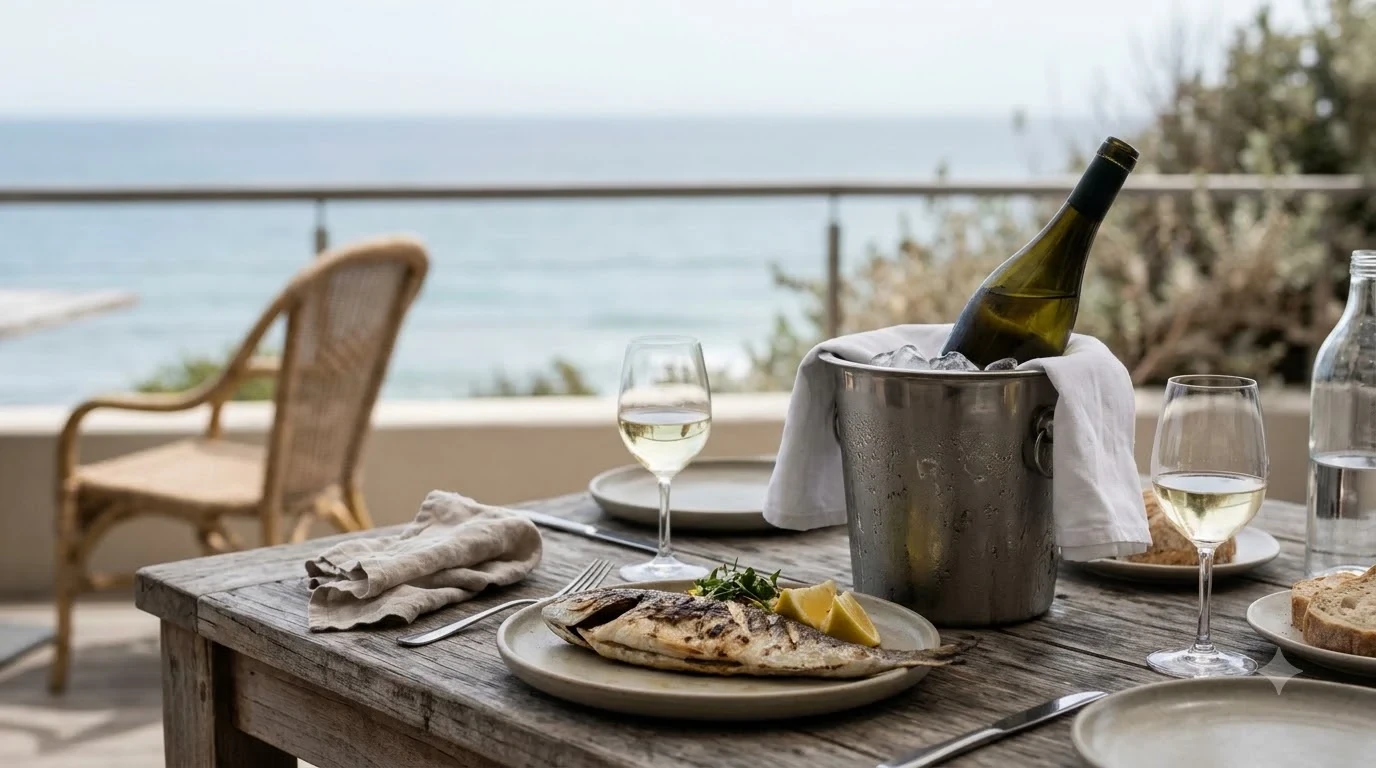
Whitehaven wine is a New Zealand white from Marlborough, the region best known for Sauvignon Blanc, and the winery’s flagship is a crisp, aromatic Sauvignon Blanc. Whitehaven was founded by Greg and Sue White, who established the family winery in the Marlborough Sounds in 1993. The brand’s core wine is Sauvignon Blanc, with a reserve-tier bottling called Windward at the top of the range, so most buyers start with the flagship and move up from there.
This guide explains who makes Whitehaven wine, why Marlborough matters to its style, what the flagship and reserve bottlings taste like, and how to serve and pair them. It also covers when a Whitehaven bottle is the right pick and when another white might suit your meal better.
Who Makes Whitehaven Wine
Whitehaven’s story starts with a voyage. According to the winery’s about page, Greg and Sue White sailed the South Pacific in 1991 on a 48-foot sailboat. In 1993 they settled in the Marlborough Sounds and established a family winery in the region. Greg White died in 2007, and Sue White continues to lead the company. Their daughter Samantha joined the winery in 2020.
The company also credits a long list of milestones that show how the brand grew. In 2003, the Whitehaven Sauvignon Blanc became the first New Zealand wine in the top 100 wines sold in US restaurants, according to the winery. In 2009 the winery was certified by the Sustainable Winegrowing New Zealand program. In 2018 it joined the Appellation of Marlborough Wine, and the winery says it produces 100 percent Marlborough wines.
In 2020, the winery brought back Peter Jackson as chief winemaker. The page presents this as a return for a figure who had been part of the brand earlier, and it frames the change as a continuation of the winery’s focus on Marlborough Sauvignon Blanc.
Why Marlborough Shapes the Style
Marlborough is the hallmark region for New Zealand Sauvignon Blanc. Wine Folly notes that the first Sauvignon Blanc vines in the area were planted in 1975 by Frank Yukich, and the region’s wines are known for vibrant fruit and sharp acidity. Many bottles show notes of gooseberry, passionfruit, tomato stalk, citrus, and freshly cut grass. Some producers include a gram or two of residual sugar to round out the fruit.
Whitehaven’s own vineyards cover several sub-regions. The company says that in 2015 it acquired two new vineyard sites, adding more than 100 hectares of estate-owned vineyards across three sub-regions: the Wairau Valley, the Southern Valleys, and the Awatere Valley. The winery’s materials say the Awatere Valley is one of its estate sub-regions. Spreading vines across several areas helps the winery blend different styles of fruit into a single flagship.
The Whitehaven Sauvignon Blanc Flagship
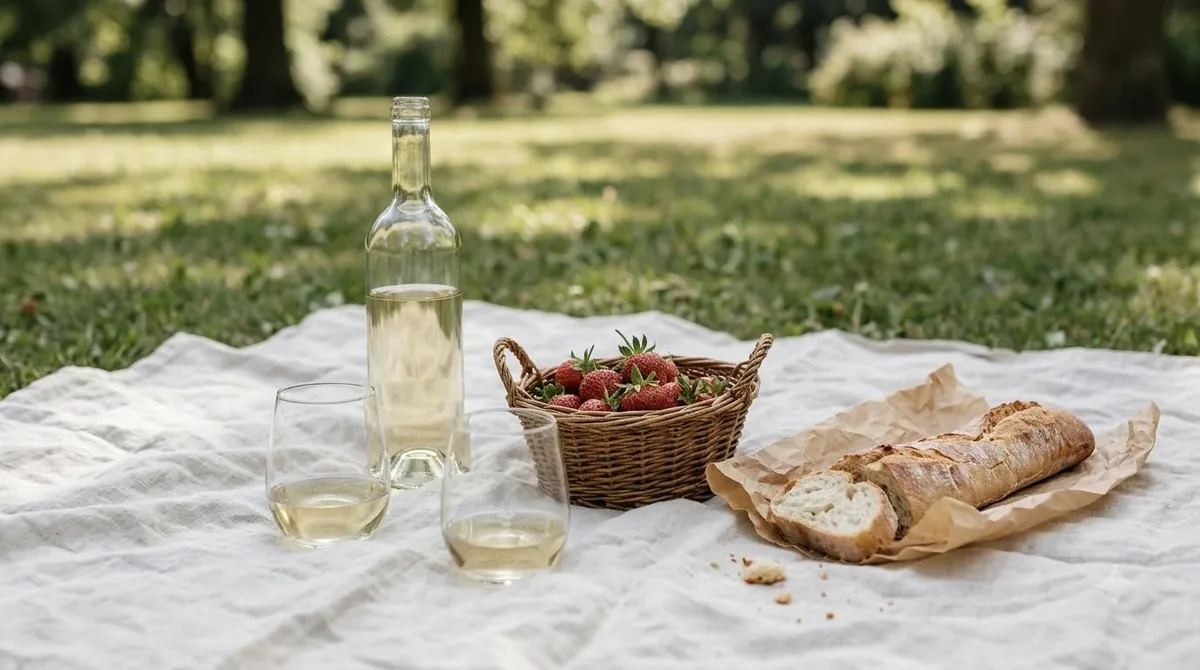
The flagship Whitehaven Sauvignon Blanc is the wine most buyers will meet first. The winery describes it as an expression of Marlborough’s lush and luminous fruit, and it lists citrus, lemongrass, and green apple on the nose and palate. The wine has a crisp, herbaceous edge and a long, clean finish, which suits it to a wide range of simple dishes.
The bottle has also been recognized by wine critics. The winery’s product page cites a Wine Spectator Top 100 Wines of 2024 listing, scored at 90 points for the 2023 vintage, and a 91-point Wine Enthusiast score for the 2024 vintage. Scores change with each release, so check the current vintage’s reviews before you buy a case.
| Bottling | What the winery highlights | Good with |
|---|---|---|
| Whitehaven Sauvignon Blanc | Citrus, lemongrass, green apple, crisp finish | Fresh seafood, grilled chicken, spicy Asian dishes |
| Windward Sauvignon Blanc | Aromatic intensity, white peach, passion fruit, crushed herbs | Rich seafood such as lobster, creamy goat cheese with herbs |
The Windward Reserve Bottling
Windward sits at the top of Whitehaven’s range. The winery describes it as the best of Marlborough Sauvignon Blanc and says it comes from the top five of 150 blocks in its own vineyards and partner growers’ fruit. Because the fruit comes from the most select vines, supply is limited, so the wine is best treated as a special-occasion bottle.
The winery’s materials describe Windward as more intense and mineral than the flagship, with notes of sea spray, white peach, passion fruit, and crushed green herbs. A Wine Spectator review quoted on the page mentions bright lemongrass, lemon thyme, and fresh-grated ginger. Those descriptions suggest a wine that shows more depth than a standard Sauvignon Blanc, and it rewards a slower, more attentive tasting. Pour a glass and give it a few minutes in the glass, then notice how the herbal and tropical notes shift as the wine warms slightly toward the top of its serving range.
How to Serve and Pair Whitehaven Wine
Serving temperature matters with a crisp white. Wine Folly recommends serving Sauvignon Blanc at 45 to 55 degrees Fahrenheit in a white wine glass. That range keeps the acidity lively and the aromas clear. Do not over-chill the bottle, because very cold wine can mute the grassy and tropical notes that make the style appealing.
For food, Sauvignon Blanc from Marlborough pairs with herb-driven sauces over chicken, tofu, or fish, and with fresh cheeses such as feta, chèvre, or mozzarella di bufala. Thai and Vietnamese dishes also work well, since the wine’s acidity and herbal notes cut through chili and lime. Asparagus, green peas, and zucchini suit the wine’s green character, and oysters are a classic match for the crisp finish.
Tip: Match the wine to the herbs in the dish. A dill or mint sauce brings out the herbal side of the flagship, while a lemon-herb dressing makes the wine taste brighter.
Who Whitehaven Wine Suits
Whitehaven suits buyers who enjoy a bright, aromatic white and want a reliable bottle for dinner parties or warm-weather meals. The flagship is a practical choice for guests who like fresh, fruit-forward wine. The Windward bottling is for people who want to explore the top of the Marlborough style.
Buyers who prefer a fuller, rounder white or a sweeter wine may prefer a different style. Those drinkers can look at other styles, such as the sweeter Stella Rosa Red, or a richer red like Spottswoode wine if they want something with more structure. Pedernales wine is another option to consider when comparing producers. For a broader view of brands and styles, see the Wine Brands guide.
Frequently Asked Questions
Where is Whitehaven wine made?
Whitehaven is made in Marlborough, New Zealand, which the winery and Wine Folly both identify as the hallmark region for Sauvignon Blanc. The company was founded in the Marlborough Sounds in 1993.
What does Whitehaven Sauvignon Blanc taste like?
The winery describes citrus, lemongrass, and green apple notes with a crisp finish. The style is typical of Marlborough, with bright acidity and fresh fruit.
What temperature should I serve Whitehaven white?
Serve Sauvignon Blanc at 45 to 55 degrees Fahrenheit, according to Wine Folly. That range keeps the wine crisp without muting its aromas.
What is Windward?
Windward is the reserve-tier Sauvignon Blanc from Whitehaven. The winery says it comes from the best blocks in its vineyards and partner growers, and that supply is limited.
Whitehaven wine is a clear entry point to Marlborough Sauvignon Blanc, with a flagship that suits fresh seafood and light dishes and a reserve bottling for a more intense experience. Start with the flagship if you want a dependable everyday white, then try Windward when you want to see what the region can do at the top of the range. The winery’s about page covers its founding and vineyards in more detail, and Wine Folly’s Sauvignon Blanc guide explains the grape’s general style.
More in Wine Brands
 Underwood Wine Price: Compare Bottles, Cans, and Pack SizesUpdated Nov 21, 2026
 Zenato Wine Price: Compare Styles and Choose the Right BottleUpdated Nov 21, 2026
 Zuccardi Wine Price: Compare Bottles and Find the Right RangeUpdated Nov 21, 2026
 Yellow Tail Moscato Review: Taste, Sweetness and Serving TipsUpdated Nov 21, 2026
 Wolf Blass Yellow Label Review: Choose Your Best StyleUpdated Nov 21, 2026
 Wolffer Estate Rose Review: Choose the Right Bottle for Your TableUpdated Nov 21, 2026