

We may earn a commission when you buy through links on this page, at no extra cost to you. Learn more.
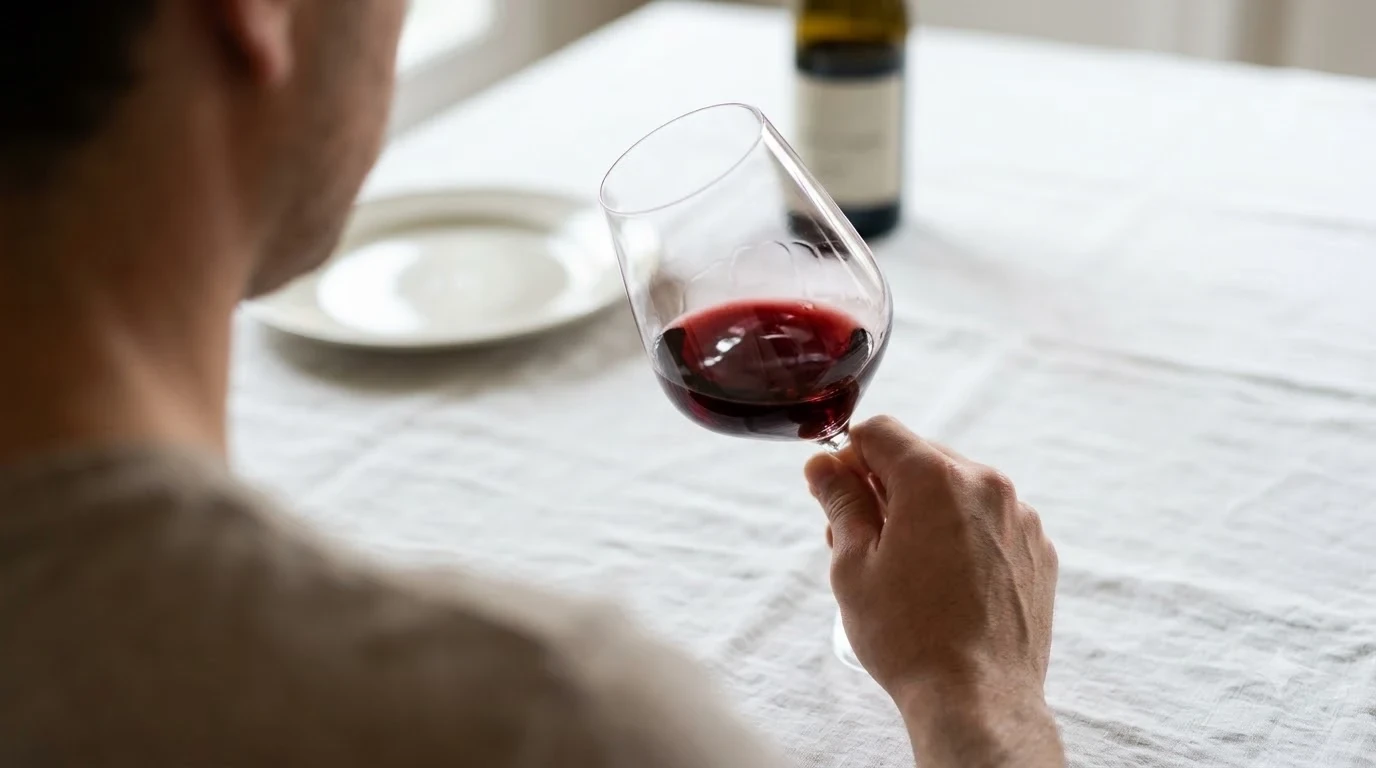
7 Deadly Zins is a red Zinfandel known for jammy blackberry fruit, spice, and a full, lush body. It belongs to the bold, fruit-forward style of Zinfandel, so it suits people who enjoy rich reds with noticeable tannin and warm, smoky flavors. Because the label is built on the grape, the best way to judge it is to understand how Zinfandel behaves in the glass.
This guide explains what the 7 Deadly Zins name means, what the wine tastes like based on the grape it is made from, how to serve it, and what to pair it with. It also covers how the producer describes its family history, so you can judge whether the style fits your taste.
What is 7 Deadly Zins?
7 Deadly Zins is a wine label built around Zinfandel, a dark-skinned grape that became strongly associated with California. The grape itself is often called “Zin” by fans, and the wine is marketed as a red with big fruit flavor. The label is widely associated with Michael David Winery in Lodi, California, though the brand’s own page did not load for this guide, so the details below come from the winery’s general about page.
The producer’s history helps explain its approach. According to the Michael David Winery about page, the Phillips family has farmed land in Lodi since the 1860s, and Mike Phillips opened a small tasting room at his parents’ farmstand in 1984 that later became the winery. The winery describes itself as family-run and produces its wines under a set of more than 100 sustainability standards called the Lodi Rules.
Understanding that background matters less than tasting the wine, but it does explain why many Lodi producers emphasize farming and grape quality. For a bold red, the quality of the fruit often shapes the final result more than the winemaking style.
Flavor and style of Zinfandel
Zinfandel is typically a fruit-forward red. Reviewers and grape references describe it as jammy and bold, with flavors of blackberry, strawberry, and peach preserves, and often cinnamon and sweet tobacco. Cooler sites tend to yield red berries, while warmer sites produce deeper black fruit with baking spice and pepper.
Because Zinfandel is a full-bodied wine with medium-high tannin, it feels rich and mouth-filling. Alcohol levels are usually high, and some references list them above 14 percent, which adds weight and warmth. That combination is what makes the style stand out, and it is also why some drinkers prefer a lighter red.
Where Zinfandel grows
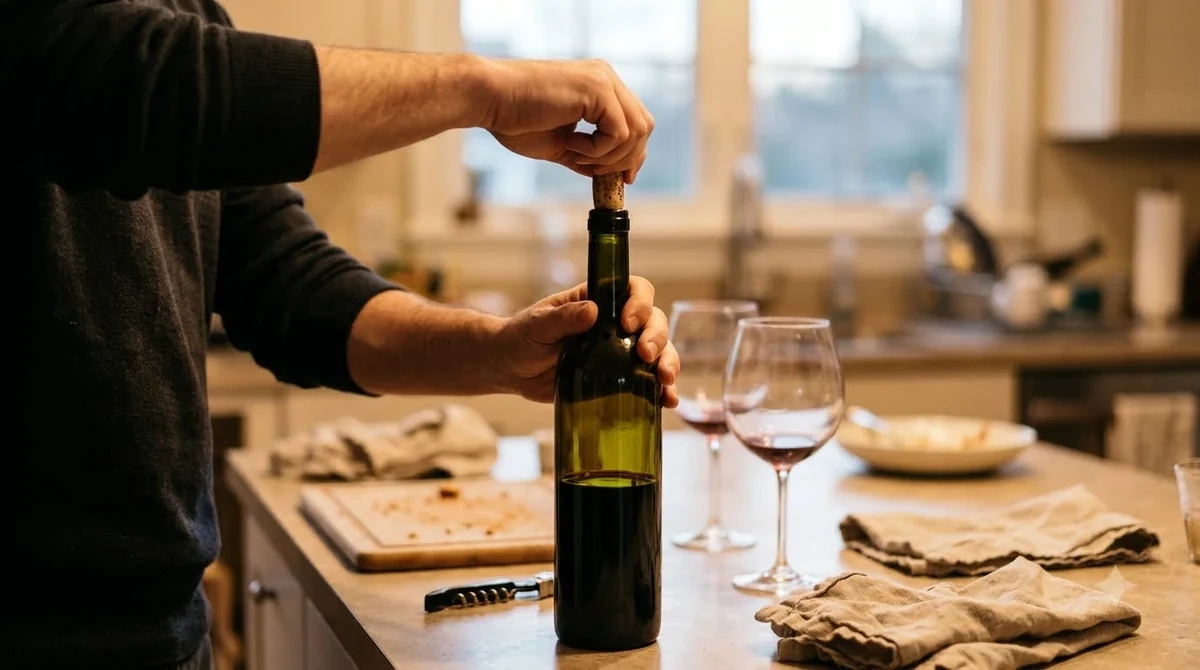
Zinfandel grows best in warm, sunny regions, and a detailed grape profile from Wine Folly’s Zinfandel guide lists the main growing areas. In the United States, the grape is planted mainly in Lodi, Paso Robles, the North Coast, and the Sierra Foothills. Italy is also a major producer, especially in Puglia, where the grape is known there as Primitivo. The grape has thin skins and is sensitive to terroir, so the same vine can taste noticeably different from one site to another.
This is one reason Zinfandel labels vary so much. A wine from a cooler spot may show brighter red fruit and more acidity, while a wine from a hot, dry area often tastes richer and more concentrated. When you read a Zinfandel label, the region name is often the best clue to what you will taste.
How to serve 7 Deadly Zins
Serve Zinfandel at a cool room temperature rather than warm. A range of about 60 to 68 degrees Fahrenheit is a common guide for bold reds. Serving it too warm can make the alcohol feel more prominent and blur the fruit.
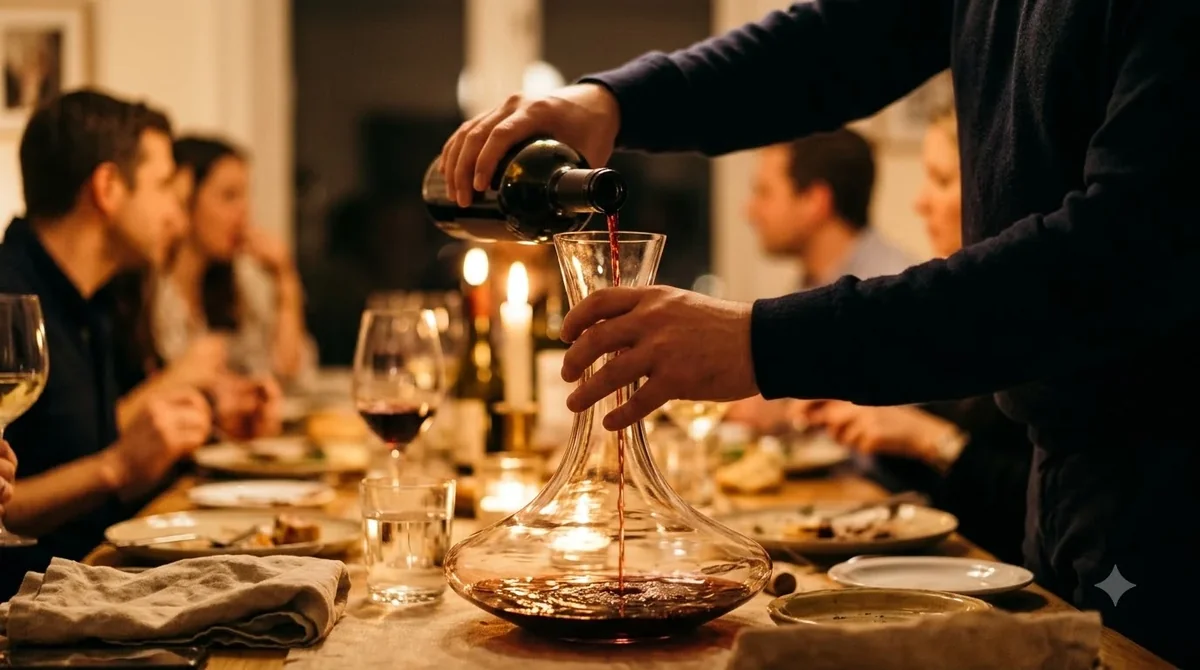
A large red wine glass gives the aromas room to open. Decanting for about 30 minutes can soften the tannins and help the fruit and spice show clearly. Most Zinfandels are meant to be drunk within a few years of release, though some well-made examples can age longer. Check the producer’s guidance on the bottle or the winery site before cellaring.
Food pairings for Zinfandel
Zinfandel’s ripe fruit and spice pair well with food that has smoke, char, or barbecue sauce. Grilled meats, smoked sausages, and burgers with bold toppings all suit the wine. Hard, aged cheeses also work, along with vegetables that have been roasted or grilled until caramelized.
| Type of dish | Why it works with Zinfandel |
|---|---|
| Barbecue ribs or pulled pork | Smoke and sweet sauce match the wine’s fruit and spice |
| Grilled steak or burgers | Fat and char soften the tannin |
| Aged cheddar or Manchego | Nutty, salty flavors balance the fruit |
| Roasted vegetables | Caramelized edges echo the wine’s warm notes |
Tip: Pair a bold Zinfandel with food that has enough fat or protein to carry its tannin. Light salads or delicate fish can taste harsh next to a big red.
Common mistakes when buying Zinfandel
The most common mistake is serving a bold Zinfandel too warm. A bottle left in a hot kitchen or poured straight from a sunny counter can taste hot and syrupy, and the fruit loses its shape. A short stay in the refrigerator before pouring, or a few minutes in a cool room, usually fixes this.
Another mistake is expecting a light, crisp red. Zinfandel carries more weight than Pinot Noir or Beaujolais, so a glass on a warm afternoon can feel heavy. Choose it for a meal with substance, and save lighter reds for picnic weather.
Finally, do not judge a Zinfandel only by its color. Zinfandel is often deeply colored, but the depth of color does not always predict how tannic or sweet the wine tastes. Read the tasting notes and, where possible, look at what the producer says about its growing region.
Who should try 7 Deadly Zins?
This style suits drinkers who like fruit-forward reds, warm spice, and a fuller mouthfeel. People who enjoy bold barbecue or rich grilled food often find Zinfandel a natural fit. It can also appeal to those who want a red with more personality than a light Pinot Noir.
Drinkers who prefer crisp, lean reds with higher acidity may find Zinfandel too heavy. If you are new to the grape, try a bottle served slightly cool with a meal rather than on its own, so you can judge how the fruit and tannin feel with food.
If you want to compare other bold California reds from producers with a similar family-farm approach, our guides to Pedernales wine and Spottswoode wine cover different styles. For the lighter end of the range, Stella Rosa Red shows a very different approach to red wine.
Frequently Asked Questions
What kind of wine is 7 Deadly Zins?
7 Deadly Zins is a red wine made from Zinfandel. It is typically described as bold and fruit-forward, with blackberry and spice flavors and a full body.
Is 7 Deadly Zins sweet or dry?
Zinfandel is generally made as a dry red, though its ripe fruit can taste rich and jammy. Check the bottle or the producer’s tasting notes for details on sweetness in a specific vintage.
What should I serve with 7 Deadly Zins?
Grilled and barbecued meats, smoked sausages, and aged cheeses are strong choices. Roasted vegetables also work well because their caramelized flavors echo the wine’s warm notes.
How should I store an open bottle?
Recork the bottle and keep it in a cool place, then drink it within a few days for the best fruit. Refrigerating it briefly before serving also helps keep the wine fresh.
7 Deadly Zins is a useful entry point to Zinfandel if you want a red with bold fruit and spice. Serve it slightly cool, pair it with smoky or grilled food, and compare it with other styles in our wine brands guide to see how it fits your taste.
More in Wine Brands
 Underwood Wine Price: Compare Bottles, Cans, and Pack SizesUpdated Nov 21, 2026
 Zenato Wine Price: Compare Styles and Choose the Right BottleUpdated Nov 21, 2026
 Zuccardi Wine Price: Compare Bottles and Find the Right RangeUpdated Nov 21, 2026
 Yellow Tail Moscato Review: Taste, Sweetness and Serving TipsUpdated Nov 21, 2026
 Wolf Blass Yellow Label Review: Choose Your Best StyleUpdated Nov 21, 2026
 Wolffer Estate Rose Review: Choose the Right Bottle for Your TableUpdated Nov 21, 2026