

We may earn a commission when you buy through links on this page, at no extra cost to you. Learn more.
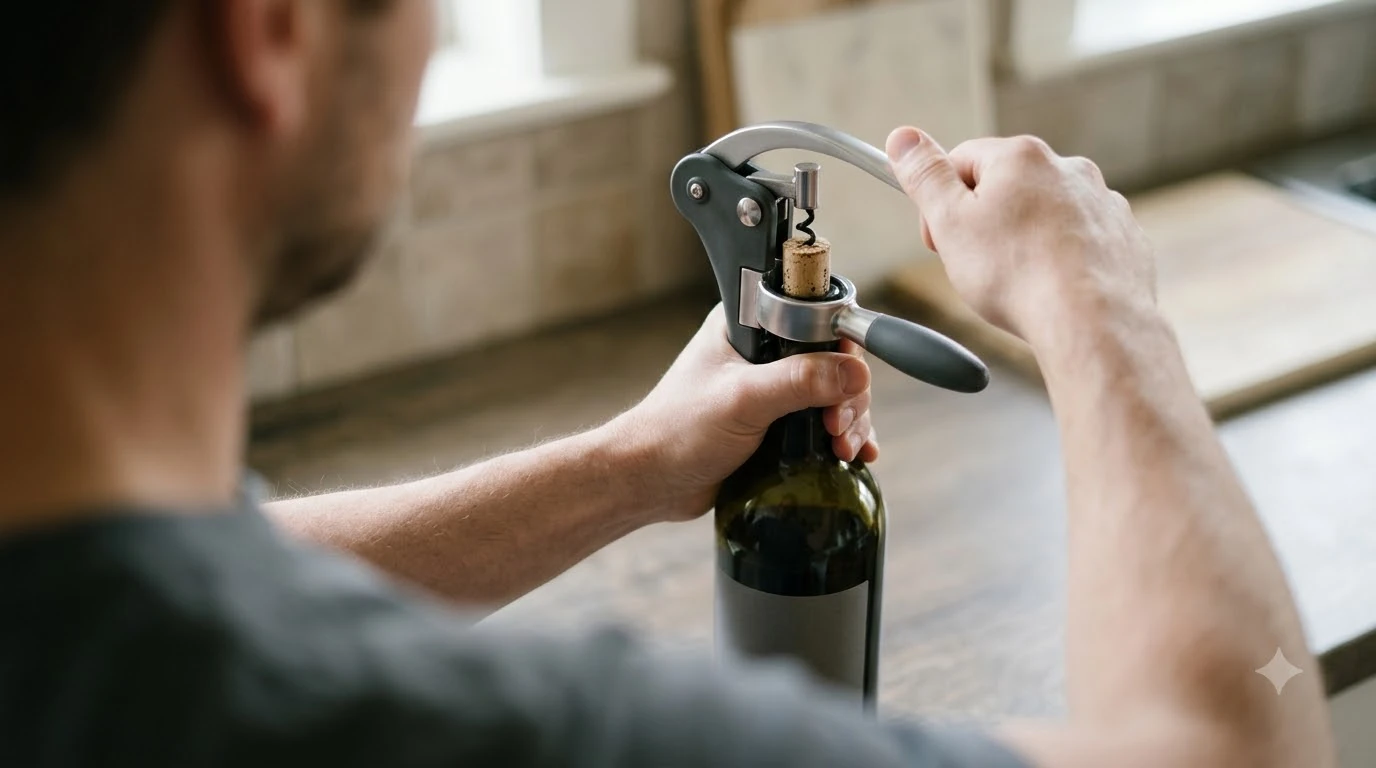
The zwilling corkscrew is a well-built wine-opening accessory worth considering for its stainless-steel construction, ergonomic shape and nonstick-coated spindle. The ZWILLING Sommelier Accessories corkscrew is designed to make opening traditional cork-finished wine bottles easier while providing a substantial, polished appearance. Its main strengths are material quality, thoughtful positioning features and comfortable handling, although its relatively large shape may not suit everyone. Buyers should also distinguish this model from ZWILLING’s separate double-lever and waiter’s knife designs before choosing.
A dependable corkscrew is one of the most useful tools in a home wine setup. Whether opening a bottle of Cabernet Sauvignon for dinner, serving Pinot Noir at a small gathering or preparing sparkling alternatives with a separate stopper, having a suitable opener makes bottle service more straightforward. ZWILLING offers several approaches to cork removal through its Sommelier Accessories collection. This review focuses on the 39500-048 Sommelier corkscrew, examining its specifications, customer feedback, practical advantages and limitations, and how it compares with other ZWILLING designs.
Specs and Key Features
The ZWILLING Sommelier 39500-048 combines 18/10 stainless steel, an ergonomic body and a nonstick-coated spindle in a relatively substantial handheld wine opener. Its graduated inner housing is another useful detail, helping position the mechanism on bottle necks before cork removal.
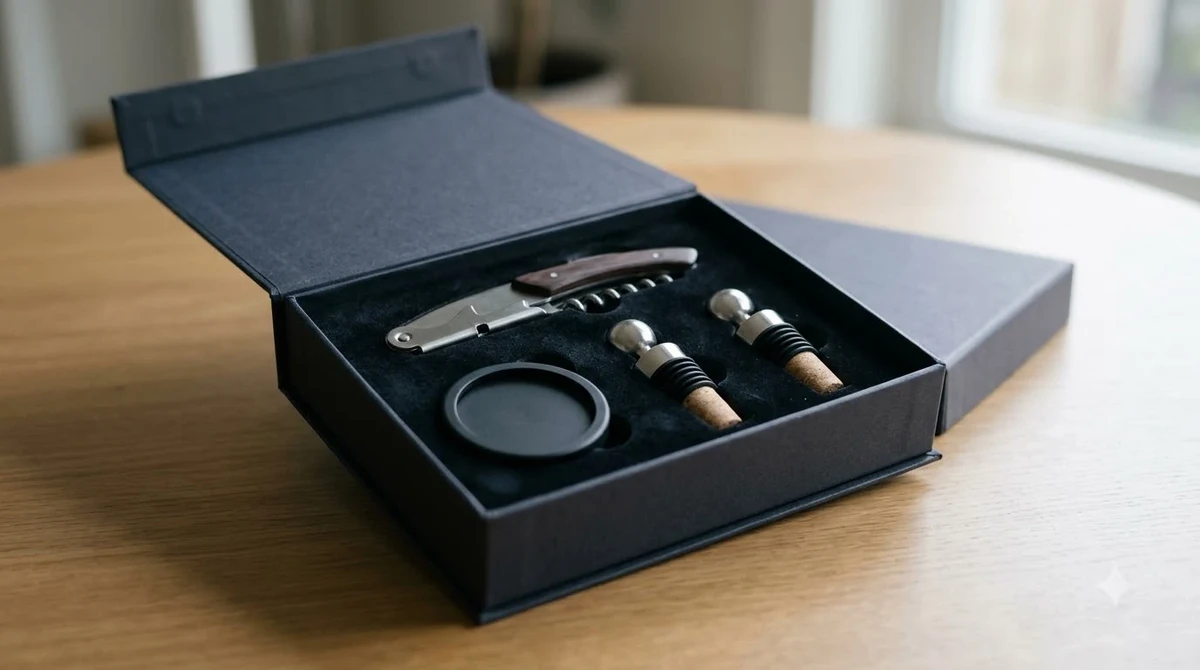
The most important distinction is that this is the larger Sommelier corkscrew, not the separate double-lever model or compact waiter’s knife. The manufacturer describes its construction and operating features on the official ZWILLING Sommelier product page. Those specifications provide a useful starting point for judging whether the design suits a particular kitchen or bar setup.
| Specification | ZWILLING Sommelier 39500-048 |
|---|---|
| Product category | Manual wine corkscrew |
| Collection | Sommelier Accessories |
| Item number | 39500-048 |
| Primary material | 18/10 stainless steel |
| Finish | Matte silver |
| Length | 7.48 inches |
| Width | 4.53 inches |
| Height | 1.97 inches |
| Net weight | 0.53 pounds |
| Spindle | Nonstick-coated |
| Positioning feature | Graduated inner housing |
| Ergonomics | Ergonomic body design |
| Country of origin | China |
The 18/10 stainless-steel construction is a central part of this product’s appeal. The designation describes a stainless-steel composition containing approximately 18% chromium and 10% nickel. Chromium contributes corrosion resistance, while nickel helps support the material’s resistance to corrosion and its finished appearance. These characteristics make stainless steel a sensible choice for a kitchen accessory that may encounter moisture regularly.
The nonstick coating on the spindle is another practical feature. A corkscrew needs to penetrate cork without creating unnecessary friction or tearing the material apart. A smoother spindle surface can help the screw enter more easily, although correct alignment and controlled rotation remain important. The coating should not be confused with a guarantee that every damaged, dried-out or unusually tight cork will come out intact.
Its dimensions deserve attention before purchase. At 7.48 inches long and 4.53 inches wide, this is not a tiny pocket opener. The 0.53-pound listed weight also gives it a more substantial feel than many compact waiter’s corkscrews. Buyers who prefer a full-sized tool may appreciate that construction, while people who prioritize drawer space or portability may find the footprint less convenient.
The graduated inner housing helps with positioning on bottle necks. This matters because a corkscrew should sit squarely above the cork before its spindle enters. An angled starting position can cause the screw to travel toward the side of the cork, increasing the possibility of breakage. The graduated sections provide a visual positioning aid rather than replacing careful handling.
What Owners Like
Customer feedback on the ZWILLING Sommelier design frequently emphasizes comfortable operation, attractive styling and a sturdy stainless-steel feel. Those characteristics are particularly relevant for buyers who want a dedicated wine accessory that looks appropriate on a home bar and feels substantial during regular use.
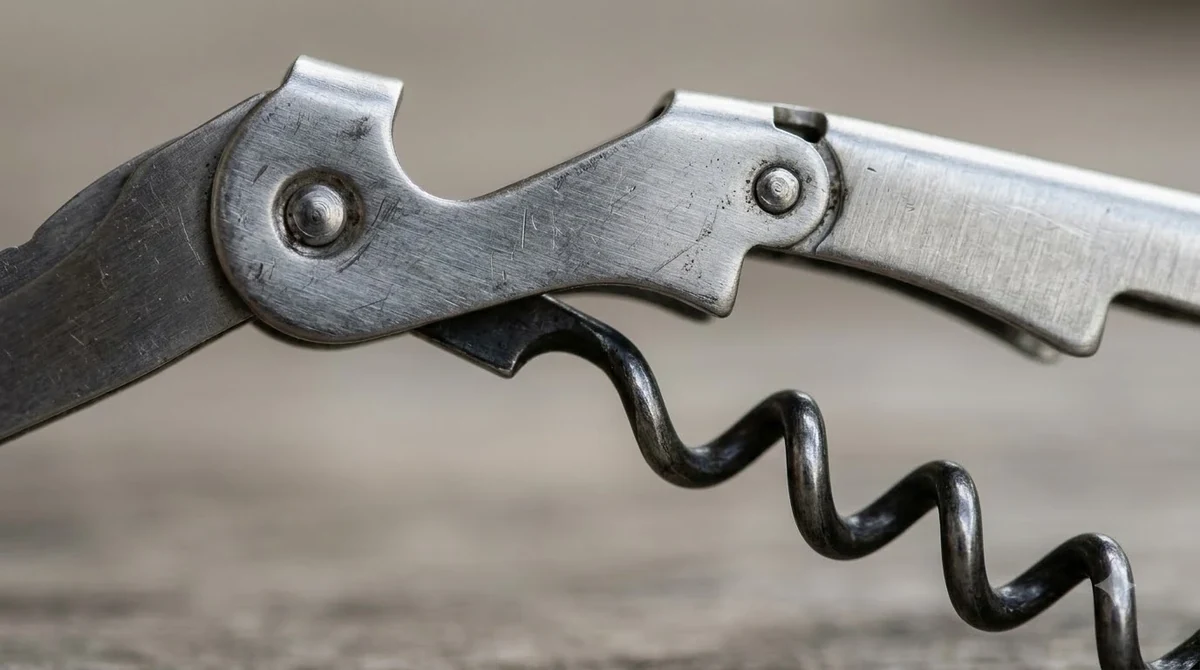
Ease of operation is one of the strongest themes in the available Wayfair feedback. Some reviewers describe the design as requiring little practice, which is an appealing quality for people who do not open wine bottles every day. A corkscrew that is easy to position and operate can be useful when entertaining guests who may not be familiar with more traditional waiter’s openers.
Another positive theme is the construction. Reviewers appreciate the stainless-steel appearance and sturdy feel, while one customer specifically praised the spindle’s central alignment and sharpness. That reviewer reported that the corkscrew removed corks without tearing them. These observations support the appeal of a carefully aligned spindle, although individual experiences do not establish identical performance with every cork type.
The product’s appearance also receives favorable attention. Its matte silver finish and substantial form give it a more formal presentation than a basic folding corkscrew. For a home wine station, matching the opener with stainless-steel accessories, glassware and serving equipment can create a coordinated arrangement without requiring an elaborate collection of bar tools.
Comfort is another potential advantage. The manufacturer describes the body as ergonomic, and a larger gripping surface can be useful for people who prefer holding a dedicated tool rather than manipulating a small folding mechanism. This is particularly relevant when opening several bottles during a dinner party or family gathering.
However, positive feedback should be interpreted in context. Customer comments describe individual experiences, not controlled comparisons between different corkscrew mechanisms. Cork condition, bottle-neck dimensions, technique and the amount of force required all influence the result. A well-designed opener can improve the process, but it cannot eliminate the problems associated with old, fragile or damaged corks.
The distinction between appearance and functional value is also important. A polished accessory can make a wine station look more organized, but its usefulness depends on reliable positioning, manageable operation and suitable storage. The ZWILLING design has features addressing these practical considerations rather than relying exclusively on decorative styling.
For buyers who appreciate stainless-steel kitchen equipment, the construction may be especially attractive. The material is familiar, easy to wipe down and visually compatible with many contemporary kitchens. Its relatively large dimensions are a trade-off rather than an automatic advantage, so it is best suited to someone who has room for a dedicated opener.
Common Complaints
The main considerations for potential buyers are the opener’s relatively large footprint, the possibility of individual handling preferences and limited clarity around some included accessories. Customer feedback is generally useful for identifying these practical questions, even when it does not establish a widespread manufacturing defect.
Size is the first consideration. At 7.48 inches long and 4.53 inches wide, the Sommelier 39500-048 occupies more space than a typical compact waiter’s corkscrew. A small kitchen drawer, crowded bar cart or travel wine kit may not be the ideal home for it. Buyers who want something that can disappear into a pocket or utensil organizer should consider a different opening style.
Its 0.53-pound weight may also divide preferences. Some people associate a heavier stainless-steel accessory with durability and a more substantial grip. Others prefer a lightweight tool that requires less effort to hold and manipulate. Neither preference is inherently better, but buyers should think about how they intend to use the opener rather than assuming that a heavier design automatically delivers better cork removal.
Surface feel is another point raised in customer feedback. One Wayfair reviewer described the material as slightly rough. This is an individual observation, not evidence that every unit has an uncomfortable finish. Nevertheless, people who are particularly sensitive to texture may want to inspect the product in person if possible.
One reviewer also mentioned receiving a paper-like clip without understanding its intended purpose. That comment illustrates why packaging and accessory information can matter. An unexplained component may create confusion, especially when a buyer expects a straightforward opener with clearly identified parts. It is sensible to keep packaging documentation until the contents have been identified.
There is also a learning element to using any manual corkscrew. The spindle needs to enter the cork centrally, and the body must remain properly aligned during rotation. Beginners who expect a completely automatic opening process may prefer an electric opener instead. Experienced users may find the manual operation straightforward, but the product still requires correct positioning and controlled movement.
Cork condition can create difficulties that should not automatically be attributed to the tool. Older natural corks may become brittle, synthetic closures may behave differently from natural cork, and unusually tight closures can require more careful extraction. If a cork starts crumbling, continuing to apply force without correcting the alignment can make the situation worse.
Tip: Before turning the spindle, position the corkscrew centrally over the cork and keep the opener aligned with the bottle neck. A straight starting position reduces sideways pressure and helps limit cork damage.
Finally, buyers should avoid assuming that all ZWILLING Sommelier products use the same mechanism. The 39500-048 is different from the 39619-000 double-lever opener and the 39500-049 waiter’s knife. Comparing the item number and product description before ordering helps prevent receiving a style that does not match the intended use.
Who Should Buy and Who Should Skip
The ZWILLING Sommelier 39500-048 makes the most sense for home wine drinkers who want a substantial manual corkscrew with stainless-steel construction and a dedicated place in their kitchen or bar. It is less suitable for people who prioritize compact storage, pocket portability or one-handed electric operation.
Regular home entertainers are a natural audience. Anyone who opens several bottles during weekend dinners, holiday meals or small gatherings may appreciate having a dedicated opener that is easy to locate and comfortable to hold. Its larger shape can be an advantage for people who dislike small folding accessories, provided they have enough storage space.
Wine enthusiasts who enjoy traditional bottle service may also appreciate its design. Opening a bottle of Bordeaux, Napa Valley Cabernet Sauvignon or Oregon Pinot Noir with a manual corkscrew can be part of a deliberate serving routine. The opener does not affect the wine’s quality, but a dependable tool helps keep the practical part of service organized.
Buyers furnishing a dedicated bar area may find the matte silver appearance especially suitable. It can sit alongside a wine key, foil cutter, stopper and decanter without looking out of place. A coordinated setup can be useful for people who regularly serve different wine styles and want their accessories within reach.
People who struggle with very small handles may appreciate the larger body, although individual grip preferences vary. The ergonomic description is encouraging, but it does not establish that the opener will suit every hand size or level of dexterity. Anyone with particular accessibility requirements should consider the physical opening motion before purchasing.
On the other hand, frequent travelers should probably consider a compact waiter’s corkscrew. A folding tool is easier to store in a picnic kit, serving bag or travel accessory case. The ZWILLING 39500-048 is better viewed as a stationary home accessory than a pocket-sized option.
People who prefer powered equipment may also want to skip this manual design. An electric wine opener uses a motor to perform the extraction process, which may be more convenient for someone who regularly opens bottles but dislikes manual turning. However, electric products introduce separate considerations, including charging, battery condition and the possibility of mechanical problems.
Beginners can consider the ZWILLING model, but should be comfortable learning a manual opening technique. If an opener must be extremely simple for occasional guests to operate without instruction, an electric model or a familiar lever-based design may be easier to understand. The right choice depends on the intended user rather than the brand name alone.
For shoppers comparing different styles, the best rabbit corkscrew options provide a useful starting point for examining lever-operated alternatives. Readers can also explore rabbit corkscrew reviews to understand how those mechanisms differ from conventional manual wine openers.
How It Compares to Alternatives
ZWILLING’s Sommelier collection includes several distinct approaches to opening cork-finished bottles. The 39500-048 emphasizes its larger ergonomic body and nonstick-coated spindle, while the 39619-000 uses a double-lever mechanism and the 39500-049 combines a corkscrew with two additional bottle-opening functions.
The double-lever model is the most direct comparison for someone considering another dedicated manual opener from the same collection. According to ZWILLING, the 39619-000 measures 7.87 inches long, 2.76 inches wide and 1.38 inches high, with a listed weight of 0.59 pounds. It is nickel-plated stainless steel and has a sharpened spindle with a central tip.
Its opening process is different. The user positions the opener on the bottle, turns the handle and then uses the lifting arms to extract the cork. This makes the double-lever mechanism a useful option for people who like a more visibly assisted extraction process. The 39500-048, by comparison, emphasizes its ergonomic housing, graduated positioning and nonstick-coated spindle.
The double-lever model is also narrower according to the manufacturer’s listed measurements. That can make it easier to fit into certain storage spaces, although its longer overall length means it is not necessarily the more compact choice in every direction. Buyers should compare the actual dimensions with their available drawer or bar-cart space.
The 39500-049 Sommelier waiter’s knife is another alternative. ZWILLING describes this design as combining three functions: a corkscrew, foil cutter and bottle-cap opener. Its two-step lifter system is intended to assist cork extraction, while its spindle is hardened, forged and coated to help it enter cork more easily.
The waiter’s knife is better suited to people who value portability and multiple functions in one tool. Instead of keeping separate accessories for cutting foil, extracting corks and opening crown caps, the user has one compact accessory. The trade-off is that the folding design requires a different hand position and technique from a larger dedicated opener.
| Model | Opening style | Main construction or feature | Best suited to |
|---|---|---|---|
| ZWILLING 39500-048 | Manual Sommelier corkscrew | 18/10 stainless steel, nonstick spindle | Dedicated home wine station |
| ZWILLING 39619-000 | Double-lever corkscrew | Nickel-plated stainless steel | Users who prefer lifting arms |
| ZWILLING 39500-049 | Two-step waiter’s knife | 18/10 stainless steel, Micarta handle | Portable multifunction use |
There is no universal winner among these three designs. The 39500-048 is appealing as a dedicated accessory, the 39619-000 offers a different mechanical approach, and the 39500-049 focuses on compact versatility. Each solves a slightly different storage and handling problem.
Buyers should also compare manual openers with rabbit-style lever mechanisms. A lever corkscrew can make the extraction process feel more mechanical and predictable for people who prefer a large operating handle. Traditional waiter’s knives are generally more portable, while electric openers are attractive to users who want motor-assisted operation.
For a coordinated home setup, the bar cart category offers ideas for storing openers alongside glassware, stoppers and serving accessories. A corkscrew should be selected according to the way bottles are opened, but its storage location also affects how convenient it is during entertaining.
Customer feedback provides another useful comparison point. The Wayfair listing for the Sommelier design includes comments about comfortable use, stainless-steel construction, alignment and surface feel. These observations can help buyers identify the details that matter in daily use, but they should not be treated as a substitute for comparing the exact product specifications.
ZWILLING’s Sommelier corkscrew customer feedback is useful for understanding the range of owner experiences. The comments are not uniformly identical, which is a reminder that comfort and handling can be subjective even when the product specifications are consistent.
Care and Storage
Good maintenance helps preserve the appearance and function of a stainless-steel corkscrew. The most practical routine is to remove visible cork residue, wipe the body dry after use and store the opener where its spindle cannot damage other utensils or accessories.
After opening a bottle, inspect the spindle for small pieces of cork. Natural cork can leave particles around the screw, particularly when the closure is dry or fragile. Remove loose material carefully rather than allowing residue to accumulate around the mechanism.
A soft, slightly damp cloth is a sensible choice for cleaning the stainless-steel exterior. Wipe the body to remove fingerprints, wine splashes and other surface residue, then dry it with a clean cloth. This helps maintain the matte silver appearance and avoids leaving unnecessary moisture on the accessory.
Because the spindle has a nonstick coating, abrasive cleaning pads and harsh scraping tools are best avoided. Aggressive cleaning can damage finishes on kitchen accessories. A gentle approach is more appropriate for removing ordinary residue after use.
Storage deserves equal attention. The Sommelier corkscrew is almost 7.5 inches long and approximately 4.5 inches wide, so a dedicated drawer section or accessory tray is more practical than squeezing it into a narrow compartment. Keeping it separate from loose cutlery also reduces the chance of scratches or accidental contact with the spindle.
A bar cart can be another convenient location, provided the accessory is protected from spills and excessive moisture. Place it near the wine glasses and bottle stoppers so that the opening equipment remains accessible during service. A small tray can help keep the opener from moving around when the cart is used.
Long-term storage should be dry and away from unnecessary heat or humidity. Although stainless steel offers corrosion resistance, no kitchen material is completely immune to poor storage conditions. Drying the opener before putting it away is a straightforward precaution.
It is also helpful to inspect the spindle and body occasionally. Look for visible bending, coating damage or loose components. A damaged spindle can make cork removal less predictable, while an opener that no longer sits securely on the bottle should not be forced into operation.
Finally, avoid using the corkscrew for tasks outside its intended purpose. It is designed for extracting wine corks, not prying open containers, removing caps without the appropriate mechanism or applying leverage to unrelated objects. Correct use and simple maintenance are the most practical ways to keep a manual wine opener useful over time.
Frequently Asked Questions
Can the ZWILLING Sommelier corkscrew open synthetic corks?
A manual corkscrew can generally be used with many synthetic closures, although the resistance can differ from natural cork. Synthetic materials may feel firmer or behave differently during extraction. Insert the spindle centrally and use controlled rotation rather than forcing the opener if resistance becomes excessive.
Is the 18/10 stainless-steel designation the same as rustproof?
No. The designation describes the alloy’s chromium and nickel content, which contribute to corrosion resistance. Stainless steel can still develop surface staining or corrosion under unfavorable conditions, particularly with prolonged exposure to moisture or unsuitable cleaning products.
Can a corkscrew be used on a bottle with a screw cap?
A traditional corkscrew is unnecessary for a screw-cap bottle because the closure is designed to rotate off by hand. Applying a corkscrew to the cap can damage the closure or bottle finish. The ZWILLING waiter’s knife’s separate bottle-cap function is intended for crown-style caps rather than ordinary screw closures.
Does the ZWILLING Sommelier corkscrew include a foil cutter?
The manufacturer’s description of the 39500-048 does not identify a separate foil cutter as one of its listed features. The Sommelier 39500-049 waiter’s knife, however, explicitly combines a corkscrew, foil cutter and bottle-cap opener. Buyers who want all three functions in one accessory should distinguish those item numbers before ordering.
Is the ZWILLING Sommelier corkscrew suitable for sparkling wine?
No traditional corkscrew is needed for most sparkling wine bottles, which use pressure-retained closures designed for controlled hand removal. Champagne and other traditional-method sparkling wines require particular care because internal pressure can propel the closure unexpectedly. A dedicated sparkling-wine stopper is more appropriate for preserving an opened bottle.
The ZWILLING Sommelier 39500-048 is a considered option for buyers who want a substantial stainless-steel manual corkscrew with an ergonomic body and nonstick-coated spindle. Its larger dimensions make it more appropriate for a dedicated home wine station than a compact travel kit, while the brand’s double-lever and waiter’s knife alternatives offer different operating styles. Compare the three designs by mechanism, storage requirements and intended use before choosing the opener that best fits your wine-serving routine.
More in Wine Accessories
 Vinglace Wine Tumbler Review: A Glass-Lined Choice for Better SippingUpdated Nov 20, 2026
 ZWILLING Electric Wine Opener Review: Features and DrawbacksUpdated Nov 20, 2026
 Vinturi Electric Wine Opener Review for Easy UncorkingUpdated Nov 20, 2026
 Vinabon Wine Aerator Review for Easier, Cleaner Wine ServingUpdated Nov 20, 2026
 Vacu Vin Electric Wine Opener Review: Easy Cork Removal for Home Wine LoversUpdated Nov 20, 2026
 Rabbit Wine Accessories for Easier Home Wine ServiceUpdated Nov 20, 2026