

We may earn a commission when you buy through links on this page, at no extra cost to you. Learn more.
Yellow Tail Big Bold Red is the bold-style red from the Australian Yellow Tail brand, made to be fruit-forward, easy to open and friendly with everyday meals. It belongs to the brand’s “Bold Flavourful Reds” family, which the producer builds around varieties such as Shiraz and Cabernet Sauvignon.
If you have picked up a Yellow Tail bottle and wondered what the Big Bold Red label promises, this guide covers the brand’s background, what the wine tastes like, and how to serve and pair it without much fuss.
Who makes Yellow Tail
Yellow Tail is produced by Casella Family Brands, a family-owned winery. The brand’s own story starts in 1957, when Filippo and Maria Casella moved from Sicily to Australia, and it is now run by the Casella family, who describe themselves as making wine for six generations. The company is based in Yenda, New South Wales.
The brand itself was developed in 2000, originally with export markets in mind. Its grapes come largely from the Riverina region near Griffith, New South Wales, with the rest sourced from other vineyards in south-eastern Australia. That sourcing approach is part of why the brand can keep a consistent house style from one year to the next.
What “Big Bold Red” means on the label
The name points to a style rather than a single recipe. The producer groups its reds under a bold, fruit-forward category, and the varieties it lists in that family include Shiraz and Cabernet Sauvignon. The brand’s materials do not spell out the exact blend in every bottle, so the most reliable guide is the label and the current product notes on the producer’s site.
What you can expect from a bold red of this kind is ripe dark fruit, a soft texture and an approachable finish. These are wines made to be enjoyed on opening rather than laid down for years, so you do not need to plan around a long cellar life.
Flavor profile and style
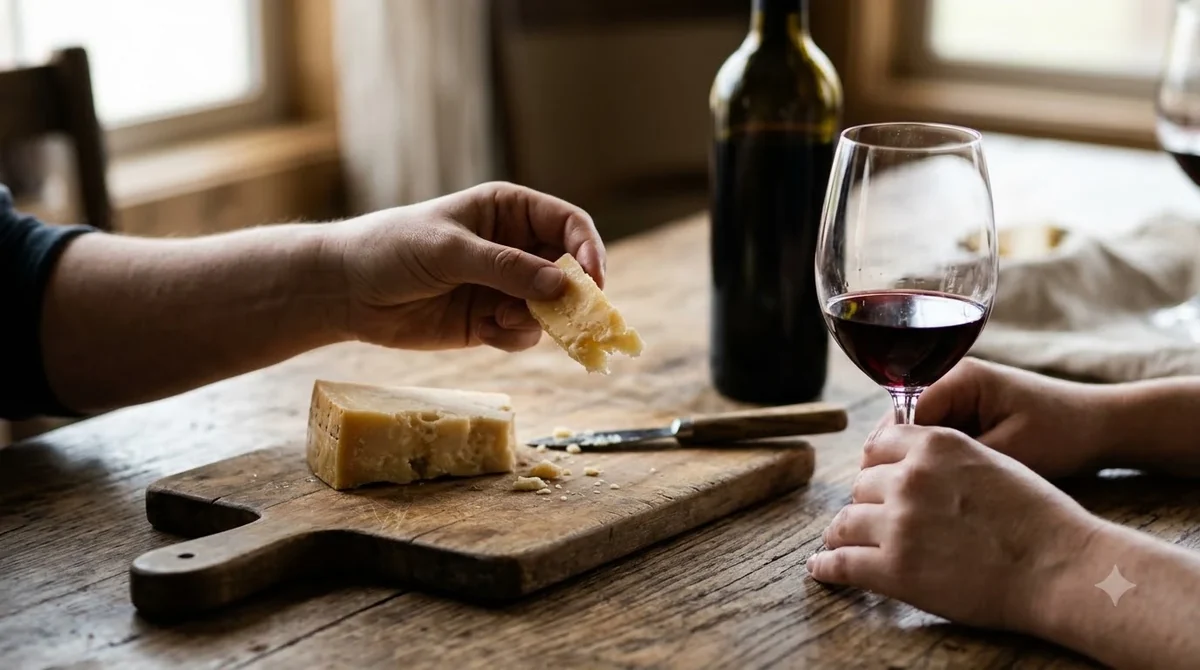
Shiraz, the Australian name for Syrah, typically gives dark plum, blackberry and a little pepper. Cabernet Sauvignon adds blackcurrant and a firmer structure. Blends built from these grapes tend to taste rich without being heavy, which is the balance this kind of bottle aims for.
Compared with a dry, lean red from a cool climate, a bold red like this usually feels rounder and fuller on the palate. The fruit sits forward, and the tannins are soft enough that most people find it easy to drink with or without food.
| Element | What to expect | Why it matters at the table |
|---|---|---|
| Fruit | Dark plum, blackberry, ripe cherry | Matches grilled and barbecued food |
| Tannin | Soft to medium | Easy with burgers, pizza and pasta |
| Spice | Light pepper and oak notes | Adds interest to roast meats |
| Body | Medium to full | Holds up to richer sauces |
How to serve Big Bold Red
Serve the wine slightly below room temperature, roughly 60 to 65 degrees Fahrenheit, so the fruit stays bright and the alcohol does not feel hot. If the bottle has been on a warm counter, a short spell in the refrigerator brings it into range. A standard wine glass with a good bowl lets the aromas develop.
Decanting is optional. A bold red can be poured straight from the bottle, but giving it 15 to 20 minutes in the glass helps the fruit open. Recork any leftover wine tightly and keep it cool; it will taste freshest within a day or two. For a casual party, pour a little into a glass for each guest rather than filling them to the brim, since the aromas are easier to enjoy in a smaller pour and the bottle lasts longer across the evening.
Tip: If the bottle tastes flat at first, let it sit in the glass for a few minutes. Bold reds often show more fruit once they have had a little air.
Food pairings that work
Big Bold Red is a natural fit for grilled food. Burgers, sausages, barbecued chicken and grilled steak all match the wine’s ripe fruit and soft structure. Pizza with tomato and cured meats is another easy choice, as is pasta in a rich tomato or meat sauce.
Avoid pairing it with very delicate seafood, since the bold fruit can overwhelm light fish. For a lighter meal, a white from the same producer is a better match, and our aveleda wine guide shows another approachable option to compare.
How to choose and buy
When you shop for a bold red, look at the producer’s name, the vintage year and any varietal information on the label. A varietal bottle tells you more about flavor than a generic blend name, and the grape sets the baseline for fruit and tannin. The brand’s approach is consistent across its range, so if you enjoy one Yellow Tail red, you will usually find the same general style in its siblings.
Price varies by retailer and region, so compare shelf prices rather than relying on a single figure. Because the wine is made to be drunk young, buy it for near-term use and avoid bottles that show heat damage, such as a bulging or leaking cork, or that have sat in direct sunlight.
If you want to compare the same price band with another brand, the antinori red wine and austin hope red wine guides cover reds with a similar everyday role, and they are useful for seeing how different producers approach fruit and oak.
Brand history and recognition
The brand’s sales history is a big part of its story. According to the Wikipedia entry on the brand, it became the number one imported wine to the United States in 2011, and its U.S. sales grew sharply in its first years on the market. The brand is named after the yellow-footed rock wallaby, and its success helped popularize animal imagery on wine labels in the United States.
Recognition like this also means the brand is widely available and widely counterfeited in some markets, so buy from a reputable retailer if you want the genuine article. The producer’s own website describes the family behind the wines and the current range, which is a useful place to check product details before you buy.
Frequently Asked Questions
Is Yellow Tail Big Bold Red a dry wine?
Bold reds in this style are generally dry, with ripe fruit rather than sweetness. Check the producer’s current product notes for the specific bottling, since style can shift a little between releases.
Should Big Bold Red be served chilled?
Serve it slightly cooler than room temperature, around 60 to 65 degrees Fahrenheit. A short time in the refrigerator is enough if the bottle has been out on a warm day, and a few minutes of rest in the glass will let the fruit show more clearly once poured.
What food goes well with Big Bold Red?
Grilled meats, burgers, pizza and rich tomato pasta are good matches. Keep very delicate seafood for a lighter white instead.
How long can I keep an opened bottle?
Recork it tightly, keep it cool and finish it within a day or two for the best flavor. Like most red wine, it loses freshness steadily once opened.
Yellow Tail Big Bold Red is a straightforward choice when you want a soft, fruit-forward red for an everyday meal or a casual gathering. Serve it slightly cool, pair it with grilled and tomato-based food, and check the label and the producer’s notes for the details of the bottle in front of you. For more labels to compare, browse the Wine Brands section.
More in Wine Brands
 Underwood Wine Price: Compare Bottles, Cans, and Pack SizesUpdated Nov 21, 2026
 Zenato Wine Price: Compare Styles and Choose the Right BottleUpdated Nov 21, 2026
 Zuccardi Wine Price: Compare Bottles and Find the Right RangeUpdated Nov 21, 2026
 Yellow Tail Moscato Review: Taste, Sweetness and Serving TipsUpdated Nov 21, 2026
 Wolf Blass Yellow Label Review: Choose Your Best StyleUpdated Nov 21, 2026
 Wolffer Estate Rose Review: Choose the Right Bottle for Your TableUpdated Nov 21, 2026