

We may earn a commission when you buy through links on this page, at no extra cost to you. Learn more.
Yakima Valley wine tasting offers visitors an opportunity to explore Washington’s oldest wine-growing region, discover distinctive Cabernet Sauvignon, Merlot, Syrah, Chardonnay, and Riesling, and visit more than 90 wineries spread across approximately 70 miles of south-central Washington countryside. The region combines high-desert sunshine, cool nighttime temperatures, varied vineyard elevations, and well-drained soils to produce an unusually broad selection of wines. First-time visitors can organize their trip around Yakima, Zillah and Rattlesnake Hills, Prosser, and nearby Red Mountain, with each area offering a different combination of wineries, landscapes, and tasting experiences.
Washington wine country is often associated with the larger Columbia Valley, but Yakima Valley deserves particular attention from travelers interested in understanding where the state’s wine industry developed. Its tasting rooms range from convenient downtown locations to vineyard properties overlooking agricultural valleys and mountain scenery. A little advance planning makes it possible to compare several grape varieties, understand the differences between growing areas, and enjoy a relaxed weekend without spending most of the trip driving.
Why Yakima Valley Is an Important Washington Wine Region
Yakima Valley stands out for its history, geographical diversity, and unusually broad grape selection. Established in 1983, it was the first federally recognized wine-growing region in the Pacific Northwest, and its vineyards remain central to Washington’s wine industry.
The Yakima Valley AVA is located in south-central Washington and forms part of the larger Columbia Valley AVA. According to the Washington State Wine Commission, it covers approximately 665,600 acres, although only a portion of that land is planted with wine grapes. Its importance comes from its concentration of vineyards and the range of growing conditions available within the appellation. The Yakima River runs through the region, supplying irrigation water in an otherwise relatively dry environment.
The appellation receives approximately 8 inches of precipitation annually. This low rainfall is an important reason that irrigation is central to local viticulture. Rather than relying exclusively on unpredictable seasonal rainfall, vineyard managers can regulate water availability during the growing season. The system allows growers to manage vine development and fruit production in response to individual vineyard conditions.
Geography also explains why the region can produce both fresh white wines and structured red wines. Areas closer to the Cascade Mountain foothills tend to be cooler, supporting grapes that benefit from a longer ripening period and the preservation of acidity. Warmer locations closer to the center of the Columbia Basin are better suited to varieties that need additional heat to achieve full ripeness.
According to the Washington State Wine Commission, Yakima Valley is one of the state’s few major appellations where white grape varieties outnumber red grape varieties. Chardonnay and Riesling are especially important, while Merlot, Cabernet Sauvignon, and Syrah contribute to the region’s reputation for quality red wines.
The valley also contains five nested sub-appellations: Candy Mountain, Goose Gap, Rattlesnake Hills, Red Mountain, and Snipes Mountain. These smaller growing areas provide additional distinctions in elevation, exposure, soil, and temperature. Visitors interested in learning about Washington wine can use these geographical differences as a starting point for comparing tasting flights.
For a broader understanding of the state’s geography, the Wine Regions resource provides useful context for comparing Yakima Valley with other American and international appellations. It also helps explain why a large regional name does not necessarily describe a single, uniform wine style.
Yakima Valley is particularly appealing to curious wine drinkers because its tasting rooms often feature several varieties rather than focusing on just one signature grape. A single visit may include crisp Riesling, aromatic Chardonnay, medium-bodied Merlot, and powerful Cabernet Sauvignon. That variety makes the region a practical destination for groups with different wine preferences.
Understanding the Climate, Soils, and Vineyard Landscape
Yakima Valley’s wine styles begin with its combination of a dry continental climate, significant summer sunshine, cool nights, and soils influenced by ancient flooding. These conditions help explain the region’s ability to grow both aromatic white grapes and concentrated red varieties.
The Cascade Mountains create a rain-shadow effect across eastern Washington. Pacific moisture is largely removed as weather systems move across the mountains, leaving the eastern side of the state substantially drier. Wine Enthusiast describes the Columbia Valley climate as arid, with approximately 300 days of sunshine. The combination of abundant sunlight and limited rainfall provides favorable conditions for ripening wine grapes when supported by irrigation.
Summer temperatures can be warm enough to ripen Cabernet Sauvignon and Syrah, while nighttime cooling helps preserve freshness. Wine Enthusiast reports that eastern Washington can experience temperature differences of approximately 40 degrees Fahrenheit between daytime highs and nighttime lows during autumn. These differences can slow the loss of natural grape acidity while allowing flavors and color to develop.
The growing season is also influenced by Washington’s northerly latitude. Harvest commonly extends into late September and October in the broader Columbia Valley growing region, allowing grapes to mature during a period of warm, dry days and increasingly cool nights. Actual harvest timing varies by grape variety, vineyard elevation, and seasonal conditions.
Soil composition is another defining feature. The Missoula Floods, which occurred more than 15,000 years ago, deposited substantial quantities of gravel, sediment, and other materials across eastern Washington. Subsequent wind activity added finer layers of silt and loess. Yakima Valley vineyards consequently contain different combinations of silt-loam, gravel, and basalt bedrock.
These soils are generally well drained, which is particularly useful in an irrigated growing environment. The combination of water management and drainage gives vineyard managers greater control over vine vigor and fruit development. Individual vineyards can therefore produce noticeably different expressions of the same grape variety.
For visitors, the practical lesson is that geographical proximity does not guarantee identical wines. Two wineries working with Cabernet Sauvignon may present different levels of ripeness, acidity, body, and oak influence because their vineyards occupy different sites and their winemaking decisions differ.
Look beyond the grape name when comparing tasting flights. Ask whether a wine comes from a cooler foothill location, a warmer southern-facing slope, or a higher-elevation vineyard. These details help explain the differences between wines more effectively than simply comparing red and white varieties.
Yakima Valley’s Main Wine Tasting Areas
The best way to organize a visit is to choose one or two geographical areas rather than attempting to cover the entire valley in one day. Yakima Valley Tourism identifies five principal wine-touring areas, each with its own collection of wineries and landscapes.
Yakima and Naches Heights
The Yakima area is a practical starting point for visitors who want a combination of downtown tasting rooms and rural vineyard experiences. Yakima Valley Tourism identifies approximately 10 winery stops in and around the city. Downtown locations make it possible to visit tasting rooms without traveling between distant vineyard properties.
Names to investigate include Kana Winery, Gilbert Cellars, Wilridge Vineyard, Winery and Distillery, and Yakima Valley Vintners. Their locations provide a useful starting point for comparing different winery settings and wine selections. Visitors interested in elevated vineyard scenery can also investigate Naches Heights, where tasting experiences offer a different perspective from the urban tasting rooms.
Zillah and Rattlesnake Hills
Zillah and Rattlesnake Hills are especially attractive to visitors interested in vineyard landscapes and a substantial selection of red and white wines. Yakima Valley Tourism identifies more than 20 wineries and approximately 1,800 vine acres in this area. Some vineyards occupy ridgetop locations above 3,000 feet in elevation.
Cabernet Sauvignon, Merlot, Syrah, Chardonnay, and Riesling are among the varieties associated with the area. The elevation and varied geology create opportunities for distinctive expressions of familiar Washington grapes. A visit here is particularly useful for comparing wines from different vineyard elevations and exposures.
The Rattlesnake Hills Wine Trail offers another way to identify participating producers and organize a visit. Its winery listings include estates such as Bonair Winery, Two Mountain Winery, Portteus Winery, and Dineen Vineyards. Confirm individual tasting availability before setting out because appointment requirements and opening schedules vary.
Prosser
Prosser is an excellent choice for visitors who want to reduce driving between tasting rooms. The town is recognized as the birthplace of Washington’s wine industry and has approximately 20 wineries. Nine are within walking distance of one another, making it particularly convenient for a day focused on tasting rather than vineyard transportation.
The local selection is also broad. Visitors may encounter varieties ranging from Albariño to Zinfandel, alongside familiar Washington grapes such as Cabernet Sauvignon and Merlot. This makes Prosser an especially useful destination for comparing traditional regional varieties with less familiar offerings.
Red Mountain
Red Mountain is a distinctive neighboring wine-growing area known for its warm conditions and concentrated red wines. Yakima Valley Tourism describes it as a small growing region characterized by a gentle southern slope, consistent winds, and varied soils.
Cabernet Sauvignon and other Bordeaux varieties are important here. Although Red Mountain is geographically associated with the wider Yakima Valley wine experience, it has its own AVA designation. Visitors should distinguish between the broader Yakima Valley appellation and the smaller sub-appellations when comparing bottle labels.
For additional regional details and current visitor information, consult the Yakima Valley winery and tasting-area directory. It provides a useful starting point for checking individual wine areas, winery listings, and guided tour opportunities.
Which Yakima Valley Wines Should You Taste?
Yakima Valley offers more than a single signature wine style. Its strongest tasting experience comes from sampling several varieties, beginning with fresh whites and moving toward fuller-bodied reds to understand how different vineyard conditions influence the finished wine.
Riesling
Riesling is one of the most important white varieties in Yakima Valley. The region’s cooler vineyard sites and naturally acidic growing conditions can produce wines with lively freshness, citrus aromas, orchard fruit, and floral character.
Styles range from completely dry to noticeably sweet. During a tasting, compare the wine’s acidity with its residual sugar. A sweeter Riesling can still taste refreshing when its acidity balances the sweetness. This is particularly useful when considering food pairings because Riesling can work with spicy dishes, salty foods, and aromatic Asian-inspired cuisine.
Chardonnay
Chardonnay offers another perspective on the region’s white wines. Depending on vineyard location and cellar decisions, Yakima Valley examples can range from crisp and citrus-driven to fuller-bodied wines with apple, pear, peach, and creamy textures.
Oak aging can introduce vanilla, toast, and baking-spice characteristics, while stainless-steel fermentation generally emphasizes fresh fruit and a cleaner texture. Ask whether a Chardonnay has undergone malolactic fermentation, which can soften acidity and create a rounder impression.
Merlot
Merlot is a particularly useful red wine for understanding Washington’s growing conditions. It typically has medium tannin and softer texture than Cabernet Sauvignon, with flavors that can include plum, cherry, blackberry, and cocoa.
Yakima Valley Merlot can be an appealing choice for visitors who prefer red wine without the firm structure associated with some Cabernet Sauvignon bottlings. Compare versions with different amounts of oak aging to see how barrel influence changes the wine’s texture and aromatic profile.
Cabernet Sauvignon
Cabernet Sauvignon is an important variety in warmer Yakima Valley locations and nearby Red Mountain. Expect wines with dark fruit, cassis, blackberry, and potentially herbal, earthy, or savory notes. Its relatively high tannin gives the variety a firmer structure than Merlot.
Visitors interested in wine history can ask about Harrison Hill Vineyard, which contains some of Washington’s oldest Cabernet Sauvignon vines, dating to 1963. The vineyard provides a useful example of the region’s long-established viticultural history.
Syrah
Syrah is another important red variety to seek out. Washington examples can show blackberry, blueberry, pepper, smoked meat, and savory spice. Cooler nighttime temperatures help preserve aromatic freshness, while warmer vineyard sites can support fuller-bodied expressions.
Syrah is a particularly interesting comparison with Cabernet Sauvignon. Although both can have substantial structure, their aromatic profiles are different. Cabernet often emphasizes cassis and blackcurrant, while Syrah can bring more peppery and savory notes.
Other Varieties Worth Exploring
Do not overlook Sauvignon Blanc, Cabernet Franc, Grenache, Mourvèdre, Malbec, Viognier, or Albariño when they appear on tasting menus. These varieties can provide a broader understanding of the region’s experimentation and growing diversity.
Washington’s overall production is dominated by Cabernet Sauvignon, Chardonnay, Riesling, Merlot, and Syrah, which together account for more than 80% of annual grape tonnage according to Wine Enthusiast. Smaller varieties nevertheless offer some of the most interesting comparisons during a multi-winery visit.
One useful tasting strategy is to choose a familiar variety at the first winery and compare it with an unfamiliar variety at the next. This gives the day a clear theme while leaving room to discover something unexpected.
Planning a Yakima Valley Wine Tasting Itinerary
A successful itinerary should balance the number of wineries, travel distances, tasting durations, and meal breaks. Two or three carefully selected wineries make a more comfortable day than trying to visit every available tasting room.
For a first visit, begin by choosing between the Yakima area, Zillah and Rattlesnake Hills, and Prosser. Each offers a different experience, and focusing on one area reduces unnecessary driving. If the trip lasts an entire weekend, allocate a separate day to another area rather than trying to combine everything into a single route.
One-Day Yakima Itinerary
Start with a morning appointment at a winery in or around Yakima. This is a good opportunity to explore a white wine flight featuring Riesling and Chardonnay before moving on to red varieties. Allow approximately 60 to 90 minutes for a relaxed tasting and time to ask questions.
For the second stop, choose a rural property or a winery in Naches Heights. The change of scenery gives the day variety and provides an opportunity to learn about vineyard conditions. A lunch break between the second and third winery is preferable to scheduling tastings continuously.
Finish with a third winery offering a different grape selection. A producer specializing in Syrah or Cabernet Sauvignon provides a useful contrast to the lighter wines enjoyed earlier. Keep the final visit relaxed, particularly if the group plans to have dinner in Yakima.
Two-Day Wine Country Weekend
For a longer trip, use the first day to explore Yakima and the surrounding vineyard properties. Include a combination of urban tasting rooms and one rural destination, then spend the evening in the city.
On the second day, choose either Zillah and Rattlesnake Hills or Prosser. Zillah and Rattlesnake Hills are good choices for visitors interested in estate vineyards, elevation, and a mixture of red and white varieties. Prosser is better suited to travelers who prefer convenient access to several tasting rooms within a relatively compact area.
Visitors who have additional time can include nearby Red Mountain, particularly if Cabernet Sauvignon is a major interest. Because driving distances can add up quickly, consider arranging transportation or booking a guided wine tour rather than attempting to cover multiple areas independently.
| Itinerary element | Suggested time | Planning purpose |
|---|---|---|
| First winery tasting | 60–90 minutes | Explore the region’s white or red wines |
| Travel between stops | 20–40 minutes | Allow time for rural roads and parking |
| Second winery tasting | 60–90 minutes | Compare another producer and vineyard area |
| Lunch break | 60 minutes | Enjoy a meal and rest between tastings |
| Third winery tasting | 60–90 minutes | Finish with a different wine style |
| Evening meal | 60–90 minutes | Enjoy local food and complete the day |
These are suggested planning allowances, not published appointment durations or guaranteed travel times. Winery schedules, traffic, road conditions, and the amount of time spent at each stop can change the actual itinerary.
Tip: Limit a full day to approximately three winery visits, reserve appointments where required, and designate a sober driver or arrange professional transportation. A slower schedule makes it easier to appreciate differences between wines and enjoy the scenery.
For organized transportation, Yakima Valley Tourism identifies guided experiences by bicycle, bus, and private vehicle. Options listed in its visitor information include Little Hopper Tours, Cycle Yakima, and other wine tour providers. Check route coverage, group size, pickup arrangements, and winery reservations before booking.
Another practical consideration is the distinction between the Yakima Valley AVA and its neighboring appellations. If a winery offers wines from multiple Washington regions, ask where each wine’s grapes were grown. A tasting room located in Yakima does not necessarily mean every wine it serves comes from Yakima Valley vineyards.
Travelers comparing different wine destinations can also explore Hunter Valley wine tasting for an Australian perspective on vineyard tourism and regional wine styles. Its warmer climate and different grape-growing traditions provide an interesting contrast with eastern Washington.
Best Seasons, Reservations, and Tasting Etiquette
Yakima Valley can be visited throughout much of the year, but the experience changes with the seasons. Late spring, summer, and early autumn are particularly attractive for vineyard scenery, while harvest season provides additional opportunities to learn about grape growing and winemaking.
Spring brings renewed vineyard activity, green landscapes, and generally pleasant conditions for visiting tasting rooms. It is a good season for travelers who prefer a quieter experience and want to avoid some of the busiest periods. Vineyard development is visible, although the appearance of the vines changes considerably as the growing season progresses.
Summer offers warm, sunny days and long daylight hours. These conditions are ideal for enjoying outdoor tasting areas, vineyard views, and picnics where permitted. Temperatures can become hot, however, so schedule outdoor activities earlier in the day and bring suitable clothing and drinking water.
Late summer and early autumn are especially interesting because grape ripening and harvest become major activities. Harvest timing depends on variety and vineyard conditions, so the experience can differ from one winery to another. Visitors may find special events or educational opportunities, although access to production areas is not guaranteed.
Winter can also be appealing for travelers interested primarily in tasting rooms rather than vineyard scenery. Some wineries adjust their hours or operate by appointment during the colder months. Check individual schedules before planning a winter trip, especially when traveling between smaller rural properties.
Making Reservations
Not every Yakima Valley tasting room operates on the same schedule. Some welcome walk-in visitors, while others require advance reservations or offer limited opening hours. A tasting room’s published seasonal schedule should take priority over assumptions based on another winery’s hours.
Before visiting, check whether the winery accepts walk-ins, how many people it can accommodate, and whether vineyard tours require separate bookings. Ask about group policies if traveling with more than six people. Some properties have restrictions on children, pets, outside food, or photography in production areas.
Appointments are particularly useful for visitors who want a detailed tasting or a meeting with winery staff. A scheduled visit can provide more time to discuss grape sourcing, fermentation, barrel aging, and the differences between vineyard sites.
How to Taste Wine Effectively
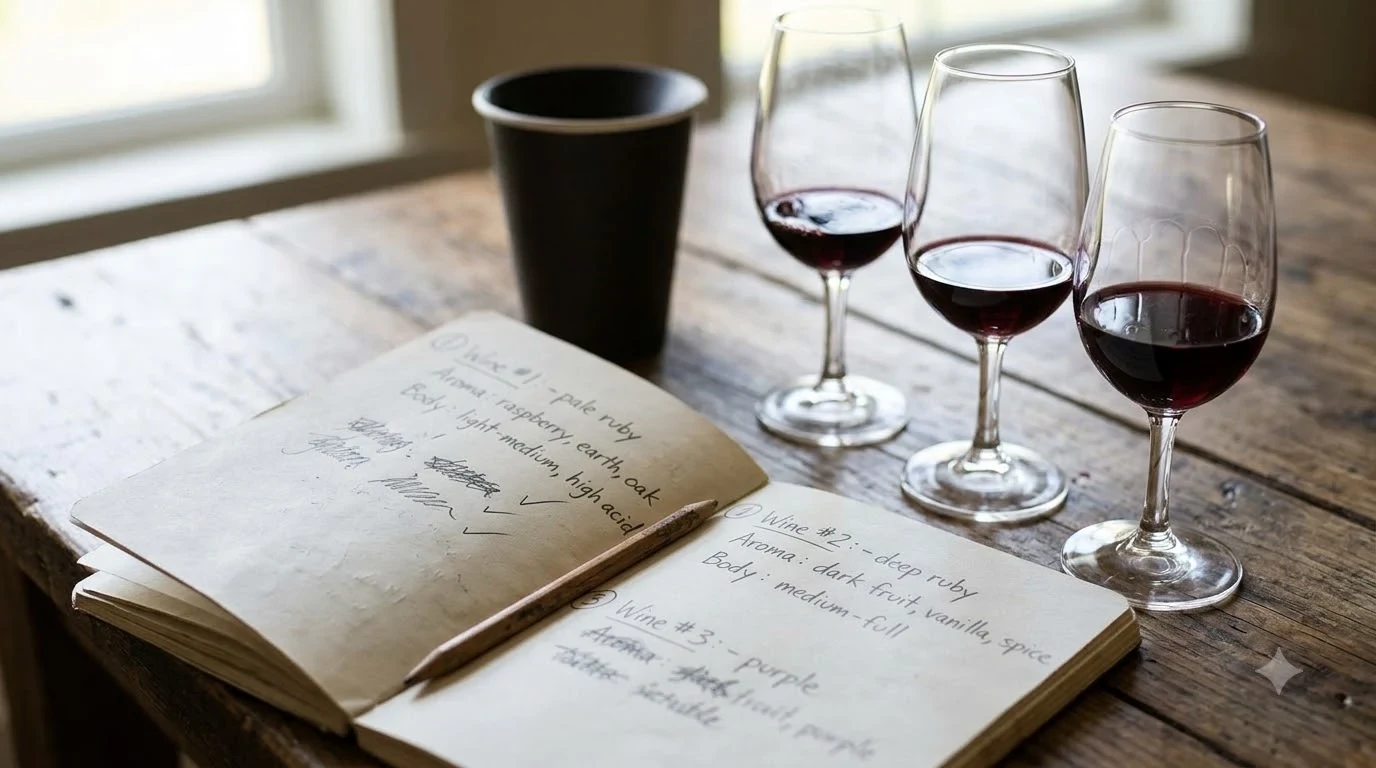
Begin by looking at the wine’s color and clarity. Swirl the glass gently to release aromas, then smell before taking a small sip. Pay attention to fruit, acidity, tannin, alcohol, body, and the length of the finish.
When comparing wines, use the same basic questions at each winery. Is the Riesling dry or sweet? Does the Chardonnay have noticeable oak? Is the Merlot softer than the Cabernet Sauvignon? Does the Syrah show peppery or savory characteristics? These comparisons help turn a series of individual tastings into a useful learning experience.
Use a consistent tasting glass when possible and avoid wearing strong fragrances that could interfere with aromas. Spitting is perfectly acceptable in professional and educational tasting environments. Visitors can also decline additional pours without feeling obliged to finish every sample.
Keep brief notes on the wines you particularly enjoy. Record the winery, grape variety, vineyard area, and any distinctive characteristics. This makes it easier to remember favorite bottles after visiting several producers.
Food Pairings and Serving Yakima Valley Wines
Yakima Valley’s agricultural surroundings make food an important part of the regional experience. Its wines cover enough styles to accompany everything from fresh seafood and salads to grilled meat, roasted vegetables, and rich dishes.
Riesling is a flexible partner for food because its acidity helps balance richness and its sweetness can complement spicy flavors. Dry Riesling works well with seafood, chicken, and salads with citrus-based dressings. Sweeter versions can pair particularly well with dishes that include chili, ginger, or aromatic spices.
Chardonnay is a natural choice for roasted chicken, creamy pasta, grilled fish, and dishes featuring mushrooms. A crisp, unoaked Chardonnay works particularly well with lighter preparations, while a fuller-bodied, oak-influenced version can support richer sauces and roasted ingredients.
Merlot is well suited to roasted poultry, burgers, pork, and mushroom dishes. Its medium tannin and relatively soft texture make it a versatile option for meals that do not require the intensity of a powerful Cabernet Sauvignon.
Cabernet Sauvignon works particularly well with grilled beef, lamb, and other protein-rich dishes. Its higher tannin can be softened by protein, salt, and fat. This is why a structured red wine often feels more balanced alongside a grilled steak than when consumed without food.
Syrah can complement grilled lamb, barbecued meats, roasted vegetables, and dishes with black pepper or herbs. Its savory aromatic profile gives it a particularly natural relationship with smoky and richly seasoned foods.
Food acidity matters as well. A dish featuring tomatoes, lemon, vinegar, or citrus needs a wine with equal or greater acidity to avoid making the wine taste flat. Oily fish generally works better with crisp white wines than with highly tannic reds, which can create an unpleasant combination.
Wine sweetness should also be considered when pairing with desserts. The wine should be at least as sweet as the dessert, or the wine may taste sour and thin by comparison. A lightly sweet Riesling is generally a better dessert partner than a dry Cabernet Sauvignon.
Serving Temperatures
Correct serving temperature helps reveal a wine’s aromas and structure. Very cold white wines can seem muted, while warm red wines can make alcohol feel more prominent. Yakima Valley wines benefit from the same temperature principles used for other quality wines.
| Wine style | Suggested serving temperature |
|---|---|
| Light-bodied white wines | 45–50°F |
| Full-bodied Chardonnay | 50–55°F |
| Light-bodied red wines | 55–60°F |
| Full-bodied Cabernet Sauvignon and Syrah | 60–65°F |
| Sweet white wines | 43–50°F |
A standard wine pour is approximately 5 ounces, and a 750-milliliter bottle contains about five such servings. If taking bottles home, store them away from direct sunlight and significant temperature fluctuations. A cool storage environment near 55°F is suitable for longer-term storage, and cork-sealed bottles are traditionally stored on their sides.
Once opened, still wines generally keep for approximately three to five days in the refrigerator when properly resealed. Refrigeration slows oxidation even for red wines. Allow a bottle of red wine to warm toward its preferred serving temperature before pouring.
For another American wine destination with a different climate and tasting-room experience, consider Russian River Valley wine tasting. Comparing its cooler coastal-influenced Pinot Noir and Chardonnay with Yakima Valley’s broader selection provides useful perspective on how geography shapes regional wine styles.
Frequently Asked Questions
Is Yakima Valley the oldest wine region in Washington?
Yes. Yakima Valley received its federal AVA designation in 1983, making it Washington’s oldest federally recognized grape-growing region. Its historical importance is also reflected in Harrison Hill Vineyard, which has Cabernet Sauvignon vines dating to 1963.
Can visitors taste wine without visiting a vineyard?
Yes. Downtown Yakima has tasting rooms that allow visitors to sample wines without traveling to rural vineyard properties. Kana Winery and Gilbert Cellars are examples of producers to investigate when planning a town-based tasting itinerary.
Are Yakima Valley wines suitable for aging?
Some are. Structured Cabernet Sauvignon, Syrah, and certain Merlot wines can develop additional complexity with appropriate bottle aging. Aging potential depends on the individual wine’s acidity, tannin, concentration, winemaking, and storage conditions rather than the regional name alone.
Does Yakima Valley produce sparkling wine?
Yes. Sparkling wine is part of the wider regional tasting experience, and Treveri Cellars in Wapato is one producer visitors can investigate. Traditional-method sparkling wines undergo their second fermentation in the bottle, while other sparkling wine styles can use different production methods.
How far is Yakima Valley from Seattle?
Yakima is approximately 145 miles southeast of Seattle by road, although the actual journey depends on the chosen route and traffic. The drive typically involves crossing the Cascade Mountains, making road conditions an important consideration during winter travel.
Yakima Valley rewards visitors who take time to explore its different growing areas rather than treating the region as one uniform wine destination. Begin with two or three wineries, compare familiar grapes across different producers, and leave room for unexpected discoveries. With its historic vineyards, diverse wine styles, approachable tasting rooms, and distinctive Washington landscapes, Yakima Valley offers an engaging introduction to American wine country.
More in Wine Regions
 Willcox Wine Trail: Discover Arizona’s High-Elevation Wine CountryUpdated Nov 20, 2026
 Yakima Valley Wine Region: Find the Best Styles to TryUpdated Nov 20, 2026
 Vosne Romanee Wine Tasting: Identify Aromas and Choose Better PairingsUpdated Nov 20, 2026
 Yakima Valley Wine Festival: Find the Best Seasonal Wine EventsUpdated Nov 20, 2026
 Wales Vineyards: Discover Cool-Climate Wines and Where to VisitUpdated Nov 20, 2026
 Yountville Wine Festival: Discover Napa Wines and Local FoodUpdated Nov 20, 2026