

We may earn a commission when you buy through links on this page, at no extra cost to you. Learn more.
Xinomavro wine is a pale-ruby, full-structured Greek red made from northern Greece’s premier indigenous black grape, prized for its electric acidity, firm tannins, and savory complexity. Pronounced ksee-NOH-mah-vroh, its name literally translates to “acid black,” referencing both its dark skins and brisk natural tartness. Wine critics routinely compare its translucent color, grip, and decades-long aging capacity to Italy’s Nebbiolo.
If you enjoy dry, terroir-driven red wines that favor savory aromatics and structural tension over jammy fruit, this northern Greek flagship deserves a spot on your radar. While it remains less familiar to American drinkers than Mediterranean white staples or Wine by Type classics like Pinot Noir and Cabernet Sauvignon, Xinomavro delivers remarkable depth across still reds, crisp rosés, and traditional-method sparkling bottlings.
What Is Xinomavro Wine?
Xinomavro is the signature dark-skinned grape variety of northern Greece, standing alongside Santorini’s Assyrtiko as one of the country’s two noble wine grapes. Despite its deep, dark berry skins, the finished red wine pours a deceptively translucent ruby hue that shifts toward brick or garnet at the rim after just a few years in bottle.
The grape’s name combines the Greek words xino (acid or sour) and mavro (black), an accurate preview of what happens on the palate. According to Wine Folly, Xinomavro combines high acidity and high tannins within a medium-full frame, typically landing between 13.5% and 15% ABV in modern ripe vintages, though cooler sites and traditional styles often sit around 12% to 13.5% ABV. That structural blueprint is why sommeliers frequently call it Greece’s answer to Nebbiolo, the grape behind Barolo and Barbaresco.
In the vineyard, Xinomavro is notoriously demanding. It ripens late in the season, requires cool nights to preserve aromatic freshness, and can turn harsh or overly rustic if yields are too high or cellar handling is careless. Over the past few decades, however, a wave of internationally trained Greek winemakers has refined vineyard management and oak aging, turning a once-unforgiving regional workhorse into one of Europe’s most compelling collector reds.
Flavor Profile and Winemaking Styles
Unlike international reds dominated by plush blackberry or vanilla oak, Xinomavro wine leads with a distinctly savory, Mediterranean aromatic signature alongside tart red fruit. Young bottlings open with sour cherry, raspberry, cranberry, and plum sauce, quickly layered with unmistakable notes of sun-dried tomato, kalamata olive, dried oregano, anise, and allspice.
As the wine matures in oak barrels and bottle, those vibrant red fruits evolve into complex tertiary aromas of leather, blond tobacco, forest floor, tar, and dried rose petals. Winemakers shape this raw material in two primary stylistic directions: traditionalists age the wine in large neutral oak casks to highlight earth, spice, and firm grip, while modern producers use shorter macerations and smaller French barriques to polish the tannins and emphasize floral, red-berry purity.
Beyond classic age-worthy reds, Xinomavro’s natural tartness makes it unusually versatile in the cellar. In cooler upland zones, producers craft pale, bone-dry rosés bursting with wild strawberry and herbal snap, as well as crisp sparkling wines. Some estates also produce white blanc de noirs bottlings by pressing the dark grapes gently before skin pigment can leach into the juice, and a handful even dry the clusters on racks to make rare, sweet dessert wines.
Where Xinomavro Grows
Xinomavro thrives almost exclusively in the continental, mountain-influenced climates of northern Greece, particularly across four Protected Designation of Origin (PDO) appellations in Macedonia and Thessaly. Moving the vine farther south into Greece’s hotter coastal regions strips away its signature perfume and crisp acidity, making site elevation and cool autumn breezes essential.
Each of the four core appellations expresses a distinct side of the grape, either as a pure varietal wine or co-fermented with local blending partners:
| Appellation (PDO) | Region | Grape Composition | Signature Wine Style |
|---|---|---|---|
| Naoussa | Central Macedonia | 100% Xinomavro | Greece’s benchmark red; structured, earthy, and built for 10 to 20+ years of cellaring. |
| Amyndeo (Amyntaio) | Western Macedonia | 100% Xinomavro | High-altitude plateau (600–750m); lighter, floral reds plus Greece’s only Xinomavro rosé and sparkling PDOs. |
| Goumenissa | Central Macedonia | Xinomavro + at least 20% Negoska | Softer, rounder, and darker-fruited; Negoska adds color and plummy plushness to tame firm tannins. |
| Rapsani | Thessaly (Mt. Olympus) | Xinomavro, Krassato, Stavroto | Mineral-driven mountain reds where local partners soften acidity and add red-berry juiciness. |
Outside these strict PDO boundaries, producers bottling under Protected Geographical Indication (PGI) labels sometimes blend Xinomavro with international varieties like Syrah or Merlot. These blends offer deeper color and immediate accessibility while keeping a thread of Greek herbal brightness.
How to Serve Xinomavro Wine
Because Xinomavro combines brisk acidity with formidable tannins, serving temperature and oxygen exposure dramatically affect how balanced the wine feels in the glass. Serving it at overly warm room temperature makes the alcohol feel hot, while chilling it too far clamps down on the aromatics and makes the tannins taste astringent.
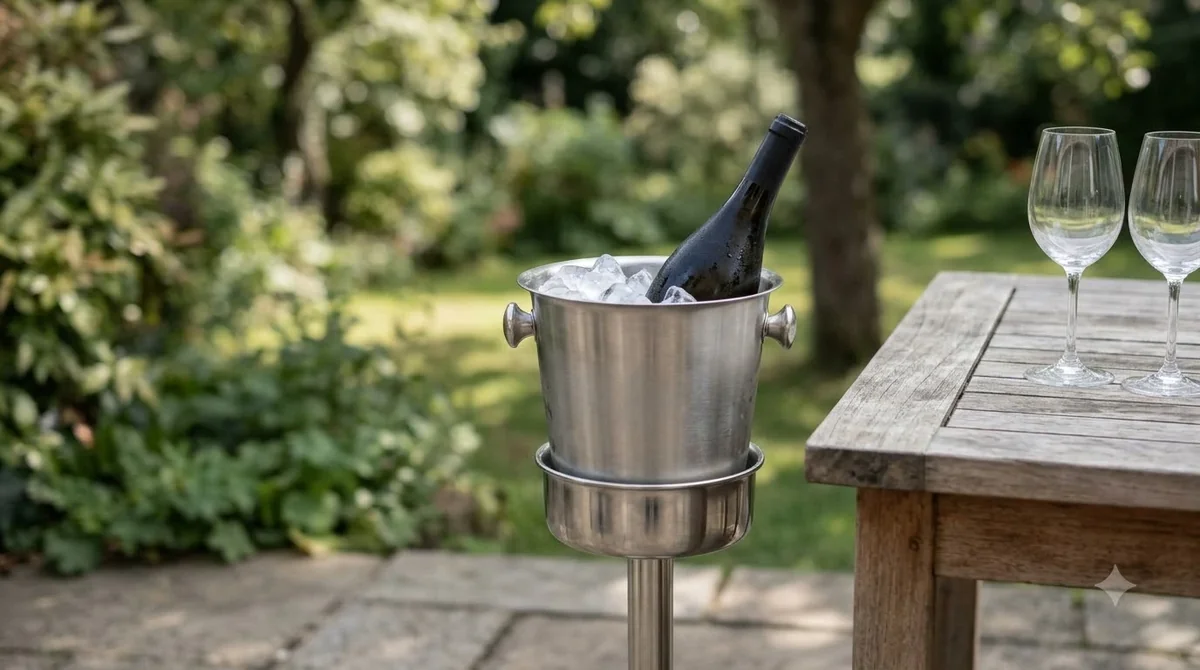
Aim for a cool cellar temperature between 55°F and 60°F (12°C to 15°C) for lighter, younger expressions, or up to 60°F to 65°F (15°C to 18°C) for full-bodied, oak-aged Naoussa bottlings. Pour the wine into a large, wide-bowled Burgundy or Nebbiolo glass so its delicate floral, tomato-leaf, and spice aromatics have room to collect.
Aeration is equally important. Young, tannic bottles from Naoussa benefit from 60 to 120 minutes in a decanter to soften their structural grip and open up the fruit. By contrast, mature bottles that have aged 10 years or longer should be stood upright a day ahead to let sediment settle, decanted gently just before serving, and enjoyed within an hour or two before their fragile tertiary aromas fade.
Tip: If you open a young Naoussa Xinomavro without decanting and find it overly tight or drying, pour a glass and let the open bottle sit on the counter for an hour—air transforms its grippy tannins into a silky, savory frame.
Best Food Pairings for Xinomavro
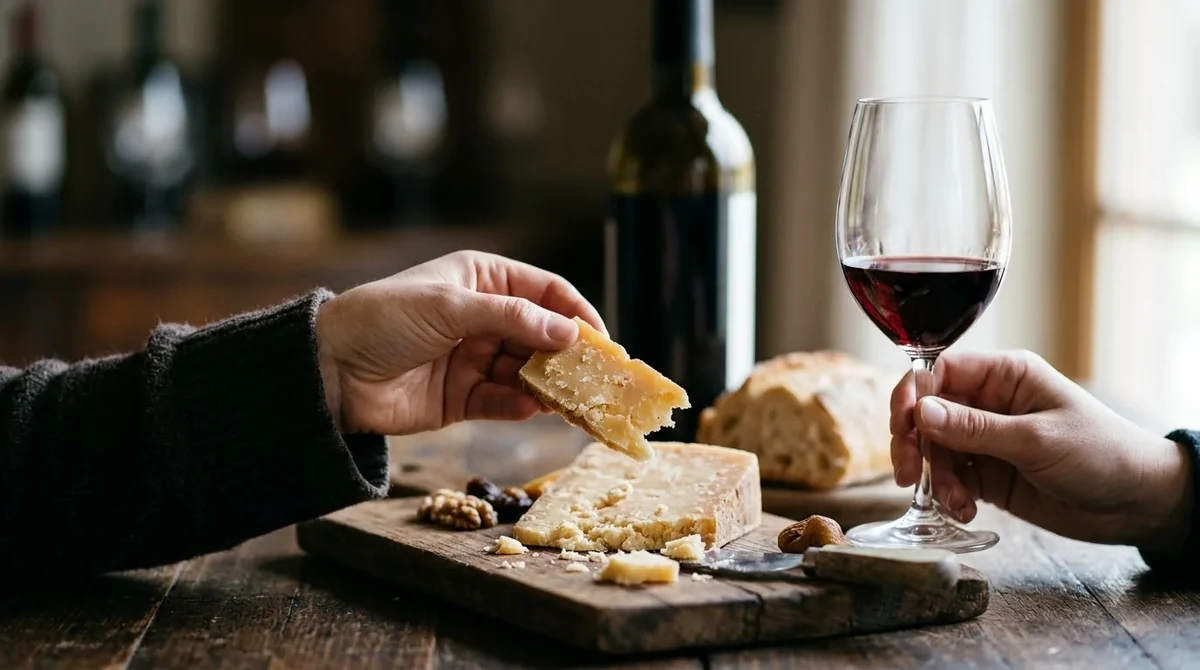
Xinomavro is a quintessential food wine whose mouth-watering acidity and drying tannins practically demand rich, savory, or fatty dishes at the table. Just as Italian reds made from the chianti grape (Sangiovese) cut effortlessly through tomato sauces and aged cheeses, Xinomavro’s natural tomato and olive notes mirror Mediterranean ingredients on the plate.
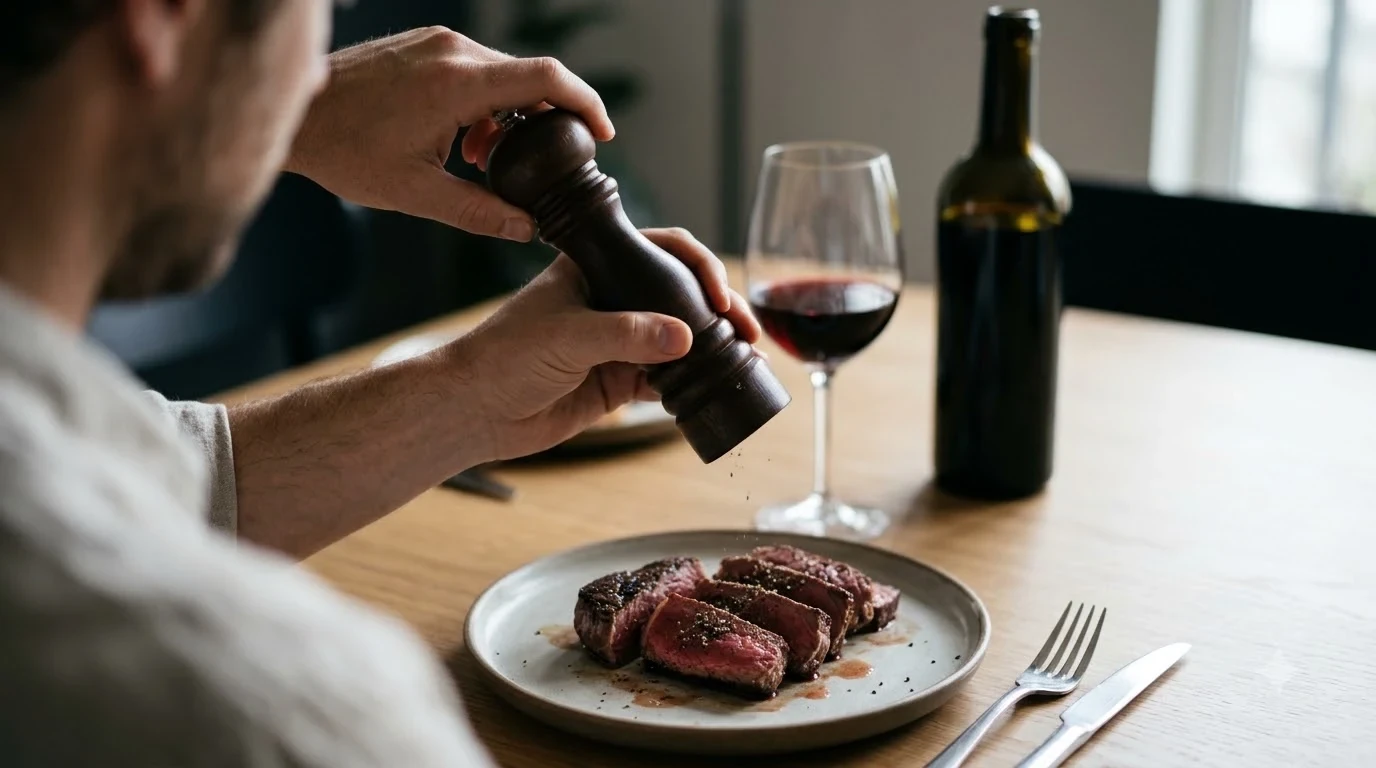
Slow-braised meats are classic companions because protein and fat bind to the wine’s tannins, making the palate feel smooth and plush. Lamb shanks stewed with tomatoes and oregano, beef pot roast, duck confit, and grilled lamb chops seasoned with rosemary all shine alongside a structured Naoussa. For everyday weeknight cooking, try a younger, unoaked bottling with grilled souvlaki, mushroom risotto, pork Milanese, or baked pasta layered with sharp aged cheeses.
Even if you prefer lighter or plant-forward meals, Xinomavro adapts gracefully when paired with umami-rich ingredients. Roasted eggplant, charred portobello mushrooms, sun-dried tomato flatbreads, and kalamata olive tapenade echo the wine’s earthy undertones without overwhelming its medium-full weight. Meanwhile, chilled Amyndeo Xinomavro rosé pairs effortlessly with grilled octopus, spanakopita, and summer salads.
How to Choose a Bottle of Xinomavro
Shopping for Xinomavro becomes straightforward once you know how to read the label for regional style, oak treatment, and age. As detailed in GuildSomm’s overview of northern Greek Xinomavro, the grape can swing from lean and piercing to deeply complex depending on vineyard yields and cellar choices, so matching the bottle style to your occasion matters.
If you want an approachable, fruit-forward introduction you can open tonight without decanting, look for bottles labeled “Young Vines,” unoaked regional cuvées, or blends from Goumenissa and Rapsani. These selections highlight juicy raspberry and sour cherry while keeping tannins moderate. If you prefer crisp white wines like the catarratto grape or colombard grape for warm-weather sipping, seek out a dry Xinomavro rosé or sparkling bottling from Amyndeo.
For dinner-party centerpieces or cellar aging, choose a single-vineyard or Reserve bottling from Naoussa PDO. Under Greek wine law, Naoussa Reserve wines must age for at least four years before release, meaning much of the harsh youthful tannin has already integrated into complex notes of dried fig, leather, and sweet spice. Checking the back label for traditional producers or modern estate bottlers from high-elevation villages like Trilofos or Yianakohori is another reliable way to spot quality.
Frequently Asked Questions
How do you pronounce Xinomavro?
Xinomavro is pronounced ksee-NOH-mah-vroh, with the stress on the second syllable. The Greek letter “Xi” at the start makes a sharp “ks” sound, similar to the “x” in the English word “taxi.”
What popular wine is Xinomavro most similar to?
Xinomavro is most frequently compared to Italy’s Nebbiolo, the grape used to make Barolo and Barbaresco. Both varieties share a pale ruby color, high natural acidity, firm tannins, floral and earthy aromatics, and the ability to age for decades in the cellar, though Xinomavro adds distinctive notes of sun-dried tomato and black olive.
Is Xinomavro wine dry or sweet?
Nearly all Xinomavro wine exported to the United States is completely dry. While Greek appellations technically allow semi-dry, semi-sweet, and rare sun-dried sweet versions, standard bottles from Naoussa, Amyndeo, Goumenissa, and Rapsani are fermented dry with brisk acidity.
How long can you age Xinomavro wine?
Entry-level and young-vine Xinomavro bottles drink well within three to seven years of the vintage date. Well-made Naoussa and Naoussa Reserve bottlings, however, routinely age for 10 to 20 years or longer, gradually trading their firm youthful grip for silky textures and aromas of leather, tobacco, and dried fruit.
Whether you start with a bright, food-friendly Goumenissa blend or decant an age-worthy Naoussa Reserve beside slow-roasted lamb, Xinomavro wine rewards curiosity like few other Mediterranean reds. Pick up a bottle the next time you want Nebbiolo-level structure with an unmistakable Greek accent.
More in Wine Types & Grapes
 Zinfandel Sugar Content: Dry Red vs. White Zinfandel GramsUpdated Nov 21, 2026
 Best Zinfandel Substitute Options for Sipping and CookingUpdated Nov 21, 2026
 Zweigelt Food Pairing: Best Dishes, Cheeses, and Serving TipsUpdated Nov 21, 2026
 Zinfandel Tannins Explained: How Structure Shapes Every BottleUpdated Nov 21, 2026
 Zinfandel Sweetness Level: Dry Red vs. Sweet White Zin ExplainedUpdated Nov 21, 2026
 Xinomavro Food Pairing: Best Dishes, Styles, and Serving TipsUpdated Nov 21, 2026