

We may earn a commission when you buy through links on this page, at no extra cost to you. Learn more.
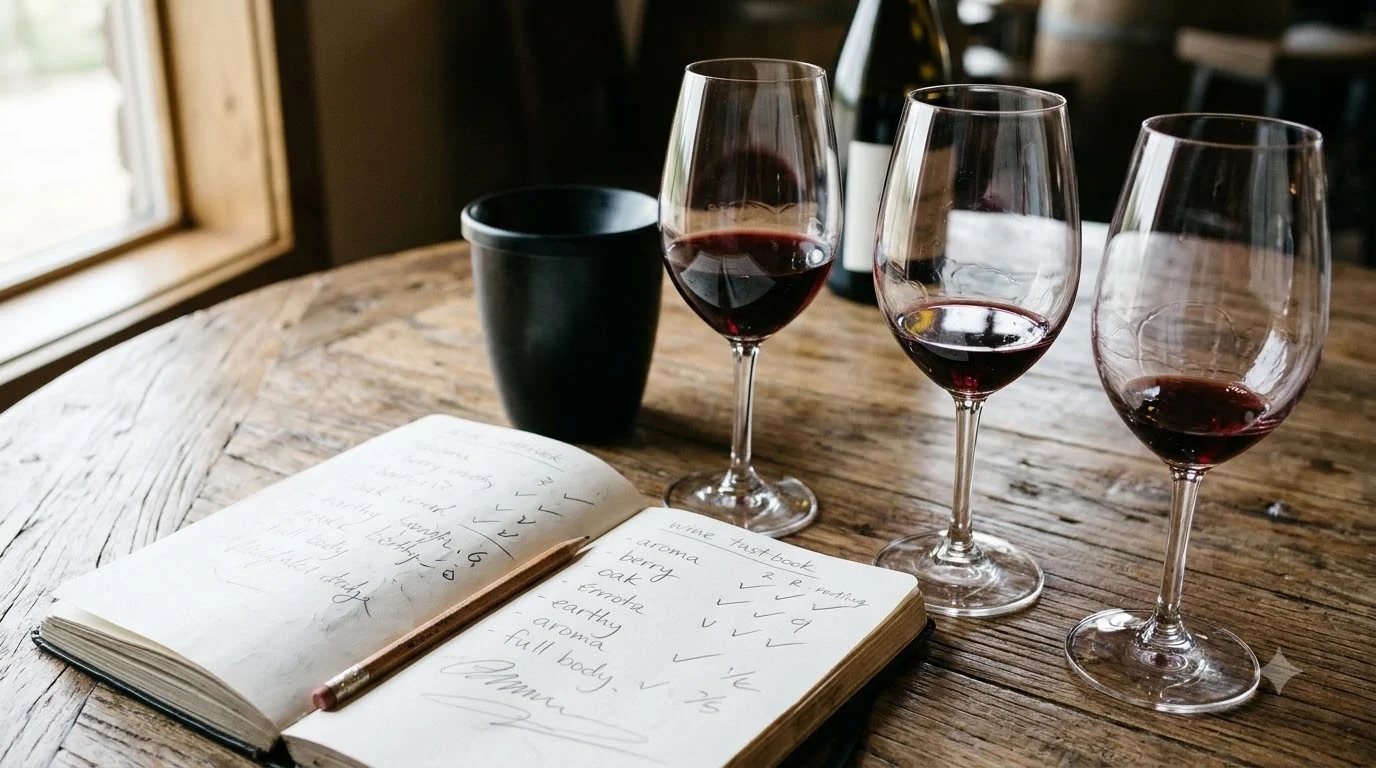
Woodinville wine refers to the wines made in and around Woodinville, Washington, a small city in the Sammamish River Valley about a short drive northeast of Seattle, where the wine country is home to more than 130 wineries and tasting rooms. The area is known for approachable tasting rooms, a compact layout that makes multi-stop visits easy, and a wide range of Washington styles, from reds built on Bordeaux-type blends to crisp whites and dessert wines.
If you are planning a visit, buying a bottle with the Woodinville name on it, or simply trying to understand what sets this district apart from other American wine regions, this guide covers the essentials. It explains where the district sits, what it is known for, how its wineries source their fruit, and how to get the most out of a day of tasting.
What Woodinville wine country is
Woodinville is best understood as a destination rather than a single winery. The official Woodinville Wine Country site describes the area as a collection of wineries arranged across four winemaking districts, with a relaxed, accessible feel that draws both locals and visitors from the Seattle area (Woodinville Wine Country official site).
Statewide, the Washington wine industry promotes its producers through the Washington State Wine Commission, which counts more than 1,000 wineries, tasting rooms, and vineyards in its app. Many of the tasting rooms sit close together in business parks and along the river, so visitors can walk or take short drives between stops. That density is a big part of the appeal. Instead of committing to one estate, you can compare several producers in an afternoon, which is useful if you are still learning what you like.
Where the district sits and how it is laid out
The wine district lies in the Sammamish River Valley, close to State Route 522 and the river parks that run through the city. Wikipedia’s entry on the city notes that the wineries are concentrated in a dedicated winery district, and that the broader area holds roughly 130 wineries and tasting rooms.
Because the district is spread across several clusters, the simplest way to plan is to pick one cluster for the day. Choosing a cluster keeps driving time low and gives you a clear sense of the producers you are visiting. The official site groups the area into four districts, which helps when you are mapping a route.
Grapes and styles you will find
Woodinville is a tasting and production hub more than a single grape-growing zone. Much of the fruit used by its wineries comes from vineyards in Eastern Washington, where the drier climate and warm summers suit a range of varieties. The winery producers in Woodinville then make wines in their own cellars, which means the local character comes from winemaking style and blending as much as from the soil.
In practice, you will see a lot of red blends, Cabernet Sauvignon, Merlot, and Syrah, alongside Chardonnay, Riesling, and other white varieties. Many wineries also offer sparkling wine, dessert wines, and small-lot releases that are only available at the tasting room. Because the producers work from a shared pool of fruit and their own winemaking choices, two wineries can release very different wines from the same grape, so it pays to taste a few before settling on a favorite.
Many visitors arrive expecting a single house style, but the district is better seen as a showcase for Washington as a whole. The mix of estates, small producers, and larger wineries means you can taste a classic structured red in one room and a lighter, fruit-forward white in the next.
Tip: Ask the tasting room what grapes the wine is made from and which vineyard it came from. Many Woodinville labels name an Eastern Washington appellation, which tells you a lot about the expected style before you pour.
How to plan a tasting visit
A good Woodinville day usually runs three to four stops. Tasting rooms vary in format, from standing bars to seated flights, and some require reservations on weekends. Planning ahead saves time and avoids disappointment at busy producers.
| Visit type | What to expect | Best for |
|---|---|---|
| Walk-in tasting bar | Standing or casual bar service, flexible timing | Trying several styles quickly |
| Seated flight | Structured tasting with notes from staff | Learning how a producer’s wines fit together |
| Estate or cellar visit | Longer experience, sometimes with a tour or food pairing | Special occasions and bottle buying |
| Concert or event | Seasonal music and food events at larger estates | Groups and summer outings |
Plan one winery with a food pairing if you want a full experience, then fill the rest of the day with shorter tastings. Driving home is the main safety consideration, so arrange a designated driver, a ride service, or an overnight stay if you plan to taste more than a few flights.
How Woodinville compares with other wine regions
Woodinville is easier to visit than most famous wine regions, because the wineries are close to a major city and to hotels. Regions such as the Hunter Valley in Australia or the Douro in Portugal are better known for a single signature style, while Woodinville works more like a showcase for an entire state’s production. If you are comparing destinations, the wine regions guide lays out how climate and grape choice shape each area.
For buyers, the practical difference is range. Woodinville gives you access to many producers and styles within a short drive, which suits people who want to taste before they commit to a case.
Well-known names in the district
Several producers are often mentioned when people talk about Woodinville, and they make a useful starting point for a first visit. Chateau Ste. Michelle is one of the best-known names in the state, and its estate hosts a summer concert series that draws large crowds to the grounds. DeLille Cellars and Matthews Winery are also named among the district’s wine country producers in published descriptions of the area.
The district has a longer history of wine tourism too. Columbia Winery in Woodinville was the end point of a dinner train that ran from Renton between 1992 and 2007, a reminder that visitors have been coming to these tasting rooms for many years. Today the wineries are spread across several small clusters rather than one central strip.
Naming a few producers is only a guide. Each winery has its own portfolio, so a visit to one estate tells you a lot about its style but little about the rest of the district. Use the names above to build a short list, then fill the rest of your route with smaller rooms you find on the day.
Frequently Asked Questions
Is Woodinville a good place for a wine day trip?
Yes. The district is close to Seattle and has many tasting rooms within a small area, so you can visit several producers in one day without long drives between them. Book ahead for weekend visits.
Do Woodinville wineries grow their own grapes?
Some do, but many source fruit from vineyards in Eastern Washington. Check the label or ask at the tasting room to find out where a specific wine was grown and made.
What wines is Woodinville best known for?
The district is known for a broad mix, including red blends, Cabernet Sauvignon, Merlot, Syrah, and white varieties such as Chardonnay and Riesling. Sampling several styles is the best way to see which ones suit your taste.
Should I buy wine at Woodinville or elsewhere?
Buying at the tasting room gives you access to small-lot and estate releases that may not be sold in stores. Compare shelf availability later if you want a bottle you have already tried.
Woodinville works well as a first stop for anyone curious about Washington wine. Pick one cluster, plan a few stops, and taste with an open mind. You will leave with a clearer sense of which styles you enjoy, and a few bottles worth bringing home.
More in Wine Regions
 Willcox Wine Trail: Discover Arizona’s High-Elevation Wine CountryUpdated Nov 20, 2026
 Yakima Valley Wine Region: Find the Best Styles to TryUpdated Nov 20, 2026
 Vosne Romanee Wine Tasting: Identify Aromas and Choose Better PairingsUpdated Nov 20, 2026
 Yakima Valley Wine Festival: Find the Best Seasonal Wine EventsUpdated Nov 20, 2026
 Wales Vineyards: Discover Cool-Climate Wines and Where to VisitUpdated Nov 20, 2026
 Yountville Wine Festival: Discover Napa Wines and Local FoodUpdated Nov 20, 2026