

We may earn a commission when you buy through links on this page, at no extra cost to you. Learn more.
Woodbridge wine price typically falls in the affordable everyday-wine category, with standard 750 ml bottles generally ranging from about $6 to $10 and 1.5 L bottles from about $10 to $15 at US retailers. The exact cost depends on the varietal, bottle format, retailer, and local availability. Comparing the price per ounce rather than the shelf price alone helps determine whether a larger bottle offers better value. Woodbridge offers familiar California varieties, including Cabernet Sauvignon, Chardonnay, Merlot, Pinot Noir, and Sauvignon Blanc.
Woodbridge by Robert Mondavi is designed for casual meals, everyday entertaining, and shoppers who want recognizable wine styles without moving into premium-priced categories. Its selection covers several popular red and white grapes, along with rosé and specialty Chardonnay expressions. Understanding the usual retail ranges, bottle sizes, and differences between varietals makes it easier to choose a bottle that fits both your preferences and your budget.
Who Should Compare Woodbridge Wine Prices
Woodbridge is worth considering for shoppers who want accessible California wines for regular dinners, casual gatherings, and uncomplicated food pairings. Its broad selection makes it useful for households that prefer different wine styles but want to shop within one familiar brand.
The range is particularly relevant to people who regularly buy 750 ml bottles and want to compare the economics of larger formats. A standard 750 ml bottle contains approximately five traditional 5 oz servings, while a 1.5 L bottle contains approximately ten. For a dinner with six adults, for example, two standard bottles or one 1.5 L bottle provide approximately the same total volume. The larger format can reduce packaging and the number of bottles needed for a gathering.
Another useful audience is shoppers who are exploring wine varietals without committing to expensive bottles. Someone who usually drinks medium-bodied reds can compare Woodbridge Merlot and Pinot Noir, while a Chardonnay drinker can choose between regular, lightly oaked, and buttery expressions. These are different drinking experiences, so the lowest shelf price should not automatically determine the purchase.
Woodbridge may be less suitable for someone searching specifically for a collectible wine, a rare vineyard bottling, or a bottle intended for extended cellar aging. The brand’s official positioning emphasizes approachable wines for everyday occasions rather than an exclusive selection of limited-production wines. Its strongest appeal is convenience, familiarity, and access to popular styles.
Shoppers comparing brands can also browse the broader Wine Brands category to understand how everyday California wines fit into the larger market. The key is to compare similar grapes, bottle sizes, and styles instead of judging two wines solely by their brand names.
Key Factors That Determine Woodbridge Wine Price
The main factors affecting Woodbridge’s retail price are bottle size, grape variety, specialty production style, and the retailer selling the bottle. Comparing these details gives a more useful picture than looking at one advertised shelf price.

Bottle size is often the easiest difference to understand. A 750 ml bottle is the familiar standard format, while 1.5 L bottles are commonly marketed as larger formats for parties and frequent wine drinkers. Some retailers also carry smaller individual-serving packages, including 187 ml bottles or cans. These formats can have different per-ounce economics even when the initial purchase price appears lower.
Varietal matters because retailers do not necessarily price every Woodbridge wine identically. Cabernet Sauvignon, Merlot, Pinot Noir, Chardonnay, Pinot Grigio, and Sauvignon Blanc may appear at different prices depending on inventory and local demand. A Cabernet Sauvignon and a Chardonnay in the same bottle size should therefore be compared using current listings rather than assuming one grape always costs more.
Specialty expressions can also affect the shelf price. Woodbridge offers regular Chardonnay alongside options such as Buttery Chardonnay, Lightly Oaked Chardonnay, and Rum Barrel Aged Chardonnay. These wines have different stylistic identities, and their retail prices may not match those of the standard bottling.
The following ranges provide a practical starting point for US shoppers. They are approximate retail comparisons drawn from listings at retailers including Target, Gopuff, and Warehouse Wines & Spirits, rather than guaranteed nationwide prices.
| Purchase format | Typical bottle or pack size | Approximate US retail range | Best suited to |
|---|---|---|---|
| Standard bottle | 750 ml | About $6–$10 | Everyday drinking and dinner |
| Large bottle | 1.5 L | About $10–$15 | Groups and frequent serving |
| Individual bottle | 187 ml | Varies by pack and retailer | Single servings and portability |
| Four-pack | 4 × 187 ml | Varies by retailer | Small individual portions |
| Specialty Chardonnay | 750 ml or larger | Varies by expression and size | Specific oak and flavor preferences |
For a standard Chardonnay comparison, Total Wine lists Woodbridge Chardonnay in a 750 ml bottle and describes its fruit, vanilla, and oak character. Shoppers can view the Woodbridge Chardonnay listing at Total Wine to see an example of how a retailer presents the bottle size, product description, and store-specific availability. This listing is a useful reference, not a guaranteed nationwide price.
For standard 750 ml bottles, an approximate range of $6 to $10 is a practical comparison based on US retailer listings for several Woodbridge varietals. For 1.5 L bottles, an approximate range of $10 to $15 provides a useful budgeting guide. Prices vary by state and retailer, and individual varietals and local availability affect the final amount.
One final consideration is the difference between shelf price and price per ounce. A larger bottle does not automatically provide better value. The useful comparison is the cost of the same wine style in different formats, divided by the amount of wine in each package.
Tip: Compare two bottles of the same varietal and calculate the cost per 5 oz serving. A 750 ml bottle provides approximately five servings, while a 1.5 L bottle provides approximately ten. This simple calculation helps identify genuine format savings without confusing a larger package with a better-quality wine.
Step-by-Step: How to Find the Right Woodbridge Bottle
A good purchase starts with choosing a wine style, then comparing its available sizes and retail listings. Following a consistent process prevents unnecessary spending on a format or varietal that does not suit the occasion.
-
Decide whether you want red, white, or rosé.
Start with the general style you enjoy. Cabernet Sauvignon and Merlot are familiar red-wine choices, while Chardonnay and Sauvignon Blanc cover different white-wine preferences. Pinot Grigio is another option for shoppers seeking a lighter-feeling white wine. Rosé is useful when a red wine seems too heavy but a white wine is not the preferred choice.
-
Choose the grape or blend.
Think about body, acidity, and tannin rather than choosing only by color. Cabernet Sauvignon typically has high tannin, Merlot has medium and softer tannin, and Pinot Noir generally has lower-to-medium tannin with higher acidity. For white wines, Sauvignon Blanc usually has higher acidity, while Chardonnay generally has medium acidity.
-
Set the bottle size.
A 750 ml bottle is a practical choice for approximately five 5 oz servings. A 1.5 L bottle provides approximately ten servings and can be more convenient for a larger dinner. Smaller 187 ml formats are useful when individual portions are more important than minimizing packaging.
-
Compare at least two retailers.
Check the same varietal and bottle size at multiple stores. For example, comparing a 750 ml Woodbridge Chardonnay at Total Wine with the equivalent format at another retailer is more meaningful than comparing Chardonnay at one store with Cabernet Sauvignon at another. Retailer listings can also reveal whether a particular expression is available locally.
-
Calculate the cost per serving.
Divide the total bottle volume by 150 ml, approximately the volume of a 5 oz serving. Then divide the purchase price by the resulting number of servings. This method makes a 750 ml bottle and a 1.5 L bottle easier to compare fairly.
-
Match the wine to the meal.
Cabernet Sauvignon is a familiar choice for beef and lamb, while Merlot can work well with roast beef and other moderate-flavored meat dishes. Chardonnay pairs comfortably with roast chicken and creamy dishes, and Sauvignon Blanc is useful with salads, seafood, and dishes containing fresh herbs.
-
Buy according to the occasion.
For a quiet evening, a single standard bottle may be sufficient. For a dinner party with eight to ten people, a 1.5 L format can simplify serving. If several guests prefer different wines, buying two contrasting 750 ml varietals can be more practical than purchasing one large bottle.
This approach also helps separate value from personal preference. A lower-cost bottle is not automatically the right choice if its sweetness, acidity, body, or oak character does not match the drinker’s expectations.
Woodbridge Wine Types and Styles Explained
Woodbridge offers several recognizable wine styles, making it possible to compare different flavor profiles within the same brand. Understanding the basic characteristics of each grape helps shoppers select a wine that fits their usual meals and drinking preferences.
Cabernet Sauvignon
Woodbridge Cabernet Sauvignon is a red-wine option for people who enjoy more noticeable tannin and a fuller-feeling style. Cabernet Sauvignon typically has high tannin, making it a natural choice alongside beef, grilled burgers, and lamb. The tannin structure can work particularly well with fatty or protein-rich foods because fat softens the perception of tannin.
For a detailed look at this particular varietal, the Woodbridge Cabernet page provides a useful starting point. Consider serving a fuller red slightly cooler than typical room temperature, around 60 to 65 F, rather than leaving it in a warm kitchen.
Merlot
Merlot is a useful alternative for people who find Cabernet Sauvignon too tannic. Its typical medium tannin level and softer structure make it versatile with roast beef, meatloaf, grilled chicken, and pasta with tomato-based meat sauces.
The official Woodbridge website includes consumer comments describing its Merlot as a companion to roast beef. This is a practical example of how a familiar red varietal can work for an uncomplicated dinner without requiring an elaborate food menu.
Pinot Noir
Pinot Noir typically has low-to-medium tannin and relatively high acidity. Its lighter structure makes it useful with roasted poultry, mushrooms, pork, and dishes where a heavy Cabernet might overpower the food.
For shoppers who prefer red wine but want something less tannic, Pinot Noir can be a more approachable choice. Serve it around 55 to 60 F to retain freshness and prevent warmer temperatures from making the wine seem overly soft.
Chardonnay
Woodbridge Chardonnay is one of the brand’s most recognizable white-wine options. Total Wine describes the standard bottling with fruit flavors, vanilla, oak notes, and a crisp yet silky character. Its listed flavor references include apple, vanilla, and citrus.
Woodbridge also offers other Chardonnay expressions. Buttery Chardonnay is aimed at people who enjoy a richer style, while Lightly Oaked Chardonnay is an option for those who prefer a different balance of oak influence. Rum Barrel Aged Chardonnay adds another stylistic variation rather than simply repeating the standard bottling.
For more detailed comparisons, see the Woodbridge Chardonnay guide. Chardonnay generally works with roast chicken, seafood, pasta with cream sauce, and roasted vegetables. Serve full-bodied whites around 50 to 55 F.
Pinot Grigio and Sauvignon Blanc
Pinot Grigio is a useful choice for shoppers seeking a lighter, refreshing white-wine style. It can pair with grilled fish, salads, light pasta, and simple seafood dishes. Sauvignon Blanc typically has higher acidity and is particularly useful with fresh herbs, green vegetables, goat cheese, and citrus-forward meals.
These two wines are not interchangeable. Pinot Grigio is often chosen for its uncomplicated, refreshing profile, while Sauvignon Blanc is useful when higher acidity is desirable. Serve both styles around 45 to 50 F for a refreshing experience.
Moscato, Riesling, and Rosé
Moscato and Riesling are worth considering for shoppers who prefer wines with noticeable fruitiness or sweetness. However, sweetness varies by bottling, so the grape name alone does not establish how sweet a particular wine will taste. Rosé provides another option for people who want a chilled wine that sits between familiar red and white styles in appearance and general drinking occasion.
Sweet white wines are particularly useful with fruit-based desserts and lightly sweet foods. A useful pairing principle is to choose a wine at least as sweet as the dessert. Otherwise, the wine can taste unexpectedly sharp or thin alongside the food.
Common Mistakes When Comparing Woodbridge Wine Prices
The biggest purchasing mistakes involve comparing different bottle sizes, confusing varietal preferences with quality, and assuming a retailer’s listed price applies everywhere. A few basic checks can make price comparisons considerably more accurate.
Comparing Different Bottle Sizes
A 750 ml bottle and a 1.5 L bottle should not be judged by their total shelf prices alone. The larger bottle contains twice the volume, so the correct comparison is the cost per 100 ml or per 5 oz serving. A larger package can provide a lower unit cost, but that advantage depends on the actual listing.
For example, a shopper buying wine for two people might prefer one standard bottle even if a larger bottle has a slightly lower cost per serving. If the wine will not be finished promptly, buying more than necessary may be inconvenient. Purchase volume should reflect the occasion rather than an assumed bulk saving.
Assuming Every Woodbridge Wine Tastes the Same
Cabernet Sauvignon, Merlot, Pinot Noir, Chardonnay, and Sauvignon Blanc are different wine styles. Their grape characteristics affect tannin, acidity, body, and pairing options. Someone who prefers lighter reds may not enjoy a high-tannin Cabernet simply because it is priced similarly to a Pinot Noir.
The same distinction applies to Chardonnay. Regular Chardonnay, Buttery Chardonnay, and Lightly Oaked Chardonnay should be treated as separate options for people with different preferences. Comparing them by price without considering their intended style can lead to disappointing purchases.
Ignoring Retailer Differences
Wine retail prices can change with local stock, store location, distribution, and availability. A retailer’s online listing may also reflect a particular pickup location rather than a nationwide price. Total Wine specifically states that Woodbridge Chardonnay pricing, vintage, and availability may vary by store.
Another issue is assuming that a retailer’s lowest displayed price represents a normal nationwide range. It may apply to a particular location or a limited selection. Comparing several current listings gives a more realistic picture of what a shopper might encounter.
Choosing a Wine Without Considering Food
Food pairing affects how wine tastes. A high-tannin Cabernet can work with fatty beef, but oily fish generally clashes with tannic red wines. Sauvignon Blanc’s acidity can complement acidic foods, while Chardonnay is often more suitable for creamy dishes and roasted poultry.
Spicy food requires additional thought. Alcohol and tannin can amplify the sensation of chili heat, so a strong Cabernet may be less comfortable with a very spicy dish than a lighter, fruitier wine. The cheapest bottle is not necessarily the best purchase if the style does not fit the meal.
Expecting a Single Nationwide Price
Woodbridge is sold through different retailers and distribution channels. Availability and pricing are not necessarily consistent across states or individual stores. A bottle advertised at one local shop may have a different shelf price elsewhere, even when the varietal and bottle size match.
Use retailer comparisons as buying references rather than guarantees. This is particularly important when purchasing for a larger gathering, where a difference across several bottles can affect the overall budget.
Storage and Serving Tips for Better Everyday Value
Good storage and serving practices help preserve the quality of an everyday wine after purchase. Even an affordable bottle benefits from sensible temperature control, proper closure, and appropriate serving conditions.
Store Bottles Correctly
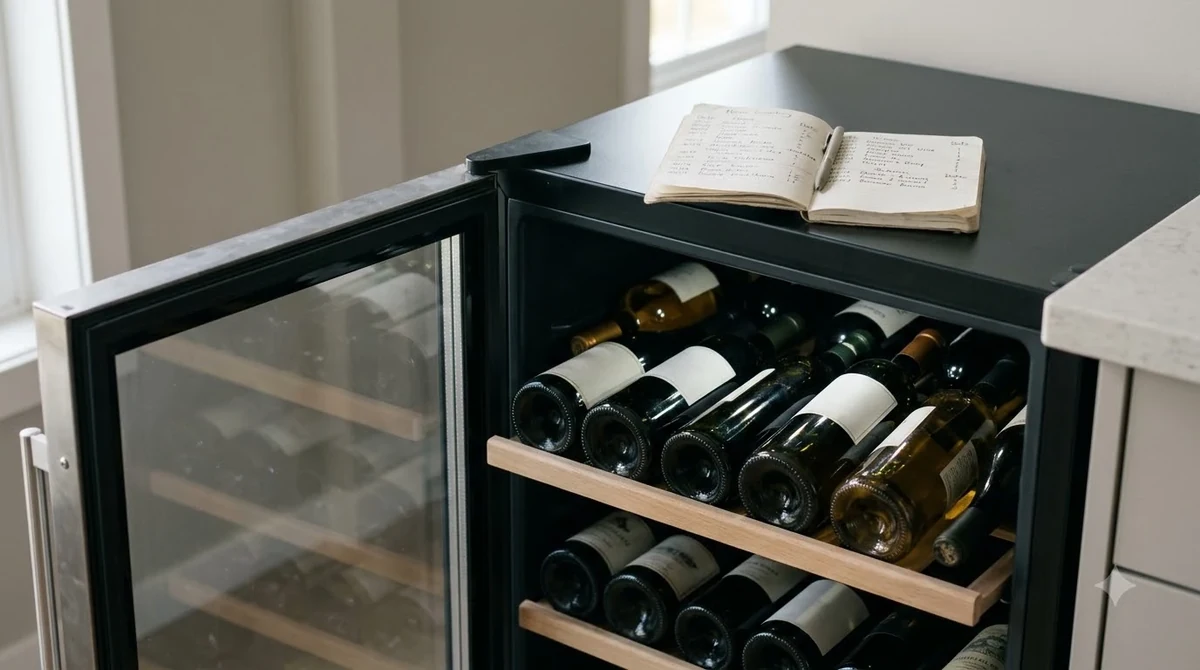
For bottles with traditional cork closures, horizontal storage keeps the wine in contact with the cork. A cool, stable environment around 55 F is a useful target for longer-term storage. Avoid direct sunlight, excessive heat, and locations where temperatures fluctuate significantly.
Woodbridge wines intended for regular consumption generally do not require a complicated cellar setup. A cool cupboard away from ovens, heating equipment, and windows is more suitable than a warm countertop. If the bottle is intended for immediate use, there is no need to treat it like a long-term collectible wine.
Serve Each Style at the Right Temperature
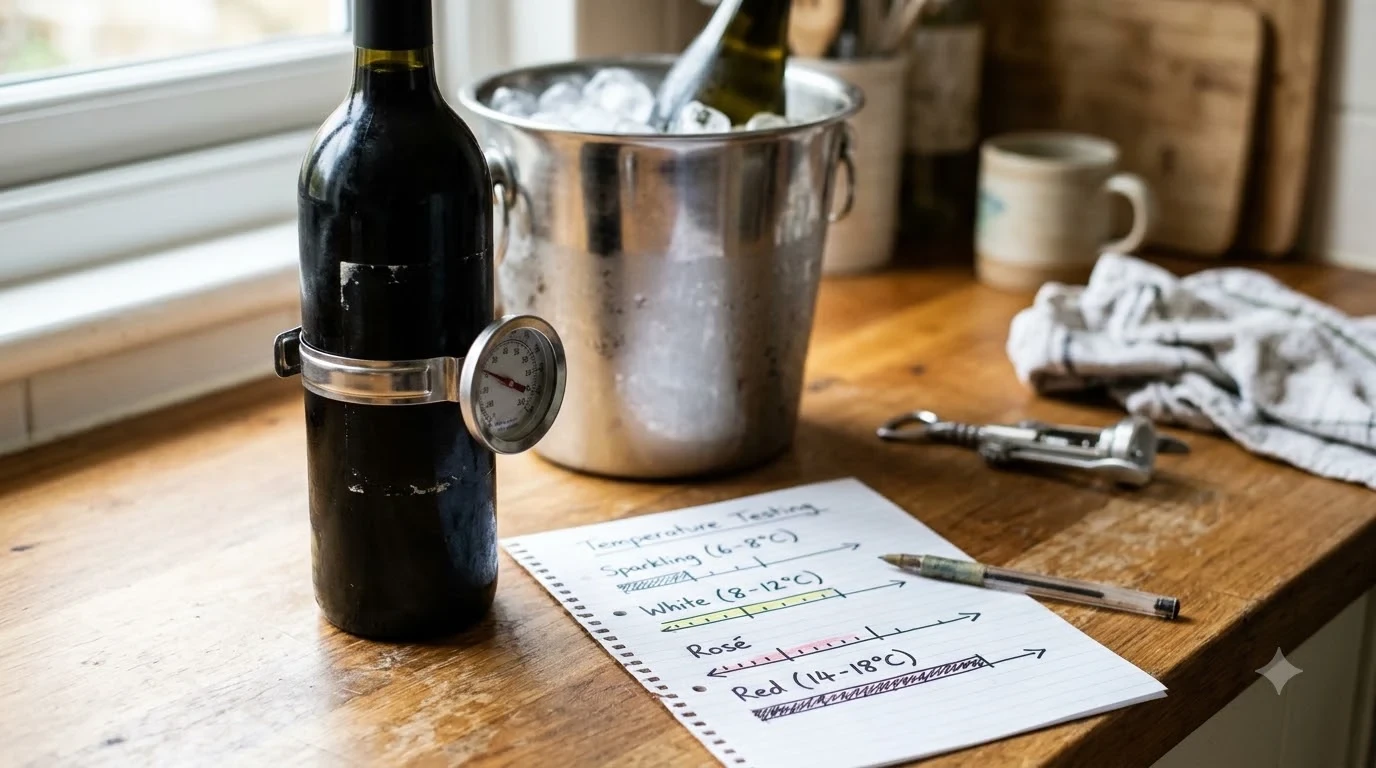
Serving temperature can influence how a wine’s aroma, acidity, alcohol, and tannin are perceived. A white wine served too warm can seem heavier, while a red wine served too cold can appear more restrained and firm.
- Light whites and rosé: 45 to 50 F.
- Full-bodied whites such as richer Chardonnay: 50 to 55 F.
- Light reds such as Pinot Noir: 55 to 60 F.
- Fuller reds such as Cabernet Sauvignon: 60 to 65 F.
- Sweet white wines: 43 to 50 F.
Refrigeration is a practical way to cool white wines before serving. Red wines do not need to be kept at the warmest possible room temperature, especially in a heated home. A short period of chilling can help maintain freshness.
Use Appropriate Glasses and Portions
A standard 5 oz pour makes it easier to estimate how many servings remain in a bottle. A 750 ml bottle contains approximately five such servings, while a 1.5 L bottle contains approximately ten. Leaving sufficient space in the glass also makes it easier to appreciate aromas without spilling.
For casual meals, a universal wine glass is adequate for most Woodbridge varieties. A larger bowl can be useful for fuller reds because it provides room for aromas to develop, while a narrower white-wine glass can help keep chilled wine cooler for longer.
Preserve Leftover Wine
Once opened, reseal still wine and store it in the refrigerator. Most opened still wines retain their best character for approximately three to five days, depending on the style, storage conditions, and exposure to oxygen. Refrigerating red wine after opening is also useful, even if it is normally served warmer.
For an opened bottle that will not be finished immediately, use a properly fitted closure and minimize unnecessary air exposure. Bring red wine toward its preferred serving temperature before pouring again. This is particularly helpful for people who drink one or two glasses at a time rather than finishing a bottle in one sitting.
Buying the appropriate size is often the simplest way to avoid waste. A smaller format may suit an individual drinker, while a 750 ml bottle is generally practical for a couple sharing dinner. A 1.5 L bottle makes more sense when several people are likely to enjoy the same varietal.
Frequently Asked Questions
Is Woodbridge considered an inexpensive wine brand?
Yes, Woodbridge is generally positioned as an approachable everyday wine brand rather than a luxury or collectible producer. Its official website emphasizes California-grown wines intended for everyday meals and casual occasions. Its broad range of familiar varietals also makes it accessible to shoppers who want to compare several styles within one brand.
Does Woodbridge wine need to breathe before serving?
Most everyday Woodbridge wines can be served shortly after opening. A young, fuller-bodied red such as Cabernet Sauvignon may benefit from approximately 30 to 60 minutes of aeration if its tannins seem particularly firm. Lighter whites, rosé, and Pinot Grigio generally do not need extended decanting.
Can Woodbridge wine be used for cooking?
Yes. A dry Woodbridge Chardonnay can be used in cream sauces, pan sauces, and chicken dishes, while Cabernet Sauvignon or Merlot can contribute flavor to beef-based sauces and braised dishes. Choose a wine style that complements the recipe rather than using a sweet wine in a dish that requires a dry ingredient.
Does Woodbridge offer wines suitable for a wine gift basket?
Woodbridge’s selection of red, white, and rosé styles makes it possible to assemble a casual wine gift basket around different preferences. Chardonnay and Cabernet Sauvignon provide familiar choices, while Pinot Grigio and Moscato add variety. A small bottle opener, reusable wine stopper, or appropriate glassware can make the presentation more complete.
How can shoppers tell whether a Woodbridge bottle is from a particular vintage?
Look for the vintage designation printed on the bottle when one is provided. Some retail listings identify a specific vintage, while others display the varietal and package size without specifying a year. Vintage information can matter because growing conditions and harvest characteristics may influence the finished wine’s flavor and structure.
Woodbridge wine offers a practical selection of California varietals for shoppers who value familiar styles, convenient bottle sizes, and accessible everyday options. Compare the same wine across retailers, calculate the cost per serving, and choose a varietal that suits your food and flavor preferences. With those factors in mind, finding a Woodbridge bottle that fits your occasion and budget becomes much simpler.
More in Wine Brands
 Underwood Wine Price: Compare Bottles, Cans, and Pack SizesUpdated Nov 21, 2026
 Zenato Wine Price: Compare Styles and Choose the Right BottleUpdated Nov 21, 2026
 Zuccardi Wine Price: Compare Bottles and Find the Right RangeUpdated Nov 21, 2026
 Yellow Tail Moscato Review: Taste, Sweetness and Serving TipsUpdated Nov 21, 2026
 Wolf Blass Yellow Label Review: Choose Your Best StyleUpdated Nov 21, 2026
 Wolffer Estate Rose Review: Choose the Right Bottle for Your TableUpdated Nov 21, 2026