

We may earn a commission when you buy through links on this page, at no extra cost to you. Learn more.
This woodbridge chardonnay review finds that Woodbridge Chardonnay is an approachable California white wine with pear, apple, peach, subtle oak, and vanilla notes, making it a practical choice for casual meals and everyday occasions. It generally offers a light- to medium-bodied profile with noticeable fruit, fresh acidity, and a gently toasted finish. It is better suited to drinkers who enjoy straightforward, fruit-forward Chardonnay than those seeking a highly complex, premium, or intensely buttery wine.
Woodbridge by Robert Mondavi is a familiar name in American wine retail, and its Chardonnay occupies an accessible part of the California white wine category. Its appeal comes from recognizable fruit flavors, a modest oak influence, and a style that works with familiar foods. Understanding its sweetness, alcohol level, serving temperature, and food compatibility makes it easier to decide whether this bottle belongs in your shopping basket. This guide examines its character, explains what to expect from the standard bottling, and offers practical advice for serving and storing it.
Who Should Choose Woodbridge Chardonnay?
Woodbridge Chardonnay is particularly suitable for drinkers who want a familiar California white wine without the complexity or stronger oak influence associated with some premium Chardonnay bottlings. Its fruit-forward profile, moderate weight, and approachable acidity make it a reasonable option for casual dinners, relaxed gatherings, and uncomplicated weekday meals.

According to Wine Enthusiast’s review of the non-vintage bottling, this wine has a light- to medium-bodied structure with floral and peachy aromas, followed by apple and peach flavors. That description establishes an important expectation: Woodbridge Chardonnay is designed around recognizable fruit characteristics rather than unusual mineral notes, pronounced tropical intensity, or extended layers of barrel-derived flavor. Wine Enthusiast’s Woodbridge Chardonnay review provides an independent tasting reference for this particular bottling.
The standard bottling also has a noticeable but restrained oak character. Retailer descriptions identify pear, cinnamon, and vanilla oak alongside apple and peach. These characteristics give the wine more flavor than a completely neutral white wine while keeping it accessible to people who do not regularly explore different Chardonnay regions or producers.
Several types of drinkers may appreciate this balance:
- Chardonnay beginners: The combination of apple, pear, peach, and vanilla offers recognizable flavors without requiring extensive wine knowledge.
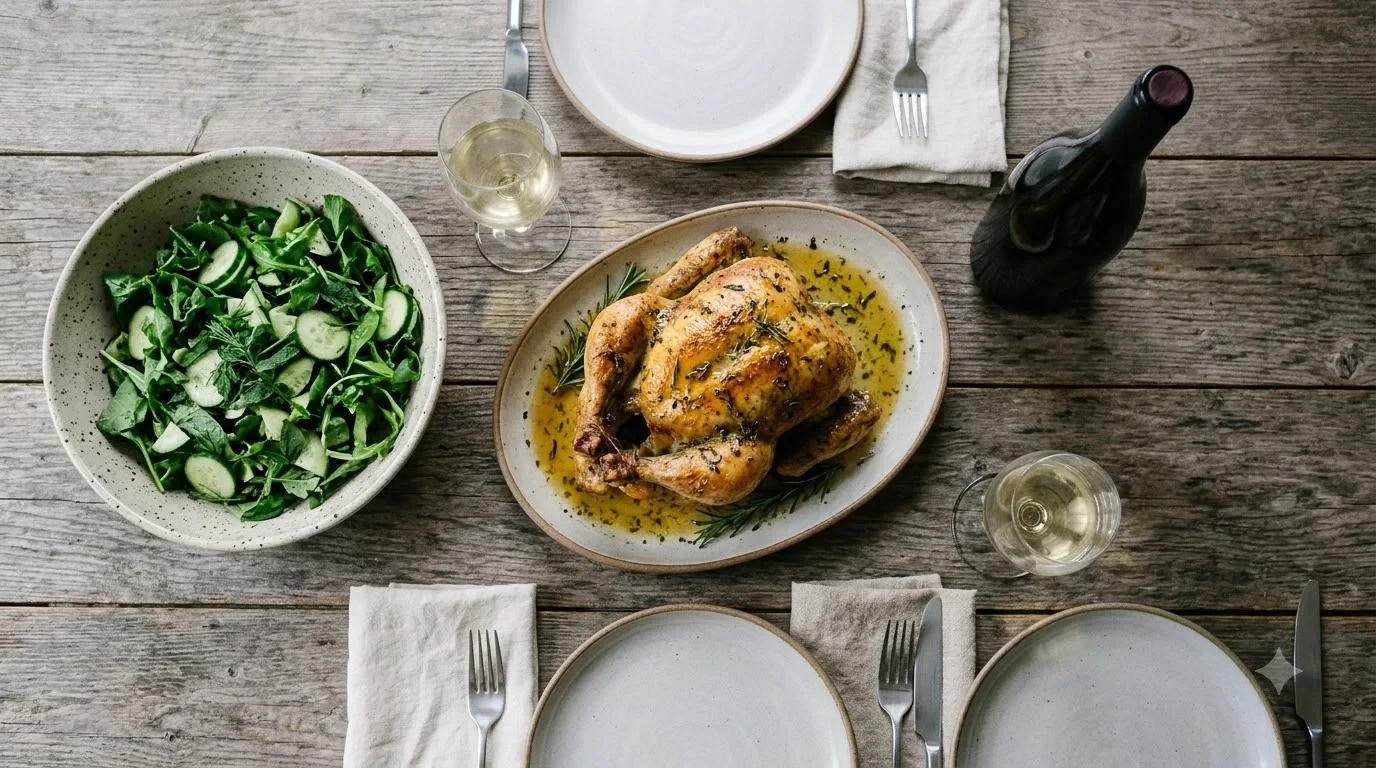
- Casual dinner hosts: Its fruit-forward character works with familiar dishes such as roast chicken, creamy pasta, and seafood.
- Everyday white wine drinkers: Its straightforward personality suits occasions where a simple, enjoyable bottle matters more than tasting complexity.
- Oak-curious drinkers: The subtle vanilla and toasted characteristics provide some oak influence without making the wine overwhelmingly woody.
However, Woodbridge Chardonnay is not necessarily the right choice for everyone. Drinkers who prefer extremely crisp, citrus-driven whites may find its apple, peach, and vanilla characteristics too rounded. People who enjoy intensely buttery Chardonnay may also want a richer style with more pronounced creaminess and oak.
Its intended drinking occasion matters as well. A casual dinner with roast chicken or a plate of mild cheeses suits its personality better than an elaborate tasting menu built around highly distinctive wines. It can contribute pleasantly to an informal meal, but it is not intended to replace a more complex Chardonnay for collectors or enthusiasts looking for distinctive vineyard expression.
Readers comparing other producers can also explore our broader Wine Brands resource to understand how different wine labels approach grape selection, regional identity, and everyday drinking styles.
Key Factors to Compare Before Buying
The most useful considerations when evaluating Woodbridge Chardonnay are its fruit profile, body, acidity, oak character, alcohol level, and bottle format. These characteristics determine whether its style matches your preferences and the food you intend to serve.
| Buying factor | What to expect | Why it matters |
|---|---|---|
| Wine variety | Chardonnay | Identifies the principal grape and general white wine style. |
| Origin | California, USA | Provides the broad regional identity. |
| Body | Light to medium | Suitable for casual meals without excessive weight. |
| Fruit profile | Pear, apple, peach | Creates a familiar, fruit-forward flavor profile. |
| Oak character | Subtle oak, vanilla, toast | Adds a rounded impression to the fruit. |
| Alcohol | Approximately 13% to 13.5% ABV in published listings | Useful for comparing the wine with other bottles. |
| Standard bottle | 750 ml | Provides approximately five standard five-ounce pours. |
| Suggested serving temperature | Approximately 50°F | Helps preserve freshness without suppressing aromas. |
| Suggested chilling time | Two to two and a half hours | Provides a practical preparation guideline. |
One important distinction is that alcohol figures can differ between retailer listings and bottling information. Wine Enthusiast lists a 13% ABV figure for its reviewed non-vintage bottle, while other retailer listings identify 13.0% or 13.5%. These figures should be understood as published product information rather than a guarantee that every bottle has an identical alcohol level.
For a more detailed explanation of this measurement, see our article on Woodbridge Chardonnay alcohol content. Alcohol by volume describes the proportion of the wine that consists of alcohol, and it is useful when comparing bottles with different styles and serving strengths.
Oak character deserves particular attention. Some Chardonnay drinkers actively seek buttery, creamy flavors, while others prefer a crisp expression with little obvious oak. Woodbridge occupies a middle ground: its descriptions emphasize subtle oak, vanilla, and toast alongside fresh fruit. That makes it more rounded than a strictly unoaked white, although the standard bottling should not automatically be classified as an intensely buttery Chardonnay.
Another useful consideration is the difference between a wine’s perceived sweetness and its fruitiness. Ripe peach and pear aromas can make a dry wine seem sweet even when the residual sugar level is relatively modest. Looking at the actual sweetness information is more useful than assuming a wine contains substantial sugar because it smells fruity.
Step-by-Step: How to Evaluate and Serve a Bottle
A few straightforward steps can help you make a more informed buying decision and get a better result from Woodbridge Chardonnay. Start by identifying the exact bottling, then pay attention to storage, temperature, glassware, and the food being served.
- Identify the bottle format. The standard 750 ml bottle is a practical starting point for an individual dinner or a small gathering. Larger formats can make sense when several people will be drinking the same wine, but serving size and storage requirements should be considered before buying.
- Compare the stated alcohol level. Published descriptions list figures around 13% to 13.5% ABV for Woodbridge Chardonnay. This gives you a useful comparison point against other California Chardonnays, especially if you are choosing between wines with different alcohol levels.
- Understand the flavor profile. Look for the familiar combination of pear, apple, peach, vanilla, and gentle toasted notes. This profile is a better guide to the wine’s character than relying on the Chardonnay name alone, since the grape can produce very different wines depending on climate and winemaking.
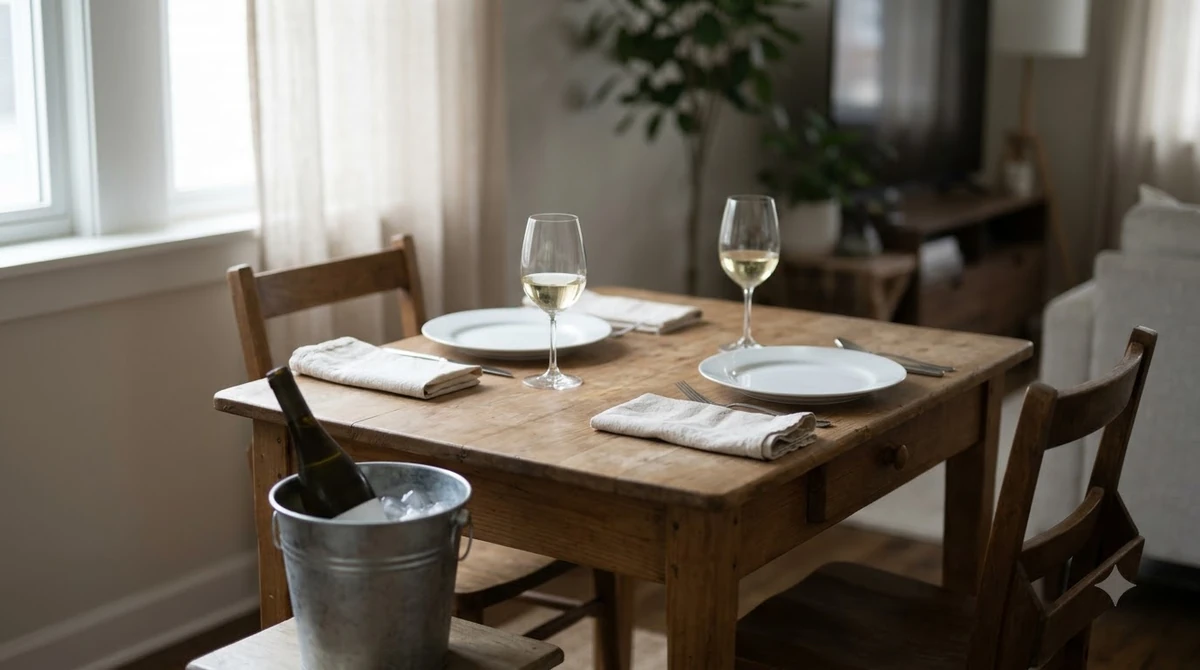
- Chill the bottle before opening. Kroger’s product information recommends approximately two to two and a half hours of refrigeration for a 750 ml bottle, with a serving temperature close to 50°F. The exact chilling time will depend on the refrigerator, the bottle’s starting temperature, and the surrounding conditions.
- Choose an appropriate glass. A standard white wine glass with a moderately sized bowl is suitable. It provides enough room for the aromas to develop while keeping the wine relatively cool during the meal.
- Pour a measured serving. A standard five-ounce pour is a useful reference. A 750 ml bottle contains approximately five such servings, so planning portions is straightforward when preparing a dinner for several guests.
- Pair it with suitable food. Start with roast chicken, mild seafood, creamy pasta, or soft cheeses. The wine’s fruit and acidity make it flexible with a range of familiar dishes, while very spicy or strongly bitter foods can make the pairing less harmonious.
- Refrigerate the remaining wine. If the bottle is not finished, close it securely and return it to the refrigerator. Most opened still wines are best consumed within approximately three to five days, although the wine’s freshness will gradually decline after opening.
These steps are particularly useful when serving Woodbridge Chardonnay at a gathering. A common mistake is to serve white wine directly from a very cold refrigerator. Extremely low temperatures can mute the aromas, making the apple, pear, and vanilla characteristics harder to appreciate.
Tip: Aim for approximately 50°F when serving Woodbridge Chardonnay. If the wine comes directly from a very cold refrigerator, allow it to warm slightly in the glass before assessing its aromas and flavor.
It is also helpful to avoid pouring too much wine into the glass. A five-ounce serving leaves room for aromas to collect above the liquid and makes it easier to observe how the wine develops as its temperature changes. For a casual meal, there is no need for elaborate decanting or special preparation.
Types and Styles of Chardonnay Explained
Chardonnay is a versatile grape variety, and the finished wine can range from crisp and mineral-driven to rich, creamy, and heavily influenced by oak. Woodbridge is positioned toward the approachable, fruit-forward end of this broad spectrum, so understanding the major styles helps explain its appeal.
Unoaked and Fresh Chardonnay
Unoaked Chardonnay generally emphasizes fruit, acidity, and freshness rather than flavors associated with oak maturation. Depending on its origin and winemaking approach, it may show citrus, green apple, pear, and mineral characteristics.
This style is often a good choice for drinkers who enjoy Sauvignon Blanc but want a different grape variety with a softer fruit profile. It can pair particularly well with shellfish, simply prepared white fish, and lighter vegetable dishes.
Compared with this style, Woodbridge has more noticeable vanilla and toasted characteristics. Its retailer descriptions also identify subtle oak and cinnamon, making its profile somewhat rounder than a strictly unoaked expression.
Lightly Oaked Chardonnay
Lightly oaked Chardonnay combines fresh fruit with restrained oak characteristics. Depending on production methods, the result may include gentle vanilla, toast, spice, or a slightly rounded texture.
Woodbridge fits comfortably within this general flavor description. Kroger identifies oak aging on the lees as a contributor to the wine’s texture and complexity. This detail helps explain why the wine has a richer impression than its light- to medium-bodied description might initially suggest.
For someone who likes apple and pear flavors but wants a little additional depth, this type of Chardonnay can be an appealing compromise. It also works with a wider range of foods than some very crisp, citrus-dominated whites.
Rich and Buttery Chardonnay
Rich Chardonnay usually emphasizes greater body and texture, sometimes accompanied by pronounced butter, cream, toasted oak, and ripe fruit characteristics. Malolactic fermentation and oak maturation can contribute to the texture and flavor profile of certain wines.
Wine Enthusiast’s separate historical review of a richer Woodbridge Chardonnay bottling describes fruit, cream, hazelnut, and a viscous texture. This demonstrates that Woodbridge’s Chardonnay offerings have included different expressions rather than one completely uniform style.
However, those tasting characteristics should not be automatically transferred to every standard Woodbridge Chardonnay bottle. The non-vintage review describes a lighter, fruit-forward style, so buyers should distinguish between individual bottlings and their respective tasting descriptions.
How These Styles Compare
The following comparison provides a practical way to understand where Woodbridge belongs among common Chardonnay styles.
- Unoaked: More emphasis on citrus, crisp apple, and freshness.
- Lightly oaked: A combination of fruit, restrained vanilla, and gentle toast.
- Rich and buttery: More pronounced creaminess, fuller texture, and potentially stronger oak flavors.
Woodbridge’s standard fruit-forward description makes it a sensible option for people who want some oak character without choosing an especially rich or powerful Chardonnay. It is also a useful starting point for exploring how different winemaking approaches influence the same grape variety.
Common Mistakes When Choosing Woodbridge Chardonnay
The most frequent purchasing mistakes involve confusing fruity aromas with sweetness, assuming all Chardonnay tastes the same, and overlooking differences between individual bottlings. Understanding these distinctions helps set realistic expectations before opening the bottle.
Assuming Fruity Means Sweet
Woodbridge Chardonnay has identifiable peach, pear, and apple characteristics. These aromas and flavors can create a sweet impression, but they do not automatically mean the wine is sweet in the dessert-wine sense.
Fruit-forward wines can still have a dry finish. Acidity also influences how a wine feels on the palate, and a refreshing finish may balance ripe fruit flavors. Anyone who strongly prefers sweet white wine should distinguish between residual sugar and aromatic fruit character rather than relying on the grape name or tasting description.
For a closer look at this distinction, our Woodbridge Chardonnay sugar content article explains why sugar measurements and perceived sweetness are not interchangeable.
Expecting Every Chardonnay to Taste Identically
Chardonnay is one of the most adaptable white grape varieties. Climate, vineyard conditions, fermentation decisions, oak exposure, and aging can produce very different results.
A crisp Chablis and a rich California Chardonnay may share the same grape variety but have dramatically different textures and aromas. Woodbridge’s pear, peach, apple, and vanilla profile is only one expression of Chardonnay, not a universal template.
Serving the Wine Too Cold
White wine benefits from chilling, but excessively cold serving temperatures can make aromas less expressive. Woodbridge’s suggested temperature of approximately 50°F provides a practical target for enjoying its fruit and subtle oak characteristics.
There is no need to leave the wine sitting in an ice bucket throughout an entire dinner if it has already reached a suitable temperature. Simply return the bottle to the refrigerator between pours when the room is warm.
Pairing It With Overpowering Food
Although Woodbridge Chardonnay is versatile, not every dish is an ideal match. Extremely spicy food can make alcohol seem more pronounced, while very acidic dishes may make a relatively moderate-acidity Chardonnay taste less fresh.
Heavily smoked ingredients, intensely bitter vegetables, and powerful vinegar-based sauces can also compete with the wine’s delicate fruit. For better results, choose dishes with moderate seasoning, creamy textures, or gentle savory flavors.
Confusing Different Bottlings
Product descriptions and published tasting notes may refer to different Chardonnay expressions. A historical review of a richer bottling should not be treated as a precise description of every bottle carrying the Woodbridge name.
Likewise, alcohol information can vary among published listings. Comparing the actual product information associated with the bottle you are considering is more useful than assuming every listing represents an identical production lot.
Care, Storage, and Food Pairing Tips
Woodbridge Chardonnay is generally best enjoyed while its fruit character remains fresh. Proper refrigeration after opening, appropriate serving temperatures, and complementary food choices help preserve the qualities that make this wine approachable.
Food Pairings That Work Well
The wine’s apple, pear, peach, and vanilla characteristics make it compatible with poultry, mild seafood, and dishes containing moderate amounts of fat. Kroger specifically recommends roast chicken and tuna noodle casserole, providing two practical examples of how the wine can fit into an everyday meal. Kroger’s Woodbridge Chardonnay product description also provides serving and food-pairing suggestions.
Other useful pairings include:
- Roast chicken: The savory poultry flavors work well with Chardonnay’s fruit and moderate body.
- Grilled shrimp: Mild seafood complements the wine without overwhelming its apple and pear notes.
- Creamy mushroom pasta: The sauce’s richness provides a pleasant contrast to the wine’s acidity.
- Baked salmon: A simply seasoned preparation can work with its rounded fruit character, provided the dish is not excessively oily or heavily smoked.
- Soft cheeses: Brie and mild Camembert complement the wine’s texture and gentle oak influence.
- Roasted vegetables: Squash, carrots, and lightly seasoned cauliflower can provide an appealing savory pairing.
Salt and fat can soften the perception of tannin, although Chardonnay contains very little tannin compared with red wines such as Cabernet Sauvignon. With white wine, the more important considerations are acidity, texture, sweetness, and flavor intensity.
Acidic foods generally pair better with wines that have equal or higher acidity. For example, a strongly lemon-dressed seafood dish can make a moderate-acidity Chardonnay seem comparatively soft. Reducing the amount of citrus or serving a less acidic preparation can produce a more balanced match.
Serving Temperature and Glassware
Approximately 50°F is a useful serving target for Woodbridge Chardonnay. This is slightly warmer than the coldest refrigerator temperature and allows the fruit aromas and subtle oak characteristics to become more noticeable.
A standard white wine glass is sufficient. A moderately sized bowl provides space for the wine’s aromas while limiting the amount of wine exposed to warm room air. Specialized glasses are not necessary for enjoying an approachable California Chardonnay.
Storing an Unopened Bottle
For short-term storage, keep the bottle away from direct sunlight, strong heat, and large temperature fluctuations. A consistently cool storage location is preferable to a kitchen counter exposed to sunlight or heat from cooking appliances.
For longer storage, a wine-storage environment near 55°F is a useful general target. Bottles with traditional cork closures are normally stored horizontally to help keep the cork from drying out. Avoid unnecessary movement and exposure to strong light.
Woodbridge Chardonnay is primarily suited to convenient, relatively near-term drinking rather than long-term cellaring. There is little reason to purchase a standard everyday bottle with the expectation that several years of aging will substantially improve it.
Preserving an Opened Bottle
After opening, close the bottle with its original closure or a suitable wine stopper and refrigerate it. Most opened still wines retain acceptable freshness for approximately three to five days under proper refrigeration, although the precise result depends on oxygen exposure and storage conditions.
Keeping the bottle cold slows the deterioration of its aromas and flavors. If only a small amount remains, transferring it to a clean, smaller bottle can reduce the amount of air inside the container. Avoid leaving an opened bottle on the dining table overnight.
Before serving the remaining wine, allow it to warm slightly toward its usual serving temperature. This helps restore the fruit aromas without requiring any special equipment or lengthy preparation.
Frequently Asked Questions
Is Woodbridge Chardonnay suitable for beginners?
Yes. Chardonnay is one of the most widely recognized international white grape varieties, and Woodbridge offers a familiar California expression. Its recognizable fruit flavors make it accessible to people who are still learning to identify wine aromas and textures.
Does Woodbridge Chardonnay need to breathe before drinking?
No extended aeration is generally necessary for this approachable white wine. Unlike some young, concentrated red wines, it does not typically require 30 to 60 minutes of decanting. Opening the bottle shortly before serving is usually sufficient.
Can Woodbridge Chardonnay be used in cooking?
Yes. A dry or moderately fruity Chardonnay can be used in cream sauces, chicken dishes, and seafood preparations. Add it during cooking to allow some of the liquid to reduce, and avoid using wine that has developed unpleasant oxidation aromas.
Does Chardonnay have to be made in California?
No. Chardonnay is grown in many countries, including France, Australia, New Zealand, Chile, and South Africa. Burgundy in France is particularly well known for Chardonnay, with Chablis representing a distinctive regional expression of the grape.
How many standard wine servings are in a 1.5-liter bottle?
A 1.5-liter bottle contains approximately ten standard five-ounce servings, twice the quantity of a conventional 750 ml bottle. This format is commonly called a magnum and can be convenient for larger gatherings. The number of actual glasses will vary according to the amount poured.
Woodbridge Chardonnay is a straightforward California white wine for people who enjoy approachable fruit, gentle oak, and a versatile food-friendly style. Its apple, pear, peach, and vanilla characteristics make it particularly suitable for casual meals, while proper chilling and sensible food pairings help bring out its best qualities. For drinkers seeking an uncomplicated Chardonnay rather than a highly distinctive or collectible bottle, it is a reasonable everyday option.
More in Wine Brands
 Underwood Wine Price: Compare Bottles, Cans, and Pack SizesUpdated Nov 21, 2026
 Zenato Wine Price: Compare Styles and Choose the Right BottleUpdated Nov 21, 2026
 Zuccardi Wine Price: Compare Bottles and Find the Right RangeUpdated Nov 21, 2026
 Yellow Tail Moscato Review: Taste, Sweetness and Serving TipsUpdated Nov 21, 2026
 Wolf Blass Yellow Label Review: Choose Your Best StyleUpdated Nov 21, 2026
 Wolffer Estate Rose Review: Choose the Right Bottle for Your TableUpdated Nov 21, 2026