


We may earn a commission when you buy through links on this page, at no extra cost to you. Learn more.
Woodbridge Chardonnay sugar content is listed at 9 grams per liter, equivalent to approximately 1.3 grams of residual sugar in a standard 5-ounce glass. This California Chardonnay is generally described as dry and fruity rather than sweet. Its ripe apple, pear, toasted brioche, and vanilla characteristics can create a rounded impression that some drinkers mistake for sweetness, even though its measured sugar content is relatively modest.
If you enjoy approachable white wines but want to understand how much sugar you are drinking, Woodbridge by Robert Mondavi is a useful example of why wine sweetness requires more than a glance at tasting notes. The amount of residual sugar, the wine’s acidity, its alcohol content, and its fruit-forward flavors all contribute to the drinking experience. Here is how to interpret the available sugar information, estimate your serving intake, and decide whether this Chardonnay suits your preferences.
How Much Sugar Is in Woodbridge Chardonnay?
A Woodbridge Chardonnay product listing from the Liquor Control Board of Ontario (LCBO) reports 9 grams of sugar per liter. That concentration works out to approximately 1.3 grams in a 5-ounce serving, making the wine relatively low in residual sugar compared with noticeably sweet white wines.
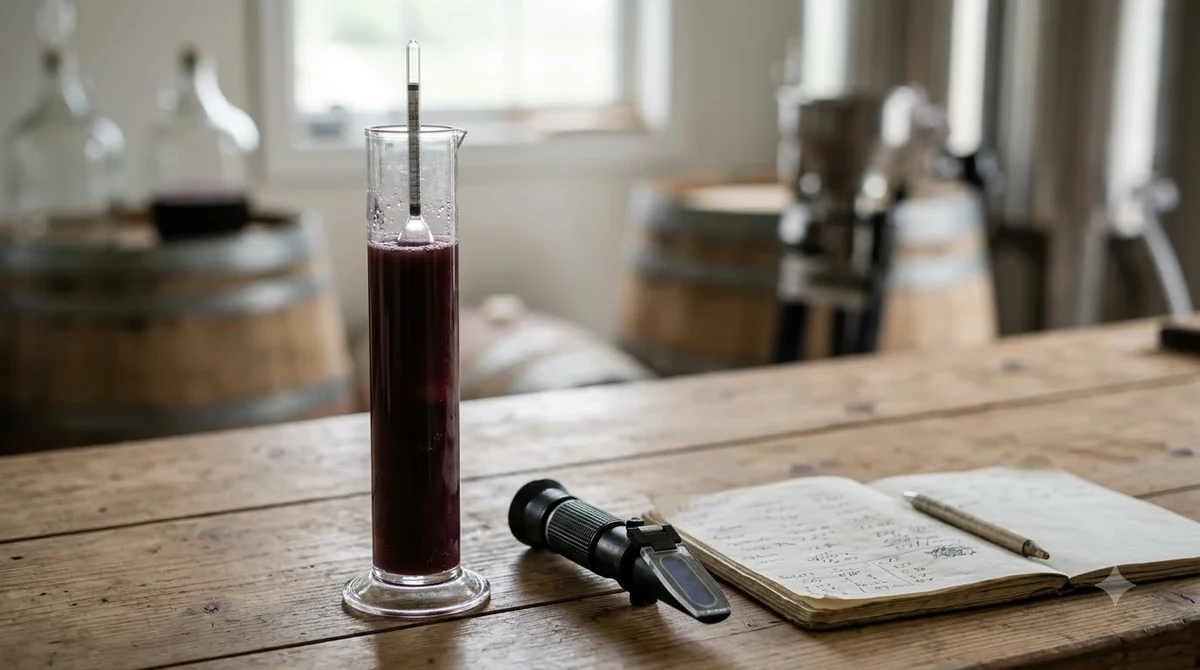
The distinction between concentration and serving size matters. A liter contains considerably more wine than most people pour into a glass, so the 9 g/L figure should not be interpreted as the amount of sugar in one serving. A standard wine pour is approximately 5 ounces, or 148 milliliters. Multiplying that volume by the reported concentration gives a more practical estimate.
The following calculations use the LCBO-listed concentration of 9 grams per liter. They are estimates rather than laboratory measurements of every bottle, and actual figures can differ between production lots or product variations.
| Serving size | Wine volume | Estimated residual sugar |
|---|---|---|
| Small pour | 3 oz / 89 ml | 0.80 g |
| Standard glass | 5 oz / 148 ml | 1.33 g |
| Large pour | 6 oz / 177 ml | 1.59 g |
| Two standard glasses | 10 oz / 296 ml | 2.66 g |
| Half bottle | 375 ml | 3.38 g |
| Full bottle | 750 ml | 6.75 g |
| One liter | 1,000 ml | 9.00 g |
For someone who typically drinks one 5-ounce glass with dinner, the estimated residual sugar contribution is about 1.33 grams. A full 750 ml bottle contains approximately 6.75 grams at the same concentration. These figures help put the wine’s sugar level into perspective without confusing the amount in the bottle with the amount in a normal serving.
It is also important to understand that the 9 g/L figure comes from a specific retail listing, not a guarantee that every Woodbridge Chardonnay variation has precisely the same composition. Retail product records can describe particular bottlings, and different markets may publish different technical details.
Is Woodbridge Chardonnay Dry or Sweet?
Woodbridge Chardonnay is generally positioned as a dry, fruit-forward white wine. Its listed sugar concentration is relatively modest, and the LCBO specifically describes the wine as dry and fruity. However, its ripe fruit flavors and creamy-sounding tasting notes can make it seem softer or sweeter than a particularly crisp, lean Chardonnay.
In winemaking, sweetness is primarily determined by residual sugar, which is the natural grape sugar remaining after fermentation. Yeast consumes grape sugars and converts them into alcohol and carbon dioxide. When fermentation converts nearly all the available fermentable sugar, the resulting wine is described as dry.
A wine does not need to contain absolutely zero sugar to taste dry. Small quantities of residual sugar can remain in finished wines, and acidity influences how noticeable that sugar becomes. This explains why two white wines with similar sugar concentrations can taste noticeably different.
The International Organisation of Vine and Wine (OIV) provides a useful technical distinction. Its international definition allows a wine to qualify as dry with up to 4 grams of sugar per liter, or up to 9 grams per liter when its acidity meets a specified condition. In the latter case, total acidity must be no more than 2 grams per liter below the residual sugar content.
Consequently, a figure of 9 g/L does not automatically mean that every wine with that concentration is legally or technically dry under every applicable classification. The acidity measurement matters. The LCBO’s description of Woodbridge as dry provides a practical indication of its intended drinking style, while the OIV standard explains the technical qualification.
For comparison, the following general sweetness ranges help distinguish everyday dry wines from wines with more noticeable sweetness. These are useful guidelines rather than universal legal definitions.
| General wine style | Residual sugar | Expected impression |
|---|---|---|
| Bone dry | 0–1 g/L | Very little perceptible sweetness |
| Dry | 1–4 g/L | Predominantly crisp and dry |
| Off-dry | 4–12 g/L | Some sweetness may be noticeable |
| Medium sweet | 12–45 g/L | Clearer sweet-fruit impression |
| Sweet | 45 g/L and above | Pronounced sweetness |
These categories illustrate why a wine containing a relatively small amount of sugar can still be described as dry, particularly when its acidity balances its fruit characteristics. For a broader explanation of wine sweetness, the International Organisation of Vine and Wine’s sugar definitions provide a technical reference.
For drinkers who prefer genuinely sweet white wine, Woodbridge Chardonnay is unlikely to deliver the same experience as a Moscato, a sweet Riesling, or a late-harvest dessert wine. Those styles generally have a more obvious sugary character.
Why Woodbridge Chardonnay Can Taste Sweeter Than Its Sugar Level
Fruit aromas, oak-associated flavors, and wine texture can all create an impression of sweetness without requiring substantial residual sugar. Woodbridge Chardonnay’s combination of pear, baked apple, toasted brioche, and vanilla makes it a good example of this distinction.
The LCBO describes Bartlett pear and buttered croissant aromas, followed by baked apple, toasted brioche, and vanilla custard flavors. These characteristics can suggest ripe fruit or dessert ingredients to someone smelling the wine, but they do not establish that the wine contains the same amount of sugar as those foods.
Fruit aromas are not the same as sugar
Consider the difference between biting into a fresh green apple and smelling an apple pastry. Both can have recognizable apple characteristics, but their sweetness is very different. Wine aromas work in a similar way. A Chardonnay can smell strongly of ripe apple, pear, or pineapple while still tasting predominantly dry.
Fruit character comes from aromatic compounds associated with the grapes and fermentation. The amount of actual residual sugar is a separate measurement. This is why descriptions such as fruity, ripe, tropical, and aromatic should not be treated as numerical indications of sugar content.
Vanilla and toasted notes create richness
Vanilla, brioche, and buttery impressions are commonly associated with Chardonnay winemaking. Oak influence can contribute vanilla, coconut, and baking-spice characteristics, while malolactic fermentation can soften the wine’s sharper malic acidity and introduce buttery notes.
These processes influence aroma, texture, and the overall impression of the wine. They do not automatically add residual sugar. A creamy or buttery Chardonnay can therefore remain dry, even when its flavors remind someone of vanilla custard or baked pastries.
Wine Enthusiast explains the relationship between Chardonnay’s grape characteristics, oak influence, and malolactic fermentation in its essential Chardonnay guide. These distinctions are especially useful when comparing a crisp stainless-steel Chardonnay with a richer, rounder California style.
Tip: To judge sweetness more accurately, take a small sip after smelling the wine. Separate the fruit aromas from the actual taste on your tongue. A strong pear or vanilla aroma does not necessarily mean that the wine contains much residual sugar.
Woodbridge Chardonnay Calories, Carbohydrates, and Alcohol
Residual sugar is only one part of a wine’s nutritional composition. Alcohol also contributes calories, and the total calorie content cannot be determined from sugar concentration alone. Woodbridge Chardonnay’s LCBO listing reports 13.5% alcohol by volume, which is an important consideration when estimating the contribution of a standard serving.
At 9 grams of sugar per liter, a 5-ounce glass contains approximately 1.33 grams of residual sugar. Because carbohydrates include sugars, this residual sugar contributes approximately 1.33 grams toward the serving’s carbohydrate total. However, total carbohydrates may differ depending on other wine components and the analytical method used.
Alcohol contributes considerably more energy per gram than carbohydrates. Therefore, a wine with relatively little residual sugar can still contain calories from its alcohol content. It would be misleading to describe a dry Chardonnay as calorie-free simply because it does not taste sweet.
The following table summarizes the practical estimates for a typical serving using the listed alcohol and sugar figures.
| Measurement | Estimated amount | Explanation |
|---|---|---|
| Serving volume | 5 oz / 148 ml | Standard wine pour |
| Residual sugar | 1.33 g | Calculated from 9 g/L |
| Alcohol by volume | 13.5% | Listed product specification |
| Pure alcohol | About 15.8 ml | Estimated from serving volume |
| Alcohol by weight | About 12.5 g | Estimated using alcohol density |
These calculations provide context rather than a complete nutrition label. Exact calorie and carbohydrate values require additional information about the wine’s composition. Alcohol, residual sugar, and other components should not be treated as interchangeable measurements.
Does low residual sugar mean low calories?
Not necessarily. Two Chardonnays can have similar residual sugar concentrations but different alcohol levels. The wine with more alcohol can have a higher calorie contribution even if its sugar concentration is nearly identical.
This is particularly relevant when comparing different white wine styles. A lighter-bodied wine with lower alcohol may contribute fewer calories from alcohol, while a fuller-bodied Chardonnay can have a more substantial alcohol contribution. The grape variety alone does not determine the final nutritional profile.
For the same reason, a buttery flavor does not prove that a wine has more sugar or calories. Texture and aromatic richness are sensory characteristics, while nutritional values depend on measurable components.
If precise nutritional information is important, a product-specific nutrition declaration or laboratory analysis is more useful than estimating everything from tasting descriptions.
How to Serve Woodbridge Chardonnay for the Best Flavor
Serving temperature changes how Chardonnay’s aromas, acidity, and alcohol are perceived. A temperature of approximately 50–55°F is a useful target for this style of white wine, allowing its fruit and richer characteristics to remain noticeable without making the alcohol seem overly prominent.
Wine that is too warm can seem heavier and more alcoholic. Wine that is excessively cold can lose much of its aromatic detail, making the pear, apple, and vanilla characteristics harder to appreciate.
For a practical approach, place the bottle in the refrigerator before serving. Approximately two hours of refrigeration is a useful starting point, although the actual cooling time depends on the refrigerator and the bottle’s starting temperature. An ice-water bath can also chill a bottle more quickly.
Choose an appropriate glass
A medium-sized white wine glass is suitable for Woodbridge Chardonnay. A moderately wide bowl provides room for the aromas to develop, while a narrower opening helps direct those aromas toward the nose. There is no need for an unusually large glass to appreciate an approachable California Chardonnay.
Pour approximately 5 ounces rather than filling the glass. Leaving sufficient room allows you to swirl the wine gently and examine its aromas without spilling it.
Keep opened bottles refrigerated
After opening, replace the cork or use a suitable wine stopper and return the bottle to the refrigerator. Oxygen gradually changes wine after opening, affecting its fresh fruit aromas and overall character.
As a general guideline, opened still white wines are best consumed within approximately 3–5 days when properly refrigerated. The exact period depends on the wine’s condition, storage temperature, and exposure to air. A bottle that has developed noticeably stale, bruised-fruit, or vinegar-like aromas may no longer offer its original character.
For unopened bottles, a cool, dark storage area with a relatively stable temperature is preferable to a warm kitchen shelf. A storage temperature near 55°F is a useful general target for wine, and bottles with traditional cork closures are generally stored horizontally.
Food Pairings That Work With Woodbridge Chardonnay
Woodbridge Chardonnay’s pear, baked apple, toasted brioche, and vanilla characteristics make it suitable for foods with moderate richness and gentle seasoning. Chicken, seafood, creamy pasta, and roasted vegetables are particularly practical choices because their textures complement the wine’s fuller fruit profile.
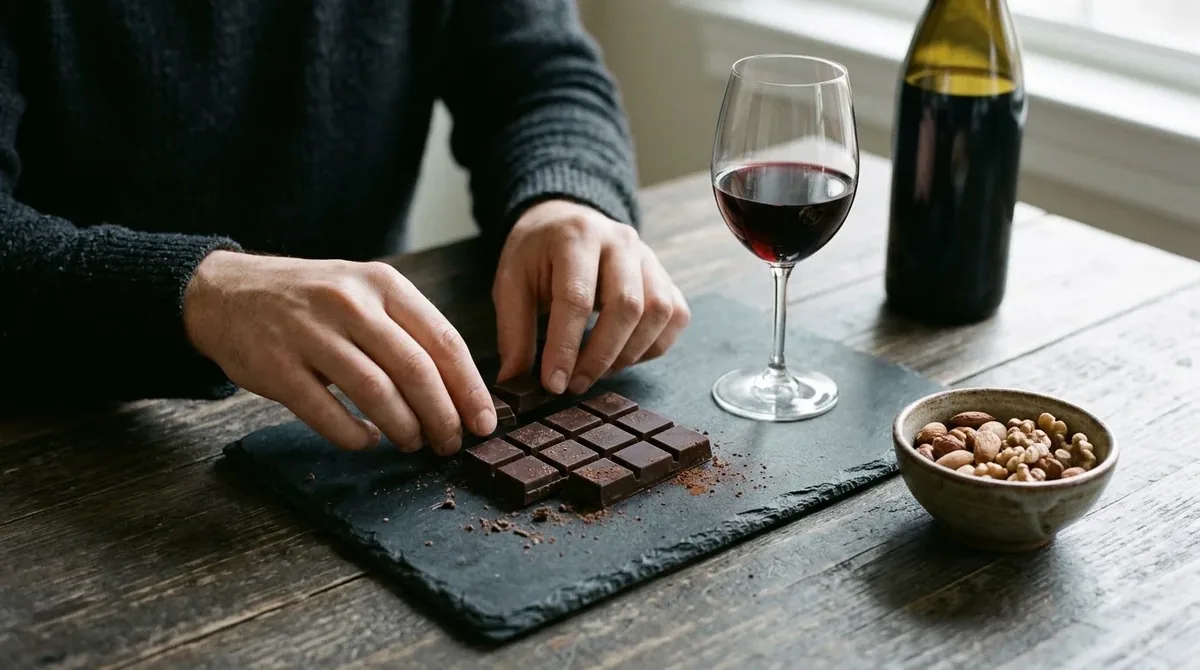
The most useful pairing principle is to match the weight of the food with the weight of the wine. A delicate white fish preparation can work with a lighter Chardonnay, while a richer preparation with butter or cream generally benefits from a rounder style.
Chicken and turkey
Roasted chicken is a dependable pairing. Its savory meat and lightly browned skin complement the wine’s baked apple and toasted notes. Chicken with a mild cream sauce is another good option because the sauce provides enough richness to match the Chardonnay’s fuller impression.
Turkey breast, herb-roasted chicken, and chicken with mushroom sauce are also suitable. Avoid overly sweet sauces if you want to keep the wine tasting balanced. Strongly sugary glazes can make a dry white wine seem sharper by comparison.
Seafood and fish
Grilled shrimp, scallops, lobster, and mild white fish can all work well with Chardonnay. Butter-based seafood preparations are especially compatible with the wine’s rounded texture and subtle brioche characteristics.
Salmon can also be a good choice, particularly when grilled or served with a creamy sauce. However, heavily oily fish preparations and strongly acidic marinades require more attention to balance. A wine with moderate acidity may be less successful with a dish dominated by sharp lemon or vinegar.
Pasta and cheese
Chicken Alfredo, mushroom pasta, and mild cheese-based dishes are natural companions. The creaminess of these preparations complements Chardonnay’s fuller texture, while garlic, herbs, and roasted vegetables add savory depth.
For cheese, try Brie, Gruyère, Gouda, or mild cheddar. These cheeses provide enough richness and savory character without overwhelming the wine’s fruit flavors. Extremely pungent cheeses can dominate a relatively straightforward California Chardonnay.
Vegetarian options
Roasted cauliflower, baked potatoes, mushroom risotto, and grilled zucchini are useful vegetarian pairings. Their savory and lightly caramelized characteristics work well with baked apple and toasted bread notes.
For a simple dinner, serve the Chardonnay with roasted chicken, potatoes, and green vegetables. For a meat-free meal, mushroom risotto with Parmesan offers a similar balance of richness and savory flavor.
Very spicy dishes are generally less suitable. Chili heat can become more pronounced alongside alcohol, so a moderately alcoholic, higher-acidity white or an off-dry Riesling may be a better option for particularly hot food.
How Woodbridge Chardonnay Compares With Other Popular Wines
Comparing Woodbridge Chardonnay with other supermarket Chardonnay and everyday white wine options can help clarify its sweetness and overall style. The most useful comparisons consider the actual residual sugar information where available, rather than assuming every wine made from the same grape has identical characteristics.
For example, Josh Chardonnay sugar content is a useful comparison for readers interested in another recognizable California Chardonnay. Both wines belong to a familiar category of approachable white wines, but individual bottlings can differ in sweetness, acidity, alcohol, and oak influence.
Another useful comparison is Yellow Tail Chardonnay sugar content. Looking at the two products side by side can help readers understand why a Chardonnay’s brand name and grape variety are not enough to establish its exact residual sugar concentration.
For someone considering a lighter white wine, Barefoot Pinot Grigio sugar content offers a different reference point. Pinot Grigio commonly emphasizes crisp fruit and refreshing acidity, whereas Chardonnay can have a rounder texture and more noticeable baked-fruit or vanilla characteristics.
These comparisons are useful because sweetness is only one part of the drinking experience. A wine can have a similar sugar concentration to another bottle yet feel substantially different because of its acidity, body, alcohol, and aromatic profile.
When comparing bottles, consider the following characteristics:
- Residual sugar: Look for a measured grams-per-liter figure rather than relying exclusively on words such as fruity or smooth.
- Alcohol: Compare the ABV figures to understand how the wines differ in alcohol strength.
- Acidity: Higher acidity can make a wine feel fresher and less sweet.
- Body: A fuller-bodied Chardonnay can feel creamier than a lighter Pinot Grigio even when both are dry.
- Oak influence: Vanilla, toast, and buttery characteristics can change the impression of sweetness without necessarily changing residual sugar.
Readers exploring other everyday wine styles can also browse Wine Brands for additional information about familiar producers and their bottlings.
The important point is that a comparison should use equivalent measurements. A 5-ounce serving should be compared with another 5-ounce serving, and a grams-per-liter figure should not be compared directly with a grams-per-glass figure.
Frequently Asked Questions
Does Woodbridge Chardonnay contain added sugar?
A reported residual sugar measurement does not establish whether a particular wine received an addition of sweetening material. Residual sugar can remain naturally after fermentation. Determining whether a specific bottling contains added sugar requires its production information or an appropriate ingredient declaration.
Is Woodbridge Chardonnay made from 100% Chardonnay grapes?
The retail listing identifies the product as Chardonnay but does not establish the exact grape composition. A varietal wine’s permitted grape composition can also depend on the applicable wine regulations. The producer’s technical information for the particular bottling is the appropriate source for an exact percentage.
Does Woodbridge Chardonnay contain sulfites?
Wine can contain naturally occurring sulfites produced during fermentation, and winemakers may also use sulfur dioxide during production and storage. The exact concentration in an individual bottle cannot be established from its residual sugar or alcohol figures. Sulfite labeling requirements depend on the market where the wine is sold.
Can Woodbridge Chardonnay be used in cooking?
Yes. A dry Chardonnay can be used in dishes such as chicken pan sauces, mushroom risotto, and seafood pasta. Its apple and toasted characteristics can complement savory ingredients, while its alcohol and acidity contribute to the flavor of a finished sauce.
Does Woodbridge Chardonnay need to be decanted?
Most approachable young Chardonnay does not require decanting before serving. Unlike some young, tannic red wines that benefit from 30–60 minutes of aeration, this white wine can generally be opened and poured directly. A brief period in the glass is usually sufficient for its aromas to develop.
Woodbridge Chardonnay is a dry, fruit-forward California white wine with a reported residual sugar concentration of 9 grams per liter, or approximately 1.33 grams in a standard 5-ounce glass. Its pear, baked apple, brioche, and vanilla characteristics provide a rounded drinking experience without making it a dessert-style wine. Understanding the difference between fruitiness, residual sugar, and alcohol makes it easier to compare bottles, estimate serving amounts, and choose food pairings that complement the wine.
More in Wine Brands
 Louis Latour Wine Price: Compare Bottles by Style and TierUpdated Nov 20, 2026
 Yellow Tail Moscato Price: What to Expect Before You BuyUpdated Nov 20, 2026
 Sutter Home Sweet Red Review: Find the Right Food PairingsUpdated Nov 20, 2026
 Franzia Chillable Red Review: Find the Right Serving StyleUpdated Nov 20, 2026
 Veuve Clicquot Rose Review: Flavor, Food Pairings and Buying AdviceUpdated Nov 20, 2026
 Rombauer Wine Price: Compare Bottles Before You BuyUpdated Nov 20, 2026