


We may earn a commission when you buy through links on this page, at no extra cost to you. Learn more.
A winter sangria recipe starts with a dry red wine, a splash of brandy, and fresh citrus, then adds warm spices like cinnamon, cloves, and star anise. The fruit softens as it rests, and the result is served chilled or gently warmed, which suits cold evenings better than the light summer versions most people know.
Traditional sangria comes from Spain and Portugal and is built on wine, fruit, and a little sweetness. The winter version keeps that structure but shifts the flavors toward citrus peel, baking spices, and deeper red wine. This guide walks through a simple home method, explains which ingredients matter most, and offers tips for making a batch ahead for guests.
Choosing the Right Wine for Winter Sangria
Traditional sangria is made with red wine, and that remains the best base for a cold-weather batch. A dry, fruit-forward red such as a Spanish Rioja or a Tempranillo blend gives structure without much sweetness, so the fruit and spices can stand out. Avoid very expensive bottles, since the spices and fruit will change the wine’s character anyway, but also skip the cheapest jug wines, which can taste flat once they are mixed.
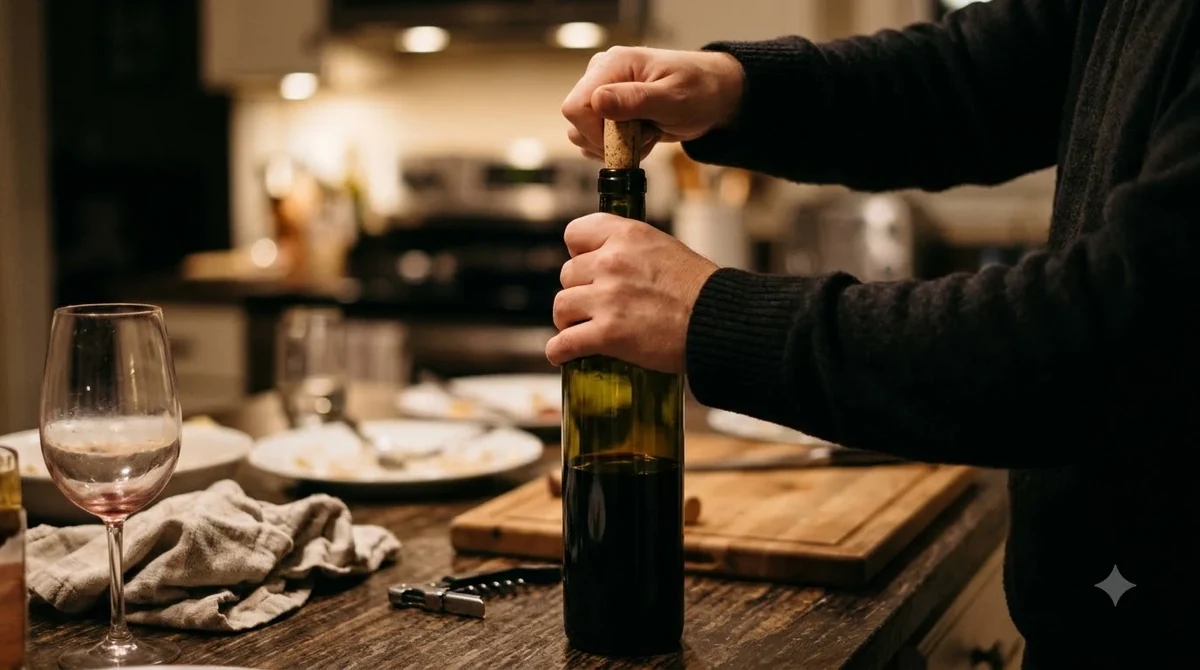
White wine can work for a lighter winter option, although white sangria is a newer style and usually relies on crisp dry whites rather than oaked or heavy ones. Sparkling wine is another route, and sangria made with Spanish cava is common in some regions. For a cozy winter batch, a dry red is still the most natural choice.
Ingredients for a Winter Sangria Recipe
A good winter batch needs four groups of ingredients: wine, a spirit, sweetener, and fruit. Keep the amounts loose and taste as you go, because the balance depends on the wine’s sweetness and the fruit’s ripeness. Start with a modest amount of each and adjust before serving.
- Wine: one bottle of dry red, such as Rioja or a Tempranillo blend.
- Spirit: a splash of brandy, which adds warmth and body. Some recipes use a flavored liqueur instead.
- Sweetener: sugar or orange juice, added to taste. Orange juice also brings in citrus flavor.
- Fruit: oranges, apples, and pears are classic winter choices, with pomegranate seeds or cranberries for color.
- Spices: cinnamon, cloves, and star anise, added in small amounts so they do not overpower the wine.
| Ingredient | Role in the drink | Winter tip |
|---|---|---|
| Dry red wine | Base and structure | Choose a fruit-forward dry style |
| Brandy | Warmth and depth | A little goes a long way |
| Orange juice | Sweetness and citrus | Use fresh if possible |
| Apples and pears | Body and soft fruit notes | Slice thinly so they soak up flavor |
| Cinnamon and cloves | Winter spice | Add whole, then remove before serving |
How to Make It Step by Step
The method is simple, but timing makes the difference. Most of the flavor develops while the fruit sits in the wine, so give the batch time before serving.
- Slice the oranges and apples into thin rounds or half-moons, and cut the pears into small pieces.
- Place the fruit in a large pitcher with the spices, adding the sweetener and orange juice.
- Pour in the wine and the brandy, then stir gently to combine.
- Cover the pitcher and refrigerate it so the fruit can steep. Taste it after a few hours and add more sweetener or spirit if needed.
- Serve cold over ice, or warm it gently on the stove without letting it boil, which can burn off the alcohol and make the fruit mushy.
Warm Spices and Winter Variations
Winter sangria works best with a clear spice profile. Cinnamon and clove are the most familiar, and star anise adds a faint licorice note that pairs well with dark red wine. Orange peel adds bright oils without much extra sugar. Some cooks also add a touch of vanilla or a few cranberries for a festive look.
Fruit choice changes the mood of the batch as much as the spices do. Apples and pears bring a soft, autumn sweetness, while citrus keeps the drink lively. Pomegranate seeds add a tart crunch and a bright color that stands out in a winter setting. If you prefer something deeper, dried figs or a few dried cherries can be soaked in the wine for a richer, almost jammy character. Keep the mix balanced so no single fruit takes over the wine.
Warming the batch gently turns it into something closer to a mulled wine, which is a related drink from the same winter tradition. The key is to keep the heat low so the wine stays drinkable and the fruit holds its shape. A slow cooker set to low is an easy way to keep a batch warm during a party.
Serving and Make-Ahead Tips
Plan the batch around the guest list. A small pitcher is enough for a casual evening, but a holiday party usually needs a larger container and a second batch made later in the night, since the fruit loses its crispness after a long soak. Keep the pitcher in the refrigerator until serving, and set out a bowl of extra fruit so guests can top up their glasses without opening the main batch.
Sangria tastes better after a rest, so making it several hours ahead is usually a good plan.
Add the carbonated part, such as sparkling water or cava, just before serving to keep it lively. Fresh orange wedges and a cinnamon stick make an attractive garnish, and small glasses with a spoon work well so guests can eat the soaked fruit.
For a cocktail-style alternative, a red wine spritzer is a lighter option that uses the same flavor ideas in a shorter drink. Our red wine spritzer recipe is a good match if you want something less sweet.
Food Pairings for Winter Sangria
Winter sangria pairs well with rich, savory food. The fruit and spice match roasted meats, baked cheese, and hearty stews. Its acidity helps cut through fatty dishes, which is why it works at holiday dinners. A dish cooked with wine also fits the same flavors, so a red wine sauce recipe is an easy partner for a main course.
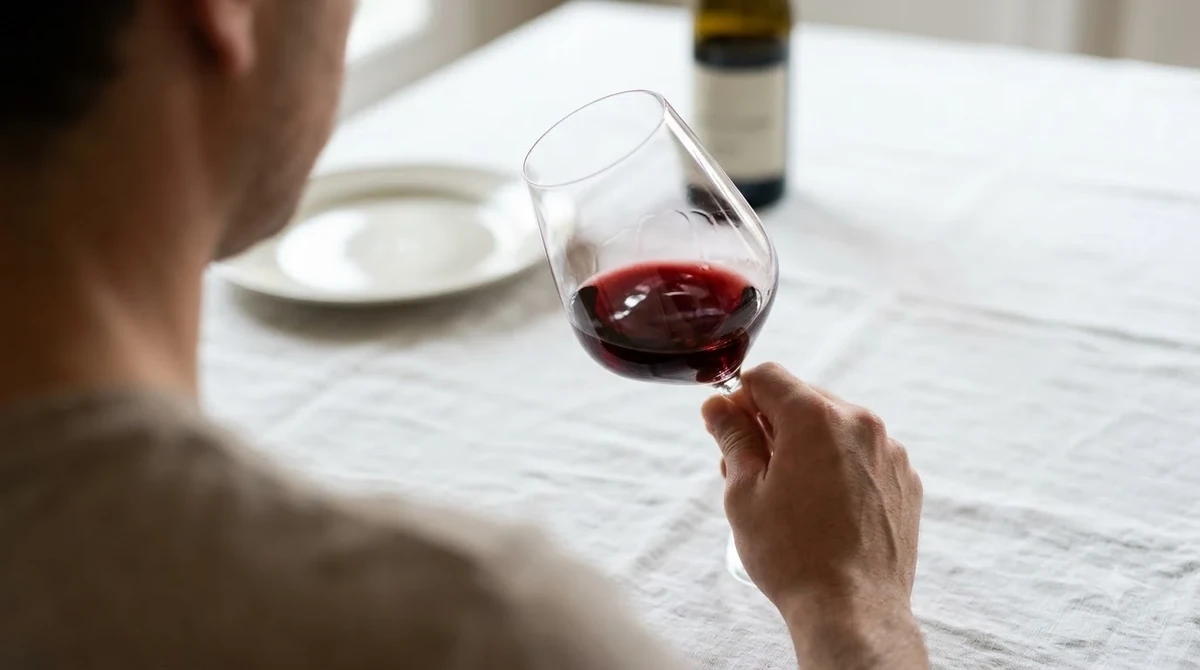
For a more complete guide to matching drinks and dishes, our food pairing guide covers the basics of balancing sweetness, acidity, and body. Those principles work across both sangria and still wine.
Frequently Asked Questions
Can I make winter sangria with white wine?
Yes. White sangria uses dry white wines and is a newer style than the red version. Pick a crisp dry white and add lighter fruit such as pears and apples, with a little citrus for balance.
How long should sangria sit before serving?
Several hours in the refrigerator is a good target so the fruit can steep. Taste it along the way, since sweetness and spirit strength can shift as the fruit releases its juice.
Should I serve winter sangria warm or cold?
Traditional sangria is served cold or chilled. For winter, you can also warm it gently on the stove, but keep it below a simmer so the wine does not turn harsh and the fruit does not break down.
What is the difference between sangria and mulled wine?
Sangria is a fruit-and-wine drink from Spain and Portugal, usually served cold, while mulled wine is a warmed, spiced wine. A warm winter sangria blends elements of both, which is why the two are often compared.
A winter sangria recipe is easy to adjust once you have the basics down. Start with a dry red, add warm spices in small amounts, and give the fruit time to soak. For more background on the drink’s origins, the Sangria article on Wikipedia describes its Spanish roots and common ingredients.
More in Food & Wine Pairing
 Risotto With White Wine Recipe: Make a Creamy Dinner at HomeUpdated Nov 20, 2026
 Wassail With Wine Recipe for a Festive Spiced Holiday DrinkUpdated Nov 20, 2026
 Spritz Veneziano Recipe: Make a Classic Venetian Aperitivo at HomeUpdated Nov 20, 2026
 Summer Wine Punch Recipe for Easy Homemade EntertainingUpdated Nov 20, 2026
 Bishop Recipe: How to Make a Bright, Citrus-Forward Red Wine CocktailUpdated Nov 20, 2026
 Wine Cupcakes Recipe: Bake Rich Chocolate Cupcakes at HomeUpdated Nov 20, 2026