
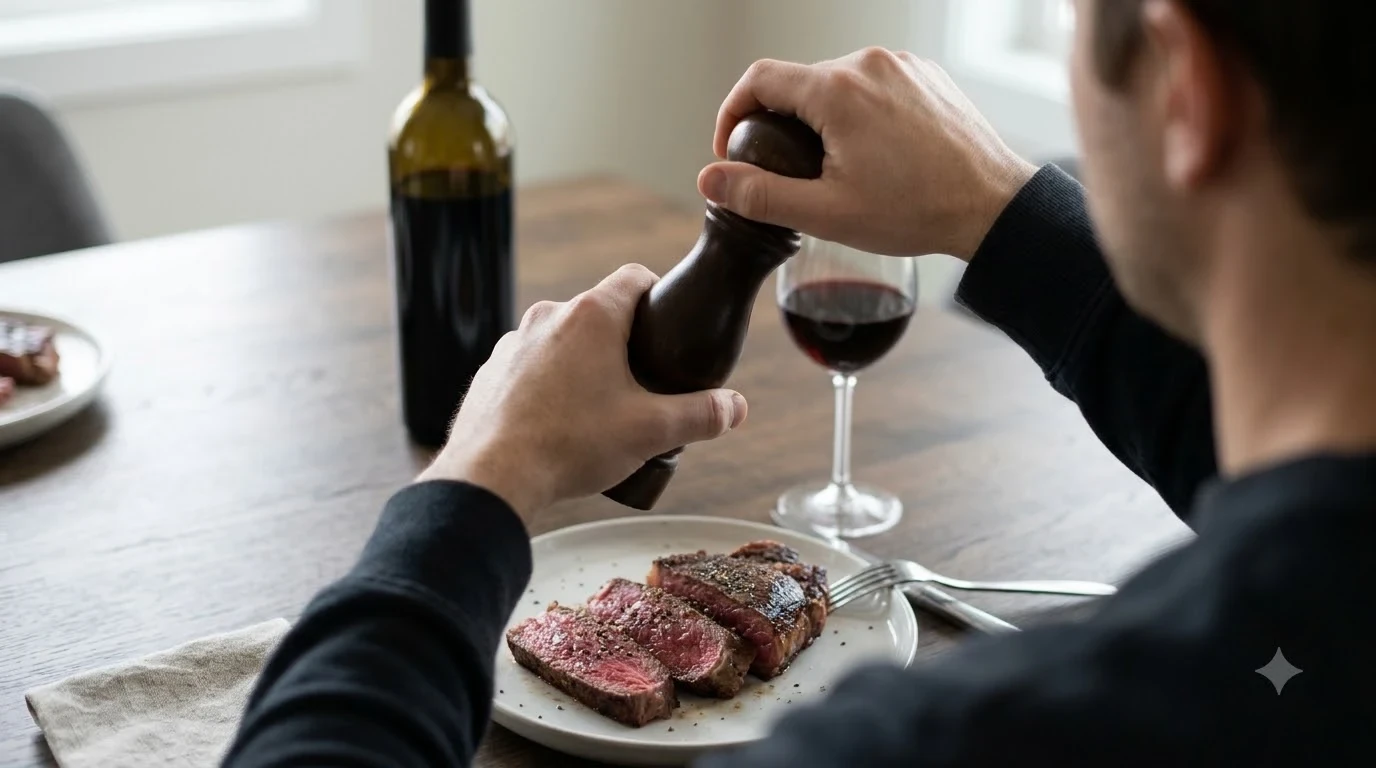

We may earn a commission when you buy through links on this page, at no extra cost to you. Learn more.
This red wine sauce recipe builds a pan sauce by softening aromatics in the drippings, deglazing with dry red wine, and reducing everything with stock until it coats a spoon. The method fits into the time it takes to cook the meat, and it works with beef, pork, lamb, or mushrooms once you understand the basic steps.
A good red wine sauce tastes rich without being heavy, glossy without being sticky, and balanced enough that the wine is still noticeable. Restaurants often make it from a long reduction, but the same principles work in a home skillet. The steps below focus on technique rather than fixed measurements, so you can adjust the sauce to the amount of meat you are cooking and the wine you have open. If you want the basics of how wine behaves in a pan, the guide to cooking with wine from VinePair is a useful companion.
Ingredients and what each one does
Every red wine sauce starts with a few core ingredients, and each one has a job. The wine provides acidity, tannin, and fruit. Stock adds body and savory depth, aromatics such as shallot or garlic add sweetness and a background flavor, and butter or fat rounds the finish. Herbs such as thyme or rosemary add aroma, and a small amount of acid at the end, such as a splash of vinegar, can lift the flavor when the sauce tastes flat.
Choose a dry red that you would be happy to drink, because the sauce concentrates whatever is in the bottle. VinePair’s cooking guide suggests that if you enjoy drinking a wine, you should cook with it, and that expensive bottles are not required. Avoid supermarket cooking wine, which is often salty and thin. One recipe in that guide calls for a cup or two of wine, so you can start there and scale to the amount of meat in the pan, with the rest of the bottle going to the table.
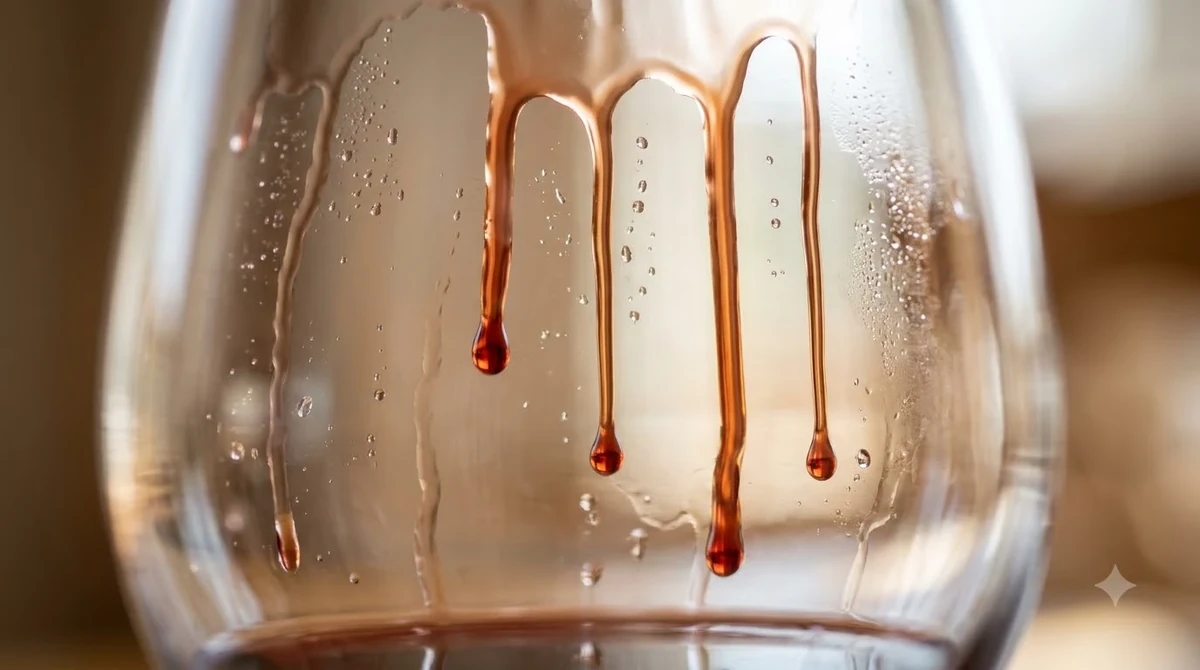
| Ingredient | Role in the sauce | When to add it |
|---|---|---|
| Dry red wine | Acidity, tannin, fruit, and the main flavor | To deglaze the pan after searing |
| Shallot or garlic | Sweet, savory background | Soften in fat before the wine |
| Stock | Body and savory depth | After the wine has reduced slightly |
| Butter | Gloss and a rounder finish | Stirred in off the heat at the end |
| Fresh herbs | Aroma | Early for hardy herbs, late for soft ones |
| Splash of vinegar or lemon | Brightness | Only at the very end, if needed |
Step by step: building the pan sauce
The method matters more than the exact amounts. Work in the same pan you used to cook the meat, because the browned bits left behind carry most of the flavor. Keep the heat moderate so the sauce reduces steadily rather than scorching.
- Cook the meat, then move it to a warm plate to rest while you make the sauce.
- Pour off most of the fat, leaving a thin layer in the pan, and soften finely chopped shallot or garlic over medium heat until fragrant.
- Add a splash of dry red wine and scrape the bottom of the pan with a wooden spoon to lift the browned bits.
- Let the wine simmer until it has reduced by roughly half, which concentrates the flavor and takes away the raw edge of the alcohol.
- Add stock and any herbs, then simmer until the sauce is lightly thickened and coats the back of a spoon.
- Remove the pan from the heat, swirl in a knob of cold butter, and taste. Season with salt and pepper, and add a small splash of acid only if the sauce tastes flat.
Strain the sauce if you want a smooth result, especially if you used a lot of herbs or shallots. Spoon it over the meat just before serving so it stays glossy and warm. If the sauce tightens too much while it sits, loosen it with a spoonful of stock or water rather than more wine.
Choosing the wine for the sauce
A red wine sauce is only as good as the bottle you pour into the pan, but it does not need to be a special occasion wine. Medium-bodied reds with bright fruit and moderate tannin tend to work well, because they reduce into a sauce with clear flavor and a pleasant edge. Very tannic wines can turn bitter as they concentrate, and very sweet or oaky reds can make the sauce taste heavy or cloying.

If you do not have red wine open, you can use a dry vermouth in its place for some dishes. VinePair’s guide notes that dry vermouth can stand in for dry white wine in some recipes, and it should be refrigerated after opening. For a red sauce, a dry red remains the closer match, so a substitute will change the flavor, not just the color.
Variations and what to serve with it
Once you know the basic method, the sauce is easy to change. Add sliced mushrooms after the shallot to build a deeper flavor, or finish with a spoonful of Dijon mustard for a sharper edge. A little brown sugar or a few dried cherries can soften the acidity for a richer, sweeter sauce that suits pork or duck. For a lighter version, use more stock and less butter and serve it with roast chicken or seared fish.
Red wine sauce goes well with simple starches that can soak it up. Mashed potatoes, buttered egg noodles, and crusty bread are classic choices, and a bright green vegetable such as sautéed spinach or green beans balances the richness. Keep the side dishes plain so the sauce remains the focus of the plate.
Plan the sauce while the meat rests. Resting lets the juices settle, and the same few minutes are enough to finish the reduction in the pan. Keep the sauce warm over low heat, and whisk in the butter only when you are ready to serve, because a sauce that sits too long can separate and lose its shine.
Tip: Taste the sauce before you add salt. Stock and reduced wine both concentrate, so a sauce that tastes salty at the start of the reduction can become too salty at the end.
Frequently Asked Questions
Does red wine sauce need to be cooked long to remove the alcohol?
Reducing the wine by about half concentrates the flavor and cooks off much of the raw alcohol, but it does not remove all of it. If you are cooking for guests who avoid alcohol, a longer simmer helps, and the sauce will still taste different from a plain stock sauce.
Can I make red wine sauce ahead of time?
Yes. Make the sauce up to a day ahead, cool it quickly, and refrigerate it. Reheat gently and loosen with a little stock, then finish with butter just before serving.
What if my sauce tastes sharp or thin?
Simmer it a little longer to concentrate the flavor, then swirl in butter to round the edges. A small amount of sweetness or a finely chopped herb can also balance a sharp sauce.
Which meats go best with red wine sauce?
Beef steak, roast beef, lamb, and pork chops are classic matches. Mushroom dishes and roast chicken also work well with a lighter version of the sauce.
A red wine sauce is one of the most useful techniques to have in your kitchen, and it pairs well with many of the drinks you may be serving. For a lighter option at the table, try the red wine spritzer recipe, or see the winter sangria recipe for a cold-weather drink. For more about matching wine to food, visit the Wine Recipes & Cocktails section.
More in Food & Wine Pairing
 Risotto With White Wine Recipe: Make a Creamy Dinner at HomeUpdated Nov 20, 2026
 Wassail With Wine Recipe for a Festive Spiced Holiday DrinkUpdated Nov 20, 2026
 Spritz Veneziano Recipe: Make a Classic Venetian Aperitivo at HomeUpdated Nov 20, 2026
 Summer Wine Punch Recipe for Easy Homemade EntertainingUpdated Nov 20, 2026
 Bishop Recipe: How to Make a Bright, Citrus-Forward Red Wine CocktailUpdated Nov 20, 2026
 Wine Cupcakes Recipe: Bake Rich Chocolate Cupcakes at HomeUpdated Nov 20, 2026